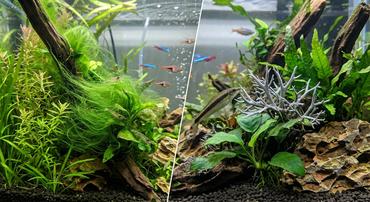
BEST FISH FOR A 10-GALLON TANK WITH PLANTS: A COMPLETE GUIDE FOR BEGINNERS
Best Fish for a 10-Gallon Tank with Plants: A Complete Guide for Beginners
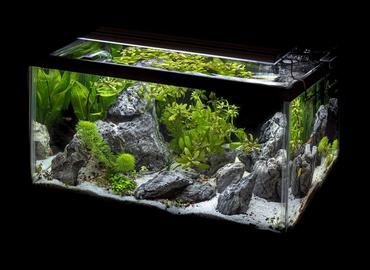
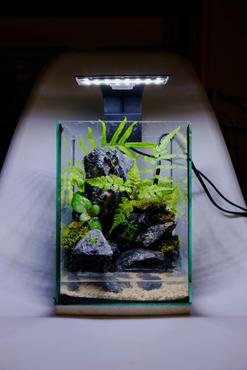
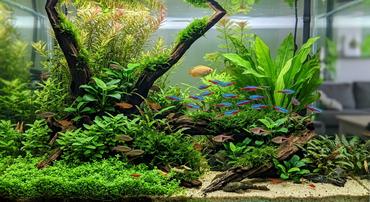
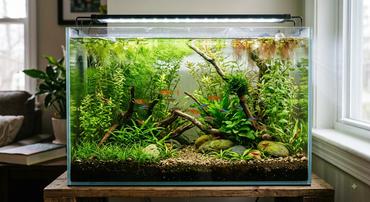
Starting a 10-gallon aquarium is one of the most exciting entry points into the fish-keeping hobby, offering a perfect balance between a manageable footprint and enough space to create a thriving underwater ecosystem. However, the small volume of water means that every choice—from the substrate to the livestock—carries significant weight. Adding live plants transforms a basic tank into a lush, natural habitat, but it also changes the dynamic of which fish will thrive. In this guide, we will explore the best fish species that not only fit comfortably in a 10-gallon setup but also complement a planted environment, ensuring your new hobby starts with a vibrant, healthy, and sustainable success.

The Philosophy of the 10-Gallon Planted Tank

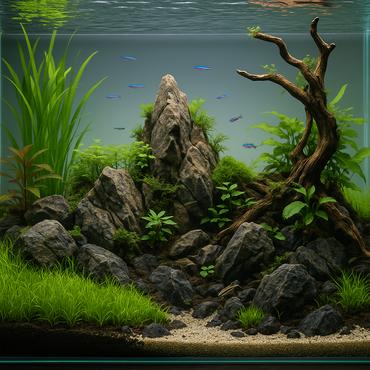
To succeed with a small-scale aquarium, one must first understand that a 10-gallon tank is significantly less forgiving than a 55-gallon or 75-gallon system. In the aquarium hobby, we often say that "dilution is the solution to pollution." With only ten gallons of water, toxins like ammonia and nitrite can spike to lethal levels in a matter of hours if something goes wrong. This is where live plants become your greatest allies. Plants act as a secondary biological filter, absorbing nitrates and providing a natural oxygenation process that stabilizes the environment. However, the presence of plants means you must select fish that respect the "aquascape." You cannot successfully keep fish that are notorious for digging up substrate or shredding delicate leaves in such a confined space.

When planning your 10-gallon masterpiece, you must consider the vertical space. A 10-gallon tank typically measures 20 inches long by 10 inches wide and 12 inches high. This limited footprint means you need to categorize your fish by their preferred swimming levels: top-dwellers, mid-water schoolers, and bottom-feeders. Overcrowding any one of these zones can lead to territorial aggression, even among peaceful species. By distributing your livestock across these layers, you maximize the visual appeal and the biological stability of the tank. For those just starting out, it is highly recommended to read up on tips for setting up your first freshwater aquarium to ensure your hardscape and equipment are ready for the biological demands of live plants.

  • The Nitrogen Cycle: In a planted tank, the plants utilize the end product of the nitrogen cycle (nitrates) as fertilizer. However, you still need a robust colony of beneficial bacteria in your filter.
  • Light and Growth: Plants require light to photosynthesize, but too much light without enough plants or CO2 leads to algae. Your fish selection should include species that can help manage this balance.
  • Substrate Selection: For a 10-gallon planted tank, an active soil or a fine-grain gravel is best. This allows roots to take hold while remaining safe for the sensitive bellies of bottom-dwelling fish.

Top Schooling Fish for Micro-Aquascapes

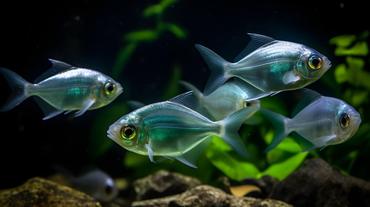
Schooling fish provide a sense of movement and energy that makes a small tank feel much larger than it actually is. In a 10-gallon environment, the key is to choose "nano" species—fish that stay under 1.5 inches in length. This ensures they have enough "runway" to exhibit natural swimming behaviors without feeling cramped. When these fish are kept in appropriate numbers, their stress levels drop, and their colors become significantly more vivid.


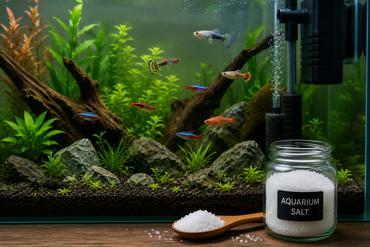
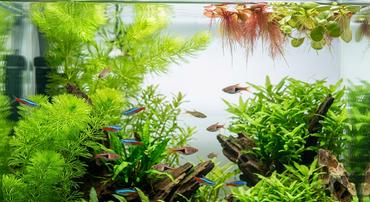
Ember Tetras (Hyphessobrycon amandae): These are perhaps the perfect fish for a 10-gallon planted tank. Reaching only about 0.8 inches, their fiery orange bodies create an incredible contrast against green plants like Java Fern or Anubias. They are exceptionally peaceful and stay in a tight group. Because they are so light on the bio-load, a school of 8 to 10 can comfortably inhabit a well-filtered 10-gallon tank. They prefer a heavily planted environment with some open swimming space in the center.

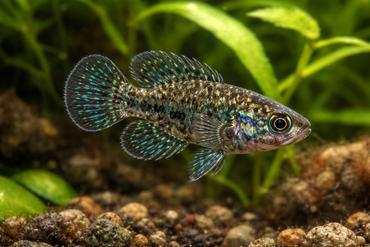
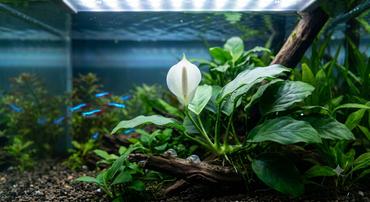
Celestial Pearl Danios (Danio margaritatus): Also known as Galaxy Rasboras, these fish look like tiny trout with deep blue bodies and gold spots. They are somewhat shy, so the presence of dense plants is a requirement for them to feel safe. In a 10-gallon tank, they will weave in and out of stem plants like Rotala or Bacopa. They are not as "tight" in their schooling as Ember Tetras, often exploring the tank in small groups or pairs. They are a fantastic choice for those who want a "jewel" look in their aquarium.

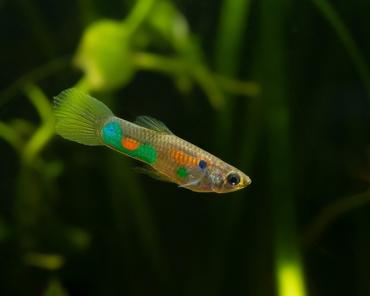
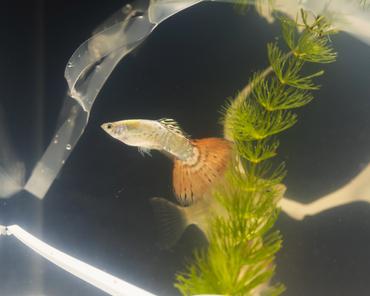
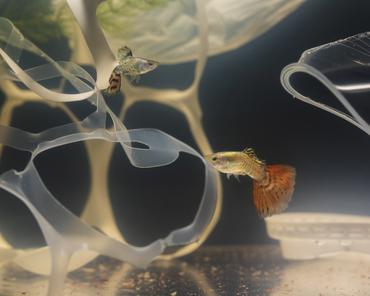
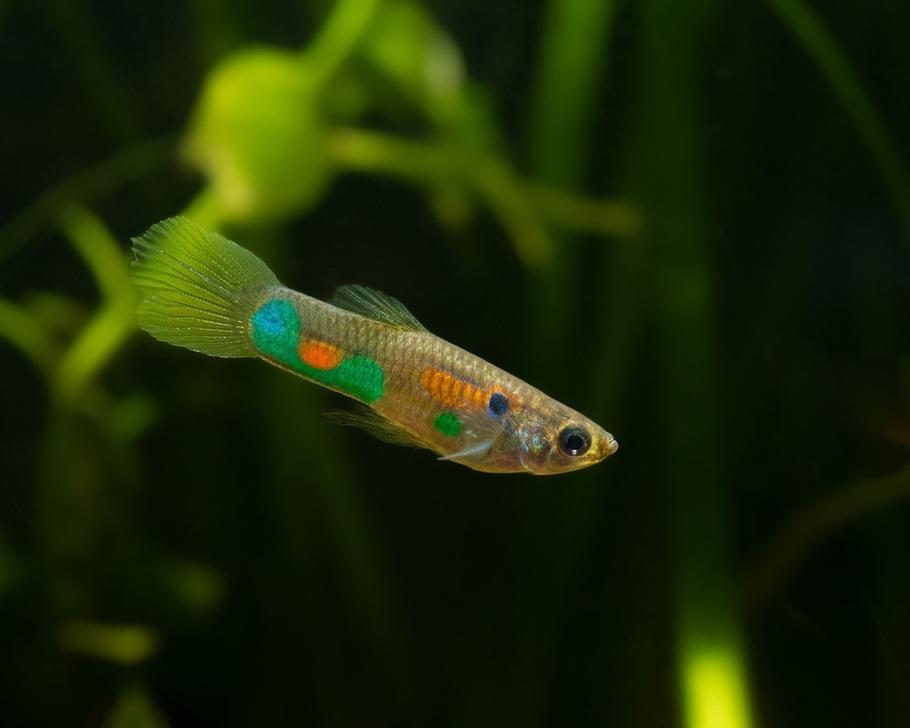
Endler’s Livebearers: If you want constant activity and flashes of metallic color, Endlers are a great choice. They are smaller and hardier than standard Guppies. However, a word of caution: they breed rapidly. To keep a 10-gallon tank manageable, many hobbyists choose to keep an "all-male" group. Males are the ones with the brilliant oranges, greens, and blacks, and without females present, you won't have to worry about an overpopulation crisis that crashes your water quality.

  • Schooling vs. Shoaling: It is important to remember that these fish require a group. Keeping a single Tetra or Danio is stressful for the animal and often results in a weakened immune system.
  • Water Flow: Many nano species prefer a gentle current. If your filter is too powerful, it may exhaust these small fish. Using a sponge filter or a pre-filter intake sponge can help mitigate this.

Centerpiece Fish: Personality in a Small Package

For many aquarists, a tank isn't complete without a "main character." This is a fish that has more individual personality, perhaps even recognizing its owner or interacting with the environment in a more deliberate way. In a 10-gallon tank, your options for centerpiece fish are limited by size, but not by beauty or intrigue.


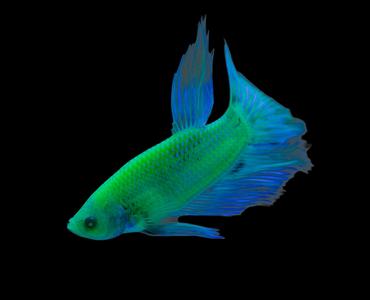
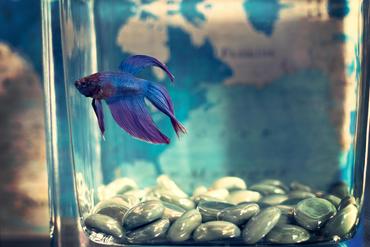
The Betta Splendens: The Betta is the most iconic centerpiece fish for small tanks. Contrary to the myth that they live in puddles, a 10-gallon planted tank is an absolute paradise for them. The plants provide resting spots near the water's surface, which is vital because Bettas are labyrinth breathers and need to take gulps of air. When keeping a Betta in a 10-gallon tank with plants, you can often add a few small tank mates like snails or even certain shrimp, provided the Betta’s temperament allows it. For a deeper dive into choosing a focal point for your tank, see our article on the best centerpiece fish for small aquariums.

Honey Gourami (Trichogaster chuna): If you want a peaceful alternative to the Betta, the Honey Gourami is an excellent candidate. They reach about 2 inches and possess a lovely sunset-orange or golden hue. They are famous for their modified pelvic fins, which they use as "feelers" to touch plants and explore their surroundings. They are generally very social and can even be kept in a pair in a 10-gallon tank. They are much slower swimmers than tetras, so they pair best with peaceful, non-nippy tank mates.

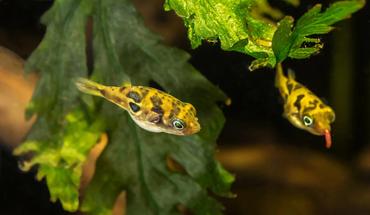
Dwarf Sparkling Gourami (Trichopsis pumila): For those who want something truly unique, the Sparkling Gourami is a tiny powerhouse. Growing to only 1.5 inches, they have iridescent blue eyes and scales that shimmer like glitter. They are known for making a faint "croaking" sound that you can actually hear outside the tank. Because they are predatory toward tiny crustaceans, they are best kept in a tank without ornamental shrimp, but they thrive in dense "jungle" style planted tanks where they can hunt for microscopic life.

  • Compatibility Tip: Never house two male Bettas together, and be cautious about mixing Gouramis and Bettas, as they are distant relatives and may see each other as territorial rivals.
  • Plant Selection for Centerpieces: Large-leafed plants like Amazon Swords or Anubias Barteri provide excellent "beds" for these centerpiece fish to rest on during the night.

The Clean-Up Crew: Invertebrates and Bottom Dwellers

Maintenance is a part of any aquarium, but in a planted tank, you can enlist the help of "janitorial" species. These animals spend their time eating algae, decaying plant matter, and leftover fish food, which helps keep the nitrogen cycle in check. In a 10-gallon tank, you must be careful not to choose "cleaners" that will grow too large or produce more waste than they consume.


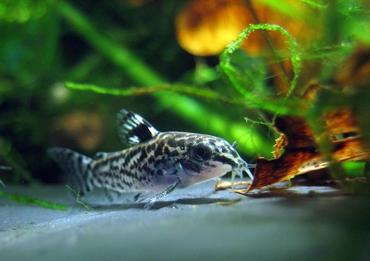
Pygmy Corydoras (Corydoras pygmaeus): While most Cory cats are too large for a 10-gallon, the Pygmy Cory is the exception. They are tiny, adorable, and incredibly active. Unlike their larger cousins who strictly hug the bottom, Pygmy Cories will often school in the middle of the tank with your tetras. They are essential for keeping the substrate turned over, preventing anaerobic gas pockets from forming in your planted soil. You should keep a group of at least 6 to see their natural behavior.

Otocinclus Catfish: Often called "Otos," these are the gold standard for algae control. They are small, peaceful, and have a specialized mouth designed to rasp algae off of plant leaves without damaging the foliage. However, they are quite sensitive to water parameters. They should only be introduced to a "seasoned" 10-gallon tank that has been running for at least 3-4 months and has a visible growth of soft green algae for them to eat.

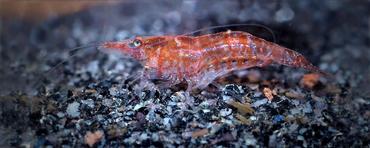
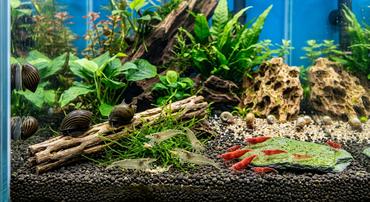
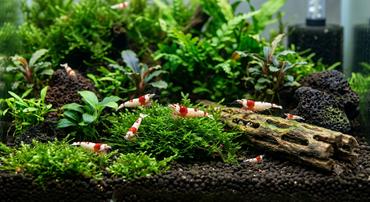
Neocaridina Shrimp (Cherry Shrimp): These are not fish, but they are perhaps the most popular inhabitants for planted nano tanks. They come in vibrant reds, blues, and yellows. They are tireless workers, cleaning every nook and cranny of your mosses and fine-leaved plants. In a 10-gallon tank, a starting colony of 10 to 20 shrimp can eventually grow into hundreds, providing a fascinating "colony" dynamic. Just be aware that most fish will eat baby shrimp, so plenty of moss is required for the offspring to survive.

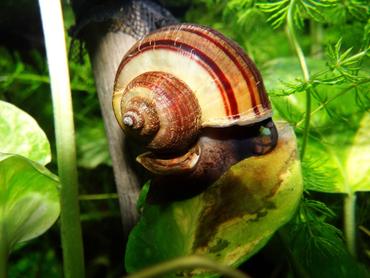
Nerite Snails: If you struggle with algae on the glass, a single Nerite snail is the solution. They are unable to reproduce in freshwater, so you won't have to worry about a snail explosion. They come in beautiful patterns like "Tiger" or "Zebra" and are completely harmless to your live plants.

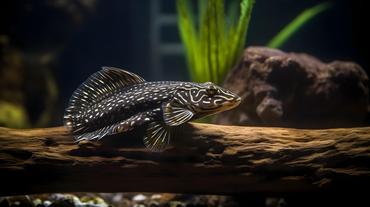
  • Avoid the Common Pleco: One of the most common beginner mistakes is buying a Plecostomus for a 10-gallon tank. These fish can grow over a foot long and produce massive amounts of waste. If you want a "suckerfish" for a 10-gallon, stick to the Otocinclus.
  • Feeding the Crew: Don't assume your clean-up crew can survive on "scraps" alone. Supplement their diet with high-quality sinking pellets or algae wafers to ensure they are getting proper nutrition.

Managing Water Quality and Plant Health

The secret to a beautiful 10-gallon planted tank isn't just the fish; it's the chemistry. In a small tank, the balance between light, nutrients, and CO2 is delicate. If you have too many fish, you will have too much nitrate, leading to algae. If you have too many plants and not enough fish, the plants may starve. This "Golden Ratio" is what separates a successful tank from a struggling one.

The Role of Filtration: For a 10-gallon planted tank, a Hang-On-Back (HOB) filter or a sponge filter is typically used. While plants do some filtration, you need mechanical filtration to remove floating debris and chemical filtration (like carbon) to keep the water clear. However, many advanced "planted tank" enthusiasts skip carbon because it can sometimes strip out liquid fertilizers. If you choose to go this route, you must stay on top of your water changes. For more guidance on keeping your system running smoothly, check out our simple maintenance tips for freshwater aquariums.

Liquid Fertilizers and Root Tabs: Most aquarium plants fall into two categories: water column feeders and root feeders. Plants like Anubias and Java Fern take nutrients directly from the water, so a weekly dose of liquid fertilizer is beneficial. Plants like Amazon Swords or Cryptocoryne take nutrients from the soil. If you are using an inert substrate like sand, you will need to "plug" root tabs into the sand every few months to keep them healthy. Healthy plants mean less algae, and less algae means a healthier environment for your fish.

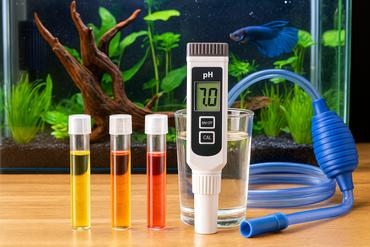
Water Testing: In a 10-gallon tank, you should be testing your water weekly with a liquid test kit. Pay close attention to Ammonia, Nitrite, and Nitrate. In a heavily planted tank, your Nitrate readings might actually stay at zero, which is great for the fish but might mean your plants need more fertilizer. Aim for a "sweet spot" of about 5-10 ppm of Nitrates to keep both parties happy.

  • Temperature Stability: Small volumes of water lose heat quickly. Invest in a reliable 50-watt heater and a thermometer. Tropical fish are prone to disease if the temperature fluctuates more than a couple of degrees in a day.
  • Evaporation: In a 10-gallon tank, evaporation can significantly increase the concentration of minerals in the water. To prevent "osmotic shock" to your fish, top off your tank with dechlorinated water every few days between water changes.
  • Gas Exchange: If you notice your fish gasping at the surface, especially in the morning, your plants may be consuming too much oxygen at night. Adding a small air stone that runs only at night can solve this problem.

Common Beginner Pitfalls in 10-Gallon Tanks

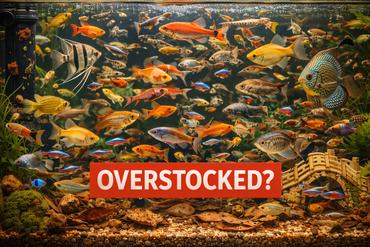
Many hobbyists start with a 10-gallon tank thinking it will be "easy," only to get frustrated when things go wrong. Most of these issues stem from a few common mistakes that are easily avoidable with a bit of foresight. The most frequent error is overstocking. It is tempting to buy two of every fish you see at the store, but in a 10-gallon, this leads to aggressive behavior and a total collapse of the biological filter.

Another mistake is the "Cleanliness Overload." Beginners often think that to keep a tank clean, they need to scrub everything, including the gravel and the filter media, with tap water. This actually kills the beneficial bacteria that keep your fish alive. When performing maintenance on your 10-gallon planted tank, always rinse your filter sponges in a bucket of used tank water—never under the tap. This preserves the "good" bacteria while removing the "gunk."

Finally, there is the issue of lighting. Beginners often leave their aquarium lights on for 12 to 14 hours a day to enjoy the view. In a 10-gallon tank, this is a recipe for an algae disaster. Most aquarium plants only need 6 to 8 hours of light. Using a simple plug-in timer can automate this process and prevent your tank from turning into a green soup. If you do encounter algae, don't panic; it's a natural part of the ecosystem. Simply reduce your lighting hours and increase your water changes until the balance is restored.

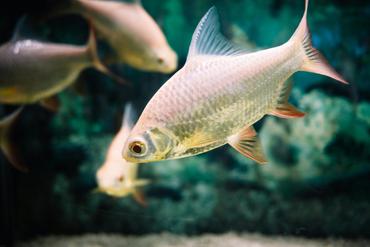
  • The "Impulse Buy": Always research a fish before buying it. That "cute" silver fish at the store might be a Bala Shark, which can grow to 12 inches and has no business in a 10-gallon tank.
  • Acclimation: When bringing new fish home, don't just "dump" them in. Use the drip acclimation method or the "float and scoop" method to ensure they adjust to the temperature and pH of your specific 10-gallon environment.
  • Incompatible Hardscape: Avoid using "found" rocks or wood from outside unless you know exactly what they are. Many rocks contain calcium that will skyrocket your pH, making it impossible to keep sensitive fish like Neon Tetras.

Summary: Creating Your Miniature Underwater Garden

Setting up a 10-gallon planted tank is a rewarding journey that blends the artistic challenge of aquascaping with the biological satisfaction of fish-keeping. By selecting the right inhabitants—peaceful nano-schoolers like Ember Tetras, personality-driven centerpieces like the Honey Gourami, and diligent cleaners like the Otocinclus or Cherry Shrimp—you can create a stable, beautiful world that thrives for years. The limited space of a 10-gallon tank isn't a restriction; it's an opportunity to focus on the fine details and appreciate the micro-behaviors of some of the hobby's most interesting species.

Success ultimately comes down to balance. Respect the nitrogen cycle, don't overfeed, and let your plants provide the natural filtration they are designed for. As your plants grow and your fish settle into their territories, you will find that a well-maintained 10-gallon tank can be even more captivating than a massive display. If you are looking for more inspiration or need help troubleshooting a specific issue, we encourage you to browse our extensive library of articles and join the conversation with other passionate hobbyists. Your perfect nano-tank is just a few careful choices away!

Would you like to learn more about specific plant species that grow well in 10-gallon tanks to match these fish, or perhaps a deep dive into the best lighting systems for small aquariums?
Best Fish for a 10 Gallon Tank with Plants
Tetras Neon
Setting up a 10-gallon planted aquarium is one of the most rewarding projects a hobbyist can undertake, offering a perfect slice of nature that fits comfortably on a desk or side table.
Betta Fish in a Planted Tank: Setup, Care & Mistakes to Avoid
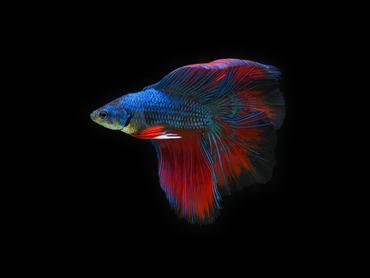
The Betta fish, with its cascading fins and kaleidoscopic colors, has long been the victim of the "bowl" myth, but modern aquarists are finally recognizing that these intelligent, labyrinth-breathing creatures truly flourish when placed in a living, breathing ecosystem.

MOST RECENT ARTICLES

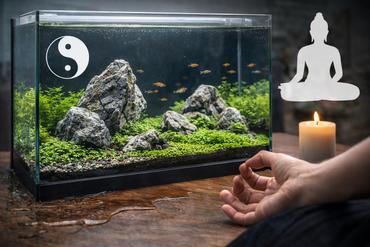
The Zen of Aquascaping: Using Iwagumi Principles for Mindfulness and Stress Relief
THE ZEN OF AQUASCAPING: USING IWAGUMI PRINCIPLES FOR MINDFULNESS AND STRESS RELIEF
In the modern world, the constant noise of digital notifications and the fast-paced demands of daily life often leave us searching for a sanctuary where we can reclaim a sense of peace.
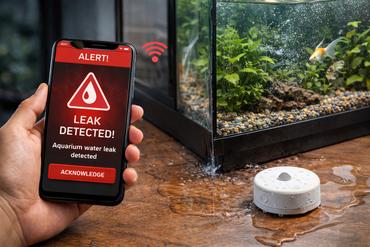
The Rise of Smart Leak Detection: Protecting Your Home from Aquarium Disasters
THE RISE OF SMART LEAK DETECTION: PROTECTING YOUR HOME FROM AQUARIUM DISASTERS
There is no sound more terrifying to an aquarium hobbyist than the slow, steady drip of water hitting a hardwood floor in the middle of the night.
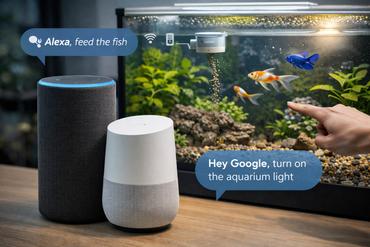
Voice-Controlled Aquariums: Integrating Your Tank with Alexa and Google Home
VOICE-CONTROLLED AQUARIUMS: INTEGRATING YOUR TANK WITH ALEXA AND GOOGLE HOME
The modern aquarium hobby is undergoing a digital transformation that goes far beyond high-tech filters and LED lighting.

Rate This Tank:

GENERAL AQUARIUM ARTICLES
Top Fish for Community Tanks
Creating a thriving community aquarium is one of the most rewarding experiences in the fish-keeping hobby, offering a dynamic window into a complex underwater ecosystem.
Top 10 Beginner-Friendly Freshwater Fish (Ranked by Ease of Care)
Diving into the world of freshwater aquariums is an exhilarating journey, but for many beginners, the initial excitement is often met with the daunting challenge of keeping their new aquatic residents alive and thriving.
Aquarium Water Changes: How Often and How Much?
Maintaining a thriving aquarium is often described as a balancing act, and no single task is more critical to that balance than the routine water change.
Blackwater Aquariums: How Tannins Improve Fish Health and Reduce Stress
The mysterious, tea-colored depths of a blackwater aquarium may look "dirty" to the uninitiated, but for many tropical fish species, these tannin-rich environments are a slice of paradise.
Top 10 Nano Predators (and How to Keep Them Peacefully)
The allure of the predatory fish has long been a driving force in the aquarium hobby, drawing enthusiasts toward the raw, primal energy of nature's most efficient hunters.
Betta Fish in a Planted Tank: Setup, Care & Mistakes to Avoid
The Betta fish, with its cascading fins and kaleidoscopic colors, has long been the victim of the "bowl" myth, but modern aquarists are finally recognizing that these intelligent, labyrinth-breathing creatures truly flourish when placed in a living, breathing ecosystem.
Best Fish for a 10 Gallon Tank with Plants
Setting up a 10-gallon planted aquarium is one of the most rewarding projects a hobbyist can undertake, offering a perfect slice of nature that fits comfortably on a desk or side table.
AI and Smart Technology in Aquariums: The Future of Fishkeeping
Technology is transforming the aquarium hobby faster than ever before.
Beginner-Friendly Oddball Fish: Unique Species That Work in Small Tanks
Want something cooler than guppies and tetras in your small aquarium, but not ready for ultra-demanding species?
Beginner Aquarium Mistakes That Kill Fish in the First 30 Days
The first 30 days of owning an aquarium are often referred to as the "danger zone" for both the hobbyist and the fish.
Aquarium Temperature Guide: What’s Best for Your Fish?
Maintaining the perfect environment for your aquatic pets is a delicate balancing act, and temperature is arguably the most critical variable in the equation.
Aquarium Hardscape Guide: Dragon Stone, Seiryu, Spider Wood & More.
Creating a captivating underwater landscape is about more than just choosing the right fish; it is about building a foundation that mimics the natural world.
Fish Compatibility Checker: How to Build Peaceful Freshwater and Saltwater Communities
Starting a new aquarium is one of the most exciting moments in the hobby, but nothing halts that enthusiasm faster than waking up to find a once-vibrant community decimated by aggression or stress.
How to Fix Cloudy Water Fast (White, Green & Yellow Water Explained)
There is perhaps no greater disappointment for an aquarium enthusiast than approaching a carefully curated tank only to find the view obscured by a thick, mysterious haze.
Low-Light Aquarium Plants for Beginners
The transition from a basic fish tank to a lush, living underwater garden is often the most rewarding milestone for any aquarium enthusiast.
Driftwood in Aquariums: Benefits, Types, and How to Prepare It Safely
Adding a piece of driftwood to your aquarium is one of the most transformative decisions you can make as a hobbyist, shifting your tank from a simple glass box to a vibrant, living slice of nature.
The Benefits of Having a Nano Aquarium and Tips for Setting One Up
If you're fascinated by the beauty of aquatic life but think a full-sized aquarium might be too overwhelming, a nano aquarium could be the perfect solution.
Cherry Shrimp Care for Beginners: Tank Setup, Water, and Breeding Tips
Cherry shrimp (Neocaridina davidi) have revolutionized the freshwater aquarium hobby, transforming the way enthusiasts view small-scale ecosystems.
Aquascaping for Beginners: Designing a Natural Underwater Landscape
Aquascaping is the transformative art of arranging aquatic plants, stones, driftwood, and substrate in a way that transcends the traditional fish tank, turning a glass box into a living, breathing underwater masterpiece.
Best Fish for a 10-Gallon Tank with Plants: Top Choices for a Thriving Nano Aquarium
Starting a 10-gallon aquarium is one of the most exciting entries into the fish-keeping hobby, offering a perfect balance between a manageable footprint and enough space to create a stunning underwater garden.
Aquarium Science Myths: 10 Outdated Fishkeeping Rules You Should Stop Following
The world of fishkeeping has evolved dramatically over the last few decades, moving away from anecdotal "old wives' tales" toward a more rigorous, science-based approach to aquatic husbandry.
Creative hacks to keep your aquarium clean
Let’s be honest: while we all love the tranquil beauty of a thriving underwater ecosystem, very few of us actually enjoy the back-breaking labor of scrubbing algae at 10:00 PM on a Sunday.
How to Build an Automatic Fish Feeder
Every aquarium hobbyist knows the subtle anxiety that creeps in the moment you lock your front door for a weekend getaway or a well-deserved vacation.
Early Disease Identifications in the Tank
Maintaining a thriving aquarium is a rewarding journey, but even the most diligent hobbyist will eventually face the challenge of a sick fish.
What Are GloFish and How Do You Care for Them?
Bright, glowing fish that look like they belong in a science fiction movie have become a familiar sight in modern aquariums.
Aquarium Water Chemistry Made Simple: pH, Hardness, and Healthy Fishkeeping
Walking into a local fish store and seeing a vibrant display of neon tetras or majestic angelfish is enough to make anyone want to dive headfirst into the aquarium hobby.
Best Fish for a 10-Gallon Tank with Plants: A Complete Guide for Beginners
Starting a 10-gallon aquarium is one of the most exciting entry points into the fish-keeping hobby, offering a perfect balance between a manageable footprint and enough space to create a thriving underwater ecosystem.
CO2 for Planted Aquariums: A Beginner’s Guide to Healthier, Faster Growth
While many aquarium hobbyists start their journey with low-light plants like Anubias or Java Fern, they often find themselves wondering why their tanks do not look like the lush, vibrant underwater jungles seen in professional aquascaping competitions.
Quarantine Tanks Explained: Why Most Fish Loss Happens in the First 30 Days
The first month after you bring home new fish is when most preventable losses happen—often because the fish are stressed, carrying hidden parasites, or placed into a tank that isn’t ready for them.
History Of Fish Keeping As A Hobby
Fish keeping is one of the world’s oldest and most enduring hobbies, blending art, science, and a deep fascination with aquatic life.
Emergency Power Outages: How to Protect Your Aquarium
Few things strike fear into the heart of an aquarium hobbyist like a sudden power outage.
Fishless Cycling vs Fish-In Cycling: Which Method Is Best for Your Aquarium?
Setting up a new aquarium is one of the most exciting moments in the fishkeeping hobby—but it’s also where most beginners unintentionally make mistakes that lead to stressed fish, disease outbreaks, or early losses.
Brackish Aquariums for Beginners: Reliable Setups, Stocking, and Salinity Tips
The world of fishkeeping is often divided into two clear-cut camps: freshwater and saltwater.
How to Keep Your Tank Safe During a Power Outage
A power outage is every aquarium hobbyist’s worst nightmare, often striking at the most inconvenient times—during a summer thunderstorm or a winter blizzard.
What Is Driftwood Doing in Your Tank?
Adding a piece of driftwood to your aquarium is one of the most effective ways to transform a sterile glass box into a thriving, natural ecosystem.
3 Problems Every Aquarist Can Avoid
The transition from admiring a beautiful aquarium to successfully maintaining one is often marked by a series of "ah-ha" moments and, unfortunately, a few heartbreaks.
Aquarium Fish Medications - Do or Don't?
Learn about how aquarium fish medications work and what diseases they may be used for.
Aquascaping Tips to Reduce Aggression in Fish
Walking into a room and seeing a beautifully scaped aquarium is supposed to be a Zen experience, but for many hobbyists, that peace is shattered by the sight of a dominant fish relentlessly chasing its tank mates.
Spring Cleaning: How to Clean and Give Your Old Tank New Life
Keeping your tank clean is about more than just aesthetics - it also affects your fish.
Why Your Aquarium Lighting Matters More Than You Think
For many new hobbyists, setting up an aquarium feels like a balancing act between water chemistry, filtration, and choosing the right fish.
Tips for Spotting Signs of Distress in Your Fish Before It's Too Late
When you see signs of stress in your fish, you can then take steps to identify the source of that stress and then to resolve it before it becomes a major issue.
How to Buy Aquarium Supplies Online
The transition from browsing the aisles of a local pet store to navigating the vast digital landscape of online aquarium retailers marks a significant milestone for any hobbyist looking to expand their aquatic horizons.
How Cycling the Tank Can Stress Your Fish
Setting up a new aquarium is one of the most exciting moments in the fishkeeping hobby, but it’s also where many beginners unknowingly create stressful — and sometimes deadly — conditions for their fish.
Eco-Friendly Aquarium Guide: Energy-Saving Gear and Responsible Stocking
The aquarium hobby offers a unique window into the wonders of the aquatic world, but as any seasoned hobbyist knows, maintaining a slice of the ocean or a tropical river in your living room requires a significant amount of resources.
Do You Know What You Are Feeding Your Fish?
Walking down the aquarium aisle of a local pet store can be a dizzying experience.
Why Keep Aquarium Fish?
There is something inherently hypnotic about the slow, rhythmic movement of a well-maintained aquarium.
What You Need to Know About All-in-One Aquariums
For many aspiring aquarists, the sheer volume of equipment required to start a successful tank—sumps, plumbing, external filters, and lighting—can feel overwhelming.
Is My Fish Stressed? A 10-Minute Checklist to Prevent Emergencies
Walking into a room and seeing your fish acting unusual can be a heart-sinking experience for any hobbyist.
The Right and Wrong Way to Catch Fish
There is perhaps no moment more stressful for both an aquarist and their aquatic residents than the sight of a blue mesh net dipping into the water.
Simple Tips for Building a Saltwater Tank Without Breaking the Bank
The allure of a saltwater aquarium is undeniable—the vibrant colors of a Coral Beauty Angelfish, the rhythmic pulsing of Xenia corals, and the fascinating symbiotic relationship between a Clownfish and its anemone are enough to captivate any nature lover.
Smart Planted Tanks: Budget Automation for Lighting, CO₂, and Safety
Maintaining a lush, vibrant planted aquarium often feels like a balancing act between a rewarding hobby and a full-time job.
Do You Need CO₂? Three Proven Paths to a Healthy Planted Tank
The lush, vibrant landscape of a masterfully scaped planted aquarium is often what draws newcomers into the hobby, but it is also the source of the most common question: do I really need a CO2 system to achieve this?
Community Fish Compatibility Guide
Creating a thriving community aquarium is one of the most rewarding aspects of the fish-keeping hobby, but it requires much more than simply picking out the most colorful fish at the local pet store.
Read more articles (55)

READ AQUARIUM ARTICLES