THE THERAPEUTIC TANK: HOW FISHKEEPING HELPS MANAGE ADHD, ANXIETY, AND SENSORY PROCESSING DISORDERS
The Science of Serenity: Reducing Anxiety with Aquariums
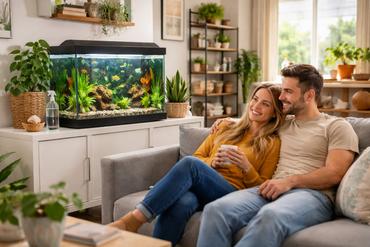
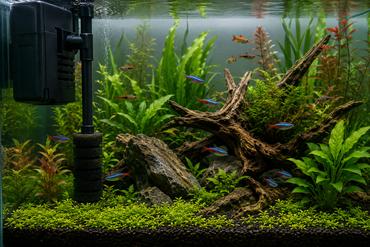
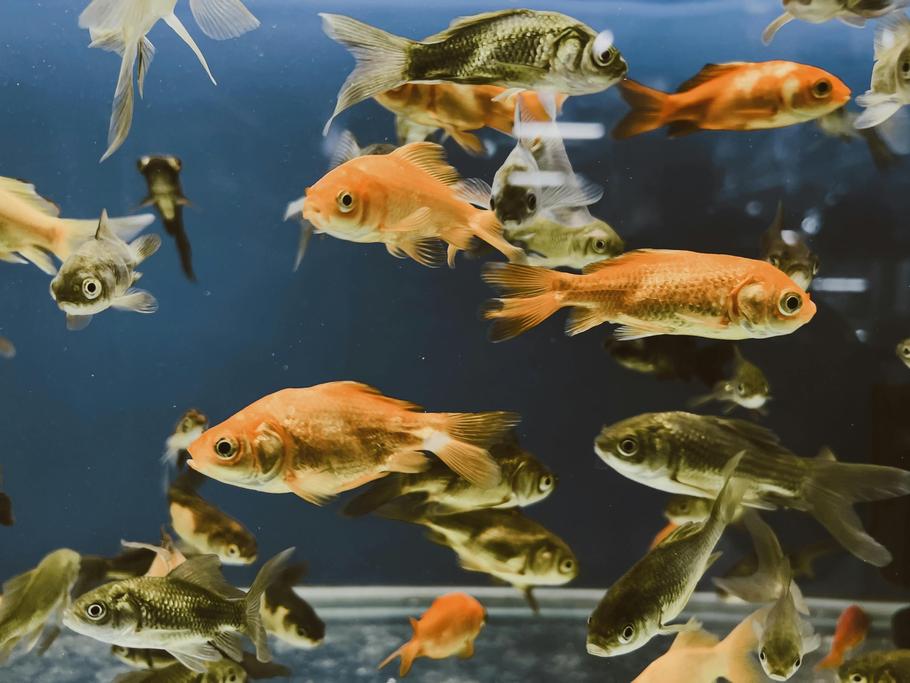
The calming effect of an aquarium is not just a feeling; it is a physiological response. Studies have shown that watching fish swim can lead to a measurable reduction in blood pressure and heart rate. For those struggling with generalized anxiety or high-stress lifestyles, the tank acts as a visual anchor. Unlike the fast-paced, blue-light-heavy stimulation of a smartphone or television, the movement within an aquarium is organic and repetitive, which allows the brain to enter a state of "soft fascination." This state helps the mind recover from cognitive fatigue and lowers the production of cortisol, the body's primary stress hormone.
Beyond the visual aspect, the auditory environment of an aquarium plays a role in anxiety management. The soft hum of a high-quality filter or the gentle trickling of a spray bar provides a consistent source of white noise. This can be particularly helpful for individuals who find silence unsettling or who are easily startled by sudden external sounds. The aquarium creates a "sensory bubble" that helps ground the keeper in the present moment, making it an excellent accompaniment to mindfulness practices or meditation.
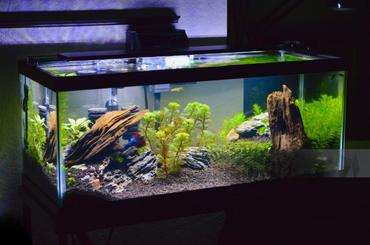
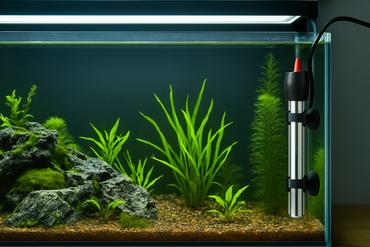
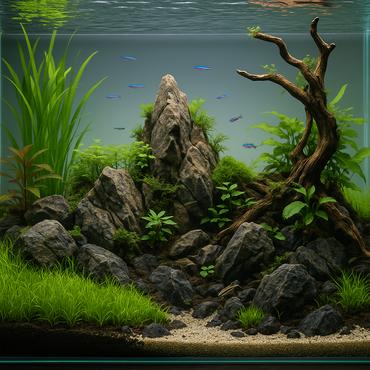
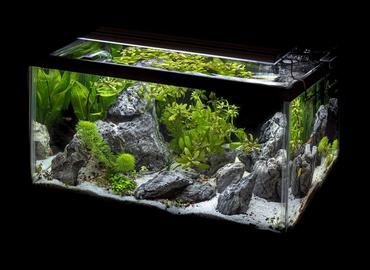
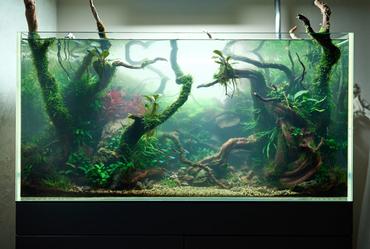
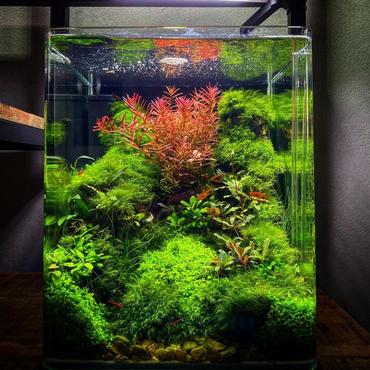
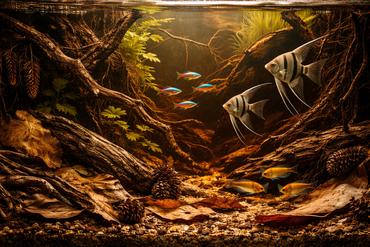
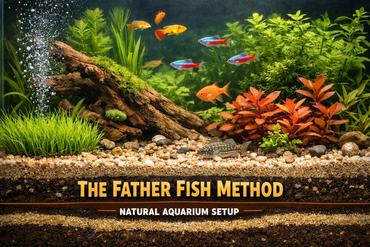
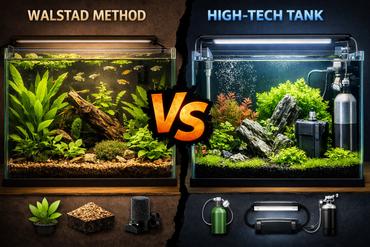
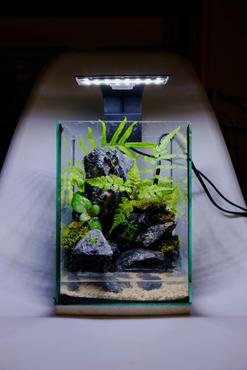
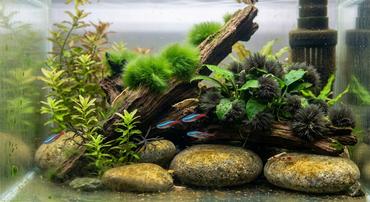
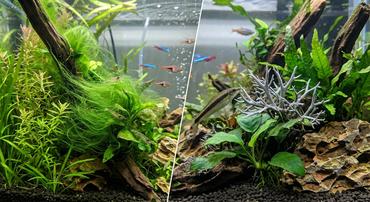
Beginners often worry that the responsibility of a tank will add to their anxiety, but the key is to start with a manageable setup. Stress often stems from overcomplication, so opting for a balanced, low-tech environment is often the best path for therapeutic results. For those interested in a more self-sustaining approach, exploring Father Fish-style natural aquariums can provide a low-maintenance foundation that emphasizes biological balance over mechanical intervention, reducing the "to-do list" anxiety often associated with traditional setups.
Finding Focus: How Fishkeeping Supports ADHD Management
For individuals with ADHD, the challenge often lies in executive function—specifically, organizing tasks, maintaining routines, and managing time. Fishkeeping provides a unique framework for practicing these skills in a rewarding, non-punitive way. The "dopamine hit" associated with seeing a fish thrive or successfully growing a new plant species provides immediate positive reinforcement. This external motivation is crucial for the ADHD brain, which often struggles with tasks that do not offer an immediate sense of accomplishment.
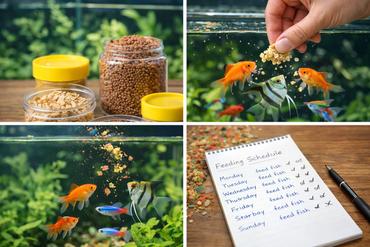
The structure of aquarium maintenance helps build a "routine muscle." Weekly water changes, daily feedings, and monthly filter cleanings create a predictable schedule. For a beginner, these tasks can be mapped out on a visual calendar, turning the hobby into a series of achievable goals. Because the well-being of a living creature is at stake, the motivation to stick to the routine is often higher than it would be for a purely personal habit like folding laundry or organizing a desk.
Hyperfocus, a common trait in those with ADHD, can also be channeled productively into the hobby. Researching species compatibility, water chemistry, and aquascaping design allows for deep intellectual engagement. However, a common mistake is "new hobbyist burnout," where an individual spends excessively on a complex setup only to feel overwhelmed by the maintenance later. To combat this, it is best to focus on one tank at a time and master the basics of water chemistry before expanding to multiple tanks or high-maintenance species.
A Calm Sensory Experience: Benefits for Sensory Processing Disorders
Sensory Processing Disorder (SPD) involves difficulty in organizing and responding to information that comes in through the senses. Many individuals with SPD are either over-responsive or under-responsive to environmental stimuli. An aquarium provides a controlled sensory experience that can be tailored to an individual’s specific needs. The visual input of a well-lit tank is vibrant but not jarring, offering a "restorative environment" that can help a person decompress after a day in a sensory-heavy world like a school or a busy office.
For those who are over-responsive to touch or sound, the aquarium offers a "hands-off" form of interaction. You can experience the joy of a pet without the unpredictable barking of a dog or the tactile demands of a cat. Conversely, for those who seek sensory input, the process of maintenance—feeling the water temperature, the texture of the substrate, or the weight of the equipment—can be a grounding, "heavy work" activity that provides the proprioceptive input many people with SPD crave.
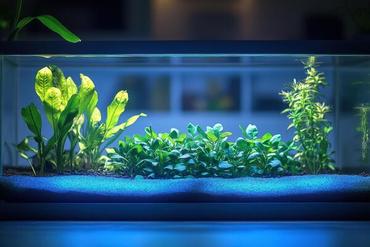
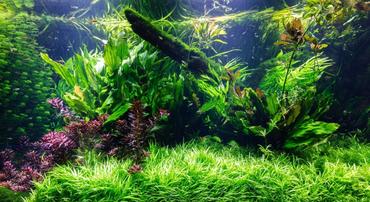
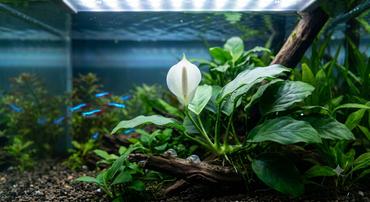
The lighting of the tank can also be adjusted to suit sensory preferences. Dimmable LED systems allow users to create a "sunset" mode in the evening, which can help signal the brain that it is time to wind down. Avoiding "strobe" effects or overly bright, cool-toned lights is generally recommended for those using a tank for sensory regulation. Instead, warm tones and plenty of green plants create a soothing palette that is easy on the eyes and the mind.
Top Fish Species for a Calm and Engaging Environment
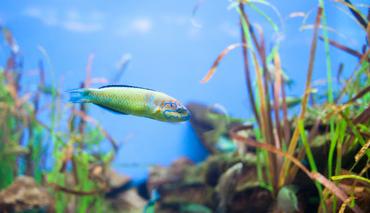
Not all fish are created equal when it comes to the therapeutic experience. High-energy, aggressive fish can sometimes increase the "chaos" of a room, which may be counterproductive for someone seeking peace. For a therapeutic tank, you want species that exhibit graceful movement, interesting social behaviors, or a calm demeanor. Here are some of the best choices for those looking to maximize the mental health benefits of their aquarium:
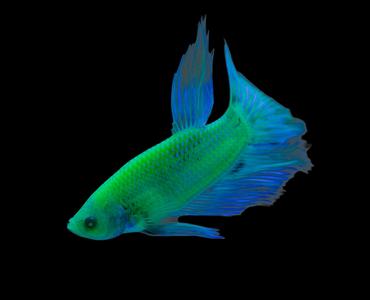
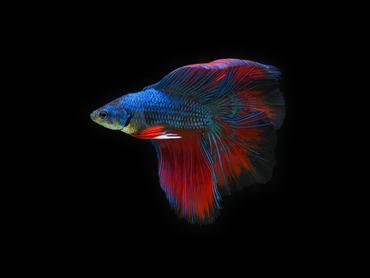
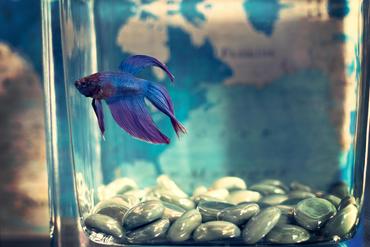
- Betta Fish: Ideal for beginners, Bettas are known for their vibrant colors and individual personalities. They are slow-moving and interactive, often recognizing their owners.
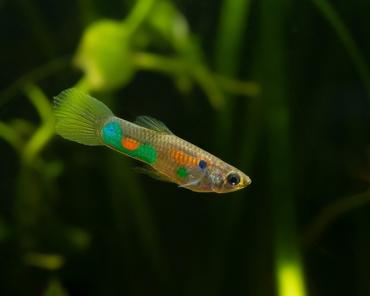
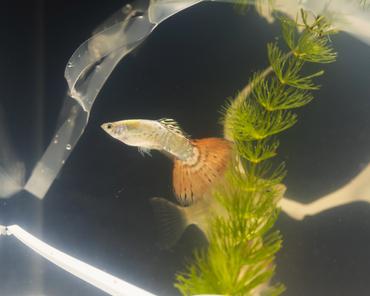
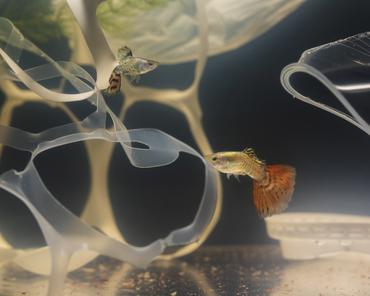
- Fancy Guppies: These fish provide a constant but gentle flurry of color. Their active nature is engaging without being frantic, making them great for visual stimulation.
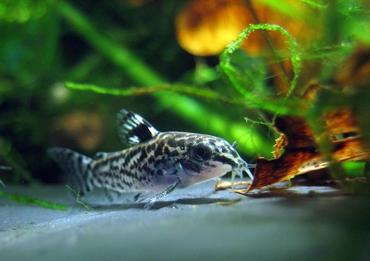
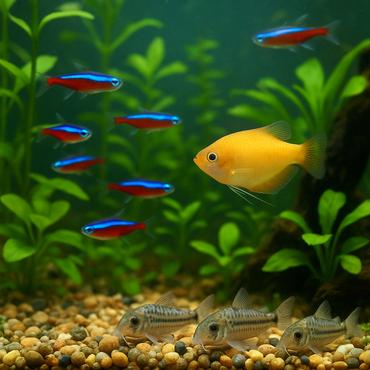
- Corydoras Catfish: These peaceful bottom-dwellers are the "puppies" of the fish world. Watching them sift through sand is incredibly grounding and rhythmic.
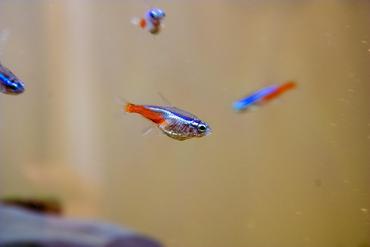
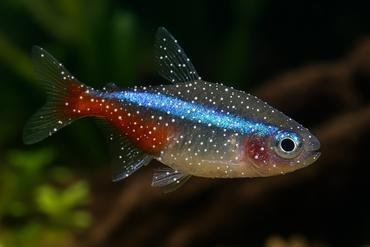
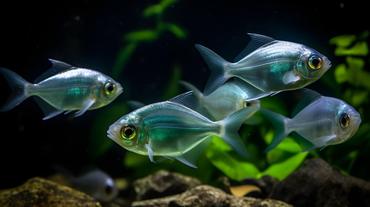
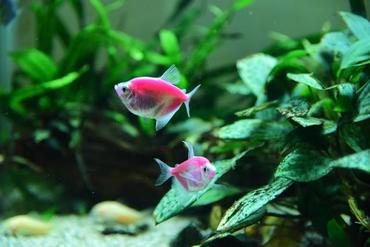
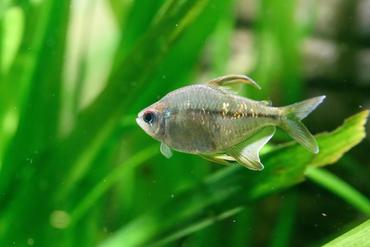
- Neon or Cardinal Tetras: A large school of these fish creates a shimmering, coordinated movement that is almost hypnotic to watch.
- Honey Gouramis: These are peaceful, curious fish that use their feeler-like fins to explore their environment, providing a slow-paced and fascinating display.
When selecting your inhabitants, it is helpful to consult a list of top 10 beginner-friendly freshwater fish to ensure you are choosing species that will not cause unnecessary stress due to difficult care requirements. A healthy fish is a beautiful fish, and keeping things simple at the start ensures that the hobby remains a source of joy rather than a source of worry.
Compatibility and Care: Building a Stress-Free Ecosystem
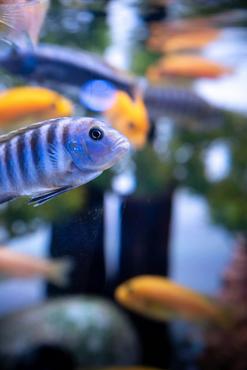
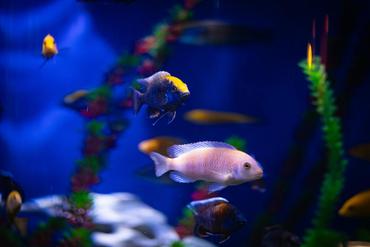
The most significant hurdle to a therapeutic aquarium experience is an unstable tank environment. If fish are constantly fighting or dying, the aquarium becomes a source of distress rather than relief. Compatibility is the cornerstone of a peaceful tank. This means choosing fish that occupy different levels of the aquarium (top, middle, and bottom) and ensuring that none of them are prone to "fin nipping" or territorial aggression. For instance, while some Cichlids are stunning, their aggressive nature might be too high-energy for a tank meant to manage anxiety.
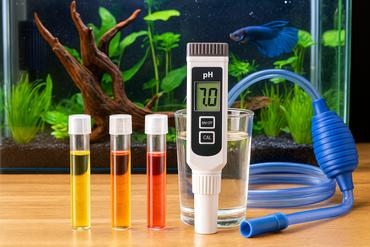
Water quality is the second pillar of a successful therapeutic tank. Fluctuating parameters can lead to algae blooms or sick fish, both of which are visually and emotionally draining for the keeper. Understanding the nitrogen cycle is non-negotiable for anyone entering the hobby. By maintaining a consistent testing schedule, you can catch issues before they become emergencies. For a comprehensive look at the science behind your water, refer to a freshwater water parameter guide to keep your ecosystem in check.
To keep the care routine from becoming a chore, consider these practical tips:
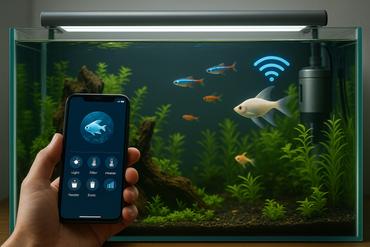
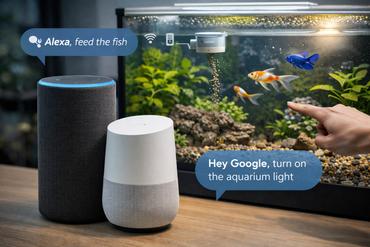
- Automate where possible: Use timers for your lights to ensure a consistent day/night cycle without having to remember to flip a switch.
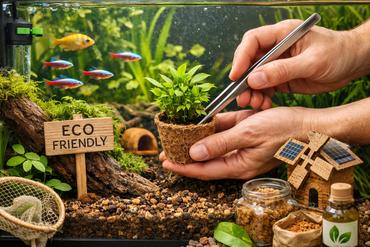
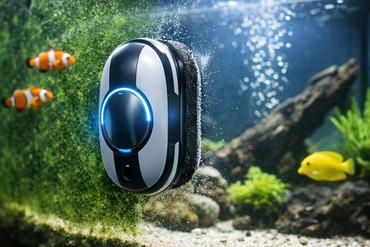
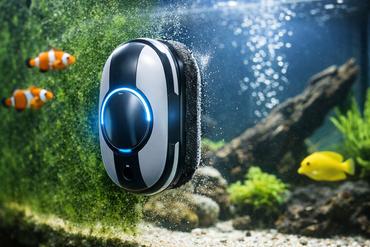
- Invest in the right tools: A long-handled algae scraper and a reliable gravel vacuum make maintenance faster and less messy.
- Keep a logbook: Writing down your water test results and when you performed maintenance can help clear the "mental clutter" for those with ADHD.
- Set a "Observation Time": Dedicate 10 minutes a day just to sit and watch. This is when you will notice early signs of illness or stress in your fish, and it doubles as your daily therapy session.
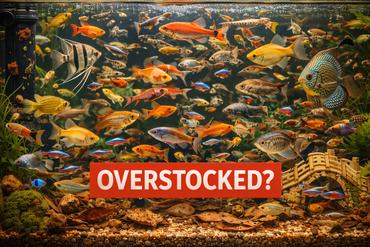
- Avoid overstocking: A crowded tank is harder to keep clean and increases the likelihood of fish conflict. Less is often more in a therapeutic setup.
The Ripple Effect: Embracing the Therapeutic Tank
In conclusion, an aquarium is far more than a decorative piece of furniture; it is a living, breathing ecosystem that can provide profound psychological support. By lowering anxiety through visual and auditory "blue space" effects, providing a structured routine for those with ADHD, and offering a customizable environment for sensory regulation, fishkeeping addresses a wide range of mental health needs. The key to success lies in starting slowly, choosing compatible species, and viewing the maintenance process as an act of self-care rather than a series of chores. As you watch your underwater world flourish, you may find that the patience and care you invest in your fish are reflected back in your own sense of calm and focus.
If you are ready to start your journey, begin by researching the species that resonate most with you and planning a setup that fits your lifestyle. Whether you choose a lush planted tank or a simple community of colorful guppies, the therapeutic rewards are waiting just beneath the surface. Take the time to observe, learn, and grow alongside your aquatic companions, and you will discover that the most beautiful part of the hobby is the peace it brings to your home.
MOST RECENT ARTICLES