DECODING FISH BODY LANGUAGE

Decoding Fish Body Language
Fish may not bark, chirp, or meow, but they communicate constantly through movement, posture, swimming patterns, coloration, and social behavior. For beginner and intermediate aquarium hobbyists, learning how to decode fish body language is one of the most important skills you can develop. Fish behavior often reveals stress, illness, aggression, fear, breeding readiness, poor water quality, or compatibility problems long before visible symptoms appear. A fish hovering near the surface, hiding behind decorations, or suddenly becoming aggressive is usually trying to tell you something. By understanding these signals, hobbyists can prevent disease outbreaks, reduce stress, improve compatibility, and create healthier aquariums overall. Whether you keep peaceful community fish, territorial cichlids, goldfish, or reef species, learning to interpret fish body language transforms aquarium keeping into a much more rewarding and interactive experience.

Why Fish Behavior Is So Important in Aquarium Keeping

Many beginners focus heavily on equipment, filtration, and water testing while overlooking fish behavior entirely. Although maintaining proper water quality is essential, fish body language often provides the earliest warning signs that something is wrong inside the aquarium.

Fish constantly react to changes in their environment. Poor water quality, aggressive tank mates, overcrowding, unstable temperatures, and even excessive lighting can influence their behavior. Experienced aquarists often notice unusual swimming patterns or posture changes before water test kits reveal measurable problems.

For example, fish gasping near the surface may indicate low oxygen levels or elevated ammonia. Fish rubbing against decorations and substrate may be dealing with parasites or skin irritation. A normally active fish that suddenly hides all day could be stressed or sick.

One of the most valuable habits any aquarist can develop is spending a few minutes observing the aquarium daily. This helps establish what is normal behavior for each species. Once you know how your fish typically behave, unusual actions become much easier to identify.

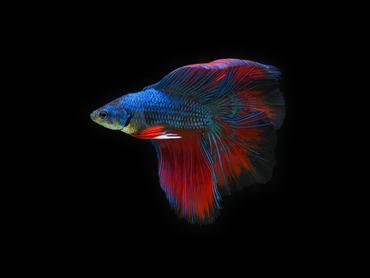
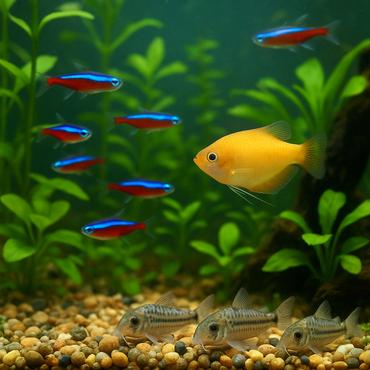
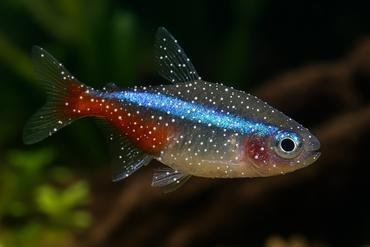
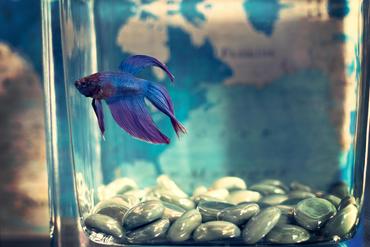
Different fish communicate in different ways. Bettas flare their fins and gill covers to display dominance. Schooling fish such as Neon Tetras and Harlequin Rasboras tighten their formation when stressed. Cichlids use posture and territory patrols to communicate aggression or breeding behavior.

Some of the most common stress signals in aquarium fish include:

  • Rapid breathing or heavy gill movement
  • Clamped fins held tightly against the body
  • Loss of appetite or spitting out food
  • Hiding excessively behind decorations or plants
  • Glass surfing or repetitive pacing behavior
  • Sudden aggression toward tank mates

Many hobbyists mistakenly dismiss these behaviors as “fish acting weird” when they are often signs of stress or environmental problems that require attention.

If you are still learning the basics of fish care and aquarium management, the article What Are Good Freshwater Fish For Beginners offers practical guidance for choosing hardy species and maintaining stable aquarium conditions.

Understanding Common Fish Body Language Signals

Fish communicate primarily through posture, swimming style, coloration, and fin movement. Once you begin recognizing these patterns, aquarium behavior becomes much easier to interpret.

Fin position is one of the clearest indicators of fish mood and health. Healthy, relaxed fish generally display open, fully extended fins while swimming comfortably throughout the aquarium. Fish holding their fins tightly against the body are often stressed, frightened, or ill.

Swimming behavior is equally important. Active species that suddenly become lethargic may be experiencing water quality issues, illness, or bullying. Fish darting frantically around the aquarium often indicate fear or aggression.

Color changes can also reveal emotional and physical condition. Many fish intensify their coloration during breeding or territorial displays. On the other hand, faded colors often suggest stress, illness, or poor environmental conditions.

Common body language examples in popular aquarium fish include:

  • Bettas flaring fins and gill plates during territorial displays
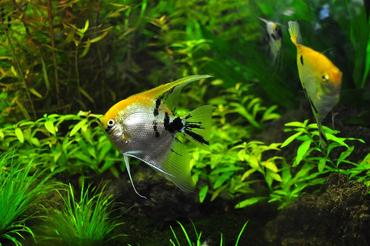
  • Angelfish locking lips during dominance disputes
  • Discus darkening in color when stressed
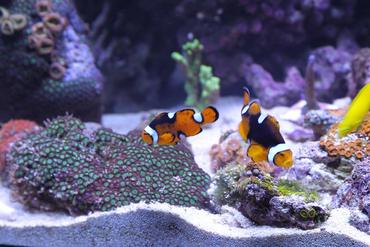
  • Clownfish twitching as submissive behavior
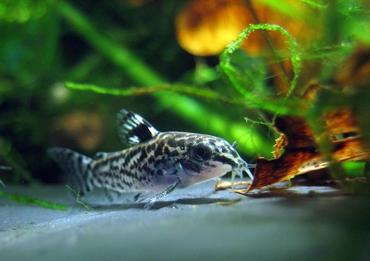
  • Corydoras resting together when comfortable and secure

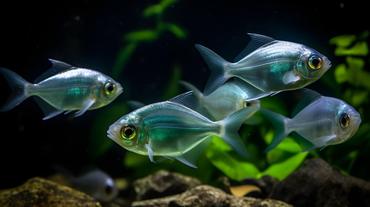
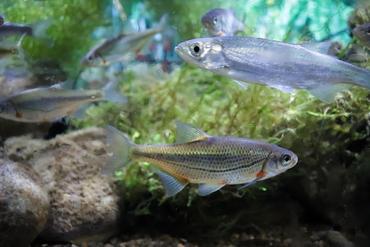
Schooling fish provide especially useful behavioral clues. Tight schooling often means the group feels threatened or uncomfortable, while relaxed swimming with occasional separation usually indicates confidence and security.

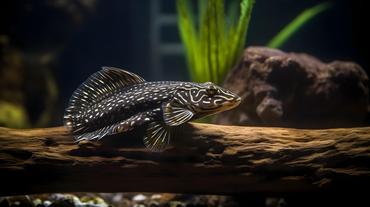
One common beginner mistake is confusing natural behavior with illness. For example, Kuhli Loaches and many Plecos naturally hide during the day because they are nocturnal species. This behavior is normal and not usually a cause for concern.

Likewise, occasional chasing among territorial fish is often part of establishing social hierarchy rather than true aggression. The key is determining whether weaker fish can still feed properly and move around the aquarium without constant harassment.

The article Understanding the Nitrogen Cycle also helps explain how poor water conditions influence fish stress and unusual behavior patterns.

Stress Behaviors and Early Warning Signs

Stress is one of the leading causes of disease in aquarium fish. Fish under constant stress experience weakened immune systems, reduced appetite, poor coloration, and increased vulnerability to parasites and infections.

One challenge for hobbyists is that fish often hide illness until conditions become severe. In the wild, visibly weak fish are easy targets for predators, so many species instinctively mask symptoms as long as possible.

Behavioral changes are usually the first indication that something is wrong.

A stressed fish may:

  • Refuse food or eat less aggressively
  • Hover near filter outputs seeking oxygen
  • Separate itself from schooling groups
  • Scratch against rocks or substrate
  • Hide constantly in corners or caves
  • Display faded or unusually dark coloration

Poor water quality is one of the most common causes of stress behavior. Elevated ammonia or nitrite levels can cause fish to gasp near the surface, clamp fins, or become sluggish.

Temperature fluctuations are another major trigger. Tropical species such as Rams, Discus, and Cardinal Tetras are particularly sensitive to sudden changes. Even small swings in temperature can increase stress significantly.

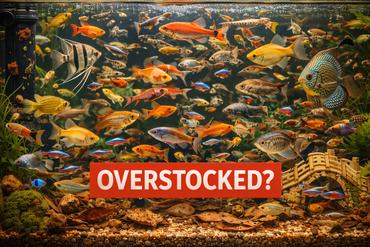
Overcrowding also affects body language dramatically. Fish kept in cramped tanks often become territorial, hyperactive, or nervous because they lack personal space and stable territories.

A real-world example many beginners encounter involves mixing Tiger Barbs with slower, peaceful fish such as Angelfish or Gouramis. The Tiger Barbs may constantly nip fins and chase tank mates, causing the slower fish to hide, stop eating normally, and develop chronic stress behaviors.

Fish behavior can also reveal filtration or oxygenation problems. If multiple fish suddenly gather near the filter outlet or water surface, oxygen levels may be dropping because of insufficient water movement or failing equipment.

Monitoring feeding behavior is especially useful because healthy fish usually respond quickly and confidently during feeding time. Fish that hesitate, spit out food, or remain hidden should be monitored carefully.

The article Tips for Getting Fussy Fish to Eat explains how appetite changes often relate to stress, environmental conditions, and early illness symptoms.

Social Dynamics, Schooling, and Territorial Displays

Fish are surprisingly social animals, and their body language often reflects complex interactions within the aquarium. Understanding these social behaviors helps hobbyists maintain peaceful and compatible communities.

Schooling fish rely heavily on group behavior for security. Species such as Rummy Nose Tetras, Harlequin Rasboras, and White Cloud Mountain Minnows feel safer in groups and display more natural behavior when kept in proper numbers.

A relaxed school usually moves smoothly throughout the aquarium with coordinated but loose swimming patterns. Tight clustering or frantic darting often indicates stress, fear, or the presence of aggressive tank mates.

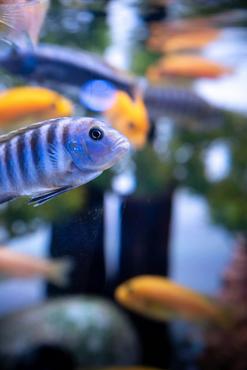
Territorial species communicate differently. African Cichlids, Bettas, and some Gouramis establish dominance through fin displays, chasing, body posture, and color enhancement.

For example, male Bettas flare their fins and expand their gill covers to appear larger during territorial disputes. Cichlids may patrol caves, dig substrate, or repeatedly chase fish away from specific areas of the tank.

Breeding behavior also creates dramatic body language changes. Many species become more colorful and defensive when preparing to spawn.

Common breeding-related behaviors include:

  • Cleaning flat rocks or leaves for egg laying
  • Digging pits in substrate
  • Guarding caves or nesting areas
  • Performing synchronized swimming displays
  • Chasing tank mates away from breeding territories

A frequent beginner mistake is assuming all chasing behavior is dangerous aggression. In reality, many fish naturally establish hierarchies and territories. The important factor is whether weaker fish still have opportunities to eat, rest, and avoid constant stress.

Problems occur when fish sustain injuries, remain hidden continuously, or stop feeding because of harassment.

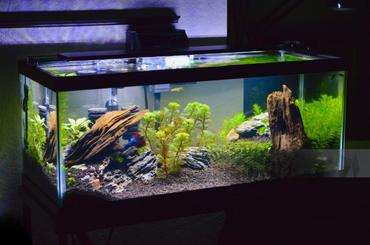
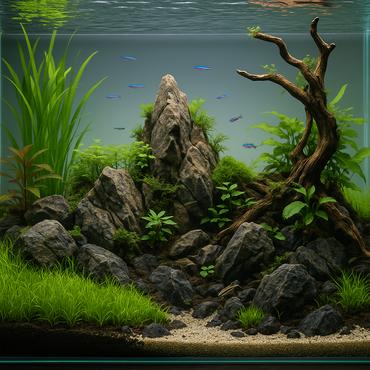
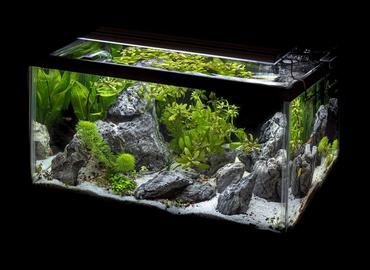
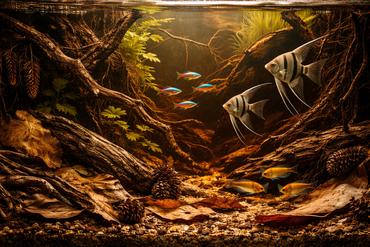
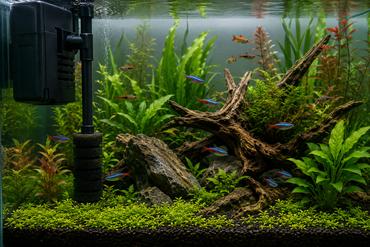
Aquascaping strongly influences fish behavior as well. Plants, driftwood, caves, and rock formations break up lines of sight and help reduce territorial conflict.

The article Aquascaping Tips to Reduce Aggression in Fish provides practical strategies for using tank design to minimize stress and improve fish compatibility.

Compatibility and Care Considerations

Understanding fish body language becomes especially important in community aquariums where multiple species interact constantly. Compatibility issues often appear through subtle behavioral changes long before visible injuries occur.

Fish that hide continuously, lose color, avoid feeding areas, or isolate themselves may be intimidated by aggressive tank mates even if direct attacks are not obvious.

Peaceful species such as Corydoras Catfish, Cherry Barbs, and Neon Tetras generally display calm, relaxed body language in stable aquariums. Aggressive species such as Convict Cichlids or Red Devil Cichlids require careful planning and close monitoring because of their territorial tendencies.

One of the biggest beginner mistakes is choosing fish based only on appearance without researching behavior and adult size. A juvenile fish may appear peaceful in a store but become highly aggressive or extremely large later.

For example, Bala Sharks are often sold as small community fish but eventually become large, fast swimmers requiring significant space and compatible tank mates. Some Plecos also grow much larger than beginners expect and may become territorial in smaller aquariums.

When monitoring compatibility, hobbyists should:

  • Watch carefully during feeding time
  • Check for torn fins or bite marks
  • Observe nighttime activity in nocturnal species
  • Ensure weaker fish are not constantly isolated
  • Monitor hiding behavior and territory disputes

Tank layout also affects compatibility significantly. Fish feel safer when they have access to caves, plants, driftwood, shaded areas, and visual barriers.

Overstocking often increases stress-related behaviors dramatically. Crowded tanks typically experience more aggression, poor water quality, and suppressed immune systems.

Species-specific behavior is equally important. Goldfish constantly forage through substrate and may uproot plants, while Bettas prefer gentle water flow and can become stressed in tanks with strong current.

By understanding these behavioral differences, hobbyists can create aquariums where fish display natural, relaxed body language instead of constant stress signals.

How Observation Helps Prevent Aquarium Problems

Daily observation is one of the most effective tools in aquarium keeping. Spending just a few minutes watching your fish each day helps you identify problems early before they become serious.

Experienced aquarists often notice subtle warning signs before disease outbreaks occur. A fish hanging near the heater, swimming awkwardly, or refusing food may already be showing early symptoms of illness or environmental stress.

Observation also helps hobbyists understand species personality and routine behavior. Many fish develop recognizable feeding habits, swimming patterns, and social interactions over time.

For example, healthy Corydoras Catfish typically sift through substrate together searching for food. If one suddenly isolates itself and breathes heavily, it may indicate stress or illness.

Likewise, a Betta that suddenly stops exploring the aquarium and spends most of its time floating near the surface may signal poor water quality or temperature instability.

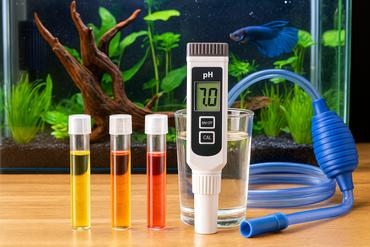
Many beginners rely too heavily on water testing alone. While water tests are essential, fish body language often reveals immediate environmental problems long before measurable changes appear.

Feeding time is especially valuable for observation because appetite is closely connected to fish health. Healthy fish usually approach food confidently, while stressed or sick fish often hesitate or avoid feeding areas entirely.

Aquarium lighting schedules can also influence body language. Fish deprived of proper day-night cycles may become inactive, nervous, or unusually aggressive.

The more familiar you become with fish behavior, the easier it becomes to maintain a healthy and balanced aquarium.

Final Thoughts on Decoding Fish Body Language

Fish constantly communicate through posture, swimming patterns, coloration, social interaction, and movement. Learning to decode fish body language allows aquarium hobbyists to identify stress, illness, aggression, environmental problems, and compatibility issues long before they become severe.

Whether you keep peaceful freshwater community tanks, aggressive cichlids, reef aquariums, or planted aquascapes, daily observation is one of the most powerful tools available for improving fish health and aquarium stability.

By understanding species-specific behavior, maintaining proper water conditions, and responding quickly to warning signs, hobbyists can create aquariums where fish feel secure, active, and healthy. Over time, you will begin noticing subtle behavioral patterns that make fishkeeping far more rewarding and interactive.

For more aquarium care guides, fish compatibility advice, aquascaping ideas, and beginner-friendly tutorials, continue exploring the expert resources available throughout RateMyFishTank.com and keep building your knowledge with every aquarium you maintain.
MOST RECENT ARTICLES

Wabi Kusa for Beginners
WABI KUSA FOR BEGINNERS
Wabi Kusa has become one of the most creative and relaxing trends in the aquarium hobby, blending aquascaping, terrarium design, and nature-inspired artistry into a compact living display.
The Dark Start Method
THE DARK START METHOD
The Dark Start Method: A Smarter Way to Start a Planted Aquarium Starting a new aquarium is exciting, but many hobbyists quickly run into one frustrating problem: algae outbreaks.
The In-Wall Evolution
THE IN-WALL EVOLUTION
In-wall aquariums have undergone a major transformation over the years, evolving from complicated luxury installations into practical and highly rewarding aquarium systems for hobbyists of all experience levels.

Rate This Tank:

GENERAL AQUARIUM ARTICLES
Automated Glass Care: A review of the latest robotic glass cleaners
Keeping aquarium glass clean is one of the most common challenges for beginner and intermediate hobbyists.
Top 10 Nano Predators (and How to Keep Them Peacefully)
The allure of the predatory fish has long been a driving force in the aquarium hobby, drawing enthusiasts toward the raw, primal energy of nature's most efficient hunters.
Community Fish Compatibility Guide
Creating a thriving community aquarium is one of the most rewarding aspects of the fish-keeping hobby, but it requires much more than simply picking out the most colorful fish at the local pet store.
Blackwater Aquariums: How Tannins Improve Fish Health and Reduce Stress
The mysterious, tea-colored depths of a blackwater aquarium may look "dirty" to the uninitiated, but for many tropical fish species, these tannin-rich environments are a slice of paradise.
Top Fish for Community Tanks
Creating a thriving community aquarium is one of the most rewarding experiences in the fish-keeping hobby, offering a dynamic window into a complex underwater ecosystem.
Small But Mighty: A Guide to Keeping the Everglades Pygmy Sunfish (Elassoma evergladei)
Deep within the slow-moving blackwater swamps and densely vegetated ditches of the Southeastern United States dwells a tiny titan that has captured the hearts of nano-aquarium enthusiasts worldwide: the Everglades Pygmy Sunfish (Elassoma evergladei).
Walstad vs High-Tech Tanks: Which Is Better for Beginners?
If you’re new to planted aquariums, you’ve probably come across two very different approaches: the low-tech, natural Walstad method and the equipment-driven high-tech planted tank.
What Are GloFish and How Do You Care for Them?
Bright, glowing fish that look like they belong in a science fiction movie have become a familiar sight in modern aquariums.
Beginner-Friendly Oddball Fish: Unique Species That Work in Small Tanks
Want something cooler than guppies and tetras in your small aquarium, but not ready for ultra-demanding species?
AI and Smart Technology in Aquariums: The Future of Fishkeeping
Technology is transforming the aquarium hobby faster than ever before.
How to Build an Automatic Fish Feeder
Every aquarium hobbyist knows the subtle anxiety that creeps in the moment you lock your front door for a weekend getaway or a well-deserved vacation.
Aquarium Science Myths: 10 Outdated Fishkeeping Rules You Should Stop Following
The world of fishkeeping has evolved dramatically over the last few decades, moving away from anecdotal "old wives' tales" toward a more rigorous, science-based approach to aquatic husbandry.
History Of Fish Keeping As A Hobby
Fish keeping is one of the world’s oldest and most enduring hobbies, blending art, science, and a deep fascination with aquatic life.
CO2 for Planted Aquariums: A Beginner’s Guide to Healthier, Faster Growth
While many aquarium hobbyists start their journey with low-light plants like Anubias or Java Fern, they often find themselves wondering why their tanks do not look like the lush, vibrant underwater jungles seen in professional aquascaping competitions.
Betta Fish in a Planted Tank: Setup, Care & Mistakes to Avoid
The Betta fish, with its cascading fins and kaleidoscopic colors, has long been the victim of the "bowl" myth, but modern aquarists are finally recognizing that these intelligent, labyrinth-breathing creatures truly flourish when placed in a living, breathing ecosystem.
Aquascaping Tips to Reduce Aggression in Fish
Walking into a room and seeing a beautifully scaped aquarium is supposed to be a Zen experience, but for many hobbyists, that peace is shattered by the sight of a dominant fish relentlessly chasing its tank mates.
Fish Compatibility Checker: How to Build Peaceful Freshwater and Saltwater Communities
Starting a new aquarium is one of the most exciting moments in the hobby, but nothing halts that enthusiasm faster than waking up to find a once-vibrant community decimated by aggression or stress.
Vertical Wall Aquariums 2026
Vertical wall aquariums are becoming one of the most talked-about aquarium design trends in 2026, especially for hobbyists who want to maximize style without sacrificing floor space.
Aquarium Water Changes: How Often and How Much?
Maintaining a thriving aquarium is often described as a balancing act, and no single task is more critical to that balance than the routine water change.
Father Fish–Style Natural Aquariums: What Beginners Should Know
Natural aquariums are often described as “set it and forget it,” but the truth is calmer and more practical: you trade constant cleaning for thoughtful setup, steady habits, and time.
Fishkeeping for Renters
For many aquarium enthusiasts, the dream of a massive 100-gallon reef tank or a sprawling African Cichlid wall often hits a significant roadblock: a standard residential lease agreement.
Sustainable & Ethical Fishkeeping
Bringing a slice of the underwater world into your home is a rewarding experience, but as the hobby grows, so does our responsibility to ensure that our passion doesn’t come at the expense of the environments we admire.
The Zen of Aquascaping: Using Iwagumi Principles for Mindfulness and Stress Relief
In the modern world, the constant noise of digital notifications and the fast-paced demands of daily life often leave us searching for a sanctuary where we can reclaim a sense of peace.
Best Fish for a 10-Gallon Tank with Plants: A Complete Guide for Beginners
Starting a 10-gallon aquarium is one of the most exciting entry points into the fish-keeping hobby, offering a perfect balance between a manageable footprint and enough space to create a thriving underwater ecosystem.
The Therapeutic Tank: How Fishkeeping Helps Manage ADHD, Anxiety, and Sensory Processing Disorders
For many aquarium enthusiasts, the hobby begins with the simple desire to bring a piece of the natural world indoors, yet they quickly discover that the rhythmic swaying of aquatic plants and the gentle glide of fish offer much more than aesthetic appeal.
How to Keep Your Tank Safe During a Power Outage
A power outage is every aquarium hobbyist’s worst nightmare, often striking at the most inconvenient times—during a summer thunderstorm or a winter blizzard.
Creative hacks to keep your aquarium clean
Let’s be honest: while we all love the tranquil beauty of a thriving underwater ecosystem, very few of us actually enjoy the back-breaking labor of scrubbing algae at 10:00 PM on a Sunday.
Eco-Friendly Aquarium Guide: Energy-Saving Gear and Responsible Stocking
The aquarium hobby offers a unique window into the wonders of the aquatic world, but as any seasoned hobbyist knows, maintaining a slice of the ocean or a tropical river in your living room requires a significant amount of resources.
How to Fix Cloudy Water Fast (White, Green & Yellow Water Explained)
There is perhaps no greater disappointment for an aquarium enthusiast than approaching a carefully curated tank only to find the view obscured by a thick, mysterious haze.
Cherry Shrimp Care for Beginners: Tank Setup, Water, and Breeding Tips
Cherry shrimp (Neocaridina davidi) have revolutionized the freshwater aquarium hobby, transforming the way enthusiasts view small-scale ecosystems.
Blackwater & Biotope Aquariums (Natural-Style Boom)
For decades, the gold standard of the home aquarium was a pristine, crystal-clear box of water, often decorated with neon gravel and plastic plants that bore little resemblance to the wild.
The Psychology of Fishkeeping: How Visual Rhythms in Aquascaping Reduce Human Stress
Fishkeeping is often seen as a relaxing hobby, but it offers far more than simply a means to pass the time.
Aquarium Photography: Pro Tips for Capturing the Perfect Tank Shot
Capturing your aquarium in all its vibrant glory is a goal many aquarium hobbyists strive for.
Computer Vision for Fish Health
Aquarium hobbyists have always relied on careful observation to keep their fish healthy.
Zero-Waste Fishkeeping: Repurposing aquarium
Aquarium keeping is a hobby built around creating a tiny ecosystem inside glass walls—but many hobbyists overlook how much usable material their tanks produce.
Father Fish Method Explained: Does It Really Work?
The aquarium hobby is full of different philosophies, but few have sparked as much curiosity—and debate—as the “Father Fish Method.
Off-Grid Aquarium Systems
Off-grid aquarium systems are becoming increasingly popular among hobbyists who want greater independence, sustainability, and resilience in their fishkeeping routines.
Is My Fish Stressed? A 10-Minute Checklist to Prevent Emergencies
Walking into a room and seeing your fish acting unusual can be a heart-sinking experience for any hobbyist.
Best Fish for a 10-Gallon Tank with Plants: Top Choices for a Thriving Nano Aquarium
Starting a 10-gallon aquarium is one of the most exciting entries into the fish-keeping hobby, offering a perfect balance between a manageable footprint and enough space to create a stunning underwater garden.
Aquarium Water Chemistry Made Simple: pH, Hardness, and Healthy Fishkeeping
Walking into a local fish store and seeing a vibrant display of neon tetras or majestic angelfish is enough to make anyone want to dive headfirst into the aquarium hobby.
Top 10 Beginner-Friendly Freshwater Fish (Ranked by Ease of Care)
Diving into the world of freshwater aquariums is an exhilarating journey, but for many beginners, the initial excitement is often met with the daunting challenge of keeping their new aquatic residents alive and thriving.
Aquarium Temperature Guide: What’s Best for Your Fish?
Maintaining the perfect environment for your aquatic pets is a delicate balancing act, and temperature is arguably the most critical variable in the equation.
Spring Cleaning: How to Clean and Give Your Old Tank New Life
Keeping your tank clean is about more than just aesthetics - it also affects your fish.
How to Buy Aquarium Supplies Online
The transition from browsing the aisles of a local pet store to navigating the vast digital landscape of online aquarium retailers marks a significant milestone for any hobbyist looking to expand their aquatic horizons.
MANAGING "OLD TANK SYNDROME": REJUVENATING LONG-TERM ESTABLISHED SYSTEMS
As your aquarium matures, it’s natural to feel a sense of pride watching your aquatic ecosystem grow and thrive.
Tips for Spotting Signs of Distress in Your Fish Before It's Too Late
When you see signs of stress in your fish, you can then take steps to identify the source of that stress and then to resolve it before it becomes a major issue.
The Ethics of Captive Breeding: Supporting Sustainable Mariculture
As aquarium hobbyists, we share a passion for the underwater world.
The Medaka Fever
The Medaka Fever
The aquarium hobby is no stranger to trends, but every so often, a species emerges that captures the collective imagination of fishkeepers in a way that feels more like a revolution than a passing fad.
Freshwater Pipefish: The Challenge of Keeping the Sea Horse’s Cousin
For hobbyists who have spent years perfecting their community tanks and are looking for something truly extraordinary, the freshwater pipefish represents one of the most intriguing and rewarding challenges in the aquatic world.
Do You Know What You Are Feeding Your Fish?
Walking down the aquarium aisle of a local pet store can be a dizzying experience.
Conversational Aquariums: Integrating Voice Assistants (Alexa/Google) for hands-free feeding and lighting control
Modern aquarium technology is evolving quickly, and one of the most exciting trends for hobbyists is the rise of “conversational aquariums.
What You Need to Know About All-in-One Aquariums
For many aspiring aquarists, the sheer volume of equipment required to start a successful tank—sumps, plumbing, external filters, and lighting—can feel overwhelming.
Simple Tips for Building a Saltwater Tank Without Breaking the Bank
The allure of a saltwater aquarium is undeniable—the vibrant colors of a Coral Beauty Angelfish, the rhythmic pulsing of Xenia corals, and the fascinating symbiotic relationship between a Clownfish and its anemone are enough to captivate any nature lover.
The Right and Wrong Way to Catch Fish
There is perhaps no moment more stressful for both an aquarist and their aquatic residents than the sight of a blue mesh net dipping into the water.
Aquarium Fish Medications - Do or Don't?
Learn about how aquarium fish medications work and what diseases they may be used for.
The Classroom Aquarium Guide
Transforming a classroom with a living ecosystem is one of the most rewarding projects a teacher can undertake, offering a dynamic, hands-on window into biology, chemistry, and responsibility.
How Cycling the Tank Can Stress Your Fish
Setting up a new aquarium is one of the most exciting moments in the fishkeeping hobby, but it’s also where many beginners unknowingly create stressful — and sometimes deadly — conditions for their fish.
Captive-Bred Saltwater Gems
For decades, the saltwater aquarium hobby relied almost exclusively on wild-caught specimens harvested from coral reefs across the globe, a practice that often introduced high stress levels and acclimation challenges for the average hobbyist.
Smart Feeding for Slow Eaters
In the vibrant, fast-paced world of a home aquarium, feeding time can often resemble a chaotic underwater race where the fastest and boldest residents claim the lion's share of the resources.
Urban Fish Farming (Aquaponics 2.0)
Urban fish farming—often referred to as Aquaponics 2.
The Eco-Conscious Hobbyist
The modern aquarium hobby is evolving, and today’s fishkeepers are thinking beyond aesthetics to consider their environmental impact.
Predictive Analytics for pH Crashes
Maintaining a thriving aquarium is often described as a balancing act, but few things can tip the scales toward disaster faster than a sudden pH crash.
The Desk-Integrated Nano Tank
A desk-integrated nano tank is one of the most rewarding ways to enjoy the aquarium hobby without dedicating an entire room to a large setup.
3 Problems Every Aquarist Can Avoid
The transition from admiring a beautiful aquarium to successfully maintaining one is often marked by a series of "ah-ha" moments and, unfortunately, a few heartbreaks.
Beginner Aquarium Mistakes That Kill Fish in the First 30 Days
The first 30 days of owning an aquarium are often referred to as the "danger zone" for both the hobbyist and the fish.
Do You Need CO₂? Three Proven Paths to a Healthy Planted Tank
The lush, vibrant landscape of a masterfully scaped planted aquarium is often what draws newcomers into the hobby, but it is also the source of the most common question: do I really need a CO2 system to achieve this?
Brackish Aquariums for Beginners: Reliable Setups, Stocking, and Salinity Tips
The world of fishkeeping is often divided into two clear-cut camps: freshwater and saltwater.
Smart Planted Tanks: Budget Automation for Lighting, CO₂, and Safety
Maintaining a lush, vibrant planted aquarium often feels like a balancing act between a rewarding hobby and a full-time job.
Aquascaping for Beginners: Designing a Natural Underwater Landscape
Aquascaping is the transformative art of arranging aquatic plants, stones, driftwood, and substrate in a way that transcends the traditional fish tank, turning a glass box into a living, breathing underwater masterpiece.
Why Keep Aquarium Fish?
There is something inherently hypnotic about the slow, rhythmic movement of a well-maintained aquarium.
Aquarium Hardscape Guide: Dragon Stone, Seiryu, Spider Wood & More.
Creating a captivating underwater landscape is about more than just choosing the right fish; it is about building a foundation that mimics the natural world.
Driftwood in Aquariums: Benefits, Types, and How to Prepare It Safely
Adding a piece of driftwood to your aquarium is one of the most transformative decisions you can make as a hobbyist, shifting your tank from a simple glass box to a vibrant, living slice of nature.
Early Disease Identifications in the Tank
Maintaining a thriving aquarium is a rewarding journey, but even the most diligent hobbyist will eventually face the challenge of a sick fish.
Emergency Power Outages: How to Protect Your Aquarium
Few things strike fear into the heart of an aquarium hobbyist like a sudden power outage.
Low-Light Aquarium Plants for Beginners
The transition from a basic fish tank to a lush, living underwater garden is often the most rewarding milestone for any aquarium enthusiast.
The Benefits of Having a Nano Aquarium and Tips for Setting One Up
If you're fascinated by the beauty of aquatic life but think a full-sized aquarium might be too overwhelming, a nano aquarium could be the perfect solution.
Quarantine Tanks Explained: Why Most Fish Loss Happens in the First 30 Days
The first month after you bring home new fish is when most preventable losses happen—often because the fish are stressed, carrying hidden parasites, or placed into a tank that isn’t ready for them.
Fishless Cycling vs Fish-In Cycling: Which Method Is Best for Your Aquarium?
Setting up a new aquarium is one of the most exciting moments in the fishkeeping hobby—but it’s also where most beginners unintentionally make mistakes that lead to stressed fish, disease outbreaks, or early losses.
Why Your Aquarium Lighting Matters More Than You Think
For many new hobbyists, setting up an aquarium feels like a balancing act between water chemistry, filtration, and choosing the right fish.
Our Guide to How Often to Feed Aquarium Fish
One of the most common questions every aquarist asks—from the first-time Goldfish owner to the seasoned reef enthusiast—is exactly how often those hungry mouths should be fed.
What Is Driftwood Doing in Your Tank?
Adding a piece of driftwood to your aquarium is one of the most effective ways to transform a sterile glass box into a thriving, natural ecosystem.
Overstocking Myths vs Reality
Setting up a new aquarium is an exercise in restraint that many hobbyists, both beginners and seasoned veterans, find difficult to master.
Beyond the Naked Eye: Using AI and Vision Apps to Diagnose Fish Diseases Early
Every aquarium hobbyist knows the sinking feeling of approaching their tank in the morning only to see a prized Neon Tetra shimmying awkwardly or a Goldfish sporting a single, ominous white speck on its fin.
Voice-Controlled Aquariums: Integrating Your Tank with Alexa and Google Home
The modern aquarium hobby is undergoing a digital transformation that goes far beyond high-tech filters and LED lighting.
The Rise of Smart Leak Detection: Protecting Your Home from Aquarium Disasters
There is no sound more terrifying to an aquarium hobbyist than the slow, steady drip of water hitting a hardwood floor in the middle of the night.
Best Fish for a 10 Gallon Tank with Plants
Setting up a 10-gallon planted aquarium is one of the most rewarding projects a hobbyist can undertake, offering a perfect slice of nature that fits comfortably on a desk or side table.
Read more articles (88)

READ AQUARIUM ARTICLES