FISH COMPATIBILITY CHECKER: HOW TO BUILD PEACEFUL FRESHWATER AND SALTWATER COMMUNITIES
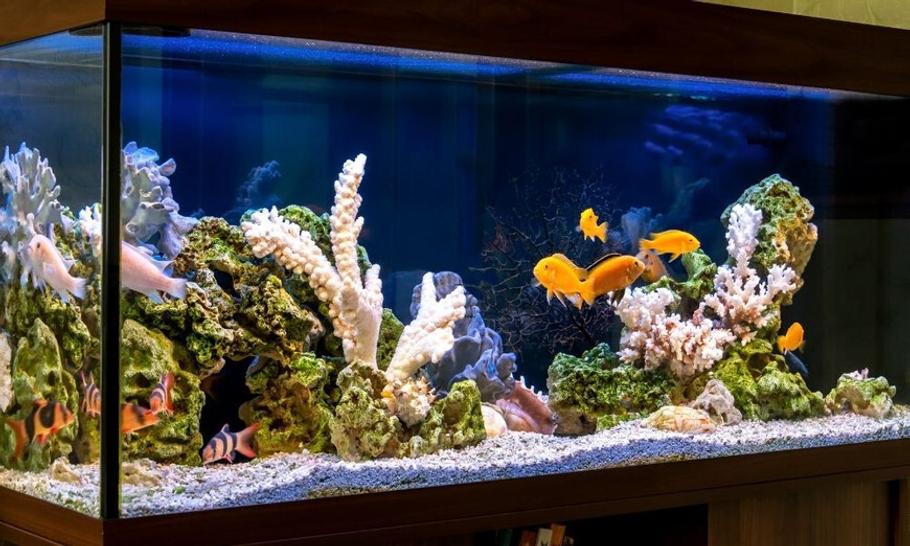
The Foundations of Freshwater Community Planning
Freshwater community tanks are the most popular entry point for hobbyists, but they offer a wide range of temperaments that can be difficult to navigate. To build a peaceful community, you must categorize your fish by their social behavior: schooling, shoaling, territorial, or aggressive. Understanding these labels is the first step toward long-term success. Many beginners assume that because fish are sold in the same section of a pet store, they can live together indefinitely. This is a dangerous misconception. In reality, fish are often grouped by size or price rather than biological compatibility.
When selecting freshwater species, you must consider the biological load and the physical space available. A 20-gallon tank cannot support the same social dynamics as a 75-gallon tank. In smaller volumes, territoriality is amplified because there is nowhere for a submissive fish to hide. For example, the Dwarf Gourami is often marketed as a peaceful community fish. While this is true in a 40-gallon heavily planted tank, putting two males in a 10-gallon tank will almost certainly result in the death of the weaker individual. This is why a "compatibility checker" mindset must always account for the specific dimensions of your aquarium.
Size Symmetry
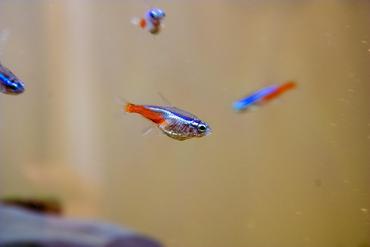
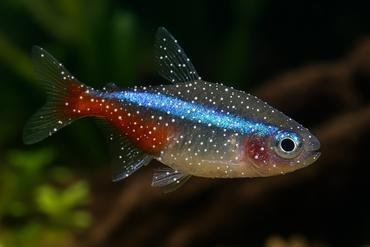
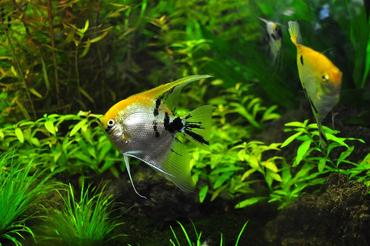
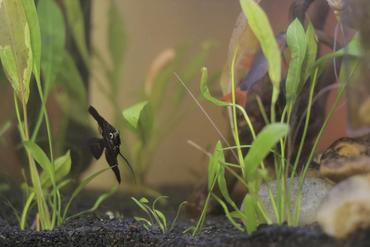
The most basic rule in any aquarium is that if a fish can fit another fish into its mouth, it eventually will. Even "peaceful" species like Angelfish will happily snack on Neon Tetras once the Angelfish reaches maturity. Always research the maximum adult size of your fish, not just the size they are at the store.
Activity Levels
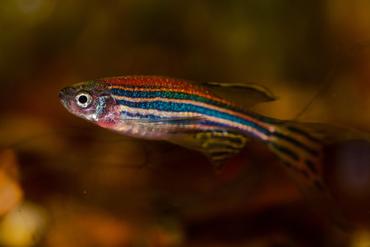
Avoid mixing high-energy swimmers with shy, slow-moving species. For example, Zebra Danios are incredibly active and can stress out timid Gouramis simply by darting around the upper levels of the tank. The constant motion can be perceived as a threat or simply make it difficult for slower fish to compete for food.
Temperature and Water Parameters
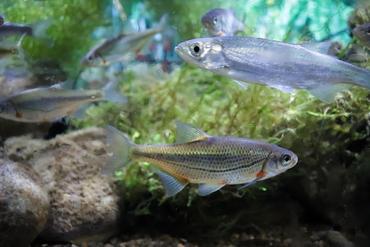
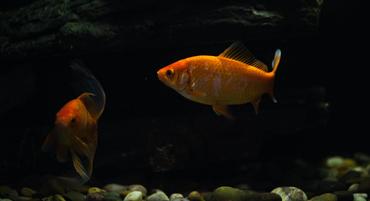
Compatibility isn't just about behavior; it is about biology. You should never mix "cool water" fish like White Cloud Mountain Minnows or Goldfish with tropical species like Discus that require temperatures in the mid-80s Fahrenheit. Keeping a fish outside its ideal temperature range weakens its immune system and leads to shortened lifespans.
pH and Hardness
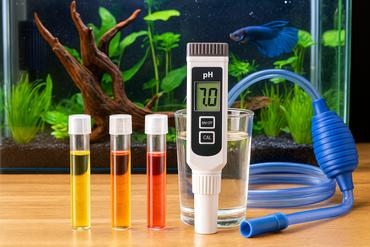
While many captive-bred fish are adaptable, mixing African Cichlids that crave hard, alkaline water with South American Tetras that prefer soft, acidic water is a recipe for chronic stress. Always check that your community members share a common "middle ground" for water chemistry.
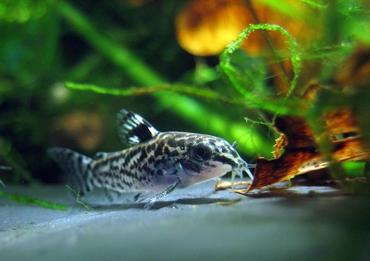
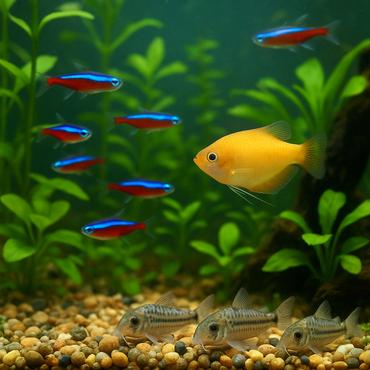
For a beginner-friendly freshwater community, consider mixing species that occupy different zones of the tank. A classic combination includes a school of Harlequin Rasboras for the mid-water, a group of Corydoras Catfish for the bottom, and a centerpiece Honey Gourami for the top. This distribution reduces competition for space and creates a visually balanced display where no single area of the tank feels overcrowded.
Saltwater Harmony: Navigating the Reef and FOWLR Landscapes
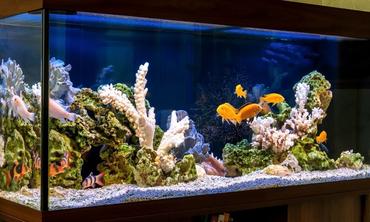
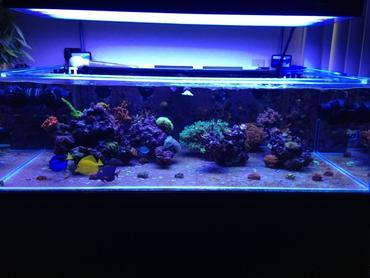
Saltwater compatibility is significantly more complex than freshwater because marine fish are often more territorial. In the wild, a single coral head might be the only home a fish has, leading to intense "turf wars" that translate directly into the home aquarium. Marine environments are generally more stable than freshwater ones, meaning saltwater fish have evolved to be less tolerant of environmental or social fluctuations.
In a Fish Only With Live Rock (FOWLR) or reef setup, you must account for the following nuances that are unique to the marine side of the hobby. One of the biggest challenges is the concept of "conspecific" aggression. Many saltwater species, such as Tangs or Angelfish, will not tolerate another member of their own species or even their own genus in the same tank. They see these look-alikes as direct competitors for the limited food and shelter available on a reef.
The "Same Shape" Rule
Many marine fish, particularly Tangs and Dwarf Angels, are most aggressive toward fish that share a similar body shape or color pattern. If you have a Yellow Tang, adding a similarly shaped Butterflyfish might trigger an aggressive response.
Invertebrate Safety
If you plan on having a reef tank, you must ensure your fish are "reef safe." Species like the Flame Hawkfish are peaceful toward other fish but will quickly devour your ornamental shrimp and snails. Conversely, some Angelfish are "reef safe with caution," meaning they might decide one day to start nipping at your expensive LPS corals.
Order of Introduction
This is a critical tactic for saltwater success. Always introduce the most passive species first (like Firefish, Blennies, or Gobies) and save the most territorial species (like Maroon Clownfish, Dottybacks, or Damselfish) for last. This allows the shy fish to establish hiding spots and "feel at home" before the "boss" arrives to claim the territory.
Niche Overlap
Ensure you aren't overstocking one specific niche. If you have three different species of bottom-dwelling gobies, they will likely fight over the same burrows. It is better to have one goby, one mid-water swimmer like a Chromis, and one rock-dweller like a Royal Gramma.
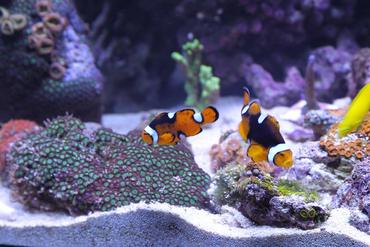
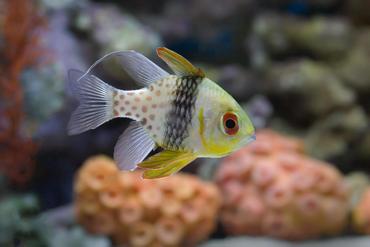
A great starting point for a 30-to-50-gallon saltwater community would be a pair of Ocellaris Clownfish, a Royal Gramma, and a Tailspot Blenny. These species generally ignore one another and inhabit different niches within the rockwork. If you find your marine inhabitants are acting out, it could be a sign of poor water quality or inadequate filtration. For more on this, check out our guide on properly maintaining your aquarium filter to ensure your saltwater system remains stable.
Environmental Design: Using Scape to Mitigate Aggression
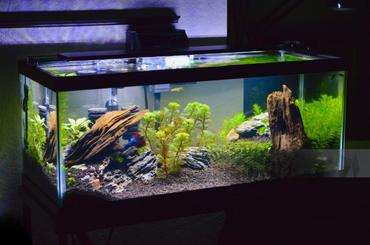
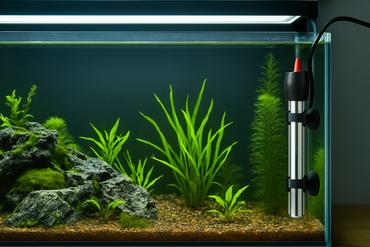
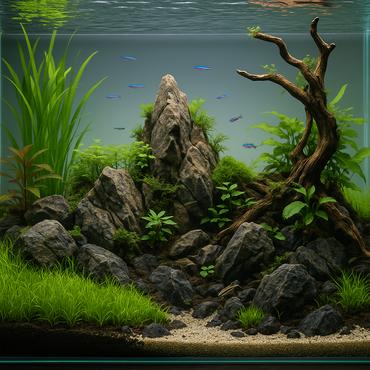
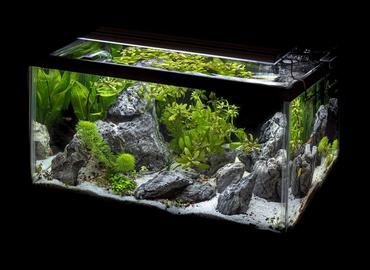
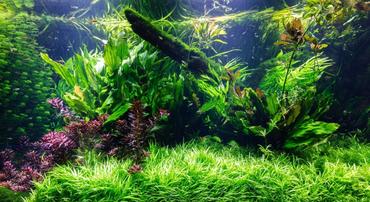
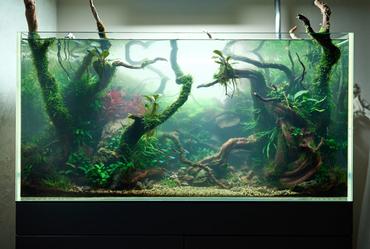
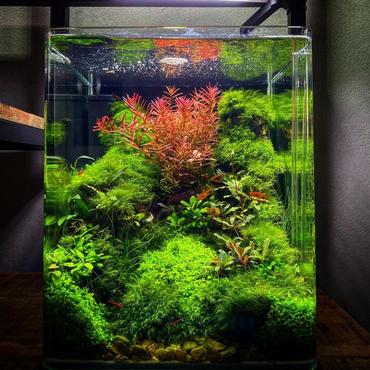
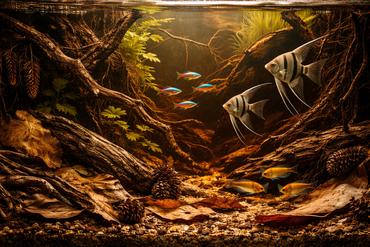
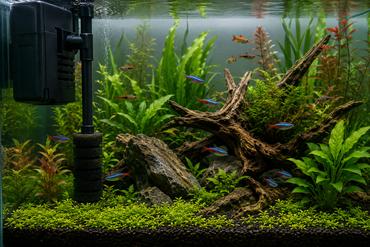
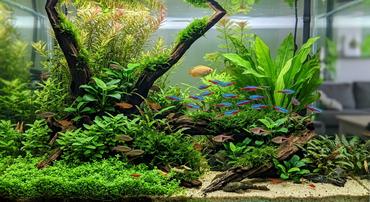
A major mistake intermediate hobbyists make is blaming a fish's personality for aggression when the real culprit is the tank's physical layout. You can use your "hardscape"—the rocks, wood, and plants—to act as a natural fish compatibility checker by breaking lines of sight. In an open tank with no cover, a dominant fish can see every other inhabitant at all times, which often triggers a constant "chase" instinct.
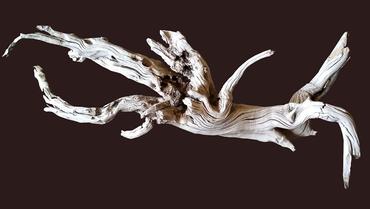
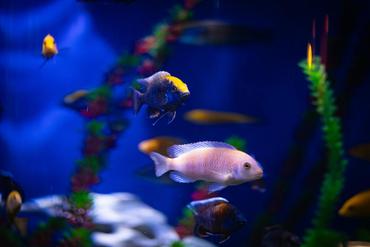
If a dominant fish can see its rival from across the tank, it is more likely to give chase. By using tall plants like Amazon Swords, Vallisneria, or large pieces of driftwood, you create visual barriers. This allows a bullied fish to disappear from the aggressor's view, ending the pursuit. For territorial species like African Cichlids or Kribensis, providing more caves than there are fish is essential. When every fish has a "home base" where it feels secure, the need to fight over territory diminishes significantly. Think of it as providing "apartments" for your fish; if there are more apartments than people, no one has to fight for a place to sleep.
The concept of "dither fish" is another environmental tactic. Dither fish are usually hardy, active schooling fish (like Giant Danios or certain Tetras) that stay out in the open. Their presence signals to shyer, more aggressive-prone fish that there are no predators nearby. If the "scouts" are swimming peacefully in the open, the more territorial fish are likely to relax. However, this only works if the tank is large enough to support the extra bio-load.
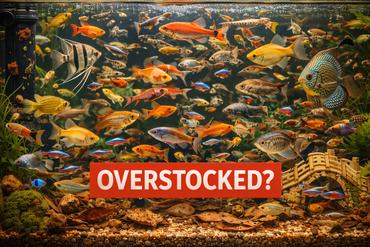
Furthermore, overstocking is a common pitfall that ruins compatibility. While some experts use "controlled overstocking" to manage aggression in specific setups (like Lake Malawi Cichlid tanks), for the average hobbyist, it leads to poor water quality and heightened stress. High nitrate levels can make fish irritable and more prone to nipping. Regular maintenance is a cornerstone of peace; if your fish are stressed, they are more likely to be susceptible to illness. If you notice signs of illness following a bout of aggression, you may want to look into common freshwater fish diseases to see if environmental stress has compromised their immune system.
Advanced Compatibility: Dietary and Flow Considerations
Compatibility isn't just "will they fight?"—it's "can they thrive together in the long term?" This is where many intermediate hobbyists fail. They find fish that get along socially but have vastly different physiological needs. To truly master the fish compatibility checker, you must look at the "unseen" factors like diet and water movement.
Dietary Competition
Mixing a slow-eating predator with fast-moving omnivores often results in the predator starving. For example, a Leaf Fish or a Seahorse requires targeted feeding because they are slow and methodical. If you house them with greedy eaters like Barbs or Tangs, the fast fish will consume all the food before the specialist even realizes it's mealtime.
Specific Nutritional Needs
Mixing an Mbuna Cichlid (which needs a high-fiber, low-protein diet consisting mostly of algae) with high-protein eaters like Carnivorous Haps or Catfish can lead to fatal digestive issues like "Malawi Bloat." The Mbuna's long digestive tract cannot process high amounts of animal protein, leading to internal blockages.
Flow Rates and Fin Type
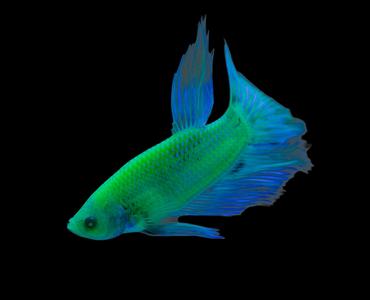
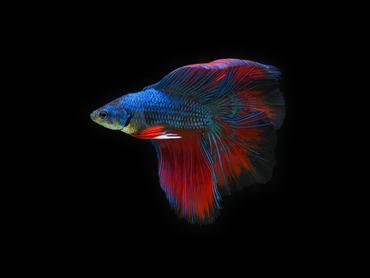
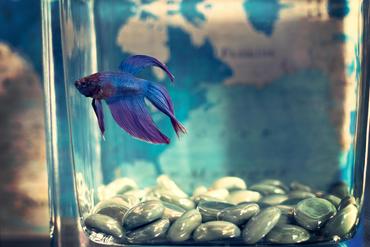
A Betta fish or a Fancy Goldfish with long, flowing fins will be miserable in a high-flow tank designed for Hillstream Loaches or African Rheophilic Cichlids. The constant struggle against the current will exhaust the long-finned fish, leading to stress and fin rot. Conversely, fish from fast-moving rivers need high oxygenation and flow to feel at home.
Light Sensitivity
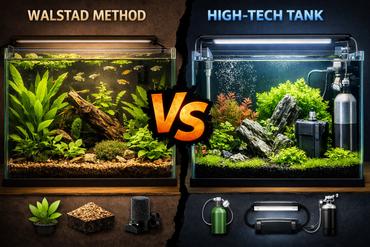
Some fish, like Black Ghost Knifefish or certain Catfish, are nocturnal and have light-sensitive eyes. If you keep them in a high-intensity reef tank or a "high-tech" planted tank without any shaded areas, they will remain stressed and hidden, often leading to poor health.
By aligning these environmental and dietary factors, you ensure that "peace" isn't just the absence of fighting, but the presence of health. A peaceful community where half the fish are malnourished is not a success. Always research the feeding habits and native habitats of your fish to ensure their daily routines are compatible.
Common Beginner Mistakes and the "Impulse Buy" Trap
Even with the best intentions, it is easy to fall for "impulse buys" at the fish store. The bright lights and beautiful displays are designed to make you want to bring a new friend home immediately. However, without a compatibility check, these purchases often end in heartbreak. Here are the most common compatibility errors we see at RateMyFishTank:
-
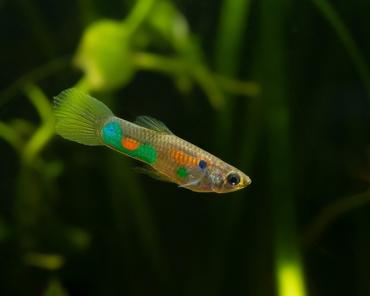
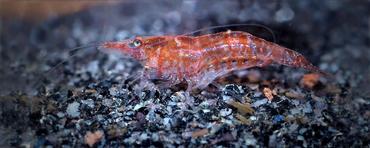
Mixing Semi-Aggressive and Community Fish: Many shops label fish like Red Tail Sharks, Tiger Barbs, or Blue Gouramis as "semi-aggressive." To a beginner, this sounds manageable. In reality, it often means they are territorial bullies that require very specific tankmates. Never put "semi-aggressive" fish with delicate species like Fancy Guppies, Threadfin Rainbowfish, or Neocaridina Shrimp. The "semi" part of the label usually disappears as the fish matures and stakes out its territory.
-
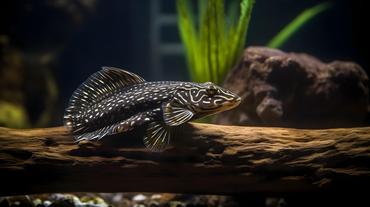
Neglecting Mature Size and Longevity: The cute two-inch Iridescent Shark or Common Pleco at the pet store will eventually grow to over three feet or eighteen inches long, respectively. Always research the adult size of a fish before purchasing. A fish that fits in your community today may consume the entire community in six months. Additionally, consider the lifespan; some fish live for 3 years, while others, like Clown Loaches or Goldfish, can live for 20 or more. Ensure you are ready for the long-term commitment of these species.
-
Misunderstanding "Cleaning" Fish: Many people buy Common Plecos or Chinese Algae Eaters to help keep the tank clean. However, Common Plecos grow massive and produce a huge amount of waste (often more than the algae they eat), while Chinese Algae Eaters often become aggressive and suck on the slime coats of flat-bodied fish like Discus or Goldfish as they age. For a peaceful cleaner, stick to Otocinclus, Amano Shrimp, or Nerite Snails. These species stay small and are much more efficient at cleaning without causing harm to their neighbors.
-
The "Single Schooler" Mistake: Many fish are only "peaceful" when kept in proper numbers. A single Tiger Barb is a terror that will nip the fins of every tankmate out of frustration. However, a school of 10-12 Tiger Barbs will spend most of their energy interacting with each other, establishing a pecking order within the school, and leaving the rest of the community alone. If you can't afford the space for a full school, don't buy the fish.
To help you plan your next purchase more effectively and avoid these common pitfalls, read our article on the most popular freshwater aquarium fish to see which species are best suited for community living and which ones require more specialized care.
Takeaway: The Path to a Stress-Free Aquarium
Building a peaceful aquarium is a rewarding puzzle that requires patience, research, and a bit of trial and error. By prioritizing water parameters, respect for territories, and matching activity levels, you can create a thriving ecosystem that provides years of enjoyment. The most successful hobbyists are those who view their aquarium as a cohesive unit rather than a collection of individual fish. Every addition changes the chemistry and social dynamic of the tank, so take it slow. Introduce new fish one species at a time and monitor the results for at least two weeks before adding more.
Remember that every fish is an individual; while general compatibility rules provide a great roadmap, always observe your tank closely after adding a new member to ensure the "peace treaty" holds. Sometimes, an individual fish simply has a "mean streak" despite its species' reputation. If you see signs of persistent bullying or stress, be prepared to have a backup plan, such as a quarantine tank or a local shop that accepts returns. The welfare of the entire community must always outweigh the desire to keep one problematic inhabitant.
Ready to take the next step in your hobby? Keep researching, keep observing, and always put the biological needs of your fish first. A peaceful tank is a healthy tank, and a healthy tank is the ultimate goal of any true aquarist. Dive deeper into our archives for more species-specific care guides and equipment reviews to ensure your tank remains a sanctuary for all its inhabitants!
For even more detailed insights, consider keeping a "tank log" where you track behaviors and water changes. This data can be invaluable when trying to diagnose why a community that was once peaceful has suddenly turned aggressive. Often, the answer lies in the subtle changes in water chemistry or the growth of a particular fish. Armed with the right knowledge and a proactive approach, you can master the art of fish compatibility and create the stunning, tranquil display you've always dreamed of.
The journey of an aquarist is one of constant learning. As you move from beginner to intermediate status, you will find that the most beautiful tanks aren't just the ones with the most colorful fish, but the ones where every inhabitant looks relaxed and healthy. By following the guidelines in this fish compatibility checker, you are well on your way to achieving that balance. Happy fishkeeping!
MOST RECENT ARTICLES