FISHLESS CYCLING VS FISH-IN CYCLING: WHICH METHOD IS BEST FOR YOUR AQUARIUM?
What Aquarium Cycling Really Means (And Why It’s Critical)
Aquarium cycling refers to establishing the nitrogen cycle, the biological process that allows a tank to safely process waste. Every fish tank—freshwater or saltwater—must develop this system before it can support fish long term.
Fish constantly release waste through breathing and digestion. Uneaten food, decaying plant matter, and organic debris also break down in the aquarium. All of this produces ammonia, which is extremely toxic. Even trace amounts can burn fish gills, disrupt oxygen uptake, weaken immune systems, and lead to rapid death if levels rise unchecked.
In a mature aquarium, beneficial bacteria colonize filter media, substrate, decorations, and other surfaces. One group of bacteria converts ammonia into nitrite, which is still toxic. A second group converts nitrite into nitrate, which is far less harmful and can be controlled through routine water changes and plant uptake.
This bacterial colony does not exist in meaningful numbers in a new tank. It must be grown deliberately. Until it is established, ammonia and nitrite spikes are almost guaranteed. This is why cycling is not optional—it is the biological foundation of every healthy aquarium. If you need a refresher on how these compounds affect fish health, read this detailed guide to ammonia, nitrite, and nitrate levels.
What Is Fishless Cycling?
Fishless cycling establishes the nitrogen cycle without adding live fish to the aquarium. Instead of relying on fish waste, the aquarist introduces a controlled ammonia source that feeds beneficial bacteria while the tank matures.
Common ammonia sources for fishless cycling include pure liquid ammonia, aquarium-specific ammonium chloride products, or fish food that is allowed to decay naturally. These methods make it possible to raise ammonia levels intentionally and consistently, which encourages rapid bacterial growth.
During fishless cycling, ammonia rises first. After several days to a week, nitrite appears as bacteria begin processing ammonia. Nitrite may spike dramatically before a second bacterial colony develops to convert it into nitrate. Eventually, both ammonia and nitrite fall to zero while nitrate accumulates.
The tank is considered fully cycled when it can process a measured ammonia dose down to zero ammonia and zero nitrite within 24 hours. At that point, a large water change is performed to reduce nitrate before fish are introduced.
The biggest advantage of fishless cycling is control. You can adjust ammonia levels, test water without urgency, and allow bacteria to grow without risking animal welfare. For beginners, this removes stress and significantly increases long-term success.
What Is Fish-In Cycling?
Fish-in cycling involves adding fish to a brand-new aquarium and allowing the nitrogen cycle to establish while fish are present. The fish themselves provide the ammonia source through waste production.
This method was once standard practice, largely because hobbyists lacked accurate test kits and alternative ammonia sources. While fish-in cycling can still be done today, it requires close monitoring, frequent water changes, and careful restraint.
During fish-in cycling, ammonia and nitrite must be kept as low as possible to avoid harming fish. This usually means testing water daily and performing water changes whenever levels rise. Because ammonia cannot be allowed to build up, beneficial bacteria grow more slowly, often extending the cycling timeline.
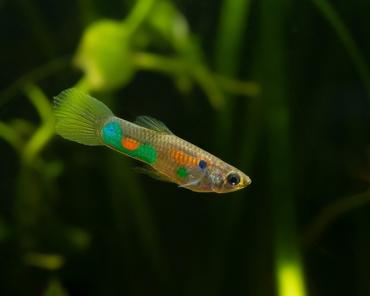
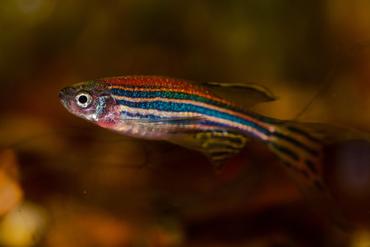
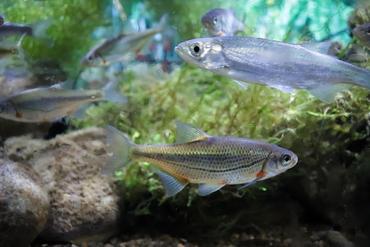
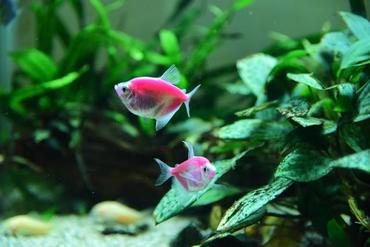
Hardy species such as zebra danios, white cloud mountain minnows, and some livebearers are often recommended for fish-in cycling. However, “hardy” does not mean unaffected. Fish can survive toxic exposure while still suffering long-term damage to gills and organs.
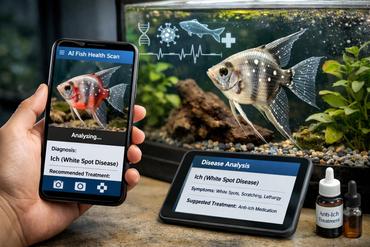
Stress during fish-in cycling often triggers disease outbreaks like ich, fin rot, or bacterial infections. This leads many beginners to believe their fish were “sick from the store,” when the real issue was unstable water chemistry.
Fishless Cycling vs Fish-In Cycling: A Clear Comparison
Both cycling methods aim to establish the same biological system, but the experience and risks are very different.
Advantages of fishless cycling:
- No fish are exposed to toxic ammonia or nitrite
- Bacterial colonies develop faster and stronger
- Allows full stocking shortly after cycling
- Lower stress for beginners and fish alike
Disadvantages of fish-in cycling:
- Fish are exposed to harmful conditions
- Requires daily testing and frequent water changes
- Higher risk of disease and early losses
- Can result in weakened fish long-term
A common beginner myth is that bottled bacteria products eliminate the need for cycling. While these products can help seed bacteria, they are not instant solutions. Water testing and patience are still required.
How Long Does Cycling Take?
Most aquariums take three to six weeks to fully cycle, regardless of method. However, fishless cycling often finishes faster because ammonia levels can be maintained consistently.
Fish-in cycling tends to take longer because ammonia must be diluted frequently to protect fish, which slows bacterial growth. Missed water changes can also cause setbacks.
Factors that influence cycling speed include temperature, oxygen levels, filter surface area, and whether seeded filter media is used. Borrowing established media from a mature tank can dramatically shorten cycling time.
Compatibility and Care Considerations During Cycling
Not all fish tolerate unstable water chemistry equally. Cycling choices should reflect the species you plan to keep.
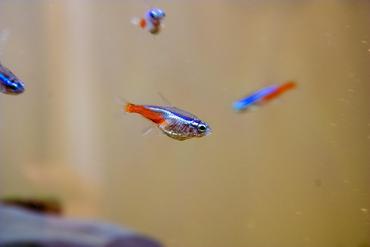
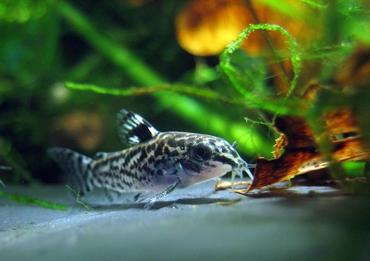
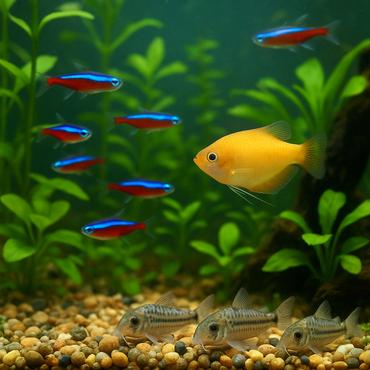
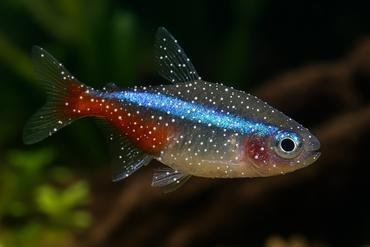
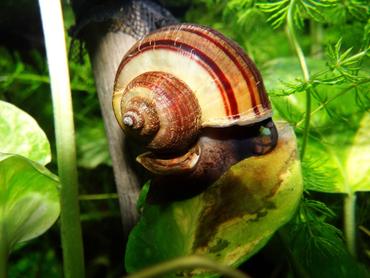
Fish that should never be used for fish-in cycling include neon tetras, cardinal tetras, corydoras catfish, dwarf cichlids like rams, and nearly all shrimp and snails. These species are highly sensitive to ammonia and nitrite.
If fish-in cycling is unavoidable, stocking should be minimal, feeding very light, and water changes frequent. Many aquarists also rely on quarantine tanks to protect their main display aquarium. Learn more in this quarantine tank guide.
Troubleshooting Common Cycling Problems
Problem: Ammonia won’t go down.
This usually means beneficial bacteria have not established yet. Check temperature, increase aeration, and confirm your test kit accuracy.
Problem: Nitrite spike lasts for weeks.
Nitrite-eating bacteria grow more slowly. Be patient, avoid overfeeding, and continue testing.
Problem: Cloudy water during cycling.
Cloudiness is often a bacterial bloom and not a sign of a completed cycle. Continue testing and avoid adding fish prematurely.
Problem: Fish look stressed during fish-in cycling.
Perform immediate water changes, reduce feeding, and increase oxygenation. Stress is a warning sign, not something to ignore.
Frequently Asked Questions About Aquarium Cycling
How do I know when my tank is fully cycled?
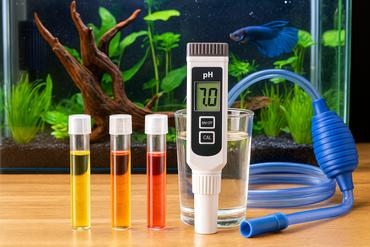
Your tank is cycled when ammonia and nitrite consistently test at zero and nitrate is present. In fishless cycling, the tank should process a full ammonia dose within 24 hours.
Can live plants replace cycling?
No. Plants absorb some waste, but they do not replace beneficial bacteria. Cycling is still required.
Is fish-in cycling ever recommended?
Fish-in cycling is sometimes unavoidable if fish are already present, but it is not recommended for beginners.
Do saltwater tanks cycle differently?
The nitrogen cycle works the same way, but marine fish are often more sensitive to ammonia, making fishless cycling even more important.
Final Takeaway: Which Cycling Method Should You Choose?
For most beginner and intermediate aquarium hobbyists, fishless cycling is the safest, most humane, and most reliable method. It protects fish from toxic exposure, builds a strong biological filter, and leads to far fewer early losses.
Fish-in cycling can work, but it carries real risk and requires constant attention. It is best reserved for experienced keepers or emergency situations.
If you want a stable aquarium with healthy fish and fewer problems, patience is essential. Take the time to cycle properly, test regularly, and stock slowly. For deeper understanding, revisit this water quality guide and explore why quarantine tanks prevent early losses.
Cycling may not be the most exciting part of fishkeeping, but it is the most important. Get it right from the beginning, and everything else becomes easier and more enjoyable.
MOST RECENT ARTICLES