AQUARIUM WATER CHANGES: HOW OFTEN AND HOW MUCH?
The Essential Science: Why We Perform Water Changes
In a natural environment, such as a river, lake, or ocean, the sheer volume of water provides an incredible buffer against pollution. Rainwater refreshes the system, while the flow of water carries away metabolic waste, eventually processing it through vast biological cycles. In a home aquarium, we have a closed system. Every pinch of food you add and every breath your fish take contributes to a closed-loop chemical process that, without intervention, eventually trends toward toxicity. The biological filter—consisting of nitrifying bacteria—is excellent at converting highly toxic ammonia into nitrite, and then into nitrate. However, the process usually stops there. In most home setups, nitrate is the end product that accumulates over time.
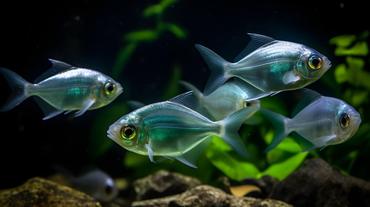
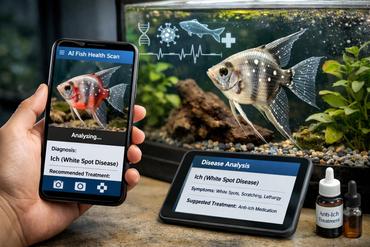
High nitrate levels (generally anything above 40 ppm for most freshwater fish) lead to a suppressed immune system. This makes your fish vulnerable to common ailments like Fin Rot or Ich. Furthermore, fish produce growth-inhibiting hormones. In the wild, these are washed away. In an aquarium, they can build up and lead to stunted growth, which is particularly detrimental for young fish or large-species juveniles like Oscars or Silver Dollars. Water changes also serve to replenish the "KH" or carbonate hardness. As organic matter breaks down, it releases acids that consume the KH. If the KH reaches zero, your pH can crash overnight, leading to a total loss of your livestock. By replacing a portion of the water, you are effectively "reloading" the buffer that keeps your water chemistry stable.
Determining Frequency: How Often Is Truly Enough?
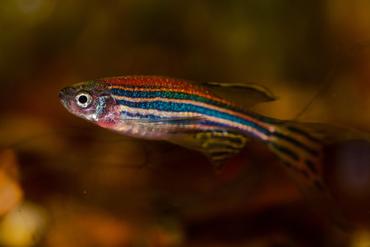
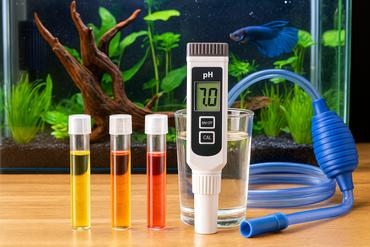
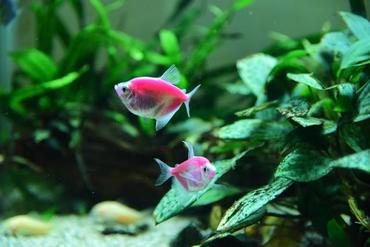
The question of frequency is one of the most debated topics in the hobby, but the answer is rarely a one-size-fits-all solution. For a standard, moderately stocked community tank containing species like Zebra Danios or Platies, a weekly water change is the industry gold standard. However, the true answer lies in your water testing results. You should aim to perform a water change whenever your nitrate levels approach 20 to 30 ppm. If you find that your tank hits 40 ppm in just four days, you have a "high bioload" and should be changing water twice a week or increasing the volume of each change.
Consider the following variables that influence how often you should reach for the bucket:
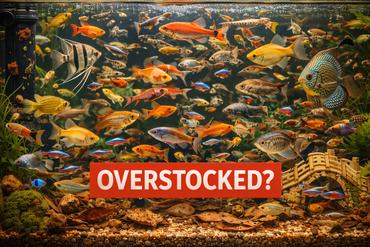
- Stocking Density: More fish produce more waste. A "overstocked" tank requires more frequent intervention than a "lightly stocked" one.
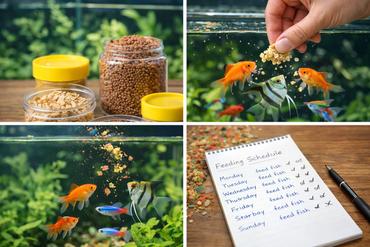
- Feeding Habits: If you enjoy feeding your fish multiple times a day, or if you feed heavy proteins (like bloodworms or beef heart), waste will accumulate much faster.
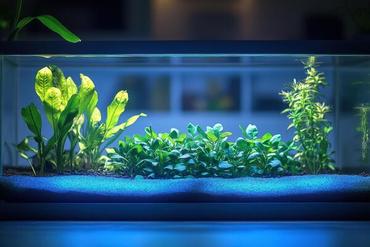
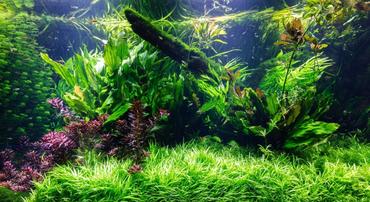
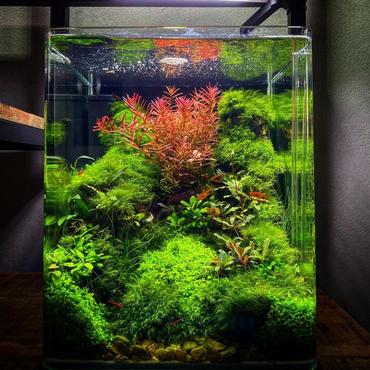
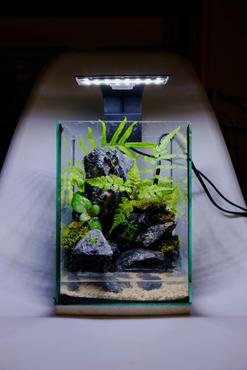
- Plant Density: Live plants are natural nitrate sponges. A "jungle style" tank with fast-growing stems like Hornwort or Anacharis can often go longer between changes because the plants are consuming the waste as fertilizer.
- Tank Age: New tanks are less stable. As a tank matures over several years, it develops a more robust micro-ecosystem, but it also accumulates "detritus" in hard-to-reach places, which can necessitate a stricter schedule.
Calculating the Volume: The 25% Rule and Its Exceptions
For most beginner and intermediate hobbyists, a 25% water change is the most effective balance. It removes a significant amount of waste without causing a massive "osmotic shock." Osmotic shock occurs when the dissolved solids in the new water are significantly different from the old water. Fish maintain a delicate internal balance of salts and fluids; a sudden change in the water's "thickness" or mineral content can cause their cells to struggle to regulate, leading to stress or death. This is why a 90% water change is rarely recommended unless it is an absolute emergency, such as a chemical spill or a massive ammonia spike.
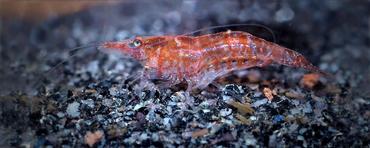
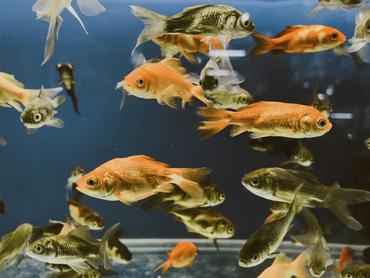
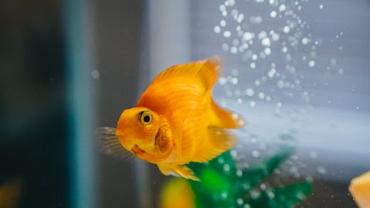
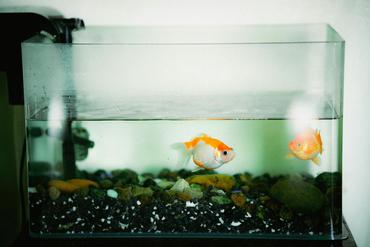
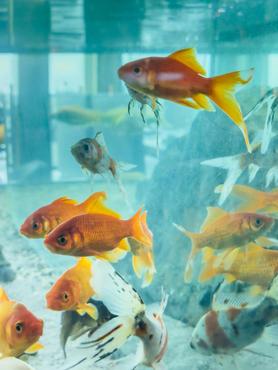
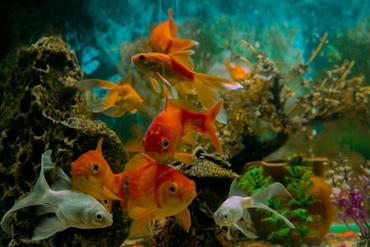
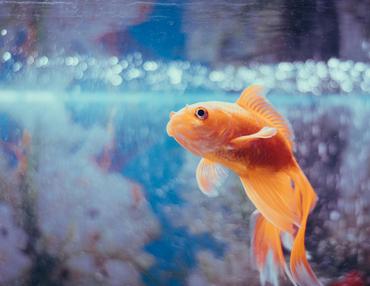
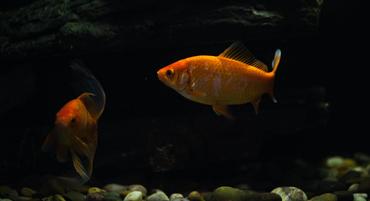
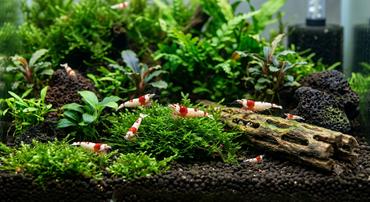
However, different scenarios require different volumes. If you are keeping Goldfish, which are notorious for being "messy" eaters with high waste output, you may find that a 50% weekly change is necessary to keep the water clear. Conversely, if you have a delicate Shrimp tank with Crystal Red Shrimp, they are so sensitive to changes in water parameters that many keepers prefer 10% changes twice a week instead of one large change. The goal is always stability. If you are unsure, start with 20% and monitor your fish’s behavior. If they become lethargic or gasp at the surface after a change, you may be changing too much at once or not matching your water parameters closely enough.
Compatibility and Care: Tailoring Changes to Your Fish
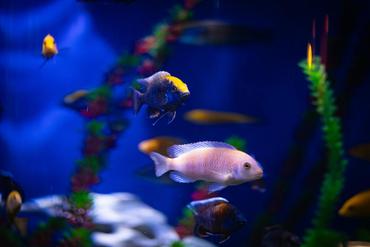
The species you choose to keep will dictate your maintenance philosophy. Not all fish react to fresh water in the same way. For example, many Amazonian species, like Discus or Rummy Nose Tetras, absolutely thrive on fresh water. In the wild, they are used to massive seasonal floods. Frequent water changes can actually trigger spawning behavior in these species as it mimics the onset of the rainy season. On the other hand, certain African Cichlids from Lake Malawi or Lake Tanganyika evolved in incredibly stable environments where the water chemistry remains unchanged for centuries. For these fish, consistency in pH and hardness is far more important than the absolute cleanliness of the water.
Here are some specific care considerations for popular groups:
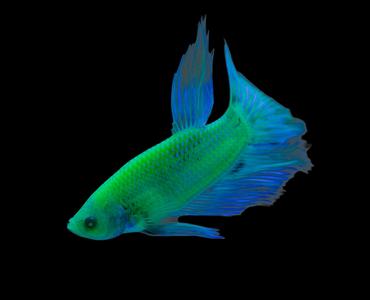
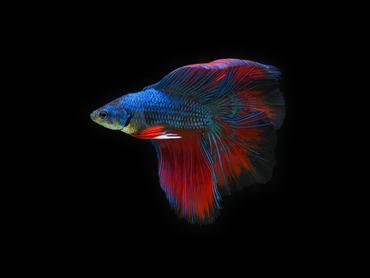
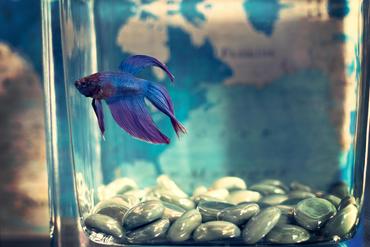
- Labyrinth Fish (Bettas and Gouramis): These fish breathe air from the surface. When doing a water change, ensure the room temperature isn't freezing. If the air they gulp is significantly colder than the water, it can damage their labyrinth organ.
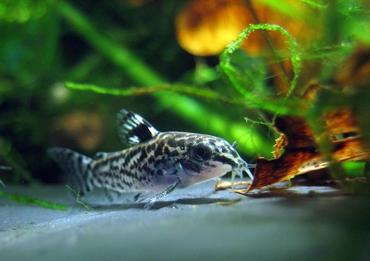
- Scale-less Fish (Corydoras and Loaches): These fish are more sensitive to medications and water conditioners. Always ensure your dechlorinator is fully mixed before adding water back into a tank with Kuhli Loaches or Clown Loaches.
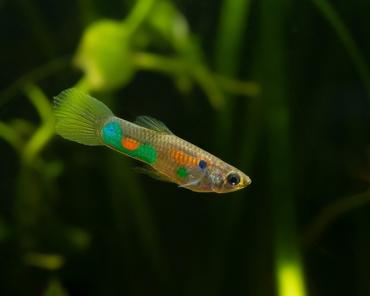
- Livebearers (Guppies and Mollies): These fish prefer "harder" water. If your tap water is very soft, a large water change might lower the mineral content too much. You may need to add a mineral replenisher to keep their osmotic pressure regulated.
If you find that your water remains murky despite regular changes, you might be dealing with a bacterial bloom or suspended particulates. Read our expert tips on dealing with cloudy aquarium water to diagnose the root cause.
Mastering the Method: A Professional Step-by-Step
Efficiency in your water change routine makes it more likely that you will stick to it. The "old school" method involved buckets and a simple hose, but modern tools have made it much easier. Whether you use a Python-style water changer that hooks to your sink or a traditional gravel vacuum, the steps remain largely the same.
-
Prepare your new water. If you are using buckets, treat the water with a conditioner that removes chlorine and chloramines. Chlorine will kill your beneficial bacteria, and chloramines (a bond of chlorine and ammonia) are even more persistent and toxic.
-
Temperature matching is vital. Use a digital thermometer to ensure the new water is within 1 degree of the tank water. Using water that is too cold can shock the fish's system and lead to a breakout of Ich (White Spot Disease), as the stress lowers their slime coat's effectiveness.
-
Focus on the substrate. The "water" part of the change is only half the battle; the "waste" part is in the gravel. Use the vacuum to churn up the top layer of gravel or sand to remove trapped fish waste and uneaten food.
-
Finally, when refilling, pour the water against a decoration or a saucer to avoid disturbing the substrate and creating a dust cloud.
For those starting a brand-new setup, it's important to remember that you shouldn't be doing large water changes during the initial cycle.
Perhaps the most common mistake beginners make is the "Total Cleanout." This involves taking the fish out, scrubbing the decorations with soap, and replacing all the gravel. This is a recipe for disaster. Soap is highly toxic to fish, even in trace amounts. Furthermore, by scrubbing everything, you are killing the "beneficial bacteria" that keep the water safe. A water change should be a "refresh," not a "reset."
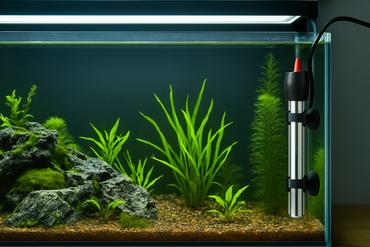
Another mistake is forgetting to turn off the heater. If the water level drops below the heater's glass element, it can overheat and shatter, or it may crack when you refill the tank with cooler water.
Additionally, many hobbyists ignore their tap water quality. Tap water chemistry can change seasonally; for example, many municipalities add extra disinfectants during the spring thaw. It is a good habit to occasionally test your tap water for ammonia, nitrates, and pH so you know exactly what you are putting into your tank. If your tap water contains high levels of nitrates, you may need to look into using Reverse Osmosis (RO) water mixed with a remineralizer to maintain a healthy environment.
Advanced Techniques: Continuous and Automatic Changes
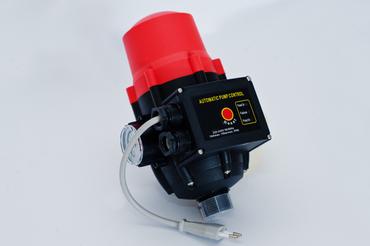
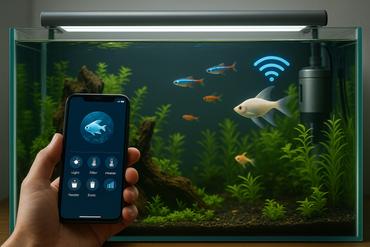
As you move into the intermediate and advanced stages of the hobby, you may find that manual water changes become a burden, especially if you have multiple large tanks. Some hobbyists install "Automatic Water Change" (AWC) systems. These systems use small pumps and timers to remove and replace a few gallons of water every day. This provides the ultimate in stability, as the fish never experience a "swing" in parameters. While these systems require some plumbing knowledge and a nearby drain, they are the gold standard for high-end reef tanks and delicate freshwater ecosystems.
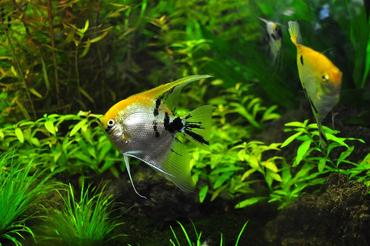
Even without an automatic system, you can optimize your routine. Using a dedicated "aging" barrel allows you to treat and aerate your water for 24 hours before it enters the tank. This allows the pH to stabilize and ensures any dissolved gases are released, which prevents "micro-bubbles" from forming on your fish's skin and gills. While not strictly necessary for hardy species like Giant Danios, it is highly recommended for sensitive species like Wild-caught Altum Angels.
The Impact of Water Changes on Algae Control
Algae is the bane of every aquarist's existence, and it is almost always a sign of a nutrient imbalance. Algae thrives on nitrates and phosphates. By performing regular water changes, you are effectively "starving" the algae of its fuel. However, if you perform a water change and the algae immediately returns, it may be because your replacement water contains phosphates or your lights are on for too long. A water change is a tool for management, but it must be part of a larger strategy that includes proper lighting and controlled feeding.
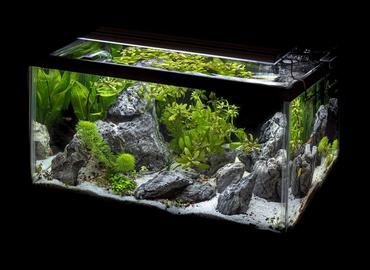
In planted tanks, the relationship is even more complex. If you change too much water, you might remove the micro-nutrients your plants need to compete with the algae. This is why many planted tank enthusiasts use the "Estimative Index" (EI) dosing method, which involves intentionally over-fertilizing the plants and then doing a massive 50% water change at the end of the week to "reset" the nutrient levels. This ensures the plants always have what they need without allowing nutrients to build up to toxic levels for the fish.
Final Takeaway: Consistency Over Perfection
The secret to a beautiful aquarium isn't a expensive filter or a magic chemical; it is the discipline of the weekly water change. By removing waste products and replenishing essential minerals, you are providing your fish with a habitat that allows them to thrive rather than just survive. Always remember to test your water regularly, match your temperatures, and use a high-quality water conditioner. If you stay consistent, your fish will reward you with vibrant colors, active behaviors, and a long lifespan.
Success in the aquarium hobby comes from understanding the "why" behind the "how." Now that you know the mechanics of water changes, you can tailor a schedule that fits your lifestyle and your fish's needs. If you're looking for more ways to improve your tank's health, explore our other articles on filtration, lighting, and species-specific care to become the ultimate aquarium steward!
MOST RECENT ARTICLES