BEST FISH FOR A 10-GALLON TANK WITH PLANTS: TOP CHOICES FOR A THRIVING NANO AQUARIUM
Best Fish for a 10-Gallon Tank with Plants: Top Choices for a Thriving Nano Aquarium
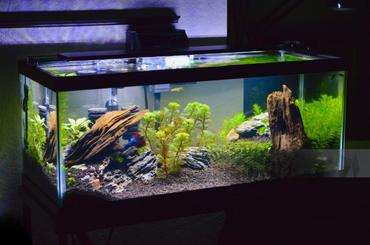
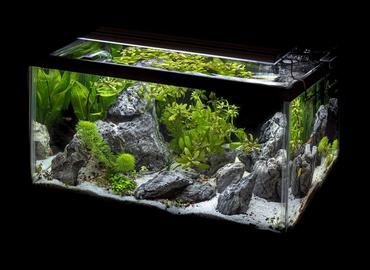
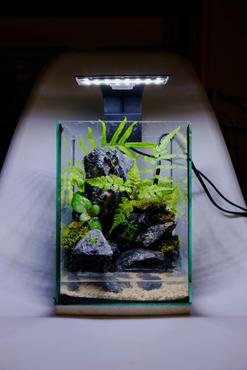
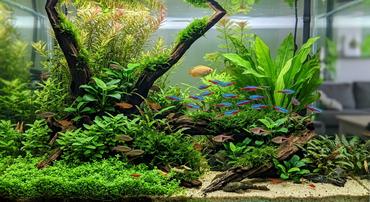
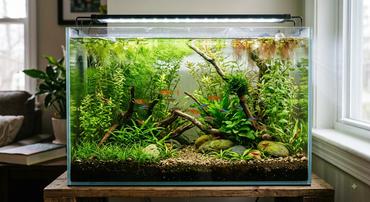
Starting a 10-gallon aquarium is one of the most exciting entries into the fish-keeping hobby, offering a perfect balance between a manageable footprint and enough space to create a stunning underwater garden. However, many beginners fall into the trap of overstocking or choosing species that quickly outgrow this limited volume. When you combine a small tank with live plants, you create a "nano" ecosystem that requires careful selection of inhabitants to ensure the biological load remains stable and the plants thrive alongside the fish. By choosing the right nano-species, you can transform a simple glass box into a lush, vibrant centerpiece that brings a slice of nature into your home without the maintenance demands of a massive installation. This comprehensive guide will walk you through the best species for your setup, the intricacies of nano-management, and how to maintain a thriving biological balance.

The Science and Benefits of a Planted 10-Gallon Nano Tank

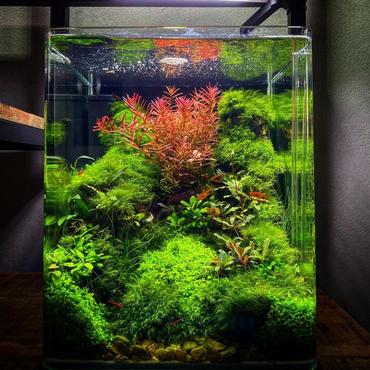
A 10-gallon tank is often referred to as a "nano tank," and adding live plants elevates it from a basic pet enclosure to a functional biological system. In such a small volume of water, chemical fluctuations can happen rapidly. Plants act as a safety net, providing biological stability that is hard to achieve with mechanical filtration alone. Understanding the relationship between your fish and your plants is the first step toward a successful aquarium.

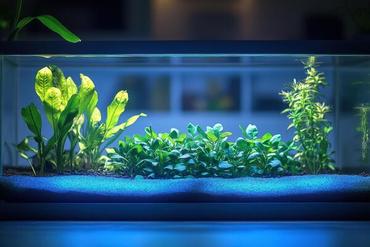
Plants act as natural filters, absorbing nitrates—the end product of the nitrogen cycle—which are toxic to fish in high concentrations. While you still need to perform regular water changes, a heavily planted tank can mitigate the stress on your fish between cleanings. Furthermore, plants engage in photosynthesis, absorbing the carbon dioxide exhaled by your fish and releasing vital oxygen back into the water column. This symbiotic relationship creates a more oxygen-rich environment, which is especially important during the warmer months when water holds less dissolved oxygen.

  • Natural Filtration: Species like Anubias, Java Fern, and Amazon Swords help process fish waste, reducing the frequency of water changes and stabilizing pH levels.
  • Algae Control: Healthy plants compete with algae for light and nutrients. By out-competing these opportunistic organisms, your plants keep the glass and substrate looking pristine.
  • Stress Reduction: In the wild, small fish are often prey. Live foliage provides "line-of-sight" breaks and hiding spots, which significantly reduces cortisol levels in fish, leading to better immune systems and more vibrant colors.
  • Micro-Ecosystems: Plants harbor beneficial micro-fauna, such as infusoria, which provide a supplemental natural food source for small fish and fry.

Before you start adding livestock, it is crucial to understand that properly cycling your aquarium is the foundation of success. In a planted 10-gallon setup, you should allow the plants to establish their roots for at least two weeks before introducing your first fish. This "seasoning" period allows the beneficial bacteria to colonize the plant surfaces and substrate, preparing the environment for the bio-load of your new pets.


Top Schooling Fish for Small Planted Aquariums

In a 10-gallon space, you want fish that stay small (under 1.5 inches) and appreciate the coverage provided by greenery. Schooling fish are popular because they add movement and life to the middle and upper layers of the tank. For a 10-gallon tank, aim for a single school of 6 to 8 individuals to avoid overcrowding. Too many species will lead to a cluttered look and increased aggression due to territorial overlap.

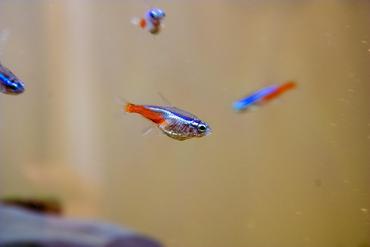
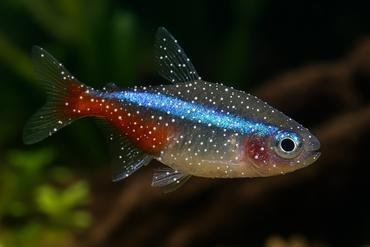
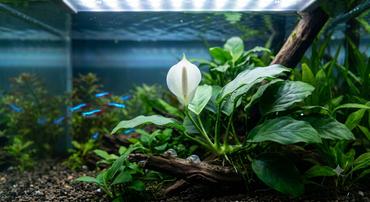
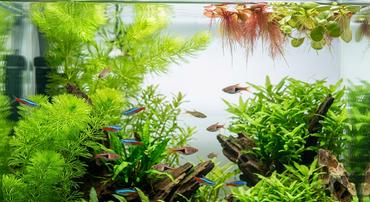
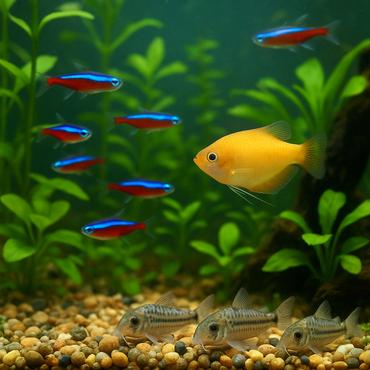
Neon Tetras (Paracheirodon innesi): These are the quintessential aquarium fish. Their bright blue and red stripes "pop" beautifully against a dark green planted backdrop. They are peaceful and relatively hardy, though they do require stable water parameters. Make sure your pH remains slightly acidic to neutral (6.5 to 7.0) for them to truly thrive. In a planted tank, Neons will often weave through the stems of plants like Rotala or Bacopa, providing a dynamic display of color.

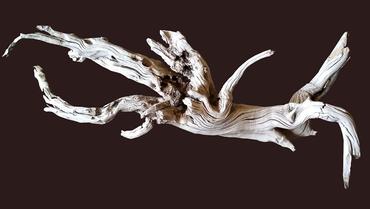
Harlequin Rasboras (Trigonostigma heteromorpha): These fish are slightly deeper-bodied than tetras and feature a distinct black triangular patch on their tail end. They are exceptionally peaceful and move in a tight, coordinated school. Their copper-orange hue provides a wonderful contrast to light-green plants. They are particularly fond of "blackwater" setups or tanks with slight tannin staining from driftwood, which mimics their natural Southeast Asian peat swamp habitats.

Chili Rasboras (Boraras brigittae): If you want to maximize your space, the Chili Rasbora is a true "micro-fish." Growing to less than an inch, you can safely keep a larger group of 10 to 12 in a 10-gallon tank without overtaxing the filtration. Their intense red coloration is spectacular, especially when they feel safe among floating plants like Frogbit or Red Root Floaters. Because they are so small, they require very fine food, such as crushed flakes or baby brine shrimp.


Celestial Pearl Danios (CPDs): Often called Galaxy Rasboras, these fish look like tiny trout with deep blue bodies and gold spots. They were only discovered in 2006 and have since become a favorite for nano-aquarists. They can be a bit shy, so they are the perfect candidates for a heavily planted tank where they can dart in and out of the foliage. They prefer slightly cooler water than some tropical species, so aim for a range between 73-76 degrees Fahrenheit. Watching the males "dance" or spar for the attention of females is one of the most rewarding sights in the hobby.

Ember Tetras (Hyphessobrycon amandae): These tiny, translucent orange fish are the perfect size for a 10-gallon. They stay under an inch and are extremely peaceful. Unlike some larger tetras that can be "nippy," Embers are gentle and work perfectly in a community that includes delicate shrimp. Their fiery color creates a "glowing" effect when they swim through dark green mosses or ferns.

Centerpiece Fish: Adding a Splash of Personality

If you prefer a "star of the show" rather than a shimmering school, certain species work perfectly as solo or pair inhabitants in a 10-gallon planted tank. These fish often have more distinct personalities and will interact more with their keepers, sometimes even learning to recognize the person who feeds them.

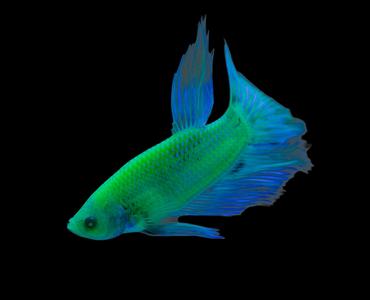
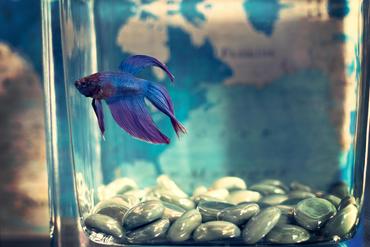
The Betta Fish (Betta splendens): A 10-gallon tank is a luxury mansion for a Betta. Unlike the tiny, inhumane bowls they are often sold in, a 10-gallon planted tank allows a Betta to swim freely, explore, and exercise. Live plants are essential here, as long-finned Bettas love to rest on broad leaves like those of an Anubias or Java Fern. Ensure your filter flow is gentle; Bettas come from slow-moving waters and can become stressed if they have to constantly fight a heavy current. A sponge filter is often the best choice for a Betta-centric 10-gallon tank.


Honey Gourami (Trichogaster chuna): Unlike their larger cousins, the Honey Gourami stays small (around 2 inches) and is much more peaceful. They have a beautiful golden-yellow color and "feelers" (modified pelvic fins) that they use to touch and sense their environment. They are curious fish that enjoy picking at microfilm on plant leaves. They are labyrinth fish, meaning they breathe air from the surface, so ensure there is a gap between the water line and the lid of your tank. They do best in pairs or as a single centerpiece.

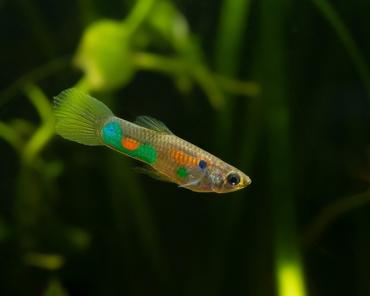
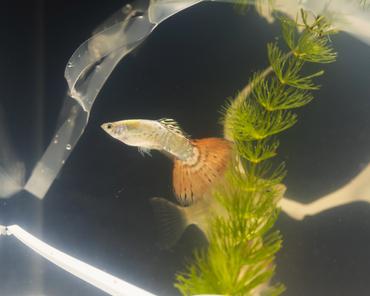
Endler’s Livebearers (Poecilia wingei): These are cousins to the Guppy but stay smaller and have more neon, metallic colors. They are incredibly active and will spend their day zipped through every corner of the tank. Be aware that they breed quickly; starting with a "males only" group is a common strategy for 10-gallon tanks to prevent an explosion in the population. If you do keep a mixed-sex group, the fry will appreciate the dense cover provided by mosses, though many may be eaten, which naturally controls the population in a small space.

Sparkling Gourami (Trichopsis pumila): For those who want something truly unique, the Sparkling Gourami is a tiny gem. They have iridescent blue spots and, interestingly, can produce a "croaking" sound that is audible outside the tank during courtship or territorial displays. They love heavily planted tanks with lots of nooks and crannies. Because they are predators of small invertebrates, they might snack on very tiny baby shrimp, so keep that in mind if you plan to breed ornamental shrimp in the same tank.

The Clean-Up Crew: Invertebrates and Bottom Dwellers

No planted tank is complete without a team to manage debris and algae. In a small tank, you must be careful not to choose bottom-dwellers that grow too large, such as Common Plecos (which can reach 18 inches) or large Catfish. The goal is to find "functional" inhabitants that contribute to the health of the plants without uprooting them.

Otocinclus Catfish: These are the ultimate algae eaters for small tanks. They stay small and are very diligent about cleaning leaves without damaging the plants. However, they are sensitive to water quality and should only be added to a mature, well-established tank. Many "Otos" are wild-caught and may arrive at the pet store starved, so ensure your tank has enough natural algae or supplement their diet with blanched zucchini and high-quality algae wafers.

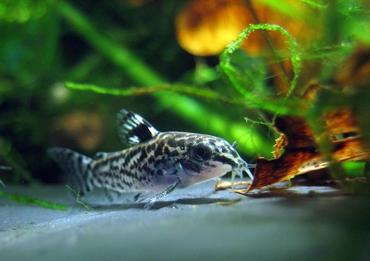
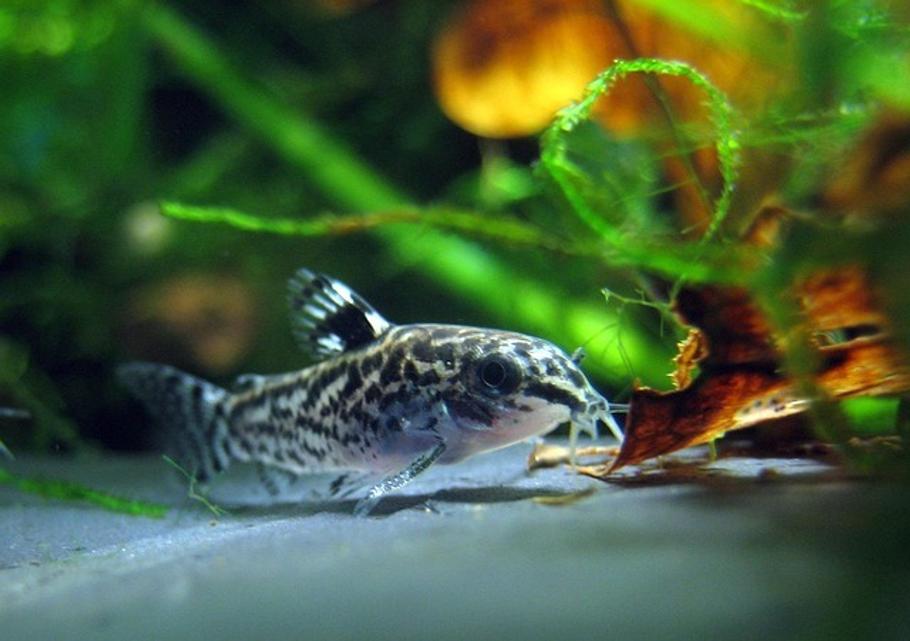
Pygmy Corydoras (Corydoras pygmaeus): Most Corys need 20 gallons or more, but the Pygmy Cory is a delightful exception. They only grow to about an inch. Unlike other Corys that stay strictly on the substrate, Pygmies spend a lot of time hovering in the mid-water levels. They are social and should be kept in a group of at least six. Ensure you have a sandy substrate or very smooth gravel, as their delicate barbels (whiskers) can be damaged by sharp stones.

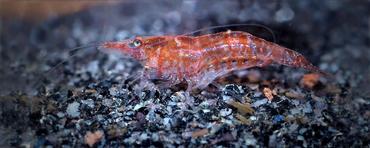
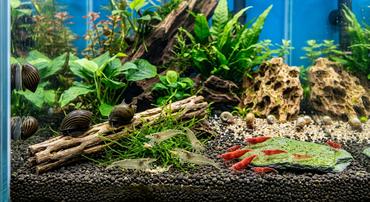
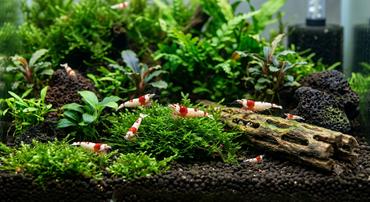
Cherry Shrimp (Neocaridina davidi): These invertebrates are a joy to watch and have a very low bio-load. They will constantly pick at algae and leftover fish food. In a heavily planted tank, they will feel safe and may even produce offspring. Their bright red color looks stunning against a dark substrate. They are also available in blue, yellow, and orange "morphs," though you should stick to one color to prevent them from breeding back to their natural brownish "wild" coloration over generations.

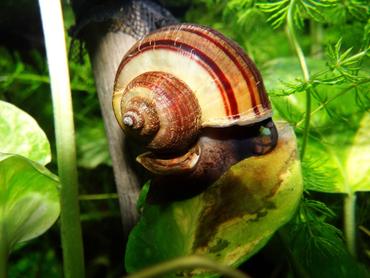
Mystery Snails (Pomacea bridgesii): If you want a larger invertebrate, a single Mystery Snail is a great choice. They are active, fun to watch, and come in colors like gold, blue, and purple. They are excellent at eating decaying plant matter and leftover food. For more information on keeping these unique creatures, check out our guide on choosing the right freshwater snails. Just be sure to keep a lid on the tank, as they are known "escape artists" who may crawl out in search of a place to lay eggs.

Amano Shrimp: Larger and more robust than Cherry Shrimp, Amanos are the champions of hair algae consumption. They are translucent with brownish spots and are very active. While they won't breed in freshwater (their larvae require brackish water to survive), they are long-lived and peaceful. Three or four Amanos in a 10-gallon tank can do wonders for keeping your plants looking professionally manicured.

Technical Requirements: Lighting, Filtration, and Substrate

To keep your fish healthy, your plants must be healthy. In a 10-gallon tank, the hardware you choose will dictate which species of fish and plants you can successfully keep. A common beginner mistake is underestimating the importance of the substrate and lighting.

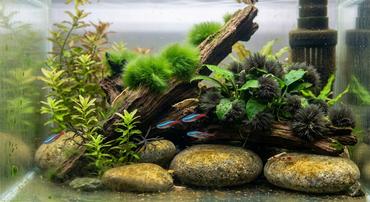
Substrate Choice: If you want a lush, "carpeted" look with plants like Monte Carlo or Dwarf Hairgrass, you need a nutrient-rich aquarium soil (active substrate). However, for beginners, a combination of fine gravel or sand with "root tabs" (fertilizer spikes) is often easier to manage and less likely to cause ammonia spikes. Avoid large, chunky neon-colored gravel, as it doesn't support root growth well and can trap uneaten food, leading to water quality issues.

Lighting: Most 10-gallon kits come with basic LED lids. While fine for low-light plants like Anubias or Java Moss, these are often insufficient for "stem" plants or red-colored foliage. Consider upgrading to a full-spectrum LED light with a timer. Aim for 6 to 8 hours of light per day. Leaving the lights on too long (more than 10 hours) is the number one cause of algae outbreaks in nano tanks.

Filtration: In a 10-gallon tank, you want a filter that provides at least 40 to 50 gallons per hour (GPH) of flow. However, many "Hang-on-Back" (HOB) filters have intakes that can suck up small fish like Chili Rasboras or baby shrimp. Using a pre-filter sponge over the intake pipe is a simple and effective way to protect your livestock while adding extra surface area for beneficial bacteria.

Compatibility and Care Considerations for Nano Systems

Maintaining a 10-gallon tank is slightly different from maintaining a larger aquarium. Because the water volume is low, any mistake—like overfeeding or missing a water change—is magnified. To keep your planted nano tank thriving, consider these practical tips for long-term management.

Water Chemistry Stability: In a small tank, the concentration of waste products can spike in a matter of hours. Weekly water changes of 20-30% are non-negotiable. Use a high-quality water conditioner to remove chlorine and chloramines. If your tap water is exceptionally hard or has high nitrates, you might consider mixing it with Reverse Osmosis (RO) water to achieve the desired parameters for sensitive species like Neon Tetras.

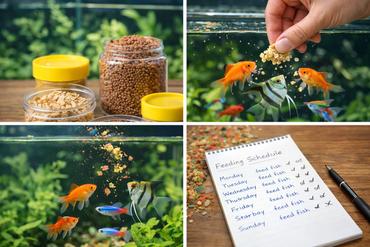
Feeding Etiquette: Overfeeding is the quickest way to ruin a 10-gallon tank. Small fish have stomachs the size of their eyes. Only feed what they can consume in 60 seconds, once a day. Any uneaten food that sinks into the plants will rot and cause an ammonia spike. Consider using a "feeding ring" to keep floating flakes in one area, or a glass feeding dish for shrimp and bottom-dwellers to prevent food from getting lost in the substrate.

Pruning and Maintenance: In a 10-gallon tank, plants can quickly take over. Fast-growing species like Pearlweed or Hornwort can fill the entire volume in a few weeks, leaving no swimming room for your fish. Set aside time every two weeks to trim your plants. Use specialized aquarium scissors to prevent crushing the stems. This not only keeps the tank looking good but also encourages the plants to grow thicker and bushier.

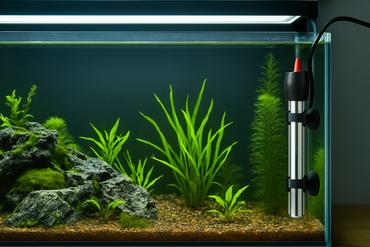
Temperature Management: Small volumes of water lose and gain heat quickly. A 5-degree drop in room temperature overnight can significantly impact a 10-gallon tank. Invest in a reliable 50-watt or 75-watt adjustable heater. Avoid the "preset" heaters that come in many kits, as they often fail or are inaccurate. A stable temperature of 75-78°F is ideal for most tropical nano communities.

Disease Prevention: Introducing a disease into a small tank can be devastating, as it spreads rapidly through the population. Learn more about the importance of quarantining new fish to protect your established colony. Even a simple 5-gallon bucket with a heater and a sponge filter can serve as a temporary quarantine station for new arrivals.

Common Beginner Mistakes to Avoid

Even with the best intentions, it is easy to make errors when starting your first nano tank. Recognizing these common pitfalls will save you time, money, and the lives of your fish.

  • The "impulse buy": Never buy a fish without researching its adult size and temperament. That cute 1-inch Silver Shark at the store will grow to 12 inches and eat everything in your 10-gallon tank.
  • Cleaning too much: Beginners often scrub every surface and replace the filter media, which kills the beneficial bacteria. Never rinse your filter pads in tap water; always use a bucket of old tank water to preserve the "good" bacteria.
  • Incompatible Tank Mates: Pairing active, "zippy" fish like Zebra Danios with a slow-moving, long-finned Betta is a recipe for disaster. The Danios will likely nip the Betta's fins, leading to stress and infection.
  • Ignoring the "Cycle": Adding fish on the first day is the most common cause of "New Tank Syndrome." Patience is the most important tool in any aquarist's kit.

Takeaway: Building Your Dream Nano Ecosystem

Creating a 10-gallon planted aquarium is a rewarding journey that blends art, science, and animal husbandry. By selecting the right species—like the colorful Neon Tetra, the hard-working Otocinclus, or the charismatic Betta—you ensure that your nano tank is a peaceful and healthy environment. The key to success lies in the balance between the biological needs of your fish and the nutritional needs of your plants. When these two elements work in harmony, the result is a breathtaking underwater landscape that requires minimal intervention to maintain.

Always remember that as the "god" of your small ecosystem, your primary job is to provide stability. Regular testing of your water parameters, thoughtful feeding, and a keen eye for changes in fish behavior will ensure your 10-gallon tank remains a source of joy for years to come. If you are ready to start your journey, begin by selecting your substrate and plants today. Once your greenery is established, you’ll have the perfect home waiting for your new aquatic friends.

Would you like to learn more about specific plant species for your new tank? Explore our guide on the best low-light plants for beginners to find the perfect foliage to complement your new fish. Happy fish-keeping!
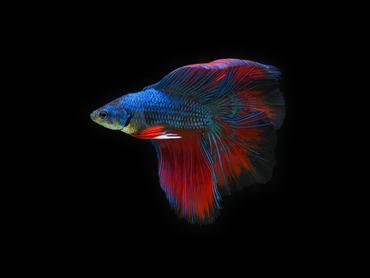
Betta Fish in a Planted Tank: Setup, Care & Mistakes to Avoid
The Betta fish, with its cascading fins and kaleidoscopic colors, has long been the victim of the "bowl" myth, but modern aquarists are finally recognizing that these intelligent, labyrinth-breathing creatures truly flourish when placed in a living, breathing ecosystem.
Top 10 Beginner-Friendly Freshwater Fish (Ranked by Ease of Care)
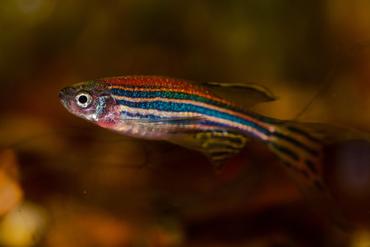
A beautiful Zebra Danios
Diving into the world of freshwater aquariums is an exhilarating journey, but for many beginners, the initial excitement is often met with the daunting challenge of keeping their new aquatic residents alive and thriving.

MOST RECENT ARTICLES

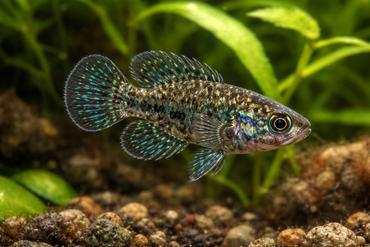
Small But Mighty: A Guide to Keeping the Everglades Pygmy Sunfish (Elassoma evergladei)
SMALL BUT MIGHTY: A GUIDE TO KEEPING THE EVERGLADES PYGMY SUNFISH (ELASSOMA EVERGLADEI)
Deep within the slow-moving blackwater swamps and densely vegetated ditches of the Southeastern United States dwells a tiny titan that has captured the hearts of nano-aquarium enthusiasts worldwide: the Everglades Pygmy Sunfish (Elassoma evergladei).
The Therapeutic Tank: How Fishkeeping Helps Manage ADHD, Anxiety, and Sensory Processing Disorders
THE THERAPEUTIC TANK: HOW FISHKEEPING HELPS MANAGE ADHD, ANXIETY, AND SENSORY PROCESSING DISORDERS
For many aquarium enthusiasts, the hobby begins with the simple desire to bring a piece of the natural world indoors, yet they quickly discover that the rhythmic swaying of aquatic plants and the gentle glide of fish offer much more than aesthetic appeal.
The Zen of Aquascaping: Using Iwagumi Principles for Mindfulness and Stress Relief
THE ZEN OF AQUASCAPING: USING IWAGUMI PRINCIPLES FOR MINDFULNESS AND STRESS RELIEF
In the modern world, the constant noise of digital notifications and the fast-paced demands of daily life often leave us searching for a sanctuary where we can reclaim a sense of peace.

Rate This Tank:

GENERAL AQUARIUM ARTICLES
Father Fish–Style Natural Aquariums: What Beginners Should Know
Natural aquariums are often described as “set it and forget it,” but the truth is calmer and more practical: you trade constant cleaning for thoughtful setup, steady habits, and time.
Top Fish for Community Tanks
Creating a thriving community aquarium is one of the most rewarding experiences in the fish-keeping hobby, offering a dynamic window into a complex underwater ecosystem.
Top 10 Beginner-Friendly Freshwater Fish (Ranked by Ease of Care)
Diving into the world of freshwater aquariums is an exhilarating journey, but for many beginners, the initial excitement is often met with the daunting challenge of keeping their new aquatic residents alive and thriving.
How to Keep Your Tank Safe During a Power Outage
A power outage is every aquarium hobbyist’s worst nightmare, often striking at the most inconvenient times—during a summer thunderstorm or a winter blizzard.
Community Fish Compatibility Guide
Creating a thriving community aquarium is one of the most rewarding aspects of the fish-keeping hobby, but it requires much more than simply picking out the most colorful fish at the local pet store.
AI and Smart Technology in Aquariums: The Future of Fishkeeping
Technology is transforming the aquarium hobby faster than ever before.
Top 10 Nano Predators (and How to Keep Them Peacefully)
The allure of the predatory fish has long been a driving force in the aquarium hobby, drawing enthusiasts toward the raw, primal energy of nature's most efficient hunters.
Aquarium Temperature Guide: What’s Best for Your Fish?
Maintaining the perfect environment for your aquatic pets is a delicate balancing act, and temperature is arguably the most critical variable in the equation.
Best Fish for a 10 Gallon Tank with Plants
Setting up a 10-gallon planted aquarium is one of the most rewarding projects a hobbyist can undertake, offering a perfect slice of nature that fits comfortably on a desk or side table.
Beginner-Friendly Oddball Fish: Unique Species That Work in Small Tanks
Want something cooler than guppies and tetras in your small aquarium, but not ready for ultra-demanding species?
Aquarium Water Changes: How Often and How Much?
Maintaining a thriving aquarium is often described as a balancing act, and no single task is more critical to that balance than the routine water change.
Betta Fish in a Planted Tank: Setup, Care & Mistakes to Avoid
The Betta fish, with its cascading fins and kaleidoscopic colors, has long been the victim of the "bowl" myth, but modern aquarists are finally recognizing that these intelligent, labyrinth-breathing creatures truly flourish when placed in a living, breathing ecosystem.
Overstocking Myths vs Reality
Setting up a new aquarium is an exercise in restraint that many hobbyists, both beginners and seasoned veterans, find difficult to master.
Best Fish for a 10-Gallon Tank with Plants: Top Choices for a Thriving Nano Aquarium
Starting a 10-gallon aquarium is one of the most exciting entries into the fish-keeping hobby, offering a perfect balance between a manageable footprint and enough space to create a stunning underwater garden.
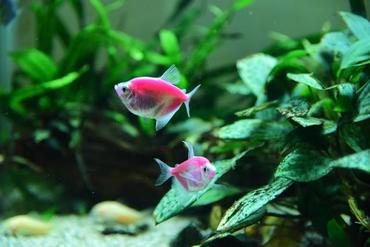
What Are GloFish and How Do You Care for Them?
Bright, glowing fish that look like they belong in a science fiction movie have become a familiar sight in modern aquariums.
Fishless Cycling vs Fish-In Cycling: Which Method Is Best for Your Aquarium?
Setting up a new aquarium is one of the most exciting moments in the fishkeeping hobby—but it’s also where most beginners unintentionally make mistakes that lead to stressed fish, disease outbreaks, or early losses.
Our Guide to How Often to Feed Aquarium Fish
One of the most common questions every aquarist asks—from the first-time Goldfish owner to the seasoned reef enthusiast—is exactly how often those hungry mouths should be fed.
Blackwater & Biotope Aquariums (Natural-Style Boom)
For decades, the gold standard of the home aquarium was a pristine, crystal-clear box of water, often decorated with neon gravel and plastic plants that bore little resemblance to the wild.
Sustainable & Ethical Fishkeeping
Bringing a slice of the underwater world into your home is a rewarding experience, but as the hobby grows, so does our responsibility to ensure that our passion doesn’t come at the expense of the environments we admire.
Driftwood in Aquariums: Benefits, Types, and How to Prepare It Safely
Adding a piece of driftwood to your aquarium is one of the most transformative decisions you can make as a hobbyist, shifting your tank from a simple glass box to a vibrant, living slice of nature.
History Of Fish Keeping As A Hobby
Fish keeping is one of the world’s oldest and most enduring hobbies, blending art, science, and a deep fascination with aquatic life.
CO2 for Planted Aquariums: A Beginner’s Guide to Healthier, Faster Growth
While many aquarium hobbyists start their journey with low-light plants like Anubias or Java Fern, they often find themselves wondering why their tanks do not look like the lush, vibrant underwater jungles seen in professional aquascaping competitions.
Blackwater Aquariums: How Tannins Improve Fish Health and Reduce Stress
The mysterious, tea-colored depths of a blackwater aquarium may look "dirty" to the uninitiated, but for many tropical fish species, these tannin-rich environments are a slice of paradise.
Cherry Shrimp Care for Beginners: Tank Setup, Water, and Breeding Tips
Cherry shrimp (Neocaridina davidi) have revolutionized the freshwater aquarium hobby, transforming the way enthusiasts view small-scale ecosystems.
Emergency Power Outages: How to Protect Your Aquarium
Few things strike fear into the heart of an aquarium hobbyist like a sudden power outage.
Brackish Aquariums for Beginners: Reliable Setups, Stocking, and Salinity Tips
The world of fishkeeping is often divided into two clear-cut camps: freshwater and saltwater.
What Is Driftwood Doing in Your Tank?
Adding a piece of driftwood to your aquarium is one of the most effective ways to transform a sterile glass box into a thriving, natural ecosystem.
Best Fish for a 10-Gallon Tank with Plants: A Complete Guide for Beginners
Starting a 10-gallon aquarium is one of the most exciting entry points into the fish-keeping hobby, offering a perfect balance between a manageable footprint and enough space to create a thriving underwater ecosystem.
Beginner Aquarium Mistakes That Kill Fish in the First 30 Days
The first 30 days of owning an aquarium are often referred to as the "danger zone" for both the hobbyist and the fish.
How to Build an Automatic Fish Feeder
Every aquarium hobbyist knows the subtle anxiety that creeps in the moment you lock your front door for a weekend getaway or a well-deserved vacation.
Creative hacks to keep your aquarium clean
Let’s be honest: while we all love the tranquil beauty of a thriving underwater ecosystem, very few of us actually enjoy the back-breaking labor of scrubbing algae at 10:00 PM on a Sunday.
Aquascaping for Beginners: Designing a Natural Underwater Landscape
Aquascaping is the transformative art of arranging aquatic plants, stones, driftwood, and substrate in a way that transcends the traditional fish tank, turning a glass box into a living, breathing underwater masterpiece.
Fish Compatibility Checker: How to Build Peaceful Freshwater and Saltwater Communities
Starting a new aquarium is one of the most exciting moments in the hobby, but nothing halts that enthusiasm faster than waking up to find a once-vibrant community decimated by aggression or stress.
Aquascaping Tips to Reduce Aggression in Fish
Walking into a room and seeing a beautifully scaped aquarium is supposed to be a Zen experience, but for many hobbyists, that peace is shattered by the sight of a dominant fish relentlessly chasing its tank mates.
How to Fix Cloudy Water Fast (White, Green & Yellow Water Explained)
There is perhaps no greater disappointment for an aquarium enthusiast than approaching a carefully curated tank only to find the view obscured by a thick, mysterious haze.
Low-Light Aquarium Plants for Beginners
The transition from a basic fish tank to a lush, living underwater garden is often the most rewarding milestone for any aquarium enthusiast.
The Benefits of Having a Nano Aquarium and Tips for Setting One Up
If you're fascinated by the beauty of aquatic life but think a full-sized aquarium might be too overwhelming, a nano aquarium could be the perfect solution.
Aquarium Water Chemistry Made Simple: pH, Hardness, and Healthy Fishkeeping
Walking into a local fish store and seeing a vibrant display of neon tetras or majestic angelfish is enough to make anyone want to dive headfirst into the aquarium hobby.
Why Your Aquarium Lighting Matters More Than You Think
For many new hobbyists, setting up an aquarium feels like a balancing act between water chemistry, filtration, and choosing the right fish.
Early Disease Identifications in the Tank
Maintaining a thriving aquarium is a rewarding journey, but even the most diligent hobbyist will eventually face the challenge of a sick fish.
Is My Fish Stressed? A 10-Minute Checklist to Prevent Emergencies
Walking into a room and seeing your fish acting unusual can be a heart-sinking experience for any hobbyist.
Beyond the Naked Eye: Using AI and Vision Apps to Diagnose Fish Diseases Early
Every aquarium hobbyist knows the sinking feeling of approaching their tank in the morning only to see a prized Neon Tetra shimmying awkwardly or a Goldfish sporting a single, ominous white speck on its fin.
Aquarium Hardscape Guide: Dragon Stone, Seiryu, Spider Wood & More.
Creating a captivating underwater landscape is about more than just choosing the right fish; it is about building a foundation that mimics the natural world.
Spring Cleaning: How to Clean and Give Your Old Tank New Life
Keeping your tank clean is about more than just aesthetics - it also affects your fish.
Aquarium Science Myths: 10 Outdated Fishkeeping Rules You Should Stop Following
The world of fishkeeping has evolved dramatically over the last few decades, moving away from anecdotal "old wives' tales" toward a more rigorous, science-based approach to aquatic husbandry.
Eco-Friendly Aquarium Guide: Energy-Saving Gear and Responsible Stocking
The aquarium hobby offers a unique window into the wonders of the aquatic world, but as any seasoned hobbyist knows, maintaining a slice of the ocean or a tropical river in your living room requires a significant amount of resources.
How to Buy Aquarium Supplies Online
The transition from browsing the aisles of a local pet store to navigating the vast digital landscape of online aquarium retailers marks a significant milestone for any hobbyist looking to expand their aquatic horizons.
Smart Planted Tanks: Budget Automation for Lighting, CO₂, and Safety
Maintaining a lush, vibrant planted aquarium often feels like a balancing act between a rewarding hobby and a full-time job.
Aquarium Fish Medications - Do or Don't?
Learn about how aquarium fish medications work and what diseases they may be used for.
Do You Need CO₂? Three Proven Paths to a Healthy Planted Tank
The lush, vibrant landscape of a masterfully scaped planted aquarium is often what draws newcomers into the hobby, but it is also the source of the most common question: do I really need a CO2 system to achieve this?
Tips for Spotting Signs of Distress in Your Fish Before It's Too Late
When you see signs of stress in your fish, you can then take steps to identify the source of that stress and then to resolve it before it becomes a major issue.
The Right and Wrong Way to Catch Fish
There is perhaps no moment more stressful for both an aquarist and their aquatic residents than the sight of a blue mesh net dipping into the water.
The Zen of Aquascaping: Using Iwagumi Principles for Mindfulness and Stress Relief
In the modern world, the constant noise of digital notifications and the fast-paced demands of daily life often leave us searching for a sanctuary where we can reclaim a sense of peace.
Quarantine Tanks Explained: Why Most Fish Loss Happens in the First 30 Days
The first month after you bring home new fish is when most preventable losses happen—often because the fish are stressed, carrying hidden parasites, or placed into a tank that isn’t ready for them.
What You Need to Know About All-in-One Aquariums
For many aspiring aquarists, the sheer volume of equipment required to start a successful tank—sumps, plumbing, external filters, and lighting—can feel overwhelming.
Voice-Controlled Aquariums: Integrating Your Tank with Alexa and Google Home
The modern aquarium hobby is undergoing a digital transformation that goes far beyond high-tech filters and LED lighting.
The Rise of Smart Leak Detection: Protecting Your Home from Aquarium Disasters
There is no sound more terrifying to an aquarium hobbyist than the slow, steady drip of water hitting a hardwood floor in the middle of the night.
Do You Know What You Are Feeding Your Fish?
Walking down the aquarium aisle of a local pet store can be a dizzying experience.
Simple Tips for Building a Saltwater Tank Without Breaking the Bank
The allure of a saltwater aquarium is undeniable—the vibrant colors of a Coral Beauty Angelfish, the rhythmic pulsing of Xenia corals, and the fascinating symbiotic relationship between a Clownfish and its anemone are enough to captivate any nature lover.
Why Keep Aquarium Fish?
There is something inherently hypnotic about the slow, rhythmic movement of a well-maintained aquarium.
How Cycling the Tank Can Stress Your Fish
Setting up a new aquarium is one of the most exciting moments in the fishkeeping hobby, but it’s also where many beginners unknowingly create stressful — and sometimes deadly — conditions for their fish.
3 Problems Every Aquarist Can Avoid
The transition from admiring a beautiful aquarium to successfully maintaining one is often marked by a series of "ah-ha" moments and, unfortunately, a few heartbreaks.
Read more articles (64)

READ AQUARIUM ARTICLES