SIMPLE TIPS FOR BUILDING A SALTWATER TANK WITHOUT BREAKING THE BANK

Simple Tips for Building a Saltwater Tank Without Breaking the Bank
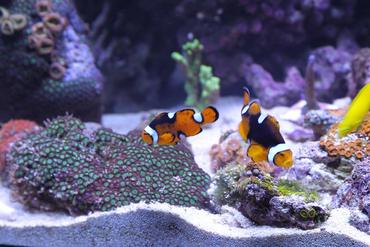
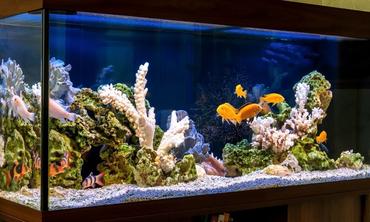
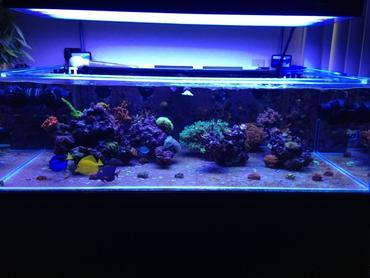
The allure of a saltwater aquarium is undeniable—the vibrant colors of a Coral Beauty Angelfish, the rhythmic pulsing of Xenia corals, and the fascinating symbiotic relationship between a Clownfish and its anemone are enough to captivate any nature lover. However, for years, the barrier to entry for the marine hobby has been the perceived sticker shock. Many beginners walk into a local fish store, see the multi-thousand-dollar price tags on high-tech reef systems, and walk right back out. But here is a secret that veteran reefers know: a stunning saltwater tank does not require a second mortgage. By understanding where to invest your money and where to save, you can build a thriving marine ecosystem that is both beautiful and budget-friendly. This guide will walk you through practical, real-world strategies to navigate the saltwater world without breaking the bank, proving that budget does not have to mean basic.

1. Choosing the Right Tank Size: The 40-Gallon Sweet Spot

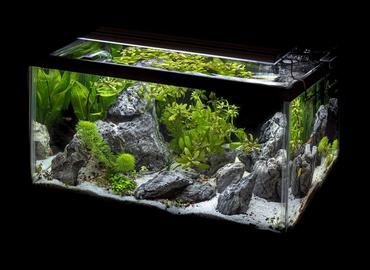
When trying to save money, the natural instinct is to go as small as possible. However, in the saltwater world, pico tanks (under 5 gallons) and nano tanks (under 20 gallons) can actually be more expensive and difficult to maintain because small volumes of water are chemically unstable. Conversely, 100-gallon tanks require massive amounts of salt, rock, and expensive high-wattage lighting. For the budget-conscious hobbyist, the 40-gallon breeder is the undisputed champion of value.

  • Surface Area: A 40-gallon breeder is wide and shallow, providing a large surface area for gas exchange and more real estate for corals and rockwork without needing deep-penetrating, expensive lights.
  • Stability: It holds enough water to buffer against minor mistakes, such as overfeeding or temperature fluctuations, which can be fatal in smaller setups.
  • Availability: Standard 40-gallon tanks are often included in dollar-per-gallon or half-off sales at major retailers, making the initial glass purchase incredibly affordable.

A common beginner mistake is buying a tall, hex-shaped tank or a deep corner unit because it looks stylish. These are a nightmare to light and even harder to clean. Stick to standard rectangular footprints to save money on equipment and long-term maintenance time.

2. Equipment Hacks: Smart Shopping and DIY Solutions

The reef-ready label often adds a massive premium to equipment. To keep costs low, you need to be a savvy shopper. The used market is a goldmine for the saltwater hobby. Because people frequently upgrade their systems or leave the hobby, you can often find high-quality protein skimmers, sumps, and even LED lights for 30% to 50% of their retail price on local forums or social media marketplaces.

  • Dry Rock vs. Live Rock: Instead of buying expensive Live Rock at 10 to 15 dollars per pound, buy dry base rock. It is much cheaper, pest-free, and will eventually become live once your tank cycles. This alone can save you hundreds of dollars.
  • Simplify Your Filtration: You do not need a high-end roller mat or an expensive media reactor on day one. A simple sump with filter socks and a decent protein skimmer is all you need to maintain pristine water quality.
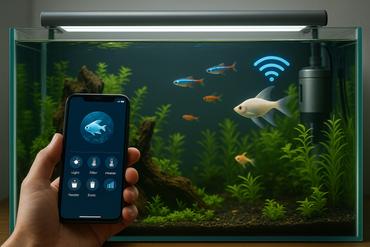
  • Lighting: While high-end reef lights have app control and sunset features, mid-range black box LEDs or even high-output T5 fixtures can grow almost any coral successfully at a fraction of the cost.

Before buying used equipment, always ask to see it running. Specifically, check the seals on used tanks and the impellers on pumps to ensure they have not been damaged by calcium buildup or running dry. Taking 10 minutes to inspect a used pump can save you from a 100-dollar mistake.

3. Selecting Budget-Friendly and Hardy Livestock

It is easy to get distracted by designer Clownfish or rare Acropora that cost hundreds of dollars for a single inch of coral. To build a budget tank, you should focus on hardy, beautiful species that are readily available. Many of the most iconic saltwater fish are actually among the most affordable because they are easier to breed or collect sustainably.

  • Hardy Fish Choices: Ocellaris Clownfish, Royal Grammas, and Firefish are stunning, colorful, and usually priced affordably. They are also incredibly resilient, which saves you money by preventing livestock loss during the learning curve.
  • The Clean-Up Crew: Avoid the temptation to buy dozens of different snails. Focus on Trochus snails and Blue-Legged Hermit Crabs. They are efficient workers that help with controlling algae growth, preventing the need for expensive chemical algaecides.
  • Fast-Growing Corals: If you want a reef, start with Soft Corals like Green Star Polyps, Xenia, or Zoanthids. These corals grow fast and do not require the expensive calcium dosing systems that stony corals demand.

Real-world example: Many hobbyists join local reef clubs. Most members are happy to give away or trade small frags (fragments) of their corals for free or very low prices, allowing you to fill your tank with life for almost nothing compared to retail prices.

4. Compatibility and Care: Avoiding Costly Errors

The most expensive part of the saltwater hobby is replacing fish that have died due to poor compatibility or improper care. An aggressive fish isn't just a nuisance; it is a financial liability if it kills its tank mates. Researching species behavior before you buy is the best budget-saving tip available.

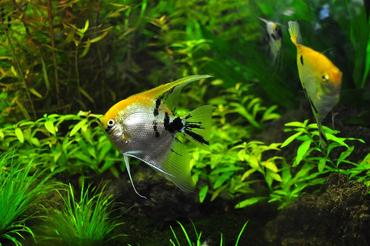
  • The Nipping Risk: Some affordable fish, like certain Dwarf Angelfish, are reef safe with caution. If you plan on keeping corals, a fish that nips at them can cost you hundreds of dollars in damage overnight.
  • Territoriality: Avoid keeping multiple look-alike species in a small volume. Refer to our guide on aquascaping tips to reduce aggression to ensure your layout provides enough hiding spots to keep everyone peaceful.
  • Quarantine is a Money Saver: It may seem like an extra expense to set up a small 10-gallon quarantine tank, but it is cheaper than treating an entire display tank for Ich or Velvet. One sick fish from a store can wipe out your entire investment in a week.

Consistency is the key to saltwater care. Instead of buying expensive automated dosers, set a calendar reminder for weekly 10% water changes. This manual labor is free and is the most effective way to maintain the mineral balance in your tank without buying extra chemicals.

5. Managing Ongoing Costs: Salt, Power, and Food

The initial setup is a one-time cost, but the hidden costs of salt and electricity can sneak up on you. To keep your monthly budget under control, you need to be strategic about your consumables and utility usage.

  • Buy Salt in Bulk: Never buy small bags of salt. Purchase the largest buckets or boxes available, usually 160-gallon to 200-gallon mixes. The price per gallon drops significantly when you buy in volume.
  • Energy Efficiency: Modern DC (Direct Current) pumps and LED lights use significantly less electricity than older AC pumps and Metal Halide lights. While they might cost slightly more upfront, they will save you that amount in electricity costs within the first year.
  • Homemade Fish Food: High-end prepared foods are expensive. You can make a reef mush by buying fresh seafood (shrimp, scallops, whitefish) from the grocery store, blending it with some nori and vitamins, and freezing it. It is more nutritious and costs a fraction of the price of pre-packaged frozen cubes.

Another essential tip is to use an Automatic Top-Off (ATO) system. While it costs about 60 to 80 dollars, it prevents salinity swings by replacing evaporated water automatically. This prevents osmotic shock in your fish, which is a leading cause of death for beginners who forget to top off their tanks manually.

6. Patience as a Financial Strategy

In the reef hobby, nothing good happens fast. Trying to rush a tank often leads to New Tank Syndrome, where ammonia spikes kill your livestock. The cheapest way to cycle a tank is with a bottle of ammonia and a piece of raw shrimp—a method that costs pennies compared to buying starter fish that might not survive the process.

Give your tank time to mature before adding corals. A tank that is six months old is much more stable than a tank that is six weeks old. By waiting, you ensure that when you finally spend money on a beautiful specimen, it has the best possible chance of survival. For those just starting their journey, understanding saltwater and reef tank cycling is the most important homework you can do to save money long-term.

Real-world experience shows that hobbyists who wait for the nitrogen cycle to complete and for the first stage of algae to pass spend 50% less on medications and replacement fish in their first year than those who rush to stock their tank in the first week.

Takeaway: Your Dream Reef is Within Reach

Building a saltwater tank on a budget is not only possible; it is often more rewarding. It forces you to learn the biology of your inhabitants, engage with the local community, and prioritize the health of your animals over flashy gadgets. By choosing a 40-gallon breeder, shopping the used market, selecting hardy livestock, and practicing patient care, you can create a slice of the ocean that rivals the most expensive systems in beauty and stability. Remember, a thriving 500-dollar tank is much more impressive than a failing 5,000-dollar tank. Start slow, stay consistent, and enjoy the process of watching your underwater garden grow. Would you like us to help you build a specific equipment list for a budget-friendly 40-gallon reef? Explore our species spotlights and equipment reviews to start your journey today!

Aquascaping Tips to Reduce Aggression in Fish
Walking into a room and seeing a beautifully scaped aquarium is supposed to be a Zen experience, but for many hobbyists, that peace is shattered by the sight of a dominant fish relentlessly chasing its tank mates.
What You Need to Know About All-in-One Aquariums
For many aspiring aquarists, the sheer volume of equipment required to start a successful tank—sumps, plumbing, external filters, and lighting—can feel overwhelming.

MOST RECENT ARTICLES

Overstocking Myths vs Reality
OVERSTOCKING MYTHS VS REALITY
Setting up a new aquarium is an exercise in restraint that many hobbyists, both beginners and seasoned veterans, find difficult to master.
Blackwater & Biotope Aquariums (Natural-Style Boom)
BLACKWATER & BIOTOPE AQUARIUMS (NATURAL-STYLE BOOM)
For decades, the gold standard of the home aquarium was a pristine, crystal-clear box of water, often decorated with neon gravel and plastic plants that bore little resemblance to the wild.
Sustainable & Ethical Fishkeeping
SUSTAINABLE & ETHICAL FISHKEEPING
Bringing a slice of the underwater world into your home is a rewarding experience, but as the hobby grows, so does our responsibility to ensure that our passion doesn’t come at the expense of the environments we admire.

Rate This Tank:

GENERAL AQUARIUM ARTICLES
Top Fish for Community Tanks
Creating a thriving community aquarium is one of the most rewarding experiences in the fish-keeping hobby, offering a dynamic window into a complex underwater ecosystem.
Top 10 Beginner-Friendly Freshwater Fish (Ranked by Ease of Care)
Diving into the world of freshwater aquariums is an exhilarating journey, but for many beginners, the initial excitement is often met with the daunting challenge of keeping their new aquatic residents alive and thriving.
Aquarium Water Changes: How Often and How Much?
Maintaining a thriving aquarium is often described as a balancing act, and no single task is more critical to that balance than the routine water change.
Blackwater Aquariums: How Tannins Improve Fish Health and Reduce Stress
The mysterious, tea-colored depths of a blackwater aquarium may look "dirty" to the uninitiated, but for many tropical fish species, these tannin-rich environments are a slice of paradise.
Top 10 Nano Predators (and How to Keep Them Peacefully)
The allure of the predatory fish has long been a driving force in the aquarium hobby, drawing enthusiasts toward the raw, primal energy of nature's most efficient hunters.
Betta Fish in a Planted Tank: Setup, Care & Mistakes to Avoid
The Betta fish, with its cascading fins and kaleidoscopic colors, has long been the victim of the "bowl" myth, but modern aquarists are finally recognizing that these intelligent, labyrinth-breathing creatures truly flourish when placed in a living, breathing ecosystem.
Best Fish for a 10 Gallon Tank with Plants
Setting up a 10-gallon planted aquarium is one of the most rewarding projects a hobbyist can undertake, offering a perfect slice of nature that fits comfortably on a desk or side table.
AI and Smart Technology in Aquariums: The Future of Fishkeeping
Technology is transforming the aquarium hobby faster than ever before.
Beginner-Friendly Oddball Fish: Unique Species That Work in Small Tanks
Want something cooler than guppies and tetras in your small aquarium, but not ready for ultra-demanding species?
Beginner Aquarium Mistakes That Kill Fish in the First 30 Days
The first 30 days of owning an aquarium are often referred to as the "danger zone" for both the hobbyist and the fish.
Aquarium Temperature Guide: What’s Best for Your Fish?
Maintaining the perfect environment for your aquatic pets is a delicate balancing act, and temperature is arguably the most critical variable in the equation.
Aquarium Hardscape Guide: Dragon Stone, Seiryu, Spider Wood & More.
Creating a captivating underwater landscape is about more than just choosing the right fish; it is about building a foundation that mimics the natural world.
Fish Compatibility Checker: How to Build Peaceful Freshwater and Saltwater Communities
Starting a new aquarium is one of the most exciting moments in the hobby, but nothing halts that enthusiasm faster than waking up to find a once-vibrant community decimated by aggression or stress.
How to Fix Cloudy Water Fast (White, Green & Yellow Water Explained)
There is perhaps no greater disappointment for an aquarium enthusiast than approaching a carefully curated tank only to find the view obscured by a thick, mysterious haze.
Low-Light Aquarium Plants for Beginners
The transition from a basic fish tank to a lush, living underwater garden is often the most rewarding milestone for any aquarium enthusiast.
Driftwood in Aquariums: Benefits, Types, and How to Prepare It Safely
Adding a piece of driftwood to your aquarium is one of the most transformative decisions you can make as a hobbyist, shifting your tank from a simple glass box to a vibrant, living slice of nature.
The Benefits of Having a Nano Aquarium and Tips for Setting One Up
If you're fascinated by the beauty of aquatic life but think a full-sized aquarium might be too overwhelming, a nano aquarium could be the perfect solution.
Cherry Shrimp Care for Beginners: Tank Setup, Water, and Breeding Tips
Cherry shrimp (Neocaridina davidi) have revolutionized the freshwater aquarium hobby, transforming the way enthusiasts view small-scale ecosystems.
Aquascaping for Beginners: Designing a Natural Underwater Landscape
Aquascaping is the transformative art of arranging aquatic plants, stones, driftwood, and substrate in a way that transcends the traditional fish tank, turning a glass box into a living, breathing underwater masterpiece.
Best Fish for a 10-Gallon Tank with Plants: Top Choices for a Thriving Nano Aquarium
Starting a 10-gallon aquarium is one of the most exciting entries into the fish-keeping hobby, offering a perfect balance between a manageable footprint and enough space to create a stunning underwater garden.
Aquarium Science Myths: 10 Outdated Fishkeeping Rules You Should Stop Following
The world of fishkeeping has evolved dramatically over the last few decades, moving away from anecdotal "old wives' tales" toward a more rigorous, science-based approach to aquatic husbandry.
Creative hacks to keep your aquarium clean
Let’s be honest: while we all love the tranquil beauty of a thriving underwater ecosystem, very few of us actually enjoy the back-breaking labor of scrubbing algae at 10:00 PM on a Sunday.
How to Build an Automatic Fish Feeder
Every aquarium hobbyist knows the subtle anxiety that creeps in the moment you lock your front door for a weekend getaway or a well-deserved vacation.
Early Disease Identifications in the Tank
Maintaining a thriving aquarium is a rewarding journey, but even the most diligent hobbyist will eventually face the challenge of a sick fish.
What Are GloFish and How Do You Care for Them?
Bright, glowing fish that look like they belong in a science fiction movie have become a familiar sight in modern aquariums.
Aquarium Water Chemistry Made Simple: pH, Hardness, and Healthy Fishkeeping
Walking into a local fish store and seeing a vibrant display of neon tetras or majestic angelfish is enough to make anyone want to dive headfirst into the aquarium hobby.
Best Fish for a 10-Gallon Tank with Plants: A Complete Guide for Beginners
Starting a 10-gallon aquarium is one of the most exciting entry points into the fish-keeping hobby, offering a perfect balance between a manageable footprint and enough space to create a thriving underwater ecosystem.
CO2 for Planted Aquariums: A Beginner’s Guide to Healthier, Faster Growth
While many aquarium hobbyists start their journey with low-light plants like Anubias or Java Fern, they often find themselves wondering why their tanks do not look like the lush, vibrant underwater jungles seen in professional aquascaping competitions.
Quarantine Tanks Explained: Why Most Fish Loss Happens in the First 30 Days
The first month after you bring home new fish is when most preventable losses happen—often because the fish are stressed, carrying hidden parasites, or placed into a tank that isn’t ready for them.
History Of Fish Keeping As A Hobby
Fish keeping is one of the world’s oldest and most enduring hobbies, blending art, science, and a deep fascination with aquatic life.
Emergency Power Outages: How to Protect Your Aquarium
Few things strike fear into the heart of an aquarium hobbyist like a sudden power outage.
Fishless Cycling vs Fish-In Cycling: Which Method Is Best for Your Aquarium?
Setting up a new aquarium is one of the most exciting moments in the fishkeeping hobby—but it’s also where most beginners unintentionally make mistakes that lead to stressed fish, disease outbreaks, or early losses.
Brackish Aquariums for Beginners: Reliable Setups, Stocking, and Salinity Tips
The world of fishkeeping is often divided into two clear-cut camps: freshwater and saltwater.
How to Keep Your Tank Safe During a Power Outage
A power outage is every aquarium hobbyist’s worst nightmare, often striking at the most inconvenient times—during a summer thunderstorm or a winter blizzard.
What Is Driftwood Doing in Your Tank?
Adding a piece of driftwood to your aquarium is one of the most effective ways to transform a sterile glass box into a thriving, natural ecosystem.
3 Problems Every Aquarist Can Avoid
The transition from admiring a beautiful aquarium to successfully maintaining one is often marked by a series of "ah-ha" moments and, unfortunately, a few heartbreaks.
Aquarium Fish Medications - Do or Don't?
Learn about how aquarium fish medications work and what diseases they may be used for.
Aquascaping Tips to Reduce Aggression in Fish
Walking into a room and seeing a beautifully scaped aquarium is supposed to be a Zen experience, but for many hobbyists, that peace is shattered by the sight of a dominant fish relentlessly chasing its tank mates.
Spring Cleaning: How to Clean and Give Your Old Tank New Life
Keeping your tank clean is about more than just aesthetics - it also affects your fish.
Why Your Aquarium Lighting Matters More Than You Think
For many new hobbyists, setting up an aquarium feels like a balancing act between water chemistry, filtration, and choosing the right fish.
Tips for Spotting Signs of Distress in Your Fish Before It's Too Late
When you see signs of stress in your fish, you can then take steps to identify the source of that stress and then to resolve it before it becomes a major issue.
How to Buy Aquarium Supplies Online
The transition from browsing the aisles of a local pet store to navigating the vast digital landscape of online aquarium retailers marks a significant milestone for any hobbyist looking to expand their aquatic horizons.
How Cycling the Tank Can Stress Your Fish
Setting up a new aquarium is one of the most exciting moments in the fishkeeping hobby, but it’s also where many beginners unknowingly create stressful — and sometimes deadly — conditions for their fish.
Eco-Friendly Aquarium Guide: Energy-Saving Gear and Responsible Stocking
The aquarium hobby offers a unique window into the wonders of the aquatic world, but as any seasoned hobbyist knows, maintaining a slice of the ocean or a tropical river in your living room requires a significant amount of resources.
Do You Know What You Are Feeding Your Fish?
Walking down the aquarium aisle of a local pet store can be a dizzying experience.
Why Keep Aquarium Fish?
There is something inherently hypnotic about the slow, rhythmic movement of a well-maintained aquarium.
What You Need to Know About All-in-One Aquariums
For many aspiring aquarists, the sheer volume of equipment required to start a successful tank—sumps, plumbing, external filters, and lighting—can feel overwhelming.
Is My Fish Stressed? A 10-Minute Checklist to Prevent Emergencies
Walking into a room and seeing your fish acting unusual can be a heart-sinking experience for any hobbyist.
The Right and Wrong Way to Catch Fish
There is perhaps no moment more stressful for both an aquarist and their aquatic residents than the sight of a blue mesh net dipping into the water.
Simple Tips for Building a Saltwater Tank Without Breaking the Bank
The allure of a saltwater aquarium is undeniable—the vibrant colors of a Coral Beauty Angelfish, the rhythmic pulsing of Xenia corals, and the fascinating symbiotic relationship between a Clownfish and its anemone are enough to captivate any nature lover.
Smart Planted Tanks: Budget Automation for Lighting, CO₂, and Safety
Maintaining a lush, vibrant planted aquarium often feels like a balancing act between a rewarding hobby and a full-time job.
Do You Need CO₂? Three Proven Paths to a Healthy Planted Tank
The lush, vibrant landscape of a masterfully scaped planted aquarium is often what draws newcomers into the hobby, but it is also the source of the most common question: do I really need a CO2 system to achieve this?
Community Fish Compatibility Guide
Creating a thriving community aquarium is one of the most rewarding aspects of the fish-keeping hobby, but it requires much more than simply picking out the most colorful fish at the local pet store.
Read more articles (55)

READ AQUARIUM ARTICLES