COMPUTER VISION FOR FISH HEALTH
What Is Computer Vision and How Does It Apply to Aquariums?
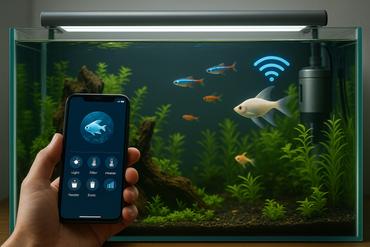
Computer vision is a branch of artificial intelligence that allows computers to analyze and interpret visual information from cameras. In the aquarium world, computer vision systems can watch your tank continuously, analyzing fish movement, body shape, coloration, and behavior patterns. Instead of relying solely on the human eye during daily feeding or maintenance, these systems monitor your aquarium 24/7.
The technology works by comparing live video from your tank against learned patterns of healthy fish behavior. If something unusual occurs—like a fish swimming erratically, hiding excessively, or developing visible spots—the system can alert you to a potential issue.
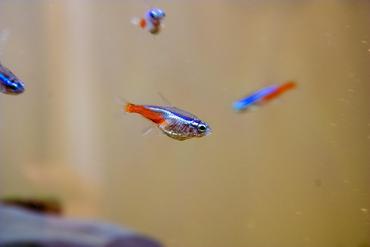
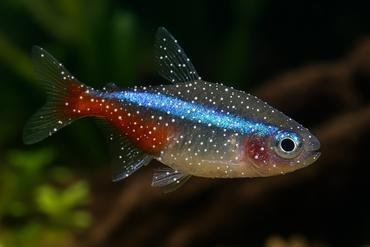
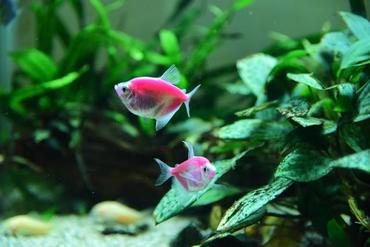
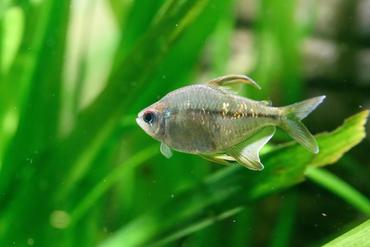
For example, many fish diseases show behavioral symptoms before physical symptoms. A Neon Tetra with the early stages of illness might swim more slowly or isolate itself from the school. Early detection is critical because diseases can spread rapidly in a closed aquarium ecosystem. As many experienced aquarists know, spotting subtle changes early can mean the difference between treating one fish and losing an entire tank population.
In practical terms, computer vision tools may include:
- Smart aquarium cameras connected to a mobile app
- AI-powered disease recognition software
- Behavior tracking tools that monitor swimming patterns
- Automated alerts for unusual activity
While these tools don’t replace good aquarium care, they can serve as an extra set of eyes that never get tired.
Early Disease Detection with AI Monitoring
One of the most promising uses of computer vision in fishkeeping is early disease detection. Fish often hide symptoms until an illness is already advanced, which is why many hobbyists feel caught off guard when problems appear. AI monitoring systems can detect small visual or behavioral changes that hobbyists might overlook.
Some of the most common diseases that computer vision systems may help identify include:
- Ich (white spot disease)
- Fin rot
- Swim bladder issues
- Fungal infections
- External parasites
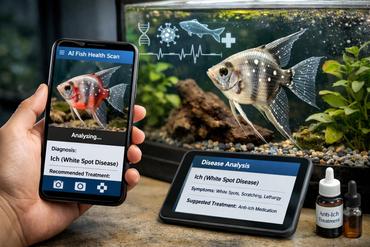
For instance, a computer vision algorithm can identify tiny white spots forming on a fish’s body—often the first visible sign of Ich—before they become obvious to the naked eye. If caught early, treatment is far easier and less stressful for your fish.
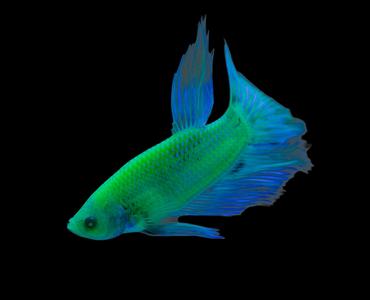
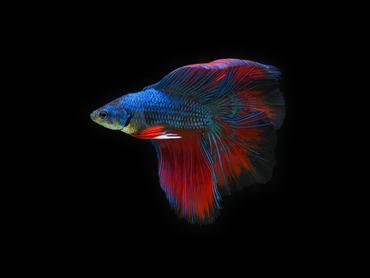
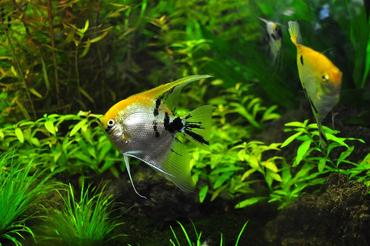
Species like Betta fish, Angelfish, and Discus can be particularly sensitive to environmental changes and disease outbreaks. Monitoring systems can help detect subtle stress signals such as reduced movement or abnormal breathing patterns. If you keep species prone to certain illnesses, learning about common diseases is essential—for example, this guide on identifying and treating common cichlid diseases explains how quickly issues can develop in sensitive species.
The biggest benefit here is timing. When hobbyists intervene early, treatments like quarantine tanks, medication, or water parameter adjustments are much more effective.
Tracking Fish Behavior and Stress Levels
Fish behavior tells you a lot about the health of your aquarium. Experienced aquarists often notice when a fish begins acting differently—hiding more often, swimming near the surface, or losing interest in food. Computer vision technology takes this idea further by quantifying behavior patterns over time.
For example, AI monitoring systems can track:
- Swimming speed and activity levels
- Time spent hiding or resting
- Schooling behavior in group species
- Territorial interactions between fish
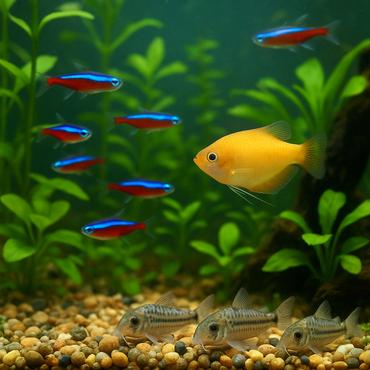
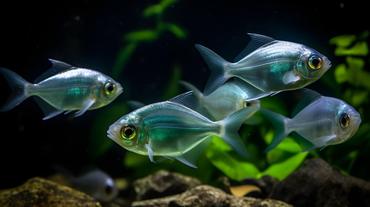
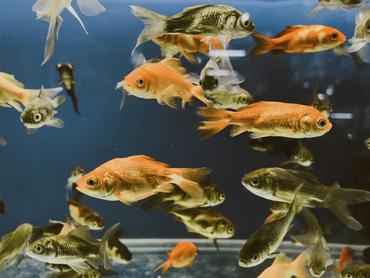
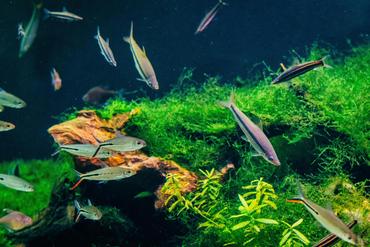
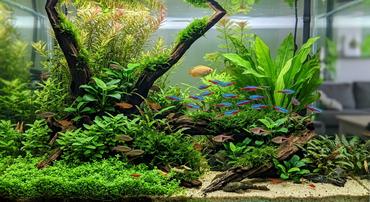
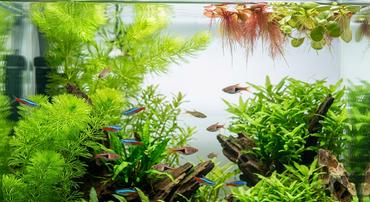
This can be particularly useful in community tanks where dozens of fish interact with each other. Schooling fish like Neon Tetras, Rummy Nose Tetras, and Harlequin Rasboras should move together in coordinated groups. If one fish suddenly breaks away from the school or becomes inactive, it may be experiencing stress or illness.
Behavior monitoring is also helpful for identifying environmental problems. For example, fish that suddenly gather near the water surface may be responding to low oxygen levels or poor water quality. These early warning signs allow hobbyists to check filtration, aeration, and water parameters before a serious problem develops.
In many ways, computer vision acts like a detailed activity log for your aquarium—tracking patterns that would otherwise be impossible to observe continuously.
Choosing Fish Species That Benefit from Monitoring
Not all fish display illness or stress in the same way. Some species show obvious symptoms quickly, while others hide problems until it’s too late. Computer vision tools can be especially helpful for species known for subtle behavioral cues.
Some good examples include:
- Discus: Highly sensitive to water quality and stress
- Angelfish: Can show early disease symptoms through behavior changes
- Neon Tetras: Schooling fish that reveal stress when schooling patterns break
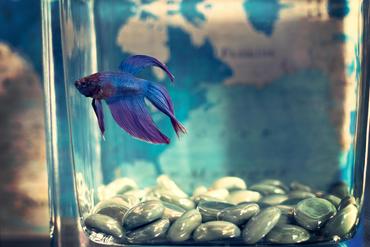
- Bettas: Often display lethargy or fin changes before visible disease
Community tanks containing multiple species can also benefit greatly from monitoring. In these setups, stress may come from aggression, overcrowding, or incompatible tank mates. If you’re building a mixed-species aquarium, understanding fish compatibility is essential. This helpful guide on community fish compatibility explains how proper species selection helps reduce stress and disease risks in shared tanks.
By pairing good stocking choices with modern monitoring technology, hobbyists can create a healthier and more stable aquarium environment.
Compatibility and Care Considerations for Smart Aquarium Monitoring
While computer vision can improve fish health monitoring, it doesn’t replace good aquarium husbandry. Successful fishkeeping still depends on proper tank setup, water quality, and species compatibility.
Here are a few practical considerations when using monitoring technology in your aquarium:
- Ensure good lighting so cameras can clearly detect fish movement and coloration
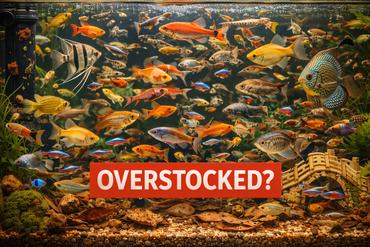
- Avoid overcrowding, which can make behavior tracking inaccurate
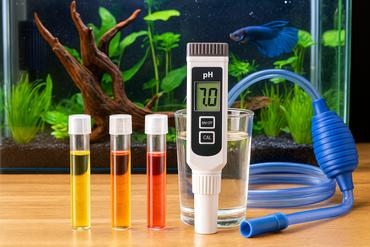
- Maintain stable water parameters with regular testing and maintenance
- Use quarantine tanks for new fish introductions
- Combine monitoring alerts with regular visual inspections
Many beginners make the mistake of relying entirely on technology rather than developing observational skills. Remember that AI tools should support—not replace—your understanding of aquarium care.
Compatibility also plays a major role in fish health. Aggressive species can cause chronic stress in peaceful fish, leading to weakened immune systems and increased disease risk. For example, larger or more territorial fish may bully smaller species if tank conditions are not carefully planned. Understanding the basics of species compatibility is critical for building a stable aquarium environment.
Even the smartest monitoring system cannot compensate for poor tank management, so always prioritize good husbandry practices.
Common Beginner Mistakes with Aquarium Technology
Like any new technology, computer vision tools can be misunderstood or misused by beginners. While these systems offer helpful insights, they work best when used alongside traditional aquarium care methods.
Some common mistakes include:
- Ignoring water quality testing because the system shows no alerts
- Overreacting to minor behavior changes that are actually normal
- Installing cameras in poorly lit tanks
- Failing to quarantine new fish before adding them to the display tank
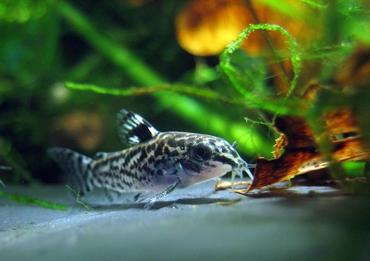
Fish behavior naturally changes throughout the day. For example, Corydoras catfish are more active during feeding times, while many species rest at night. Understanding your fish’s normal routine helps prevent unnecessary concern when monitoring alerts appear.
Another mistake is assuming technology can instantly diagnose every disease. While AI may detect abnormal patterns, treatment decisions still require knowledge of fish diseases, medications, and water conditions.
Think of computer vision systems as a helpful assistant rather than a replacement for aquarium experience.
The Future of Fishkeeping Technology
As aquarium technology continues to evolve, computer vision is likely to become more accessible to everyday hobbyists. Smart tanks may soon include built-in cameras, automated health reports, and AI-powered recommendations for feeding, filtration, and water changes.
Some future developments already being explored include:
- Automated disease diagnosis through mobile apps
- Behavior analysis for breeding readiness
- Real-time compatibility alerts when fish show aggression
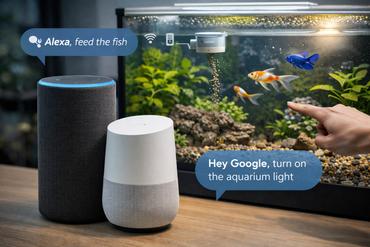
- Integration with automated feeders and water testing systems
For beginners, these tools can shorten the learning curve and help prevent common mistakes. For experienced hobbyists, they provide detailed insights that were previously only available in professional aquaculture settings.
As the technology improves, aquarists may gain a deeper understanding of how fish behave, interact, and respond to their environment—ultimately leading to healthier and more sustainable aquariums.
Takeaway: Combining Technology with Good Fishkeeping
Computer vision is an exciting development in the aquarium hobby, offering hobbyists new ways to monitor fish health and detect problems early. By analyzing fish movement, appearance, and behavior patterns, AI-powered monitoring systems can help identify stress, illness, and compatibility issues before they escalate into serious problems.
However, technology works best when combined with strong aquarium fundamentals. Maintaining excellent water quality, choosing compatible species, feeding a balanced diet, and observing your fish regularly are still the foundation of successful fishkeeping.
If you're interested in improving your fish care skills, explore more guides on disease prevention, species compatibility, and aquarium maintenance here on RateMyFishTank. The more knowledge you gain, the better equipped you'll be to create a thriving underwater ecosystem where your fish can live long, healthy lives.
MOST RECENT ARTICLES