SUSTAINABLE & ETHICAL FISHKEEPING

Sustainable & Ethical Fishkeeping
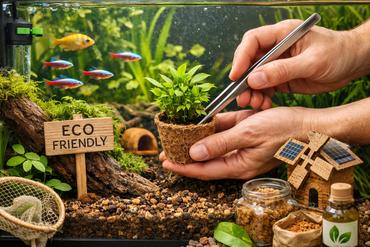
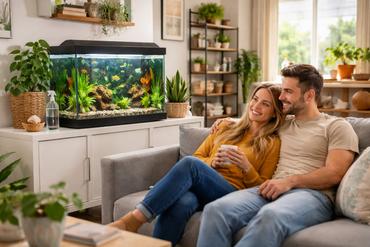
Bringing a slice of the underwater world into your home is a rewarding experience, but as the hobby grows, so does our responsibility to ensure that our passion doesn’t come at the expense of the environments we admire. Sustainable and ethical fishkeeping is more than just a trend; it is a commitment to the long-term health of our aquatic pets and the preservation of global ecosystems that are increasingly under pressure. By making conscious choices about where our fish come from, how we manage our tanks, and how we treat the life within them, we can transition from being simple "fish owners" to true stewards of the aquatic world. This guide will walk you through the essential pillars of ethical aquarium management, helping you build a thriving, eco-friendly setup that stands the test of time.

The Foundations of Ethical Fishkeeping: Captive-Bred vs. Wild-Caught

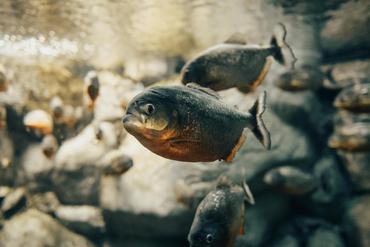
One of the most significant decisions an aquarist makes happens before a single drop of water enters the tank: where do the fish come from? For decades, the aquarium trade relied heavily on wild-caught specimens harvested from the Amazon, the Rift Lakes of Africa, and the coral reefs of the Indo-Pacific. While some wild-caught trade supports local economies and encourages the preservation of natural habitats, it can also lead to overfishing and the introduction of invasive species if not managed correctly.

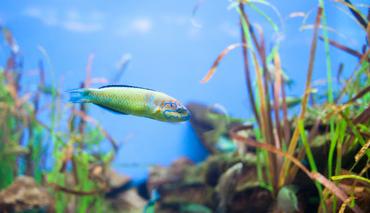
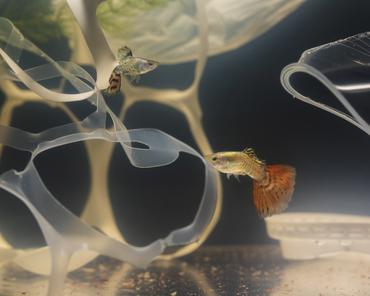
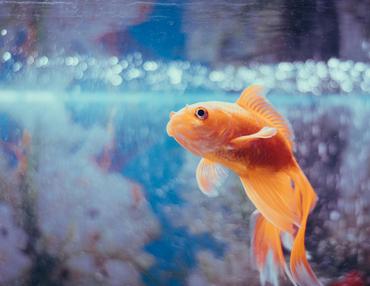
Choosing captive-bred fish is often the more ethical and sustainable choice for the average hobbyist. These fish are born and raised in controlled environments, meaning they are already acclimated to aquarium life, artificial diets, and common water parameters. This drastically reduces the "mortality gap" often seen with wild-caught fish that struggle to adjust to life in a glass box. Furthermore, supporting breeders reduces the pressure on wild populations, ensuring that those species continue to thrive in their natural ranges.

When you visit your local fish store, don't be afraid to ask about the origin of their stock. Ethical retailers will be transparent about whether their fish are "tank-raised" or "wild-caught." By prioritizing captive-bred specimens, you are directly contributing to a more sustainable industry that values the life cycle of the animal over the convenience of a quick harvest.

Top Sustainable Fish Species for Your Home Aquarium

If you are looking to build a sustainable community tank, there are many species that are widely available as captive-bred and are remarkably hardy for beginners and intermediates alike. These species have been bred for generations in the hobby, making them "domesticated" in a sense and very well-suited for home environments.

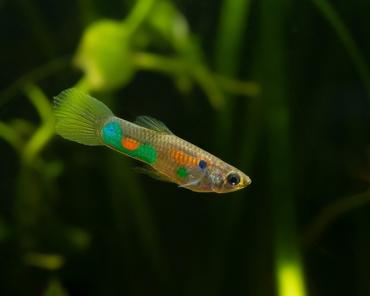
  • Guppies and Platies: These livebearers are among the easiest fish to breed, meaning almost every specimen you find is captive-bred.
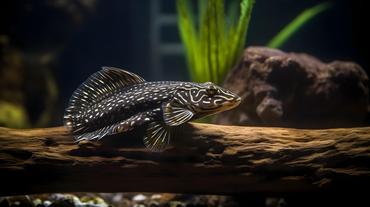
  • Bristlenose Plecos: Unlike their larger cousins, these stay small and are frequently bred by hobbyists, making them an ethical choice for algae control.
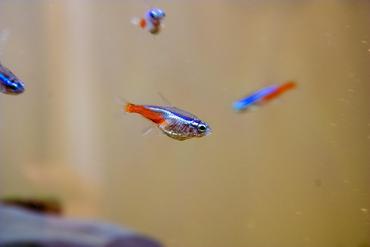
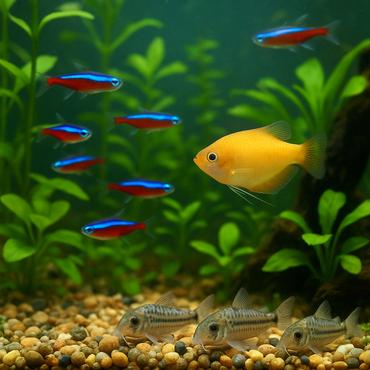
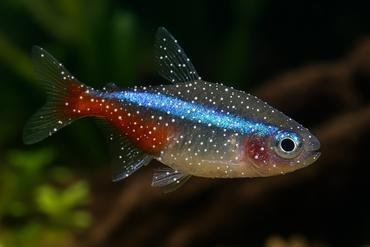
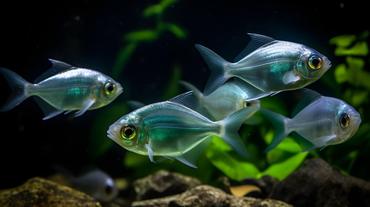
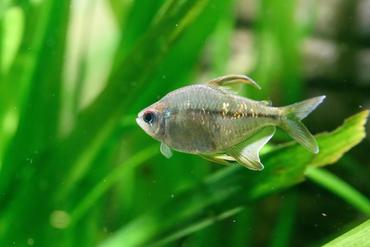
  • Neon and Cardinal Tetras: While once almost exclusively wild-caught, high-quality captive-bred strains are now common.
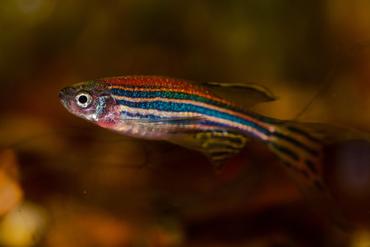
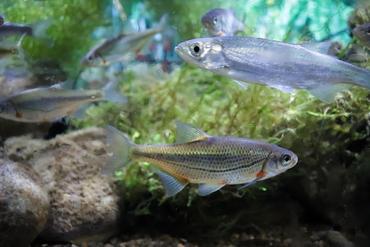
  • Zebra Danios: These are incredibly hardy and are a staple of the sustainable hobby.
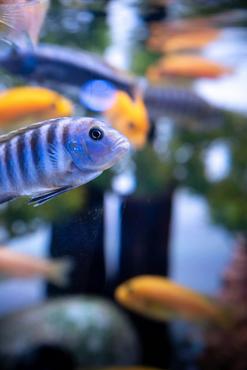
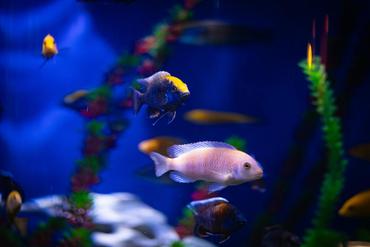
  • Captive-Bred Cichlids: Many beautiful species from South America and Africa are now raised in hatcheries.

When selecting your inhabitants, it is important to think about the long-term size and social needs of the fish. For instance, if you are looking for larger, more personable fish, you might wonder what are the best cichlids for a community tank that won't outgrow your setup or cause ethical concerns regarding aggression. Selecting species that fit your specific tank size and water chemistry is a hallmark of an ethical keeper.

Compatibility and Care Considerations for a Balanced Ecosystem

Ethical fishkeeping isn't just about where you get your fish; it's about how you treat them once they are in your care. A common beginner mistake is focusing on the "look" of a tank rather than the biological and behavioral needs of the fish. When fish are kept in overcrowded conditions or with incompatible tank mates, they suffer from chronic stress, which suppresses their immune systems and leads to premature death.

To maintain an ethical aquarium, you must research the social structure of every species you intend to keep. Some fish are schooling species that require a group of at least six to eight to feel safe, while others are solitary and territorial. Forcing a schooling fish to live alone is a form of neglect that often goes unnoticed because the "damage" is psychological rather than immediately physical.

Additionally, biological balance plays a massive role in sustainability. A tank that is constantly fighting algae or ammonia spikes is not a stable environment. Instead of reaching for harsh chemicals to solve these issues, look for biological solutions. For example, choosing the right algae-eater by the type of algae in your tank can help you create a self-regulating ecosystem where the inhabitants work together to maintain water quality. This "nature-first" approach reduces the need for synthetic additives and creates a more stable, stress-free home for your fish.

Reducing Your Environmental Footprint: Gear and Energy

The environmental impact of an aquarium extends beyond the glass. Keeping tropical fish requires electricity for heating, filtration, and lighting, and significant amounts of water for regular maintenance. For the intermediate hobbyist looking to be more sustainable, there are several ways to reduce the carbon footprint of your "wet pet" hobby.

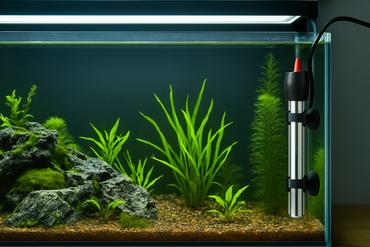
Modern technology has made this easier than ever. Switching to high-efficiency LED lighting not only uses a fraction of the power of older T5 or metal halide bulbs but also generates less heat, reducing the need for cooling systems in the summer. Similarly, investing in a high-quality canister filter with a low-wattage motor can save a significant amount of energy over the course of a year. Insulating the back and sides of your tank with thin foam board can also help retain heat, which is particularly useful if you keep your home cool during the winter months.


Water conservation is another critical area. While frequent water changes are necessary for fish health, you can repurpose the "waste" water from your tank. Aquarium water is rich in nitrogen and phosphorus, making it an incredible, organic fertilizer for houseplants or garden beds. Instead of pouring those gallons down the drain, use them to grow a lush garden. This turns a waste product into a valuable resource, closing the loop in your home ecosystem.

Ethical Health Management and Disease Prevention

The most heartbreaking part of the hobby is dealing with illness, but how we handle these situations is a true test of our ethical standards. A common mistake is the "throwaway" mentality, where a sick fish is seen as easily replaceable rather than a living being deserving of care. An ethical hobbyist views disease management as a vital responsibility.

Prevention is always the best medicine. This starts with a quarantine tank—a simple, smaller setup where new fish stay for 2–4 weeks before being added to the main display. This prevents the introduction of parasites and bacteria to your established community. If a fish does fall ill, it is your duty to provide the correct treatment. This requires a basic understanding of fish anatomy and common ailments. For those keeping popular species, identifying and treating the most common cichlid diseases is a great place to start learning about diagnostics and targeted treatments.

When medicating, always follow the full course of treatment. Stopping early can lead to antibiotic-resistant bacteria, which is a growing concern both in the hobby and in the wild. Furthermore, avoid the use of "preventative" medications in a healthy tank; instead, focus on high-quality nutrition and pristine water parameters to keep the fishes' natural immune systems strong. An ethical approach to health is about proactive care, not reactive chemistry.


Sustainable Aquascaping: Plants and Substrates

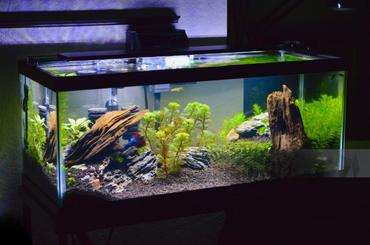
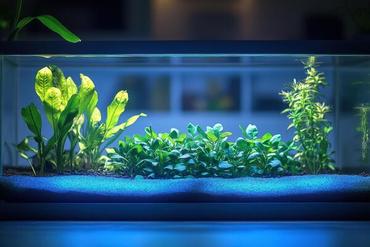
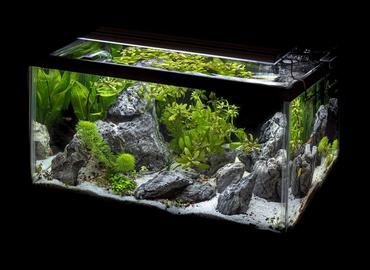
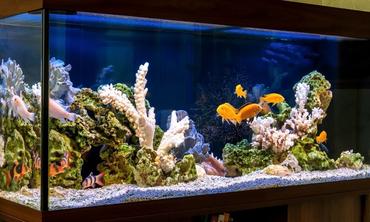
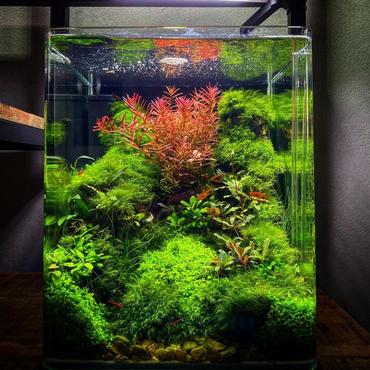
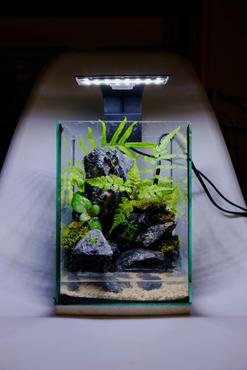
The "stage" on which your fish live also has environmental implications. Many hobbyists are moving away from plastic plants and artificial "neon" gravel in favor of natural aquascapes. While live plants are fantastic for water quality—absorbing nitrates and providing oxygen—they must be sourced responsibly. Some aquatic plants are considered invasive species in certain regions, and releasing them into local waterways can cause ecological disasters.

When choosing plants, look for nursery-grown specimens rather than those harvested from the wild. Species like Anubias, Java Fern, and various Cryptocorynes are widely cultivated and easy for beginners to maintain. Using a natural substrate like sand or specialized plant soil further enhances the biological filtration of your tank, as these materials provide a massive surface area for beneficial bacteria to colonize.

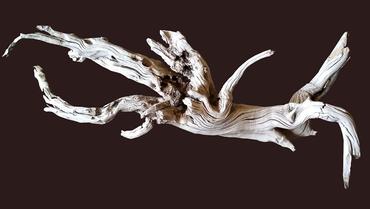
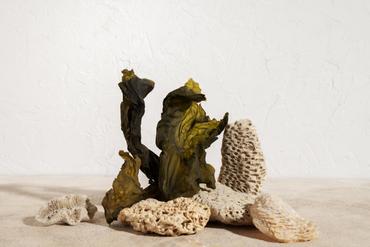
Avoid using "dead" corals or sea shells in freshwater tanks, as these are often harvested in ways that damage reef ecosystems. Instead, opt for sustainably sourced driftwood or locally found rocks (after ensuring they are safe for aquarium use). A natural-looking tank isn't just more aesthetic; it provides a more complex and enriching environment for the fish, allowing them to exhibit natural behaviors like foraging and hiding.

Takeaway: Your Role in the Future of the Hobby

Sustainable and ethical fishkeeping is a journey of continuous learning. It starts with the realization that every choice we make—from the fish we buy to the way we dispose of our water—has an impact. By prioritizing captive-bred species, focusing on biological balance, and managing our resources wisely, we can ensure that the aquarium hobby remains a force for good. Not only does this approach result in a more beautiful and stable aquarium, but it also gives us the peace of mind that we are treating our aquatic companions with the respect they deserve. Take the time to research your next purchase, invest in energy-efficient gear, and always put the welfare of your fish first. The future of the hobby depends on hobbyists like you who are willing to go the extra mile for the sake of the environment and the animals we love.

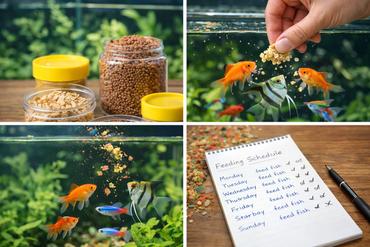
Our Guide to How Often to Feed Aquarium Fish
One of the most common questions every aquarist asks—from the first-time Goldfish owner to the seasoned reef enthusiast—is exactly how often those hungry mouths should be fed.
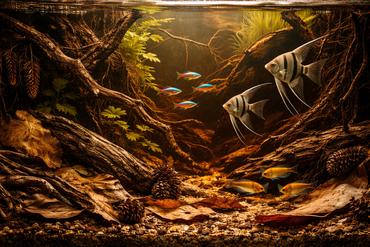
Blackwater & Biotope Aquariums (Natural-Style Boom)
For decades, the gold standard of the home aquarium was a pristine, crystal-clear box of water, often decorated with neon gravel and plastic plants that bore little resemblance to the wild.

MOST RECENT ARTICLES

Overstocking Myths vs Reality
OVERSTOCKING MYTHS VS REALITY
Setting up a new aquarium is an exercise in restraint that many hobbyists, both beginners and seasoned veterans, find difficult to master.
Blackwater & Biotope Aquariums (Natural-Style Boom)
BLACKWATER & BIOTOPE AQUARIUMS (NATURAL-STYLE BOOM)
For decades, the gold standard of the home aquarium was a pristine, crystal-clear box of water, often decorated with neon gravel and plastic plants that bore little resemblance to the wild.
Sustainable & Ethical Fishkeeping
SUSTAINABLE & ETHICAL FISHKEEPING
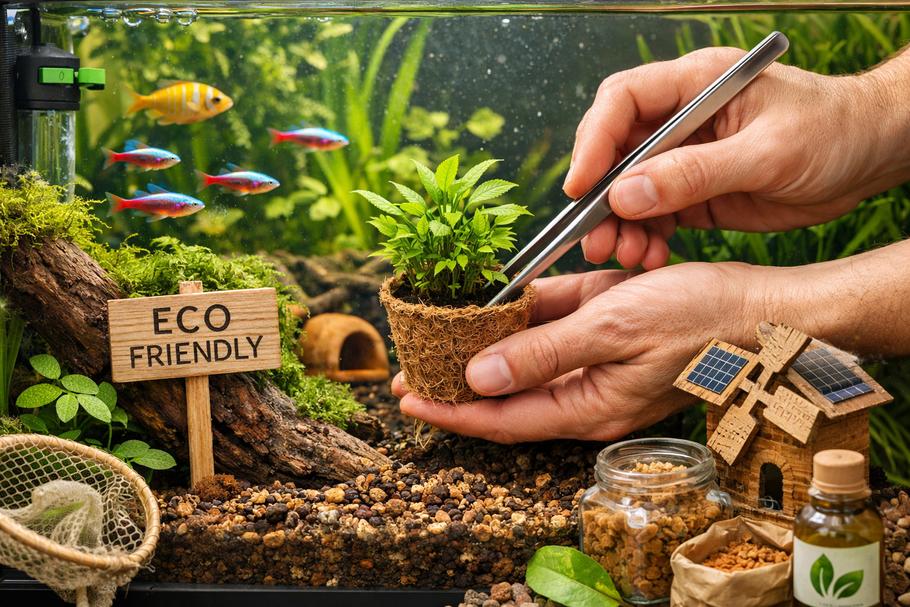
Bringing a slice of the underwater world into your home is a rewarding experience, but as the hobby grows, so does our responsibility to ensure that our passion doesn’t come at the expense of the environments we admire.

Rate This Tank:

GENERAL AQUARIUM ARTICLES
Top Fish for Community Tanks
Creating a thriving community aquarium is one of the most rewarding experiences in the fish-keeping hobby, offering a dynamic window into a complex underwater ecosystem.
Top 10 Beginner-Friendly Freshwater Fish (Ranked by Ease of Care)
Diving into the world of freshwater aquariums is an exhilarating journey, but for many beginners, the initial excitement is often met with the daunting challenge of keeping their new aquatic residents alive and thriving.
Aquarium Water Changes: How Often and How Much?
Maintaining a thriving aquarium is often described as a balancing act, and no single task is more critical to that balance than the routine water change.
Blackwater Aquariums: How Tannins Improve Fish Health and Reduce Stress
The mysterious, tea-colored depths of a blackwater aquarium may look "dirty" to the uninitiated, but for many tropical fish species, these tannin-rich environments are a slice of paradise.
Top 10 Nano Predators (and How to Keep Them Peacefully)
The allure of the predatory fish has long been a driving force in the aquarium hobby, drawing enthusiasts toward the raw, primal energy of nature's most efficient hunters.
Betta Fish in a Planted Tank: Setup, Care & Mistakes to Avoid
The Betta fish, with its cascading fins and kaleidoscopic colors, has long been the victim of the "bowl" myth, but modern aquarists are finally recognizing that these intelligent, labyrinth-breathing creatures truly flourish when placed in a living, breathing ecosystem.
Best Fish for a 10 Gallon Tank with Plants
Setting up a 10-gallon planted aquarium is one of the most rewarding projects a hobbyist can undertake, offering a perfect slice of nature that fits comfortably on a desk or side table.
AI and Smart Technology in Aquariums: The Future of Fishkeeping
Technology is transforming the aquarium hobby faster than ever before.
Beginner-Friendly Oddball Fish: Unique Species That Work in Small Tanks
Want something cooler than guppies and tetras in your small aquarium, but not ready for ultra-demanding species?
Beginner Aquarium Mistakes That Kill Fish in the First 30 Days
The first 30 days of owning an aquarium are often referred to as the "danger zone" for both the hobbyist and the fish.
Aquarium Temperature Guide: What’s Best for Your Fish?
Maintaining the perfect environment for your aquatic pets is a delicate balancing act, and temperature is arguably the most critical variable in the equation.
Aquarium Hardscape Guide: Dragon Stone, Seiryu, Spider Wood & More.
Creating a captivating underwater landscape is about more than just choosing the right fish; it is about building a foundation that mimics the natural world.
Fish Compatibility Checker: How to Build Peaceful Freshwater and Saltwater Communities
Starting a new aquarium is one of the most exciting moments in the hobby, but nothing halts that enthusiasm faster than waking up to find a once-vibrant community decimated by aggression or stress.
How to Fix Cloudy Water Fast (White, Green & Yellow Water Explained)
There is perhaps no greater disappointment for an aquarium enthusiast than approaching a carefully curated tank only to find the view obscured by a thick, mysterious haze.
Low-Light Aquarium Plants for Beginners
The transition from a basic fish tank to a lush, living underwater garden is often the most rewarding milestone for any aquarium enthusiast.
Driftwood in Aquariums: Benefits, Types, and How to Prepare It Safely
Adding a piece of driftwood to your aquarium is one of the most transformative decisions you can make as a hobbyist, shifting your tank from a simple glass box to a vibrant, living slice of nature.
The Benefits of Having a Nano Aquarium and Tips for Setting One Up
If you're fascinated by the beauty of aquatic life but think a full-sized aquarium might be too overwhelming, a nano aquarium could be the perfect solution.
Cherry Shrimp Care for Beginners: Tank Setup, Water, and Breeding Tips
Cherry shrimp (Neocaridina davidi) have revolutionized the freshwater aquarium hobby, transforming the way enthusiasts view small-scale ecosystems.
Aquascaping for Beginners: Designing a Natural Underwater Landscape
Aquascaping is the transformative art of arranging aquatic plants, stones, driftwood, and substrate in a way that transcends the traditional fish tank, turning a glass box into a living, breathing underwater masterpiece.
Best Fish for a 10-Gallon Tank with Plants: Top Choices for a Thriving Nano Aquarium
Starting a 10-gallon aquarium is one of the most exciting entries into the fish-keeping hobby, offering a perfect balance between a manageable footprint and enough space to create a stunning underwater garden.
Aquarium Science Myths: 10 Outdated Fishkeeping Rules You Should Stop Following
The world of fishkeeping has evolved dramatically over the last few decades, moving away from anecdotal "old wives' tales" toward a more rigorous, science-based approach to aquatic husbandry.
Creative hacks to keep your aquarium clean
Let’s be honest: while we all love the tranquil beauty of a thriving underwater ecosystem, very few of us actually enjoy the back-breaking labor of scrubbing algae at 10:00 PM on a Sunday.
How to Build an Automatic Fish Feeder
Every aquarium hobbyist knows the subtle anxiety that creeps in the moment you lock your front door for a weekend getaway or a well-deserved vacation.
Early Disease Identifications in the Tank
Maintaining a thriving aquarium is a rewarding journey, but even the most diligent hobbyist will eventually face the challenge of a sick fish.
What Are GloFish and How Do You Care for Them?
Bright, glowing fish that look like they belong in a science fiction movie have become a familiar sight in modern aquariums.
Aquarium Water Chemistry Made Simple: pH, Hardness, and Healthy Fishkeeping
Walking into a local fish store and seeing a vibrant display of neon tetras or majestic angelfish is enough to make anyone want to dive headfirst into the aquarium hobby.
Best Fish for a 10-Gallon Tank with Plants: A Complete Guide for Beginners
Starting a 10-gallon aquarium is one of the most exciting entry points into the fish-keeping hobby, offering a perfect balance between a manageable footprint and enough space to create a thriving underwater ecosystem.
CO2 for Planted Aquariums: A Beginner’s Guide to Healthier, Faster Growth
While many aquarium hobbyists start their journey with low-light plants like Anubias or Java Fern, they often find themselves wondering why their tanks do not look like the lush, vibrant underwater jungles seen in professional aquascaping competitions.
Quarantine Tanks Explained: Why Most Fish Loss Happens in the First 30 Days
The first month after you bring home new fish is when most preventable losses happen—often because the fish are stressed, carrying hidden parasites, or placed into a tank that isn’t ready for them.
History Of Fish Keeping As A Hobby
Fish keeping is one of the world’s oldest and most enduring hobbies, blending art, science, and a deep fascination with aquatic life.
Emergency Power Outages: How to Protect Your Aquarium
Few things strike fear into the heart of an aquarium hobbyist like a sudden power outage.
Fishless Cycling vs Fish-In Cycling: Which Method Is Best for Your Aquarium?
Setting up a new aquarium is one of the most exciting moments in the fishkeeping hobby—but it’s also where most beginners unintentionally make mistakes that lead to stressed fish, disease outbreaks, or early losses.
Brackish Aquariums for Beginners: Reliable Setups, Stocking, and Salinity Tips
The world of fishkeeping is often divided into two clear-cut camps: freshwater and saltwater.
How to Keep Your Tank Safe During a Power Outage
A power outage is every aquarium hobbyist’s worst nightmare, often striking at the most inconvenient times—during a summer thunderstorm or a winter blizzard.
What Is Driftwood Doing in Your Tank?
Adding a piece of driftwood to your aquarium is one of the most effective ways to transform a sterile glass box into a thriving, natural ecosystem.
3 Problems Every Aquarist Can Avoid
The transition from admiring a beautiful aquarium to successfully maintaining one is often marked by a series of "ah-ha" moments and, unfortunately, a few heartbreaks.
Aquarium Fish Medications - Do or Don't?
Learn about how aquarium fish medications work and what diseases they may be used for.
Aquascaping Tips to Reduce Aggression in Fish
Walking into a room and seeing a beautifully scaped aquarium is supposed to be a Zen experience, but for many hobbyists, that peace is shattered by the sight of a dominant fish relentlessly chasing its tank mates.
Spring Cleaning: How to Clean and Give Your Old Tank New Life
Keeping your tank clean is about more than just aesthetics - it also affects your fish.
Why Your Aquarium Lighting Matters More Than You Think
For many new hobbyists, setting up an aquarium feels like a balancing act between water chemistry, filtration, and choosing the right fish.
Tips for Spotting Signs of Distress in Your Fish Before It's Too Late
When you see signs of stress in your fish, you can then take steps to identify the source of that stress and then to resolve it before it becomes a major issue.
How to Buy Aquarium Supplies Online
The transition from browsing the aisles of a local pet store to navigating the vast digital landscape of online aquarium retailers marks a significant milestone for any hobbyist looking to expand their aquatic horizons.
How Cycling the Tank Can Stress Your Fish
Setting up a new aquarium is one of the most exciting moments in the fishkeeping hobby, but it’s also where many beginners unknowingly create stressful — and sometimes deadly — conditions for their fish.
Eco-Friendly Aquarium Guide: Energy-Saving Gear and Responsible Stocking
The aquarium hobby offers a unique window into the wonders of the aquatic world, but as any seasoned hobbyist knows, maintaining a slice of the ocean or a tropical river in your living room requires a significant amount of resources.
Do You Know What You Are Feeding Your Fish?
Walking down the aquarium aisle of a local pet store can be a dizzying experience.
Why Keep Aquarium Fish?
There is something inherently hypnotic about the slow, rhythmic movement of a well-maintained aquarium.
What You Need to Know About All-in-One Aquariums
For many aspiring aquarists, the sheer volume of equipment required to start a successful tank—sumps, plumbing, external filters, and lighting—can feel overwhelming.
Is My Fish Stressed? A 10-Minute Checklist to Prevent Emergencies
Walking into a room and seeing your fish acting unusual can be a heart-sinking experience for any hobbyist.
The Right and Wrong Way to Catch Fish
There is perhaps no moment more stressful for both an aquarist and their aquatic residents than the sight of a blue mesh net dipping into the water.
Simple Tips for Building a Saltwater Tank Without Breaking the Bank
The allure of a saltwater aquarium is undeniable—the vibrant colors of a Coral Beauty Angelfish, the rhythmic pulsing of Xenia corals, and the fascinating symbiotic relationship between a Clownfish and its anemone are enough to captivate any nature lover.
Smart Planted Tanks: Budget Automation for Lighting, CO₂, and Safety
Maintaining a lush, vibrant planted aquarium often feels like a balancing act between a rewarding hobby and a full-time job.
Do You Need CO₂? Three Proven Paths to a Healthy Planted Tank
The lush, vibrant landscape of a masterfully scaped planted aquarium is often what draws newcomers into the hobby, but it is also the source of the most common question: do I really need a CO2 system to achieve this?
Community Fish Compatibility Guide
Creating a thriving community aquarium is one of the most rewarding aspects of the fish-keeping hobby, but it requires much more than simply picking out the most colorful fish at the local pet store.
Read more articles (55)

READ AQUARIUM ARTICLES