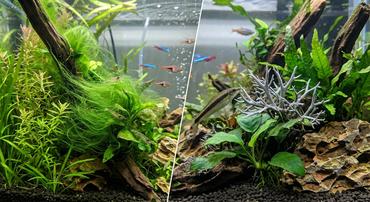
AQUARIUM SCIENCE MYTHS: 10 OUTDATED FISHKEEPING RULES YOU SHOULD STOP FOLLOWING

The Death of the One-Inch-Per-Gallon Rule
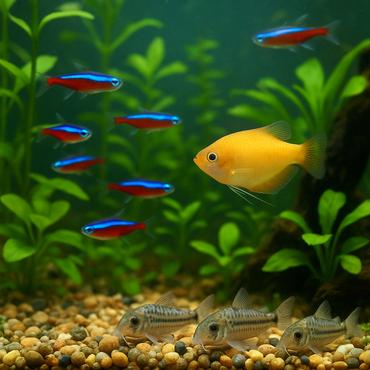
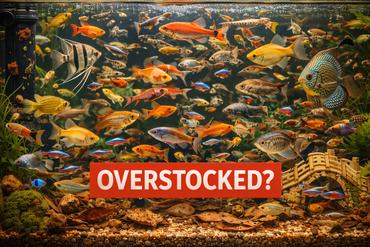
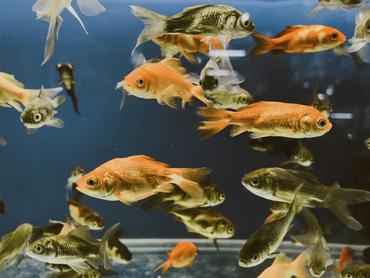
Perhaps the most persistent myth in the history of fishkeeping is the "one inch of fish per gallon" rule. This guideline suggests that if you have a 10-gallon tank, you can successfully house 10 inches of fish. While this was intended to prevent overstocking, it is a dangerously flawed metric because it fails to account for biological load, oxygen exchange, and swimming requirements.
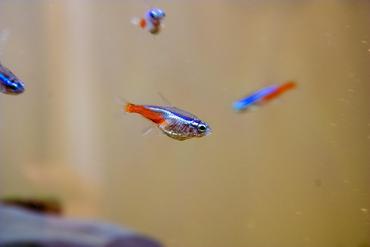
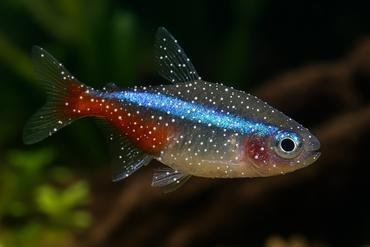
- Mass vs. Length: A one-inch Neon Tetra has significantly less body mass and produces far less waste than a one-inch "baby" Oscar or Goldfish. As fish grow in length, their mass increases cubically, meaning the waste output grows exponentially.
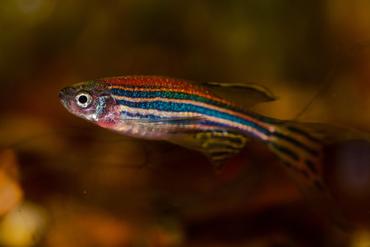
- Activity Levels: Species like the Zebra Danio are small but incredibly active. They require horizontal swimming space that a small, "appropriately sized" gallon tank cannot provide.
- Surface Area: Oxygen exchange happens at the surface. A tall, narrow tank has less surface area than a long, shallow tank of the same volume, meaning it can safely support fewer fish.
Instead of following this rule, research the specific needs of your species. Consider the adult size of the fish and their specific social requirements. For beginners looking for a more balanced approach to stocking, checking out our guide on top freshwater fish for beginners can help you choose species that fit your tank size appropriately without relying on outdated math.
Understanding Cycling and the "Wait Week" Myth
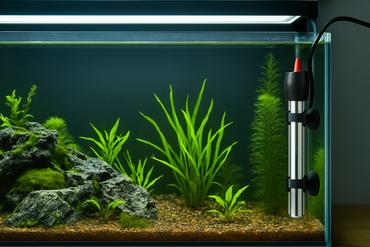
For years, beginners were told to "setup the tank and let it run for a week" before adding fish. This is a scientific fallacy. Simply running a filter and a heater does nothing to establish the beneficial bacteria required to process toxic ammonia into nitrite and then nitrate. This process, known as the Nitrogen Cycle, requires a source of ammonia to begin.
Shutterstock
Modern fishkeeping emphasizes "fishless cycling," where the hobbyist adds pure ammonia or fish food to the tank to trigger the growth of Nitrosomonas and Nitrospira bacteria. Following the "wait a week" rule often leads to New Tank Syndrome, where fish are added to a sterile environment, causing ammonia spikes that can be fatal within days.
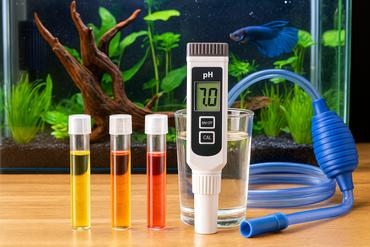
- Use a Liquid Test Kit: Forget the calendar; use a reliable test kit to monitor ammonia, nitrite, and nitrate levels. Your tank is only cycled when it can process 2ppm of ammonia into nitrate within 24 hours.
- Bottled Bacteria: Modern advances have given us concentrated nitrifying bacteria products. While not a "magic instant cycle," these can significantly speed up the process compared to 1980s methods.
- Seed Material: Taking a handful of gravel or a piece of filter sponge from an established, healthy aquarium is the fastest way to "innoculate" a new system with live bacteria.
The Truth About pH Stability vs. Specific Parameters
Many hobbyists spend a fortune on "pH Down" or "pH Up" chemicals, believing that their fish must live in the exact pH listed in a textbook. Science now shows that for most captive-bred fish, pH stability is far more important than a specific number. Rapidly fluctuating pH caused by chemical additives is much more lethal than a steady pH that is slightly outside the "ideal" range.
For example, a Discus fish traditionally thrives in acidic water (pH 6.0-6.5). However, most Discus available in local stores are tank-bred and can live perfectly healthy lives in a pH of 7.5, provided it remains consistent. The exception to this rule involves wild-caught specimens or specific breeding projects, but for the average community tank, "chasing the numbers" usually leads to disaster.
To better understand how to maintain your environment without constant chemical intervention, read our detailed breakdown of proper aquarium maintenance practices that prioritize long-term stability over short-term fixes.
Compatibility and Care: Moving Beyond "Community" Labels
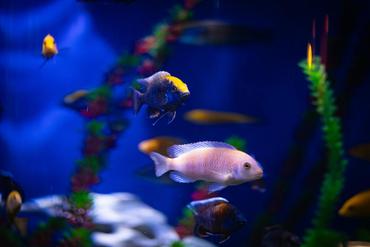
One of the biggest mistakes intermediate hobbyists make is trusting the generic "community fish" label at big-box pet stores. Compatibility is a science that involves temperature overlapping, aggression levels, and dietary needs. Just because two fish won't eat each other doesn't mean they are compatible.
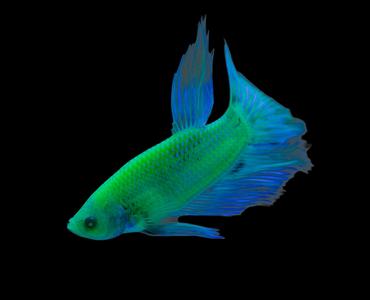
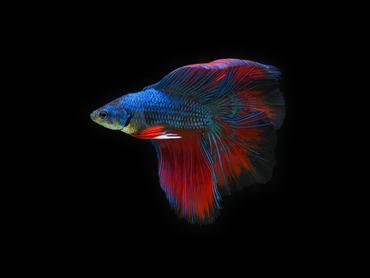
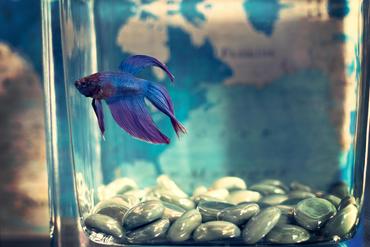
- Temperature Mismatches: Placing a White Cloud Mountain Minnow (which prefers cooler water, 64-72°F) with a Betta Fish (which needs 78-80°F) is a recipe for physiological stress for one of the species.
- Social Dynamics: Many "nippy" fish, like Tiger Barbs, are only aggressive because they are kept in groups that are too small. Increasing the school size to 10 or more often keeps the aggression within the group rather than directed at tank mates.
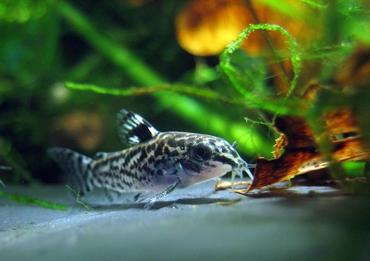
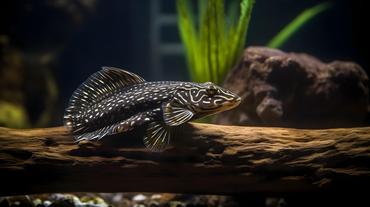
- Niche Competition: Avoid stocking too many "bottom dwellers." While Corydoras catfish and Bristlenose Plecos are peaceful, they may compete for the same hiding spots and supplemental sinking foods.
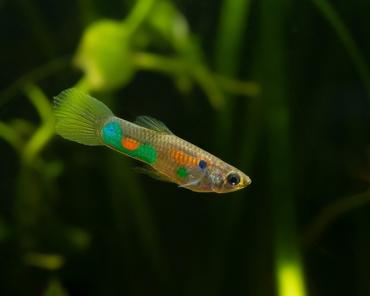
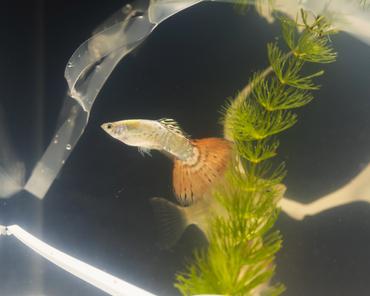
When considering care, you must also look at the "hardiness" myth. No fish is truly "unkillable." Even the hardy Zebra Danio or the common Guppy requires clean water and a varied diet. Over-reliance on a fish's reputation for toughness often leads to neglectful maintenance habits.
The Over-Cleaning Fallacy and Bio-Film Importance
Intermediate keepers often fall into the trap of wanting a "sterile" tank. They scrub every rock, replace filter cartridges monthly, and vacuum every grain of sand until it shines. This is actually counterproductive. A healthy aquarium is a biological ecosystem, not a swimming pool.
Your filter media (sponges, ceramic rings, bio-balls) should almost never be replaced. Replacing them removes the very bacteria that keep your fish alive. Instead, gently rinse them in a bucket of dechlorinated tank water during your water change. Similarly, the "slime" or bio-film on your glass and decor is actually a complex community of microorganisms that many fish, such as Otocinclus Catfish or Shrimp, rely on for supplemental nutrition.
Furthermore, the "100% water change" is a relic of the past. Unless you are dealing with a severe toxin leak or a massive disease outbreak, changing more than 50% of the water at once can shock the fish due to differences in temperature and osmotic pressure. Weekly changes of 20-30% are the modern standard for maintaining a healthy nutrient balance.
Dispelling the "Fish Grow to the Size of the Tank" Myth
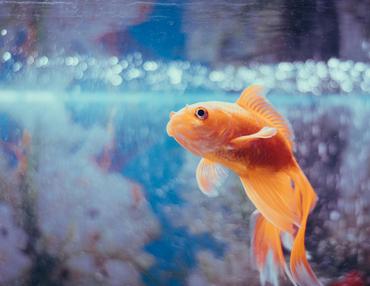
This is perhaps the most harmful myth because it provides a false justification for keeping large species in cramped quarters. While it is true that a fish's growth may be stunted in a small tank, this is not a natural or healthy process. Stunting is a result of poor water quality and the buildup of growth-inhibiting hormones.
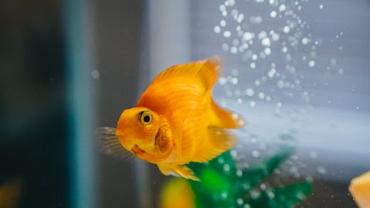
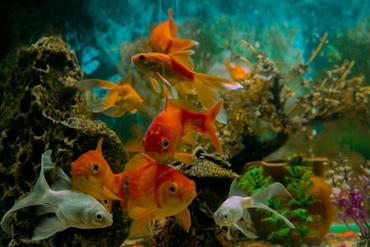
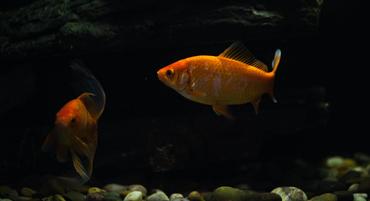
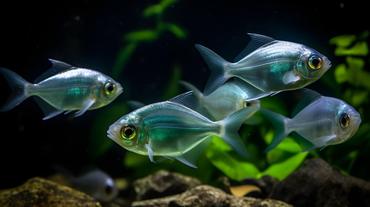
Crucially, while the external body of the fish may stop growing, the internal organs often continue to develop, leading to a painful and premature death. This is frequently seen with Common Goldfish and Iridescent Sharks kept in small tanks. If you are interested in keeping species that require more space, you might consider looking into 75-gallon fish tank stocking ideas to ensure your pets have the room they need to reach their full genetic potential.
Common Misconceptions About Algae and Lighting
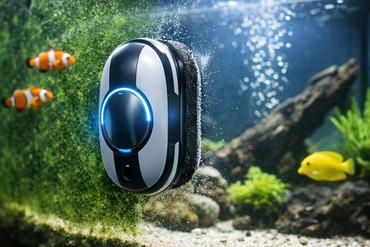
Newer hobbyists often believe that algae is a sign of a "dirty" tank that needs to be fixed with more chemicals or by turning off the lights entirely. In reality, algae is a natural part of a healthy ecosystem. The presence of some algae indicates that there are nutrients and light available for life.
- The Nutrient Balance: Algae blooms are usually a result of an imbalance between light, CO2, and nutrients (Nitrates and Phosphates). Simply adding "Algae Fix" chemicals only treats the symptom, not the cause.
- Lighting Duration: Leaving lights on for 12+ hours is a common mistake. Most plants and fish only need 6-8 hours of high-quality light.
- The "Algae Eater" Myth: Adding a Pleco to "clean the tank" often adds more waste than the fish actually cleans. A single Common Pleco can grow to 18 inches and produces massive amounts of waste.
The Evolution of Modern Fishkeeping
The transition from "old school" rules to modern aquarium science is about moving from a reactive mindset to a proactive one. We no longer wait for fish to get sick to check the water; we test the water to prevent them from getting sick. We no longer buy fish based on their current size, but on their adult requirements. By discarding these ten outdated rules, you reduce the stress on your aquatic inhabitants and make the hobby more enjoyable for yourself.
Takeaway: Embracing the Science of Success
The most important takeaway for any modern hobbyist is that there are no true shortcuts in aquarium science. Understanding the biological processes at play in your tank is far more effective than following a rigid, outdated rulebook. Success in this hobby comes from observation, research, and a willingness to adapt to new information.
Stop relying on the "one-inch" rule, embrace fishless cycling, and prioritize stability over "perfect" pH. As you continue your journey, keep learning and questioning the status quo. For more in-depth articles on advanced care and specific species requirements, explore the rest of RateMyFishTank.com and join our community of passionate aquarists dedicated to the highest standards of fish welfare. Your fish will thank you for it with vibrant colors, active behaviors, and long, healthy lives.
Would you like me to expand on any specific section, such as the chemical mechanics of the nitrogen cycle or specific temperature compatibility charts for tropical species?
MOST RECENT ARTICLES