IS MY FISH STRESSED? A 10-MINUTE CHECKLIST TO PREVENT EMERGENCIES
The Visual Assessment: Reading Your Fish's Body Language (Minutes 1–3)
The first three minutes of your checklist should be dedicated to pure observation. Fish communicate their discomfort through physical posture and movement. Unlike mammals, fish cannot vocalize pain, so you must look for deviations from their normal baseline. One of the most common signs of acute stress is "glass surfing," where a fish swims incessantly up and down the side of the aquarium. While beginners might think their fish is just being active, this is often a sign of poor water quality or a fish that feels cramped in its environment.
Signs of Distress
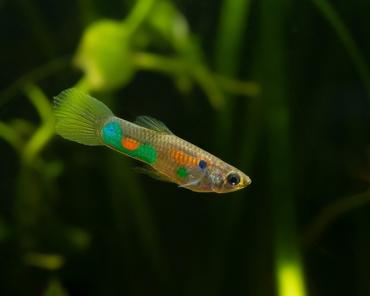
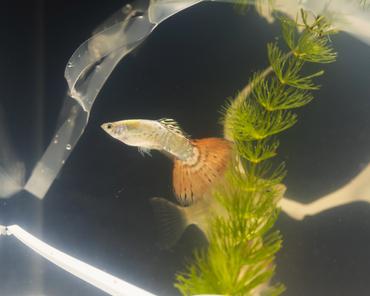
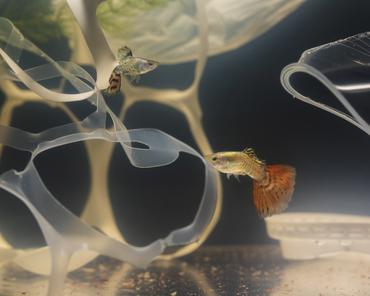
- Clamped Fins: If a fish is holding its fins tight against its body rather than letting them flow naturally, it is a clear sign of distress or irritation. This is frequently seen in Livebearers like Guppies and Mollies when water parameters are off.
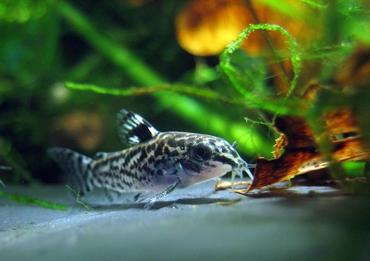
- Gasping at the Surface: While some species like Corydoras naturally dart to the surface for a quick gulp of air, constant gasping at the waterline indicates low dissolved oxygen or ammonia burns to the gills.
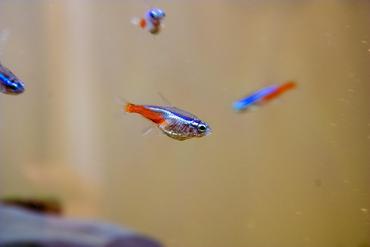
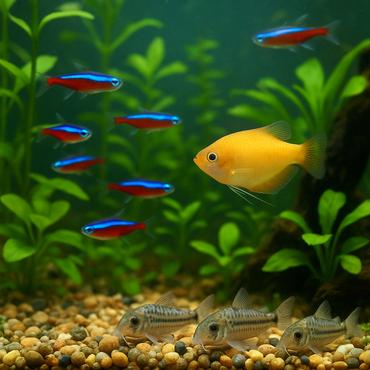
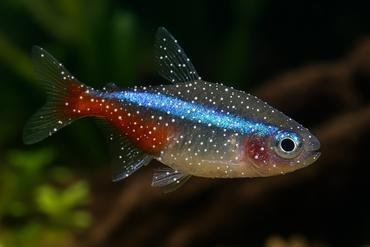
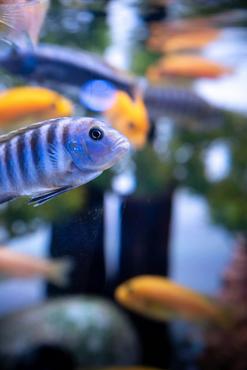
- Pale or Darkened Colors: Many species, such as Neon Tetras or Discus, will lose their vibrant hues and turn "washed out" when stressed. Conversely, some Cichlids may develop dark, moody bars or spots when they feel threatened.
- Lethargy and Hiding: If a normally active fish is suddenly cowering behind a heater or staying tucked away in a cave for hours on end, it is likely feeling vulnerable, bullied, or physically ill.
- Erratic Darting: Sudden, jerky movements or "flashing" (rubbing their bodies against rocks or substrate) suggest external parasites or chemical irritation.
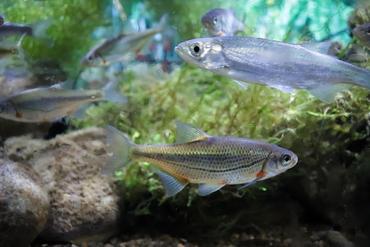
When you perform this visual check, look at the fish as a group. If only one fish is showing these signs, it may be an isolated health issue or a victim of bullying. If the entire tank is behaving strangely, you are likely facing a systemic environmental emergency.
The Environmental Scan: Auditing Water and Equipment (Minutes 4–6)
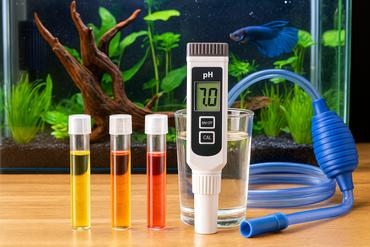
Once you have observed the fish, spend the next three minutes auditing the environment. Stress is rarely a random occurrence; it is usually a reaction to a change in water chemistry or a mechanical failure. Sudden fluctuations in temperature or pH are more taxing on a fish’s immune system than a slightly "imperfect" but stable environment. Even a small spike in ammonia can cause long-term damage to a fish's internal organs.
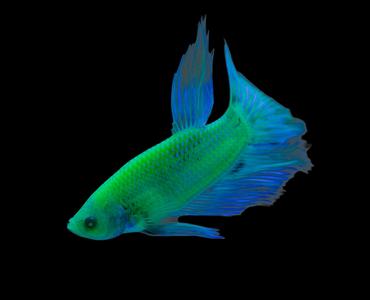
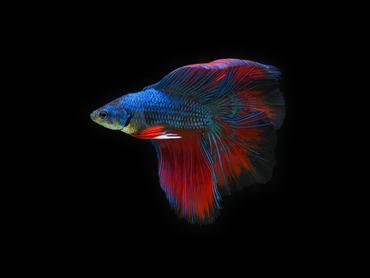
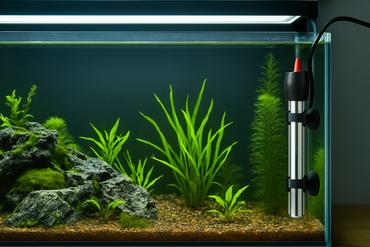
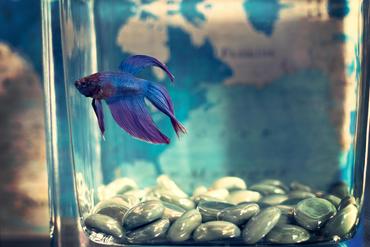
Begin by checking your thermometer. A malfunctioning heater can slowly "cook" your fish or lead to a temperature drop that induces a state of shock and suppresses the immune system. Next, look at your filtration. Is the flow too strong for your species? A Betta fish, for example, will become exhausted and stressed if forced to swim against a high-output power filter. For more detailed guidance on maintaining the perfect environment, check out our guide on how to properly cycle your aquarium to ensure your biological filter is robust enough to handle the waste load.
Environmental Red Flags
- Ammonia and Nitrites: These should always be 0 ppm. Even trace amounts cause chemical burns, gill damage, and respiratory distress.
- Nitrates: While less toxic than ammonia, levels above 40 ppm can lead to "Old Tank Syndrome," causing chronic stress, stunted growth, and a heightened susceptibility to disease.
- Water Movement: Ensure there are enough surface breaks to facilitate oxygen exchange. If the surface of the water is completely still, carbon dioxide may be building up, leading to a drop in pH and oxygen deprivation.
- Water Clarity: While "clear water" doesn't always mean "healthy water," sudden cloudiness can indicate a bacterial bloom or a spike in organic waste, both of which are major stressors.
Social Dynamics: Compatibility and Care Considerations (Minutes 7–8)
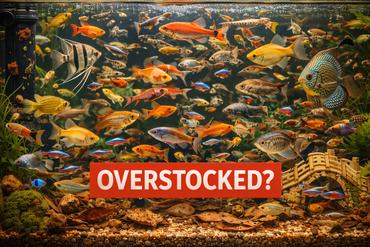
The next two minutes of your checklist involve looking at the "neighborhood" dynamics. Incompatibility is one of the leading causes of hidden stress. A fish might look physically healthy, but if it is being bullied or outcompeted for food, its immune system will eventually collapse. This is particularly prevalent in community tanks where "semi-aggressive" species are mixed with timid ones.
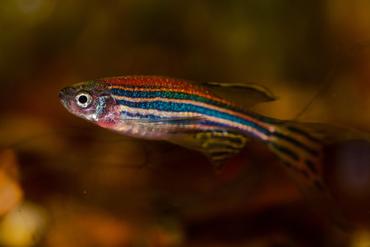
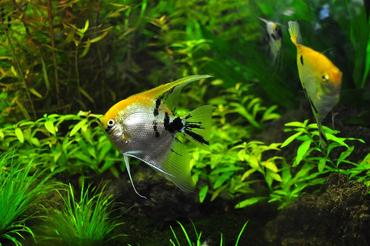
Beginners often make the mistake of mixing fish based on looks rather than temperament. For instance, Tiger Barbs are notorious "fin nippers" and should never be kept with long-finned species like Angelfish or Fancy Guppies. Constant nipping leads to physical injury and secondary bacterial infections like fin rot. Furthermore, "schooling" fish like Harlequin Rasboras or Zebra Danios will become highly stressed if kept in groups of fewer than six; they find safety in numbers, and being alone makes them feel like easy targets for predators.
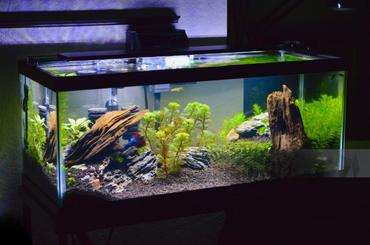
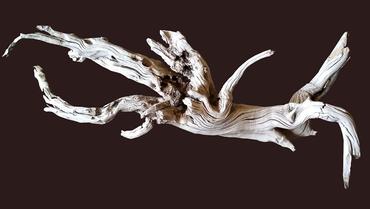
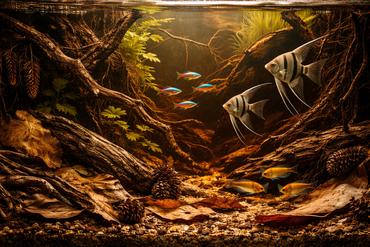
Care considerations also extend to the layout of the tank. Do your fish have enough "sight breaks"? Adding driftwood, rocks, and live plants allows bullied fish to escape the line of sight of an aggressor. If you are struggling with territorial behavior, you may want to read about top 10 freshwater fish for beginners to find species that are naturally more peaceful and easier to manage in a shared space.
Social Check-Points
- Feeding Order: Do certain fish hover at the back during feeding? If a fish is too scared to come to the surface, it is being socially suppressed.
- Territorial Borders: Are your Cichlids or Sharks guarding 80% of the tank? This leaves the remaining inhabitants cramped and stressed.
- Size Disparity: Are there fish large enough to eat their tankmates? Even if they don't successfully hunt them, the presence of a predator causes constant psychological stress for smaller fish.
Dietary Indicators: Is Your Fish Eating? (Minute 9)
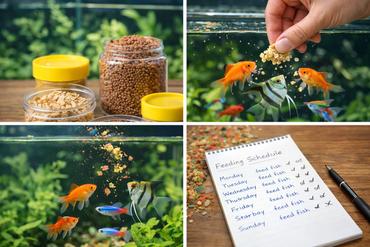
Spend one minute evaluating the feeding response. A healthy fish is almost always a hungry fish. If you sprinkle food and your fish ignores it, or if it takes a bite and immediately spits it back out, you have a major red flag. Loss of appetite can be caused by internal parasites, constipation, or high stress levels. When a fish is in "fight or flight" mode due to poor water quality or bullying, digestion is one of the first bodily functions to slow down or shut down entirely.
Ensure you are providing a species-appropriate diet. Feeding a strictly herbivorous African Cichlid a high-protein diet intended for Oscars can lead to "Malawi Bloat," a serious and stressful digestive condition. Conversely, carnivorous fish like Leaf Fish may refuse to eat if only offered dry flakes. Variety is key to reducing nutritional stress. Supplementing dry foods with frozen brine shrimp or bloodworms can often "jump-start" the appetite of a stressed fish and provide the essential vitamins needed for a strong immune response.
Common Dietary Mistakes to Avoid
- Overfeeding: Rotting food produces ammonia, which is the #1 stressor in new tanks.
- Using Expired Food: Vitamin C and other nutrients degrade quickly once a container is opened. Use food within six months for maximum health benefits.
- Mono-diets: Feeding only one type of flake can lead to nutritional deficiencies. Mix in pellets, wafers, and frozen treats.
The "Emergency" Physical Inspection (Minute 10)
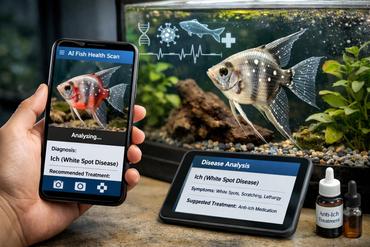
In the final minute of your checklist, look for specific physical markers of disease that piggyback on stress. Stress weakens the slime coat, which is a fish's primary defense against pathogens. If you spot tiny white grains that look like salt, you are dealing with Ich (White Spot Disease). If the fish has a "dusty" or velvety appearance, it may be Oodinium. These parasites often take hold when a fish’s defenses are down due to environmental stressors like a sudden temperature drop.
Check the eyes and the scales. Cloudiness in the eyes or "pineconing" (where scales stick out away from the body) indicates internal fluid buildup or systemic infection. If you find these signs during your 10-minute check, it is time to transition from observation to treatment. To prevent these issues from spreading to the entire population, it is highly recommended to maintain a separate "hospital tank" where you can administer medication without affecting the biological filter of your main display. You can learn more about managing a healthy community by reviewing our tips on maintaining a healthy aquarium community.
Physical Signs That Require Immediate Action
- Cottony Growths: This indicates a fungal infection, usually following a physical injury or poor water conditions.
- Red Streaks: Visible red veins in the fins or on the body are signs of septicemia (blood poisoning) or ammonia poisoning.
- Sunken Belly: This often points to internal parasites or long-term malnutrition due to being bullied away from food.
How to Respond to a Stress Emergency
If your 10-minute checklist reveals that your fish are indeed stressed, the next steps are critical. Do not immediately dump a cocktail of medications into the tank. This often causes more stress by further altering the water chemistry. Instead, follow a structured "First Aid" protocol for your aquarium.
- Perform a 25-50% water change using a high-quality water conditioner. This dilutes toxins and replenishes essential minerals. Ensure the new water is the same temperature as the tank water to avoid thermal shock.
- Turn off the aquarium lights for 24 hours. Darkness helps fish feel more secure and reduces their metabolic rate, giving them a chance to recover.
- Re-test your water. If ammonia or nitrites are present, you must identify the cause—did a fish die and go unnoticed? Did you over-clean your filter sponges in tap water, killing your beneficial bacteria?
In cases of social stress, you may need to permanently rehome an aggressive fish or add more hiding spots. For schooling fish, increasing the group size to 8-10 individuals can drastically reduce "skittishness" and make the fish feel confident enough to swim in the open again.
Conclusion: Stay Proactive to Save Your Fish
The 10-minute checklist is not just a reactive tool for when things go wrong; it should be a regular part of your weekly maintenance routine. By observing body language, auditing water parameters, checking social compatibility, monitoring diet, and inspecting for physical disease, you can catch 90% of aquarium emergencies before they become fatal. Remember that the best cure for fish stress is a stable environment and a watchful eye.
The journey from a beginner to an expert hobbyist is paved with observation. When you begin to "speak" the language of your fish, you'll find that you spend less time fixing problems and more time enjoying the serene beauty of your tank. If you noticed any red flags during your check today, do not panic. Start with the basics: water, air, and safety. Knowledge is the most important piece of equipment in your hobbyist toolkit. Keep learning, keep observing, and your aquarium will continue to be a source of joy rather than stress.
Do you have a story about a fish you saved by catching stress early, or are you currently dealing with a behavior you can't quite figure out? Join our community forum and share your experience with fellow hobbyists today! For more in-depth advice on specific species and advanced tank setups, continue browsing our extensive library of expert guides.
MOST RECENT ARTICLES