HOW TO BUY AQUARIUM SUPPLIES ONLINE

Strategic Research: Aligning Online Purchases with Biological Needs
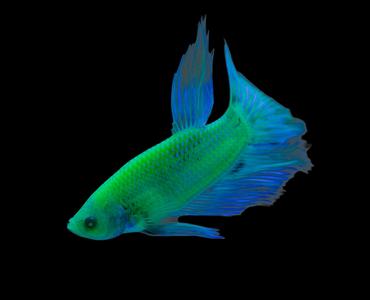
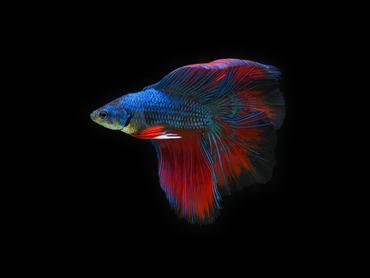
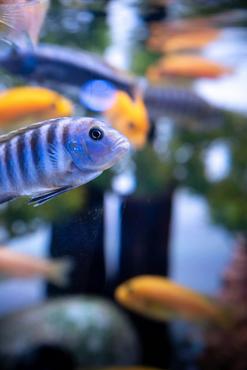
The most significant advantage of online shopping is variety, but for the unprepared beginner, this variety is a double-edged sword. Before you begin filling your virtual cart, you must have a clear "stocking plan." The equipment required for a Betta fish is fundamentally different from what is needed for a Lake Malawi Cichlid tank. Buying a high-flow powerhead online might seem like a great deal, but if it is placed in a tank with long-finned species, it could cause physical exhaustion and stress-related diseases.
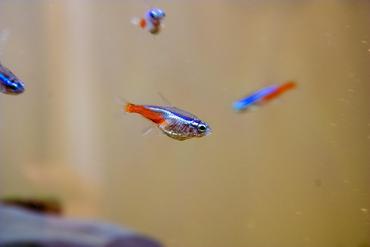
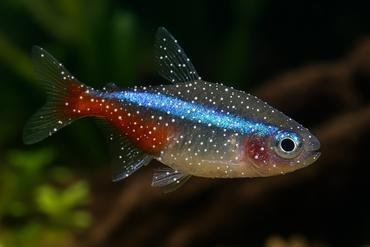
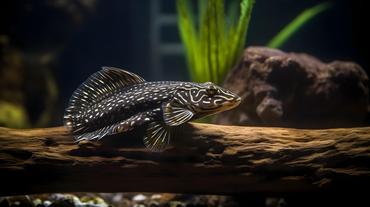
When researching products, don't rely solely on the retailer’s description. Manufacturers often provide "best-case scenario" ratings. For example, a filter rated for a 55-gallon tank usually assumes a light bioload of small fish like Neon Tetras. If you are keeping "messy" fish such as Fancy Goldfish or Plecos, you should aim for a filter rated for double your actual tank volume. This "over-filtering" strategy is a secret of successful intermediate hobbyists that is easily facilitated by the competitive pricing found online.
- Verify Dimensions and Clearances: Online photos can be misleading. Always measure your cabinet space or tank rim thickness before ordering hang-on-back (HOB) filters or lighting brackets.
- Read Between the Lines of Reviews: Look for "Verified Purchase" tags. Pay attention to reviews from users who have owned the product for over six months, as many aquarium components like cheap heaters or air pumps tend to fail after the initial "honeymoon" period.
- Check for "Open Box" Deals: Many reputable online retailers offer significant discounts on returned items. This is a great way to snag high-end brands like Eheim or Fluval at a fraction of the cost, provided they include a full warranty.
Understanding the fundamental chemistry of your tank will help you avoid unnecessary purchases. For a refresher on how your equipment interacts with the water, read our guide on understanding the nitrogen cycle before you invest in expensive chemical media.
The Technical Deep Dive: Selecting Filters, Heaters, and Lights
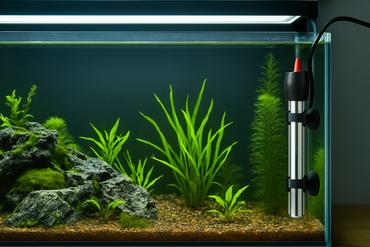
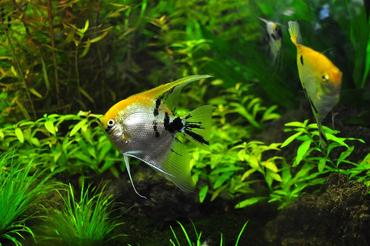
When buying technical hardware online, you are essentially purchasing the life-support system for your animals. The selection process should be rigorous. For heating, the "watt-per-gallon" rule is a starting point, but online buyers should also consider the ambient temperature of their home. If you live in a cold climate and want to keep tropical species like Angelfish, you may need a more powerful heater than the standard recommendation.
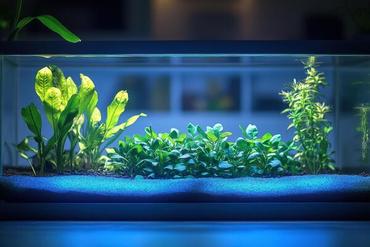
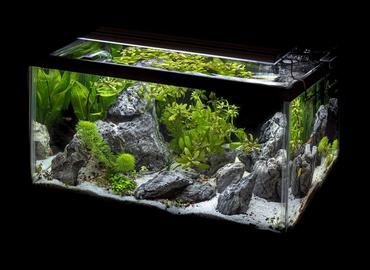
Lighting is perhaps the most complex online purchase. For a basic fish-only tank, a simple LED strip is sufficient. However, if you are delving into the world of aquascaping with plants like Anubias or Amazon Swords, you need to look for "Full Spectrum" lights. Online listings will often provide a PAR (Photosynthetically Active Radiation) chart. This chart tells you how much usable light reaches the bottom of the tank. For deep tanks (over 20 inches), you will need a light with high penetration capabilities to prevent your plants from "melting."
- Canister Filters: These are the gold standard for intermediate keepers. When buying online, look for models with "prime" buttons and integrated UV sterilizers. Brands like SunSun offer budget-friendly entry points, while Oase provides integrated heaters to reduce tank clutter.
- Submersible Heaters: Always look for "shatter-proof" glass or plastic-guarded models. If you are buying a heater for a tank with Large Cichlids, they have been known to "attack" equipment, making a titanium heater a much safer online investment.
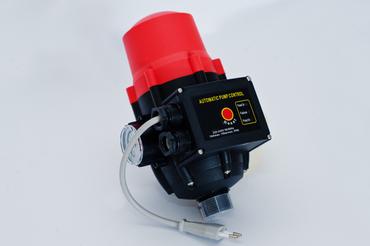
- Air Pumps: The biggest complaint with air pumps bought online is noise. Search for "piezoelectric" models if you require a silent operation for a bedroom aquarium.
Sourcing Livestock and Plants: The Logistics of Life
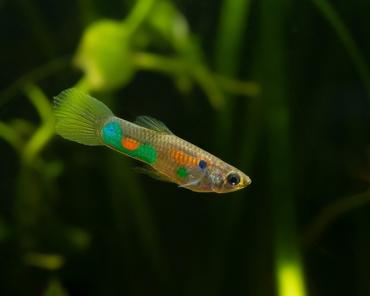
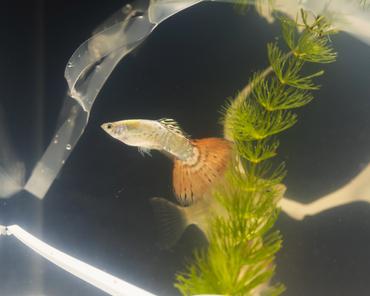
Buying live fish and plants online is a game-changer for hobbyists who don't live near a specialized aquatic boutique. It allows you to source high-quality African Cichlids, rare Loricariids, or specific strains of Guppies that local chains simply don't carry. However, the "shipping" aspect is the most critical variable. You are essentially paying for a professional logistics service just as much as you are paying for the fish.
When vetting an online livestock vendor, look for their "Dead on Arrival" (DOA) policy. A reputable seller will always offer a guarantee, provided you follow their specific reporting instructions (usually a photo of the fish in the unopened bag). Be wary of sellers who do not use oxygen-injected bags or insulated shipping containers. For plants, "Tissue Culture" (TC) is the safest way to buy online. These plants are grown in sterile labs, meaning they are guaranteed to be free of algae, snails, and parasites.
- Shipping Seasons: Avoid ordering sensitive species like Discus or German Blue Rams during extreme heatwaves or blizzards. Even with heat/ice packs, delays in shipping hubs can be fatal.
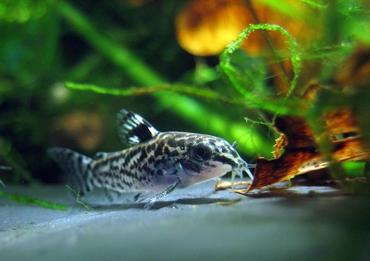
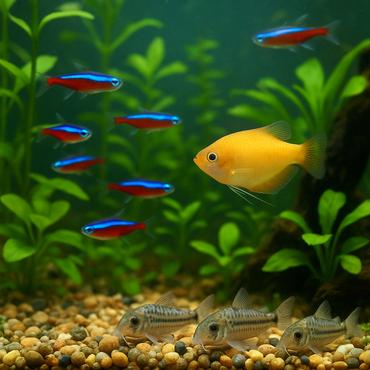
- Quarantine Requirements: Regardless of how "reputable" an online seller is, you must have a quarantine tank ready. New arrivals should be monitored for at least two weeks before being added to a community tank with established residents like Corydoras or Tetras.
- Acclimation Procedures: The "drip acclimation" method is highly recommended for online fish, as the water parameters (especially pH and TDS) may differ significantly from your home tap water.
Compatibility and Care: Tailoring Supplies to Inhabitants
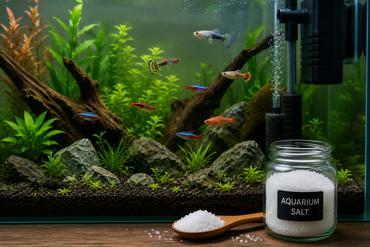
One of the most common beginner mistakes when shopping online is buying a "one size fits all" maintenance kit. Fish have diverse environmental requirements that dictate the type of supplies you need. For example, if you are keeping Mollies or Platies, you should be looking for "Hard Water" conditioners or mineral salts. If you are keeping South American Cichlids, you might be looking for "Blackwater" extracts or Indian Almond Leaves to lower pH and provide tannins.
Compatibility extends to the physical environment as well. If you are buying substrate online for bottom-dwellers like Kuhli Loaches, you must avoid sharp gravel. Online descriptions may call a product "aquarium safe," but that doesn't mean it is "species safe." Smooth sand or rounded river stones are the only appropriate choices for fish that sift through the substrate.
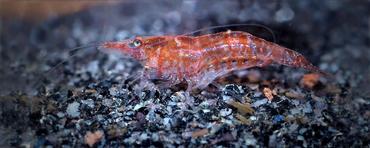
- Filter Intake Safety: If you are buying a powerful canister filter for a tank that will eventually house Shrimp or Fry, you must also purchase a stainless steel intake guard or a pre-filter sponge to prevent them from being sucked into the motor.
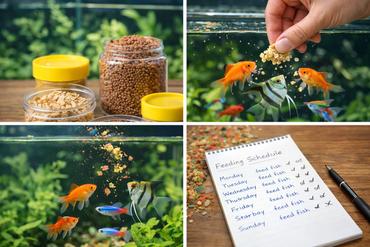
- Specialized Food: The online market is the best place to find high-quality, species-specific foods. Avoid "generic" flakes. Instead, look for "New Life Spectrum" or "Northfin" pellets, which use high-quality krill and herring meal rather than cheap fillers like corn or soy.
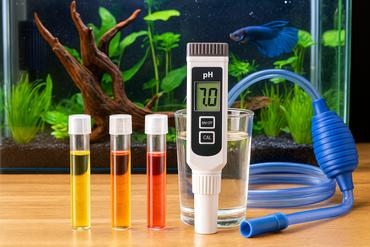
- Water Testing Kits: Never rely on "test strips" bought in bulk. Online, you can find liquid master test kits (like those from API) which are far more accurate and cost-effective in the long run. Monitoring your parameters is the only way to know if your new equipment is doing its job.
Choosing the right equipment is only half the battle; choosing the right fish for your specific water type and tank size is equally important. Learn more in our guide on choosing the right fish for your tank.
Avoiding Common Pitfalls: Counterfeits and Shipping Damage
As the aquarium hobby grows, so does the market for "knock-off" goods. When shopping on massive third-party marketplaces, be cautious of deals that seem too good to be true. Low-cost internal filters or pumps often lack UL (Underwriters Laboratories) certification, which means they haven't been tested for electrical safety in water. A short circuit in a cheap pump can lead to "stray voltage," which can kill your fish and pose a serious fire hazard to your home.
Shipping damage is another reality of the online hobby. Glass is heavy and fragile. While modern packaging has improved, a 55-gallon glass tank is still at risk when handled by standard couriers. Many intermediate hobbyists choose to buy the "innards" (filters, heaters, lights) online but purchase the actual glass "box" from a local store to avoid the risk of micro-fractures that could lead to a burst tank months down the line.
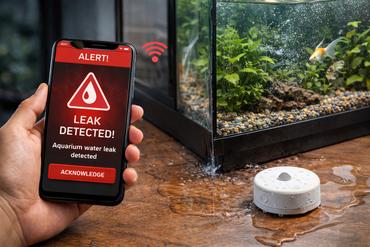
- Inspect Glass Upon Arrival: If you do buy a tank online, do a "leak test" in a garage or bathtub for 24 hours before moving it into your living room. Check all silicone seals for bubbles or peeling.
- Check "Use-By" Dates: When buying liquid fertilizers, medications, or water conditioners, check the expiration date immediately. Some discount sellers move "near-expiry" stock at lower prices.
- Save the Manuals: Digital receipts are great, but many manufacturers require the physical UPC code from the box for warranty claims. Create a "tank folder" to store these documents.
Maximizing Value: Subscriptions and Community Recommendations
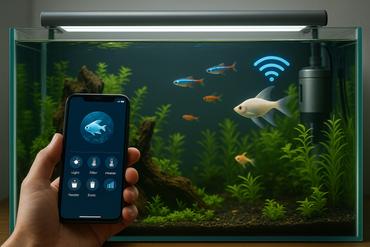
To make the most of your online shopping experience, look for ways to leverage the digital ecosystem. Many online aquarium specialty stores offer "reward points" or "loyalty programs" that accumulate with every purchase of fish food or filter media. Over time, these points can pay for your annual replacement of UV bulbs or carbon packs.
Furthermore, the aquarium community is a goldmine for "real-world" testing. Before committing to a high-ticket item like a $400 LED light or a CO2 injection system, visit hobbyist forums or read the deep-dive reviews on sites like RateMyFishTank.com. Often, you will find that a mid-range product performs 90% as well as a "professional" brand for half the price.
- Bulk Buying: Items like filter floss, dechlorinator, and frozen bloodworms are significantly cheaper when bought in bulk online. If you have multiple tanks, this is the most effective way to lower your monthly "cost per gallon."
- Seasonal Sales: "Black Friday" and "Cyber Monday" are legendary in the aquarium hobby. This is the best time to buy high-end canister filters or rimless low-iron glass tanks.
- Social Media Groups: Join groups dedicated to the specific species you keep (e.g., "South American Cichlid Keepers"). Members often share "deal alerts" for specific online retailers.
Conclusion: Success is a Click Away
Buying aquarium supplies online is more than just a convenience; it is a gateway to a more professional and successful hobby. By moving beyond the limited selection of local big-box retailers, you gain the ability to customize every aspect of your fish’s environment, from the spectrum of the light to the micron-level of the filtration. The key to success lies in meticulous research, a deep understanding of your fish’s biological requirements, and a cautious approach to shipping and warranties. Whether you are setting up your first 10-gallon tank for a Betta or designing a complex 125-gallon Discus biotope, the online marketplace provides the tools you need to succeed. Stay informed, shop smart, and always prioritize the welfare of your aquatic inhabitants above a bargain price.
Ready to take the next step in your aquarium journey? Explore our extensive collection of articles and community galleries to see how other hobbyists have used their online finds to create breathtaking underwater landscapes. Your dream tank is just a few clicks away!


MOST RECENT ARTICLES