HOW TO REDUCE AQUARIUM MAINTENANCE TO 10 MINUTES A WEEK
1. The Philosophy of Low-Maintenance Aquaristics: Work with Nature, Not Against It
Many hobbyists fall into the trap of believing that a pristine aquarium requires constant, aggressive intervention. They scrub every surface clean, replace filter media continuously, and dose a cabinet full of chemical treatments every few days. In reality, the most stable aquariums are those where natural biological processes handle the majority of the recycling load.
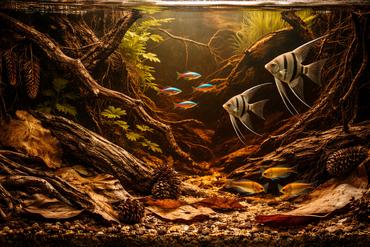
The nitrogen cycle is the fundamental biological engine of your aquarium. Beneficial bacteria convert toxic ammonia (produced by fish waste and decaying organic matter) into nitrites, and then into less harmful nitrates. In a traditional high-maintenance setup, the aquarist relies entirely on frequent, massive water changes to dilute these accumulated nitrates. However, in a low-maintenance setup, we design a balanced ecosystem where biological filtration, live plants, and natural scavengers process waste before it ever pollutes the water column.
When you align your maintenance routine with biological natural systems, your job shifts from manual labor to simple oversight. Instead of acting as the primary cleaner, your role becomes that of a manager monitoring a well-oiled biological system. To build a safe foundation for this hands-off approach, take a look at our guide on safety tips for freshwater aquariums.
2. Automate Daily Tasks to Eliminate Constant Upkeep
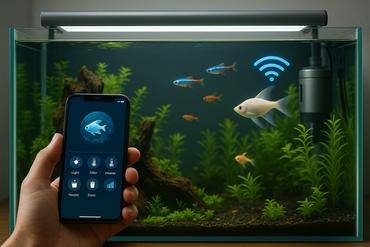
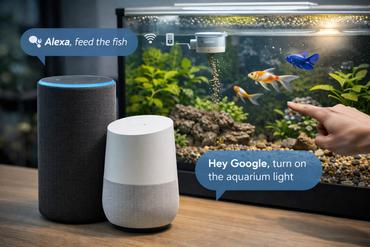
The secret to keeping weekly maintenance under ten minutes is automating the repetitive, everyday tasks that consume your time. When you automate lighting, feeding, and water topping, your weekly routine shifts from heavy labor to quick visual inspections.
Lighting control is the easiest place to start. Inconsistent photoperiods encourage nuisance algae growth, which leads to frequent scrubbing. Installing a simple digital outlet timer or a programmable LED fixture ensures your tank receives a strict 6 to 8 hours of light daily. Consistent lighting keeps algae in check while providing your live plants or corals with a steady routine.
Automating your feeding schedule and water levels also saves significant effort:
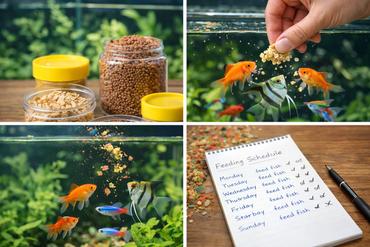
- Automatic Fish Feeders: Programmable feeders deliver precise portions of dry food once or twice daily, preventing accidental overfeeding—one of the primary causes of dirty tank water and sudden ammonia spikes.
- Auto Top-Off (ATO) Systems: Evaporation alters salinity in saltwater tanks and concentrates dissolved solids in freshwater setups. An ATO automatically replenishes evaporated water from a clean reservoir, eliminating the need to top off manually every few days.
By delegating these daily chores to reliable equipment, your active involvement is reduced to a single brief session at the end of the week.
3. Build a Heavy-Duty Biological and Cleanup Crew
Instead of doing all the cleaning yourself, let nature handle the heavy lifting. Assembling a specialized cleanup crew creates a balanced mini-ecosystem where natural scavengers continuously consume uneaten food, decaying plant matter, and film algae.
In freshwater aquariums, selecting the right species makes a massive difference in tank cleanliness. Invert pets and bottom-dwellers work around the clock to keep surfaces clear:
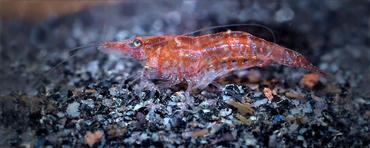
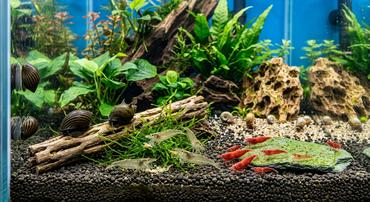
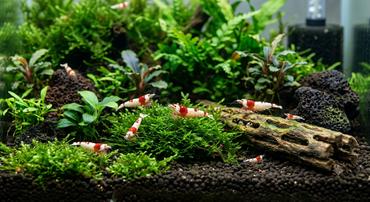
- Amano Shrimp ( Caridina multidentata ): Renowned for their voracious appetite for hair algae, thread algae, and organic debris.
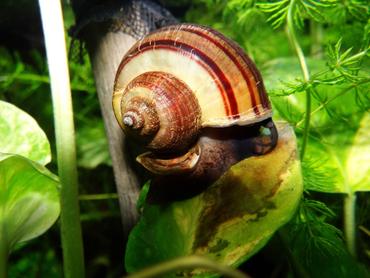
- Nerite Snails ( Neritina sp. ): Exceptional glass and decoration scrapers that will not overpopulate your tank in freshwater because their eggs require brackish water to hatch.
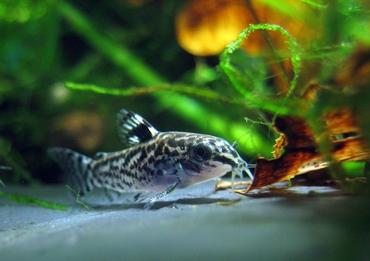
- Otocinclus Catfish ( Otocinclus sp. ): Small, peaceful dwarf catfish that spend all day grazing on soft green algae and biofilm across leaf surfaces.
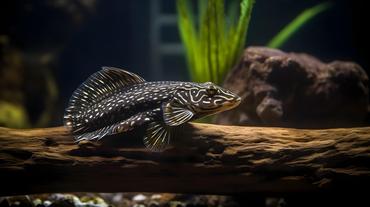
- Bristlenose Plecostomus ( Ancistrus sp. ): A manageable alternative to the common pleco that efficiently consumes algae on driftwood, rocks, and glass without growing too large for standard aquariums.
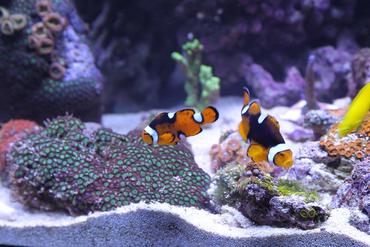
For saltwater hobbyists, a combination of Turbo snails, Blue-legged hermit crabs, and a Fighting Conch will keep sand beds turned and rocks free of detritus. When your biological cleanup crew works efficiently, manual glass scraping becomes an occasional touch-up rather than a strenuous weekly chore.
4. Optimize Filtration and Use Heavy Plant Mass
Mechanical and biological filtration form the backbone of a low-maintenance aquarium. Many beginners make the mistake of using undersized power filters that clog rapidly and require frequent pad cleanings. Upgrading to an oversized canister filter or a high-capacity sump dramatically extends the time required between filter cleanings.
Rinsing filter media in dirty aquarium water during occasional water changes—rather than every week—is plenty for a properly sized filter, provided you do not overload the biological capacity of the tank. Using coarse filter sponges and porous ceramic media maximizes surface area for beneficial nitrifying bacteria without restricting water flow. For a complete breakdown of different media options, check out our comprehensive overview of filter media types.
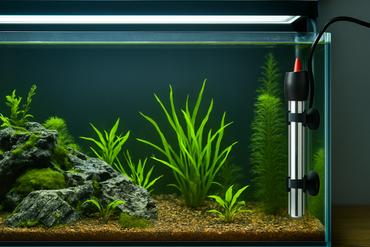
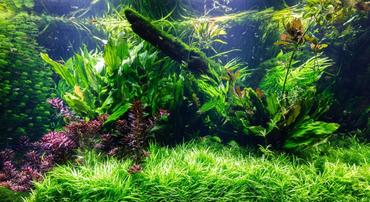
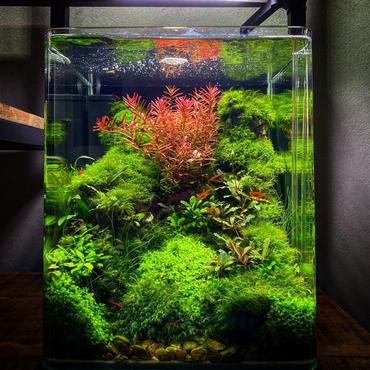
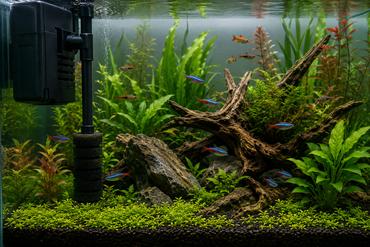
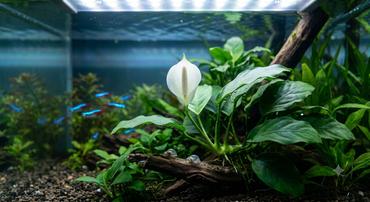
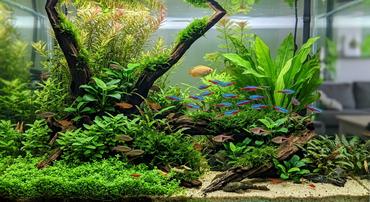
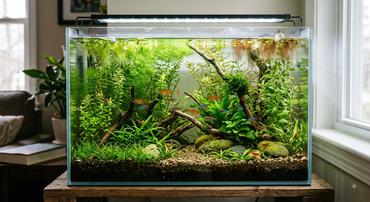
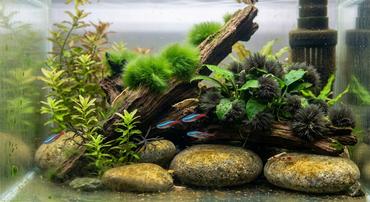
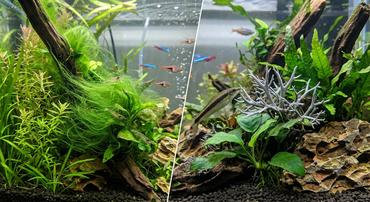
Integrating live plants is another powerful shortcut to low maintenance. Live plants act as natural biological filters, absorbing nitrates, ammonia, and phosphates directly from the water column. Fast-growing stem plants and heavy root feeders significantly reduce the frequency and volume of water changes required to keep nitrate levels safe.
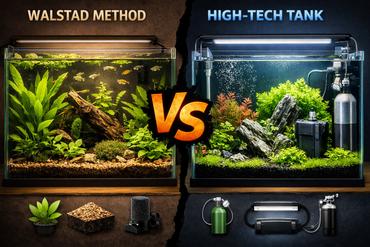
To learn more about selecting hardy flora that thrive without complicated fertilizing schedules or high-tech carbon dioxide injection systems, explore our guide on 12 aquarium plants that don't need substrate for ideas on building an easy-care aquascape.
5. Streamline Your Water Change Routine with Smart Tools
Water changes are historically the most time-consuming and messy part of fishkeeping. Carrying heavy 5-gallon buckets back and forth across the house leads to spills, back strain, and delayed maintenance. Modern gravel cleaning tools eliminate buckets entirely.
Investing in a water changer system that connects directly to your household faucet allows you to drain dirty water straight down the sink and refill the aquarium with fresh, temperature-matched water. While the siphon vacuums detritus out of the substrate, you can simultaneously clean the glass, reducing a 45-minute ordeal into a 5-minute task.
To maximize efficiency during your weekly 10-minute session, follow this step-by-step order of operations:
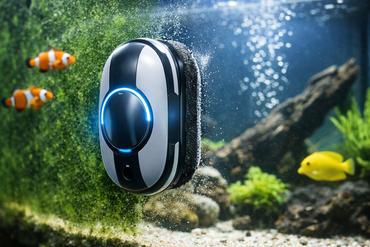
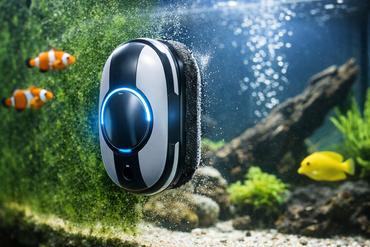
- Minutes 1–2: Wipe down the front glass using a magnetic cleaner.
- Minutes 3–7: Hook up your water changer, vacuum 15% to 20% of the substrate, and drain dirty water.
- Minutes 8–9: Add tap water conditioner directly to the tank and refill using temperature-matched water from the faucet.
- Minute 10: Inspect your fish, verify temperature settings, check filter flow, and wipe down the tank canopy or glass lid.
6. Master Substrate Management and Waste Reduction
The choice of substrate in your aquarium plays a crucial role in determining how much detritus settles where you can—or cannot—reach it. Fine-grained aquarium sand creates a barrier that forces fish waste and leftover food to remain on the surface, where filter currents and scavengers can sweep it away. Coarse gravel, on the other hand, acts like a trap, allowing organic debris to sink deep into the crevices where it rots and creates anaerobic pockets unless constantly vacuumed.
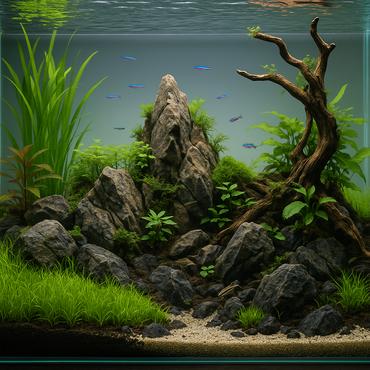
If you prefer a planted tank, utilizing a capped substrate method (a nutrient-rich soil layer capped with 1 to 2 inches of fine gravel or sand) locks nutrients underground where plant roots thrive, rather than leaking nutrients into the water column where it feeds nuisance algae. Combining proper substrate choice with moderate water circulation ensures that detritus remains suspended long enough for your mechanical filter to collect it automatically.
7. Water Chemistry Stability: Why Less Testing and Dosing Is More
One of the largest time sinks for intermediate aquarists is over-testing water chemistry and constantly dosing buffers, conditioners, and pH adjusters. Attempting to chase a "perfect" chemical parameter through artificial additives creates wild swings in pH, hardness, and mineral content, which stress your fish far more than a slightly sub-optimal but stable environment ever would.
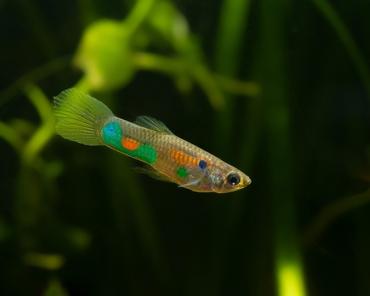
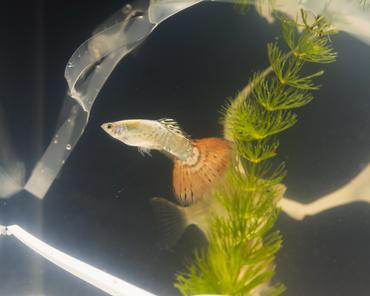
For standard freshwater community setups, most tap water is perfectly suitable once dechlorinated. Instead of adjusting pH or hardness weekly, select fish species that naturally thrive in your tap water's local parameters. If your tap water is hard and alkaline, focus on livebearers like Guppies and Platies, or hardy Cichlids. If your water is soft and acidic, Tetras, Rasboras, and South American dwarf cichlids will thrive effortlessly.
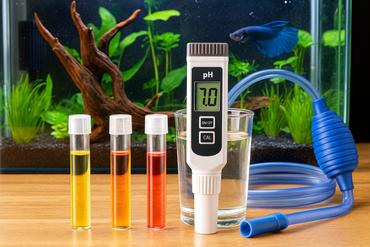
Testing your water parameters (ammonia, nitrite, nitrate, and pH) is essential during the initial tank cycling phase. However, once an aquarium is mature and established with a consistent stocking level, routine daily or weekly chemical testing becomes unnecessary. Moving to a visual inspection routine—watching fish behavior, plant growth, and clarity—frees up valuable time while reserving full water testing kits for rare troubleshooting situations.
8. Compatibility, Stocking, and Care Considerations
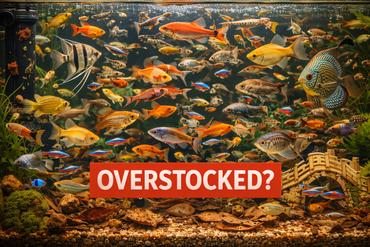
A major cause of unexpected aquarium maintenance is poor livestock selection and overstocking. Overcrowded tanks accumulate waste rapidly, triggering frequent water changes, disease outbreaks, and aggressive fish behavior. Maintaining a moderate stocking density is essential if your goal is low maintenance.
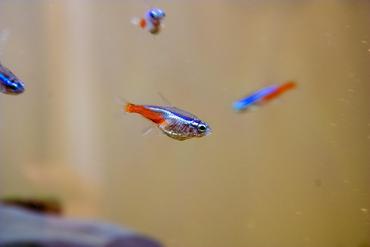
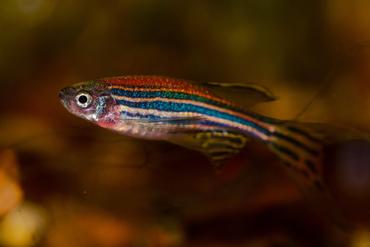
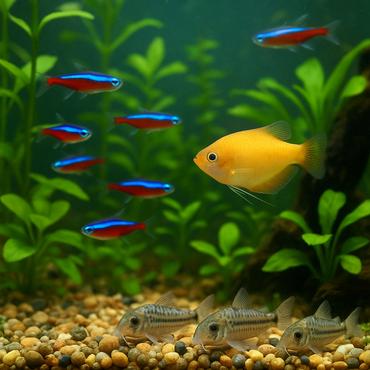
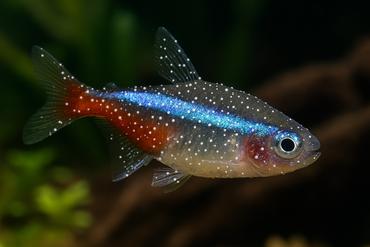
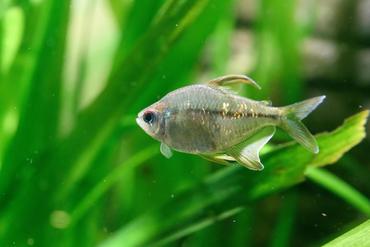
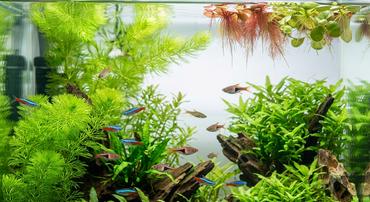
Tankmate compatibility plays a direct role in keeping your workload minimal. Combining peaceful community species like Neon Tetras ( Paracheirodon innesi ), Harlequin Rasboras ( Trigonostoma heteromorpha ), and Zebra Danios ( Danio rerio ) ensures a calm environment where stress-induced illnesses are rare.
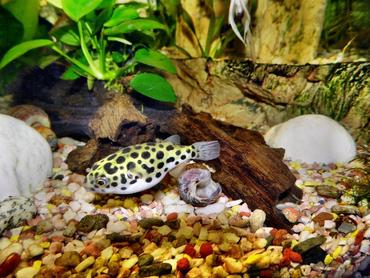
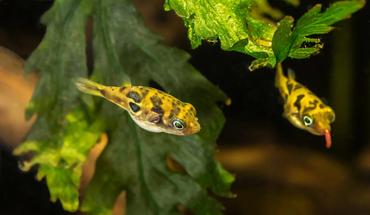
Conversely, introducing aggressive or messy species increases your daily workload. For instance, large cichlids uproot live plants and produce substantial waste, while predatory species leave uneaten food scraps that quickly foul the water. Additionally, ensure that your cleanup crew is safe from tankmates; aggressive fish like Puffers, Large Cichlids, or Ctenopomas will easily devour helper species like Amano shrimp and Nerite snails.
Avoid common beginner mistakes that create unnecessary work. Overfeeding is the single largest contributor to poor water quality. Feed only what your fish can completely consume in two minutes. Another mistake is replacing filter cartridges entirely every month, which destroys your beneficial bacteria colony and disrupts your nitrogen cycle.
If you want to read more on maintaining optimal conditions, check out our dedicated article on fish tank maintenance and cleaning.
9. Troubleshooting Algae and Avoiding Common Traps
Algae is the number one cause of aquarium frustration, causing many hobbyists to spend hours scrubbing rockwork, washing decorations, and dosing chemical algaecides. Understanding that algae growth is simply a symptom of an imbalance between light and excess nutrients allows you to fix the root cause rather than treating the symptoms.
If you notice an uptick in green spot algae or brown diatom blooms, review your photoperiod first. Reducing light duration by just one or two hours often halts algae expansion within a week. Similarly, checking for direct sunlight exposure from nearby windows can instantly eliminate stubborn green water blooms without the need for manual cleaning or expensive UV sterilizers.
Avoid relying on quick-fix chemical algaecides. While these products may kill off algae in the short term, the dying plant matter rots inside the tank, releasing massive amounts of organic nutrients back into the water. This organic overload triggers an even worse secondary algae bloom, forcing you into an endless cycle of scrubbing and dosing. Stick to natural light management, fast-growing live plants, and an effective cleanup crew for a self-regulating solution. For more strategies, learn about maintenance schedules for reef tanks if you manage marine systems.
10. The 10-Minute Weekly Maintenance Checklist
To keep your routine efficient and structured, print or save this streamlined 10-minute weekly workflow. Following a disciplined, repeatable sequence prevents wasted effort and ensures nothing important gets overlooked:
- Minute 1: Visual Health Check – Observe all fish for normal swimming patterns, clear fins, and active feeding behavior. Verify that filter return currents are running at full flow and heater indicator lights are functioning properly.
- Minute 2: Glass Cleaning – Run a magnetic glass cleaner across the front and side panels to remove light diatom film before it hardens.
- Minutes 3–6: Siphon & Water Extraction – Attach your sink-connected water changer. Quickly vacuum visible waste from open areas of substrate while draining approximately 15% to 20% of the tank volume.
- Minutes 7–8: Refilling & Water Conditioning – Add water conditioner directly near the refill outlet and adjust tap water temperature to match the aquarium before opening the refill valve.
- Minutes 9–10: Final Touch-Up – Prune floating or decaying leaves from live plants, top off auto-feeder reservoirs if needed, and wipe down the exterior glass with a dry microfiber cloth.
Streamline Your Tank Maintenance Today
Reducing your weekly aquarium maintenance to just 10 minutes does not require expensive high-tech gear or magic shortcuts. By combining basic automation, a diligent cleanup crew, live plants, and a bucket-free water change routine, you can maintain pristine water parameters and a clean tank with minimal effort. Keeping your stocking density reasonable and choosing compatible, peaceful species keeps biological stress low and personal enjoyment high.
Ready to build a stunning, low-effort aquarium? Explore our extensive library of guides at RateMyFishTank.com for expert tips on aquascaping, fish compatibility, and equipment reviews to help you spend less time cleaning and more time enjoying your underwater world.
MOST RECENT ARTICLES