TIPS FOR GETTING FUSSY FISH TO EAT

Why Some Fish Are Picky Eaters
Before trying to “fix” a feeding problem, it helps to understand why some fish are fussy in the first place. In many cases, a lack of appetite is not stubbornness but a response to stress, unfamiliar food, or unsuitable conditions. Fish in the wild often eat a very specific diet, and sudden changes can cause them to ignore food altogether.
Common reasons fish refuse food include:
- Stress from transport, handling, or a new tank environment
- Unfamiliar food type, size, or texture
- Competition or intimidation from tank mates
- Poor water quality or incorrect temperature
- Natural feeding rhythms (nocturnal or crepuscular species)
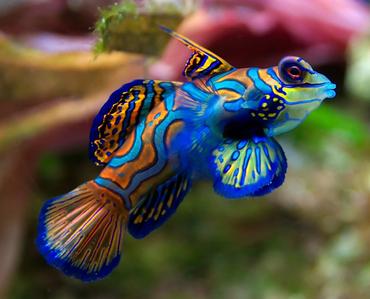
For example, newly imported marine species such as mandarinfish often ignore prepared foods because they are accustomed to grazing on live copepods all day. Similarly, wild-caught freshwater fish like certain dwarf cichlids may not recognize flakes or pellets as food at first.
It is also important to note that fish do not need to eat every single day to remain healthy. A fish skipping meals for a day or two, especially after being added to a new tank, is usually normal. Problems arise when refusal to eat continues for a week or longer.
Start With the Right Foods
One of the most effective ways to get fussy fish to eat is simply offering food that matches their natural diet as closely as possible. Many feeding issues occur because the food is technically “good,” but not appropriate for that particular species.
Research your fish before feeding. Carnivores, herbivores, and omnivores all have different needs, and feeding the wrong type can result in rejection. Even within these categories, preferences vary widely.
Highly effective food options for picky fish include:
- Frozen foods such as bloodworms, brine shrimp, mysis shrimp, and daphnia
- Live foods like blackworms, live brine shrimp, or copepods
- High-quality, species-specific pellets or gels
Frozen foods are often the turning point for fussy eaters because they smell and move more naturally in the water. Many marine hobbyists find success by transitioning picky fish using advice from guides such as live foods for marine fish, which explain how live and frozen options stimulate feeding responses.
Size also matters. A fish may ignore food simply because it is too large or too small to recognize. Crushing flakes, breaking pellets, or choosing nano-sized frozen foods can make a big difference, especially for small-mouthed species like neon tetras or firefish.
Use Feeding Techniques That Reduce Stress
Even the best food will be ignored if a fish feels unsafe. Stress is one of the most common reasons fussy fish stop eating, particularly in community tanks where competition or aggression is present.
To reduce feeding stress, consider how and where food is offered. Broadcasting food at the surface may work for bold fish, but shy or bottom-dwelling species often miss out. Target feeding can dramatically improve success.
Practical techniques to try include:
- Using a turkey baster or pipette to deliver food near shy fish
- Feeding after lights dim for nocturnal or timid species
- Turning off filters briefly so food does not immediately disperse
For example, many plecos and loaches feed primarily at night. Dropping sinking wafers after the lights go out often leads to better feeding than daytime attempts. Similarly, reef fish like anthias may eat more readily when food is gently released into their preferred swimming zone.
Tank layout also matters. Fish that lack hiding places often remain on edge and refuse food. Adding caves, plants, or rockwork can give shy species the confidence they need to venture out and eat.
Train Fish to Accept Prepared Foods
Some fish are not naturally picky, but they have never been exposed to prepared foods before. Wild-caught species and certain specialty fish may need to be “trained” gradually.
The most reliable method is food mixing. Start by offering a food the fish readily accepts, then slowly introduce prepared foods alongside it. Over time, the fish learns to associate the new food with feeding time.
A typical transition might look like this:
- Begin with live or frozen foods the fish eats eagerly
- Mix in small amounts of pellets or flakes
- Gradually reduce live foods as acceptance improves
This technique works well for species like discus, angelfish, and many marine butterflyfish. Patience is essential. Rushing the process often leads to setbacks, while slow, consistent exposure usually succeeds.
Soaking food in attractants can also help. Garlic-based additives are widely used in both freshwater and saltwater tanks to stimulate appetite. While not a cure-all, they can be useful during transitions or periods of stress.
Compatibility and Care Considerations
Feeding problems are often a symptom of broader compatibility or care issues. A fish that is constantly harassed, outcompeted, or kept in unsuitable conditions will rarely eat well, no matter what food you offer.
Tank mate selection plays a huge role. Fast, aggressive feeders like barbs or damsels can easily intimidate slower, more delicate species. In mixed tanks, fussy fish may simply never get a chance to eat.
Consider these compatibility-related factors:
- Aggressive or dominant fish preventing access to food
- Overcrowding increasing competition and stress
- Mismatched activity levels between species
For freshwater aquariums, understanding community dynamics is crucial. Resources such as choosing the right barbs for your tank highlight how seemingly small stocking decisions can impact feeding behavior and overall harmony.
Water quality is equally important. Elevated ammonia, nitrite, or nitrate levels can suppress appetite quickly. Temperature swings and improper salinity (in marine tanks) are also common culprits. Many saltwater keepers improve feeding response dramatically after stabilizing parameters with proper filtration and purified water, as explained in reverse osmosis for the saltwater tank.
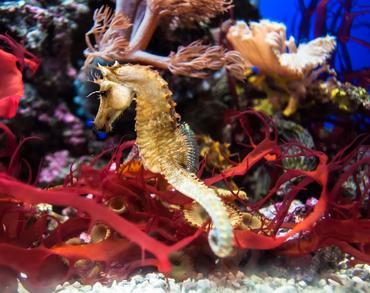
Finally, remember that some species naturally eat less than others. Seahorses, pipefish, and certain gobies feed slowly and frequently in the wild. Expecting them to compete with aggressive eaters is unrealistic and often leads to starvation.
Common Beginner Mistakes to Avoid
When dealing with a fish that will not eat, it is easy to panic and make mistakes that worsen the situation. Overfeeding is the most common error and can quickly degrade water quality, making the fish even less likely to eat.
Another frequent mistake is changing foods too often. Constantly offering something new can confuse fish and prevent them from settling into a routine. Consistency builds confidence.
Key mistakes to watch out for include:
- Adding too much food in an attempt to “force” eating
- Ignoring signs of bullying or stress
- Assuming a fish is sick when it is simply adjusting
It is also important not to medicate unnecessarily. While parasites and illness can cause appetite loss, most new fish simply need time and stable conditions. Observe behavior carefully before taking drastic action.
When to Worry and When to Be Patient
Not every picky eater is a crisis. Many healthy fish go several days without food, especially during acclimation. The key is monitoring overall condition rather than focusing on a single missed meal.
Signs that patience is appropriate include:
- Normal swimming and coloration
- No visible weight loss
- Gradual interest in food, even if not eating yet
On the other hand, prolonged refusal combined with weight loss, lethargy, or abnormal behavior warrants closer investigation. At that point, reviewing diet, tank mates, and water parameters should be the first steps before considering treatment.
Final Takeaway: Helping Fussy Fish Thrive
Getting fussy fish to eat is as much about understanding behavior and environment as it is about choosing the right food. By matching diets to natural preferences, reducing stress, using smart feeding techniques, and ensuring proper compatibility and care, most picky eaters can be turned into reliable feeders over time.
If you are struggling with a particular species, remember that patience and observation are your best tools. Small adjustments often make a big difference. For more in-depth guidance on nutrition, stocking, and long-term care, explore additional articles on RateMyFishTank.com and continue building a healthier, more confident aquarium.


MOST RECENT ARTICLES