TANK-RAISED FISH FOR SALTWATER AQUARIUMS

The Captive-Bred Advantage: Why Tank-Raised is Better
The primary reason tank-raised fish are superior for the home hobbyist comes down to resilience. Wild-caught fish undergo a grueling journey from the ocean to a collection station, then to an exporter, a wholesaler, and finally your local fish store. By the time they reach your tank, their immune systems are often compromised by stress and fluctuating water parameters. In contrast, tank-raised fish are born in controlled environments. They have never known the vastness of the ocean, so they don't experience the "culture shock" of four glass walls. This makes them significantly less skittish and far more likely to begin eating immediately upon introduction.
Another massive benefit is disease resistance—or rather, a clean slate. Captive-bred facilities maintain strict biosecurity protocols, meaning these fish are far less likely to carry devastating parasites like Marine Ich or Velvet. While you should still practice proper quarantine, the baseline health of an aquaculture specimen is generally much higher. Furthermore, tank-raised fish are already "pellet-trained." One of the biggest hurdles for beginners is getting a wild Mandarinfish or Copperband Butterflyfish to eat prepared foods; captive-bred versions of these species are often raised on commercial pellets and frozen mysis, removing the primary cause of mortality in these difficult-to-keep species.
Benefits of Tank-Raised Fish
- Better Acclimation: Tank-raised fish are accustomed to human presence and aquarium lighting cycles.
- Sustainable Choice: Purchasing aquaculture fish reduces the pressure on natural reef ecosystems.
- Prepared Food Ready: They readily accept flakes, pellets, and frozen foods from day one.
- Stable Genetics: Breeders often select for vibrant colors and docile temperaments.
Top Species to Consider for Your Tank
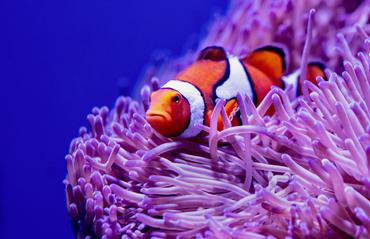
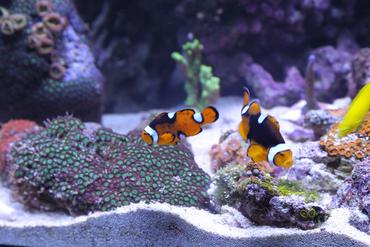
The variety of tank-raised species is expanding every year. It started with the iconic Ocellaris Clownfish, which is now available in dozens of "designer" morphs like Snowflakes, Picassos, and Wyomings. These fish are incredibly hardy and are the perfect choice for someone still mastering the process of cycling a fish tank. Beyond the clownfish, the Dottyback family has seen great success in aquaculture. The Orchid Dottyback (Pseudochromis fridmani), once rare in the wild, is now widely available as a captive-bred specimen. They are prized for their brilliant purple hue and are much less aggressive than their wild-caught cousins.
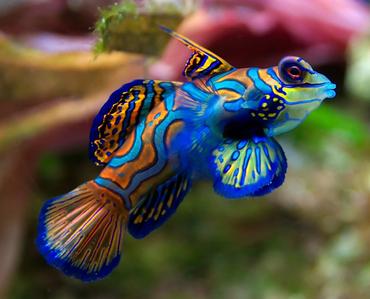
For those looking for functional fish, the captive-bred Biota Mandarinfish is a game-changer. Historically, Mandarins were nearly impossible for beginners because they required a massive, established copepod population to survive. Captive-bred Mandarins are raised to eat frozen foods and small pellets, making them accessible to hobbyists with smaller tanks. Other excellent tank-raised options include various species of Gobies, such as the Watchman Goby, and even certain Tangs. The Yellow Tang, once a staple wild-caught fish, is now successfully aquacultured, providing a hardier and more sustainable option for larger reef setups.
Recommended Tank-Raised Species
- Clownfish: Available in countless colors; the ultimate hardy beginner fish.
- Orchid Dottyback: Stunning purple color and a great choice for reef tanks.
- Captive-Bred Mandarinfish: Successfully trained to eat prepared foods unlike wild specimens.
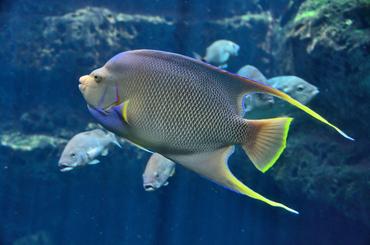
- Coral Beauty Angelfish: Now being raised in captivity, offering a more resilient "reef-safe" angel option.
- Blennies: Species like the Molly Miller Blenny are fantastic algae eaters and highly personable.
Compatibility and Care Considerations
Just because a fish is tank-raised doesn't mean its natural instincts have disappeared. Compatibility remains a crucial factor in a peaceful community. For instance, even a captive-bred Maroon Clownfish will eventually become territorial and aggressive as it matures, especially if it hosts an anemone. When planning your stocking list, it is vital to research the basics of fish compatibility to ensure your tank-raised Orchid Dottyback won't bully your peaceful Firefish. Tank-raised fish are often bolder, which means they might outcompete shyer wild-caught fish for food.
Care requirements for captive-bred fish are generally the same as wild fish in terms of water parameters, but they are more forgiving of minor fluctuations. However, you must still be vigilant about waste management. High stocking levels can quickly lead to the dangers of high ammonia, nitrite and nitrate, which will stress even the hardiest aquaculture fish. Because tank-raised fish are often sold as juveniles, they have higher metabolic rates and may require more frequent, smaller feedings than older, wild-caught adults. This higher feeding frequency necessitates a robust filtration system or a more frequent water change schedule to keep the environment pristine.
Care Considerations
- Social Hierarchy: Introduce peaceful species first and more territorial tank-raised species last.
- Juvenile Needs: Many tank-raised fish are sold small; ensure they aren't small enough to be eaten by larger tank mates.
- Niche Competition: Avoid keeping multiple species that occupy the same "zone" of the tank unless it is a very large system.
- Quarantine Protocol: Even though they are "cleaner," always quarantine new arrivals to monitor for stress and ensure they are eating well.
Common Myths About Tank-Raised Fish
One common myth is that tank-raised fish are "less colorful" than their wild counterparts. While this may have been true in the early days of aquaculture, modern breeders use high-quality, pigment-enriched diets and selective breeding to produce fish that are often more vibrant than those found on the reef. Another misconception is that they are "weaker" because they haven't survived the rigors of the ocean. In reality, the "survival of the fittest" in the wild often leaves fish with internal parasites or scarring, whereas captive-bred fish grow up in a protected environment with optimized nutrition, leading to a longer average lifespan in the home aquarium.
Some hobbyists also worry that tank-raised fish won't exhibit "natural" behaviors, such as a Goby forming a symbiotic relationship with a Pistol Shrimp or a Clownfish hosting an Anemone. Experience shows that these behaviors are largely instinctual. A tank-raised Ocellaris Clownfish may have never seen a Carpet Anemone, but it will usually find its way into one within days of introduction. Similarly, captive-bred Watchman Gobies will readily pair with a shrimp if given the opportunity. By choosing tank-raised, you aren't losing the "wild" experience; you are simply gaining a more stable and ethical way to enjoy it.
Myths About Tank-Raised Fish
- Myth: They don't host anemones. Fact: Instinct usually takes over very quickly.
- Myth: They are more expensive. Fact: While some are pricier, the "cost per year of life" is often lower due to higher survival rates.
- Myth: They are sterile. Fact: Most tank-raised fish are fully capable of breeding in your own aquarium.
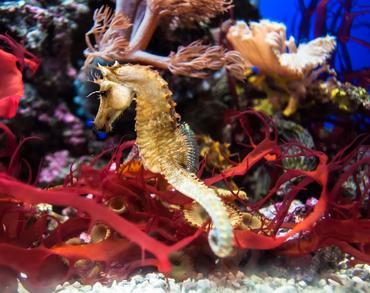
- Myth: Limited species available. Fact: Breeders now offer everything from Seahorses to Tangs and even large Angelfish.
Takeaway: Building a Future-Proof Aquarium
Switching to tank-raised fish is a win-win for both the hobbyist and the environment. As a beginner or intermediate keeper, starting with aquaculture specimens significantly increases your chances of success by providing you with fish that are already adapted to aquarium life, trained to eat prepared foods, and generally healthier from the start. As the industry continues to innovate, we can expect even more species to become available, further reducing our reliance on wild reefs. By prioritizing captive-bred livestock, you are contributing to a more sustainable hobby and ensuring that your home reef remains a vibrant, low-stress environment for its inhabitants. Ready to stock your tank with the hardiest fish available? Check out our detailed species profiles and livestock reviews at RateMyFishTank.com to find the perfect captive-bred additions for your setup! If you are just starting out, why not read our guide on the best first-time saltwater fish to ensure a smooth start to your reef-keeping journey? Would you like me to help you create a specific stocking list of tank-raised fish for a 40-gallon breeder tank?

MOST RECENT ARTICLES