HOW TO DEAL WITH MARINE ICH IN THE SALTWATER AQUARIUM

Understanding the Enemy: The Life Cycle of Cryptocaryon irritans
To successfully defeat Marine Ich, you must first understand why quick-fix remedies almost always fail. Cryptocaryon irritans is an obligate parasite with a complex four-stage life cycle. The white spots you actually see on your fish are not individual parasites sitting loosely on the skin; they are trophonts—the feeding stage of the parasite embedded deep beneath the fish’s protective mucous layer and epithelial tissue. Because the trophont is safely encapsulated inside the fish’s skin, chemical treatments and copper medications cannot reach or kill it while it is attached.
After feeding on tissue and body fluids for roughly three to seven days, the mature trophont drops off the fish, entering the protomont phase. It crawls along the substrate or live rock for a few hours before encysting into a hard, protective shell known as a tomont. Inside this impenetrable cyst, the parasite divides rapidly, producing hundreds of daughter cells called tomites. These cysts can sit dormant on your rocks, sand, or filter media anywhere from 3 to over 72 days!
Eventually, the cyst ruptures, releasing hundreds of free-swimming theronts into the water column. These free-swimming parasites have roughly 24 to 48 hours to find a viable host fish. This free-swimming theront phase is the only point in the entire life cycle where Marine Ich is vulnerable to chemical eradication. This explains why hobbyists often think they have cured the disease when the white spots disappear, only to suffer a massive re-infestation a week later as the tomont cysts hatch.
Recognizing the Symptoms of Marine Ich
Detecting Marine Ich early is critical to stopping a severe outbreak before your fish suffer irreversible gill damage. While visual cues are the most obvious, behavioral changes often appear hours or days before white spots manifest on the skin.
Keep a sharp eye out for these classic warning signs:
- White Salt-Like Specks: Tiny, distinct white dots (0.5 to 1.0 mm) appearing on the fins, body, or eyes of your fish.
- Flashing and Scratching: Fish rubbing, scraping, or darting furiously against live rock, substrate, or powerheads to relieve skin irritation.
- Heavy or Rapid Respiration: Flared gills and rapid, laboured breathing, caused by hidden parasites colonizing the sensitive gill tissue.
- Lethargy and Hiding: Active open-water swimmers suddenly lurking near the back corners, hiding in caves, or sitting near water outlets.
- Loss of Appetite: Refusal to eat, spitting out pellets, or showing disinterest during regular feeding routines.
It is vital not to confuse Marine Ich with Marine Velvet (Amyloodinium ocellatum). While Marine Ich looks like coarse individual salt grains, Marine Velvet appears as a fine, dusty golden-yellow sheen or haze across the fish's body. Velvet moves significantly faster, compromises gill function rapidly, and carries a much higher mortality rate, requiring immediate, aggressive intervention.
Proven Treatment Protocols That Actually Work
When battling Cryptocaryon irritans, you must separate internet myths from scientifically backed cures. Herbal remedies, garlic extracts, and "reef-safe" bottled additives may stimulate a fish's appetite or slime coat temporarily, but they do not kill the parasite. To completely eliminate Marine Ich, you must use one of three proven medical methods in a dedicated hospital tank, while letting your display tank run completely fishless (fallow). If you are new to setting up a medical isolation system, review our comprehensive guide on how to set up a hospital tank to ensure your treatment environment remains stable and oxygen-rich.
1. Ionic Copper and Chelated Copper Medications
Copper treatment is the gold standard in the marine aquarium hobby. Popular options like Copper Power or Seachem Cupramine maintain a continuous concentration of active copper ions in the water, which kills free-swimming theronts as they hatch.
How to execute: Dose your hospital tank slowly over 48 hours to reach therapeutic levels (e.g., 2.0 to 2.5 ppm for Copper Power or 0.5 ppm for Cupramine). Maintain this precise concentration constantly for 14 to 30 days, checking levels twice daily with a reliable liquid test kit or digital colorimeter. Never introduce copper into a display tank containing live rock, sand, corals, or invertebrates, as it permanently absorbs into porous rock and kills sensitive reef life.
2. Hyposalinity (Osmotic Shock Therapy)
Hyposalinity works by dramatically lowering the specific gravity of the water, exploiting the fact that marine fish can adjust their internal osmoregulation better than single-celled parasites. In low salinity, parasite cell walls burst due to osmotic pressure.
How to execute: Over 48 hours, lower the specific gravity of your hospital tank to a precise 1.009 SG (11–12 ppt) using fresh reverse osmosis (RO) top-off water. Maintain this level strictly for 30 consecutive days using an accurately calibrated refractometer. Even a slight bump in specific gravity to 1.011 can allow tomont cysts to survive. Hyposalinity is gentler on copper-sensitive fish, but it requires relentless monitoring of pH and alkalinity, which tend to plummet at low salinities.
3. Tank Transfer Method (TTM)
TTM relies entirely on biological timing rather than chemicals or salinity shifts. By moving fish to a clean, completely dry tank every 72 hours, you leave the attached parasites behind before they can drop off, form cysts, and hatch back into the water column.
How to execute: Prepare two identical, bare-bones tanks with separate heaters and air stones. Place the infected fish in Tank A. At exactly 72 hours (or earlier), transfer the fish to Tank B. Drain Tank A, clean it with bleach or vinegar, and let it dry 100% completely for at least 24 hours to kill any remaining encysted tomonts. Repeat this transfer process every 3 days for a total of 4 transfers (12 days total). TTM is 100% chemical-free and extremely effective, but it demands significant hands-on labor.
The Fallow Period: Eradicating Ich from Your Display Tank
A classic beginner mistake is treating infected fish in a hospital tank for two weeks and returning them immediately to the display system. While your fish were undergoing treatment, dormant tomont cysts were still sitting silently on your live rock, coral frags, and sand bed. Reintroducing fish too soon resets the cycle completely.
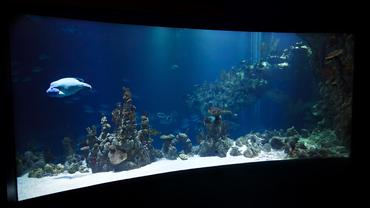
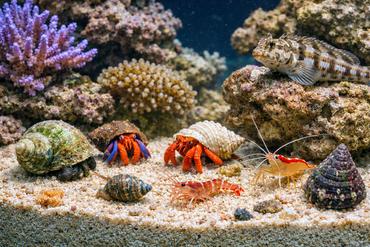
Because Cryptocaryon irritans is an obligate parasite, free-swimming theronts will eventually starve and die if they cannot find a fish host. Corals, anemones, ornamental shrimp, snails, crabs, and starfish are completely immune to Ich and cannot act as biological hosts.
To ensure total eradication from your main aquarium, you must execute a strict fallow (fishless) period:
- Remove ALL fish from the display tank. Leaving even a single, symptom-free "hardy" goby will keep the parasite population alive.
- Keep the display tank completely fishless for 45 to 76 days at normal reef temperatures (76°F–80°F). While 45 days eliminates most strains, running a full 76-day fallow period guarantees a 99.9% eradication rate against resistant strains.
- Maintain normal coral feeding, lighting, and water change schedules to keep your invertebrates, biological filtration, and water parameters healthy during the fallow phase.
- Increase water temperature slightly to 80°F–81°F to speed up the metabolic rate and life cycle of the encysted parasites, causing them to hatch and starve faster.
Fish Species Vulnerability and Compatibility Considerations
Not all marine fish react to Cryptocaryon irritans in the same way. Differences in skin anatomy, mucous layer thickness, and natural stress resistance make certain species notorious "Ich magnets," while others seem remarkably resilient.
High-Risk Species ("Ich Magnets")
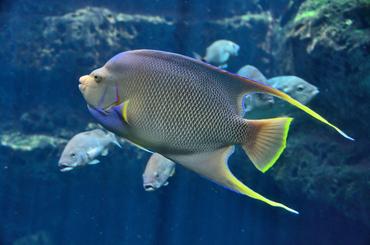
Surgeonfish and Tangs are famously susceptible to Marine Ich due to their exceptionally thin protective slime coat and nervous dispositions. Species like the Powder Blue Tang (Acanthurus leucosternon), Blue Hippo Tang (Paracanthurus hepatus), and Yellow Tang (Zebrasoma flavescens) are usually the first to break out in white spots during a tank crisis. Angelfish species (such as the Emperor Angelfish or Coral Beauty) and Cowfish are also prone to severe infections if water quality drops or aggressive tankmates cause stress.
Low-Risk or Resilient Species
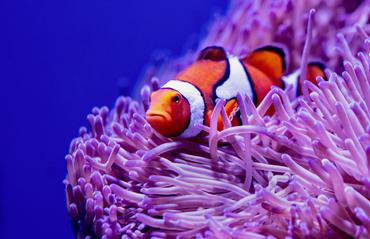
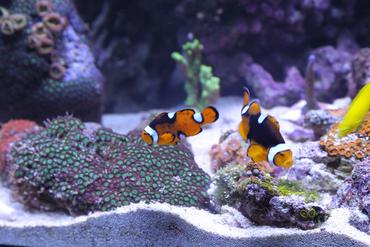
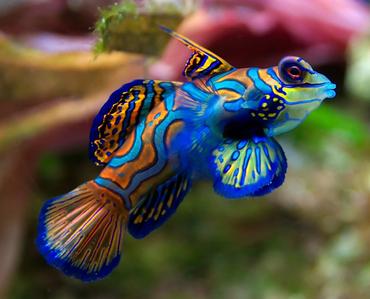
Conversely, species with thick, heavy mucus coats tend to resist attachment far better. Mandarin Dragonets (Synchiropus splendidus) secrete a slimy, toxic skin coat that makes them nearly immune to Marine Ich, though they can still mechanically transport cysts on their fins or belly. Gobies, such as the Yellow Watchman Goby (Cryptocentrus cinctus), and Blennies like the Lawnmower or Midas Blenny possess strong immune responses and lower susceptibility. Captive-bred Ocellaris Clownfish (Amphiprion ocellaris) and Royal Grammas are also exceptionally hardy, making them fantastic choices when building a low-stress community. Check out our roundup of the best beginner saltwater fish to discover resilient, easy-to-care-for species that minimize disease risks in new setups.
When planning your stocking list, take care to mix species that occupy different swimming zones and possess compatible temperaments. Pairing territorial tangs together in a small tank induces chronic stress, suppressing their immune systems and virtually guaranteeing an Ich flare-up. For a deeper dive into selecting peaceful tankmates and avoiding territorial fights, explore our guide on why tangs are some of the best fish for reef tanks.
Actionable Prevention and Long-Term Quarantine Strategies
The simplest way to deal with Marine Ich is to prevent it from ever reaching your display tank. Once you have experienced a 76-day fallow period, you will quickly realize that a strict quarantine routine is far less work than treating a full outbreak.
Implement these long-term care principles to keep your aquarium clean and disease-free:
-
Quarantine ALL New Additions: Set up a simple 10 to 20-gallon quarantine tank equipped with a sponge filter, heater, PVC pipe elbows for hiding spots, and standard lighting. Keep all newly purchased fish in isolation for 30 to 45 days before introducing them to your main reef. Proactively treating new arrivals with a 14-day therapeutic copper cycle during quarantine will eliminate dormant parasites before they enter your home ecosystem.
-
Isolate Corals and Invertebrates: While invertebrates cannot host the trophont stage of Ich, a coral frag, snail shell, or hermit crab foot can carry invisible tomont cysts from a store's connected holding system. Dip all incoming corals and place invertebrates in a fishless observation tank for 45 days to ensure no cysts hitchhike into your display.
-
Focus on Stress Reduction and Nutrition: A healthy fish’s immune system can often keep low-level parasite loads in check. Feed high-quality frozen foods like mysis shrimp, spirulina-enriched brine shrimp, and nori (dried seaweed) soaked in liquid vitamin supplements (such as Selcon). High nutrition preserves the natural slime coat and boosts overall disease resistance. Maintain steady temperature, salinity, and water parameters, as sudden environmental fluctuations are the primary trigger for sudden parasite spikes.
Key Takeaways for a Disease-Free Aquarium
Dealing with Marine Ich can feel overwhelming for beginner and intermediate hobbyists, but victory comes down to patience, proper diagnosis, and adhering to strict life cycle biology. Remember: quick-fix "reef-safe" bottles cannot eliminate encysted tomonts in your display tank. The only guaranteed path to a parasite-free system is removing all fish to a dedicated hospital tank for copper, hyposalinity, or TTM treatment, while letting your primary display run completely fallow for at least 45 to 76 days.
By making proactive quarantine a mandatory step for every new fish, invertebrate, and coral purchase, you shield your aquatic family from unnecessary hardship and safeguard your financial investment. Have you ever battled Marine Ich in your own setup? What treatment method worked best for your fish? Explore more of our expert disease management guides on RateMyFishTank.com, share your recovery stories in our community forums, and upload pictures of your thriving, parasite-free aquariums today!


MOST RECENT ARTICLES