SALTWATER SPECIES THAT SHOULD NOT BE KEPT BY BEGINNERS (AND SOMETIMES NOT EVEN BY THE EXPERIENCED)
The Illusion of Beauty: Species with Impossible Dietary Needs
The single most common pitfall for intermediate and transitioning hobbyists is purchasing a marine fish based entirely on its physical appearance without understanding its feeding mechanics. In the wild, many coral reef species are highly specialized obligate feeders. This means their biological systems have evolved to consume only one specific type of live food found on the reef. When introduced to the closed confines of a home aquarium, these species frequently refuse commercial flakes, processed pellets, or even high-quality frozen mysis and brine shrimp, leading to a slow, tragic, and preventable starvation.
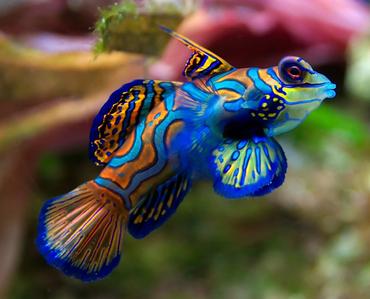
The most famous and tragic example of this is the Mandarin Dragonet ( Synchiropus splendidus ). These stunningly patterned, maze-like fish do not possess a standard stomach like a traditional predatory fish; instead, they have a continuous, highly efficient digestive tract that requires them to graze constantly throughout their waking hours. Their primary, and often exclusive, food source is live copepods and amphipods—tiny micro-crustaceans that inhabit mature live rock and sand beds. A single adult mandarin can strip a 50-gallon tank completely clean of its microfauna population within a matter of weeks. Unless you possess a massive, mature aquarium system of 100 gallons or more with an established, thriving refugium, or you are willing to spend significant amounts of money purchasing live copepod cultures on a weekly basis, this species remains incredibly difficult. If you are determined to eventually host one of these magnificent fish, be sure to study the expert strategies on keeping and breeding mandarinfish to understand the immense preparation required.
Another dietary nightmare frequently encountered by hobbyists is the Copperband Butterflyfish ( Chelmon rostratus ). This species is often purchased on impulse to eradicate pest glass anemones, commonly known as Aiptasia. While they are indeed excellent at picking away at these pests, their long, needle-like snouts are specifically designed by nature to pluck organisms out of deep, microscopic rock crevices. Once the initial supply of pest anemones is completely consumed, Copperbands routinely refuse standard aquarium fare. They are incredibly easily intimidated by faster, more aggressive tankmates during feeding times, causing them to slowly waste away. If you are currently dealing with an invasive hitchhiker outbreak, it is far safer to research alternative, balanced filtration and cleanup strategies rather than introducing a delicate obligate feeder that you cannot sustain over time.
The difficulty increases exponentially when considering species like the Moorish Idol ( Zanclus cornutus ). Famed for its iconic appearance, this species has an incredibly dismal survival rate in captivity. In the wild, their diet consists primarily of marine sponges and bryozoans. Replicating this specialized nutritional profile in a home glass box is an ongoing challenge that baffles even public aquarium curators. They are highly prone to sudden, unexplained death due to nutritional deficiencies, making them a species that should be actively avoided by hobbyists of all experience levels.
The Ich Magnets: High-Stress Species and Extreme Disease Vulnerability
Every saltwater aquarist, regardless of their budget or experience, will eventually encounter marine ich ( Cryptocaryon irritans ). This persistent parasitic infection presents itself as tiny, sugar-like white spots across a fish's skin, gills, and fins. However, while some hardy fish can battle through a minor infection with the help of a strong immune system, certain marine species possess a very thin, virtually nonexistent protective slime coat. This biological vulnerability makes them highly susceptible to parasite attachment the moment their stress levels elevate. In the global aquarium community, these species are affectionately, and frustratingly, known as "ich magnets."
The Powder Blue Tang ( Acanthurus leucosternon ) and the Achilles Tang ( Acanthurus achilles ) sit firmly at the absolute top of this hazardous list. These fish hail from high-surge, shallow reef zones where water movement is incredibly intense and oxygen levels remain pristine and saturated. When confined to a standard, stagnant rectangular home aquarium, their psychological stress levels spike immediately. This continuous state of anxiety causes a rapid drop in their immune response, opening the floodgates for rapid parasite reproduction. A single stressed Powder Blue Tang introduced without proper care can easily trigger a system-wide ich or marine velvet outbreak, rapidly wiping out an entire community of tankmates that were previously perfectly healthy.
Successfully keeping these delicate Acanthurus species requires a master-level understanding of water chemistry, massive water movement delivered by high-end wavemakers, and an expansive tank footprint—typically a minimum of 125 to 180 gallons—to accommodate their frantic, open-ocean swimming behaviors. Beginners simply lack the stability management skills and the mature biological filtration required to keep these sensitive fish comfortable. This turns what should have been a stunning centerpiece display into an incredibly expensive, heartbreaking lesson in quarantine procedures and disease eradication. For a baseline understanding of how these pathogens behaviorally and biologically destroy fish immune tissue, reviewing the diagnostic guides for common tropical fish diseases can provide essential context on parasite lifecycles, drop-off phases, and treatment timelines.
Hidden Weapons: The Toxic and Deadly Chemical Dangers
Some marine organisms do not fight for survival using physical teeth, speed, or aggressive behavioral posturing; instead, they employ advanced chemical warfare. In the open ocean, diluting a toxic cloud is instantaneous. However, in the tight, closed-loop water volume of a home aquarium, a chemical defense mechanism can have swift, apocalyptic consequences. If a toxic species becomes bullied, physically injured, or stressed by poor water parameters, or if it dies unnoticed behind your rockwork, it can release deadly compounds directly into the water column, instantly killing every single gill-breathing inhabitant in the system.
The Boxfish and Cowfish families, such as the widely available Longhorn Cowfish ( Lactoria cornuta ), are textbook examples of this hidden danger. When these slow-moving, hovering fish feel cornered by aggressive tankmates or accidentally get caught against the strong intake of a modern powerhead, they excrete a potent external toxin called ostracitoxin from their skin. This chemical substance rapidly dissolves and destroys the red blood cells in surrounding fish, suffocating them within minutes. A single stressed cowfish can completely crash a multi-thousand-dollar reef tank before you even notice something is wrong. While boxfish are undeniably adorable as hovering juveniles, their massive adult size, coupled with this chemical self-destruct button, makes them an unjustifiable liability for an amateur aquarist.
An even more extreme and hazardous example is the Blue-Ringed Octopus ( Hapalochlaena spp. ). While occasionally imported by specialty stores catering to exotic tastes, this creature should absolutely never be kept by hobbyists of any experience level. They carry tetrodotoxin, a deadly neurotoxin produced by symbiotic bacteria in their salivary glands for which there is no known medical antidote. A single defensive bite from an overlooked octopus can cause total motor paralysis, blindness, and respiratory failure in an adult human within a matter of minutes. Furthermore, octopuses are legendary escape artists, capable of squeezing their completely boneless bodies through the smallest micro-gaps in a tank lid, creating an unacceptable, lethal hazard in a residential home environment.
We must also look at various species of marine cucumbers, particularly the Sea Apple ( Pseudocolochirus violaceus ). These brightly colored, filter-feeding invertebrates are jaw-droppingly beautiful, looking like living pieces of neon art. However, when a sea apple is stressed or passes away, it releases holothurin into the water column. This compound acts as an immediate, irreversible poison to the respiratory systems of fish. Unless you run massive amounts of fresh activated carbon and catch the issue within seconds, a sea apple crash is a total loss scenario for your aquarium ecosystem.
The Space Invaders: Monster Fish that Outgrow the Average Tank
One of the most persistent mistakes made by beginners in the aquarium hobby is purchasing a juvenile fish based on its current size at the retail store, without performing extensive research on its genetic growth potential and ultimate adult size. Many species sold in commercial shops are only two to three inches long as juveniles but possess the genetic coding to grow into true ocean monsters that require public-aquarium-sized habitats to survive.
Consider the following common species that routinely and rapidly outgrow standard home setups:
- Panther Grouper ( Cromileptes altivelis ): Frequently sold as an adorable, gracefully swimming, polka-dotted juvenile, this fish quickly grows into a massive, heavy-bodied 20-inch apex predator. It will eagerly swallow any tankmate it can fit into its cavernous, expanding mouth, turning your peaceful reef community into an expensive buffet.
- Volitan Lionfish ( Pterois volitans ): While stunningly beautiful, highly intelligent, and relatively hardy against fluctuating water parameters, they reach an imposing 15 inches in length incredibly fast. Their long, elegant dorsal spines carry a painful venom that makes routine glass cleaning a hazardous chore, and they will effortlessly consume any small reef fish, such as damselfish and clownfish, that cross their path.
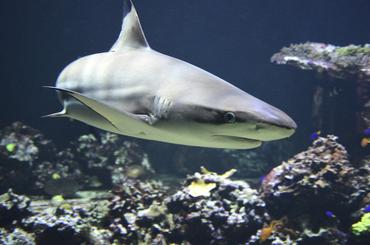
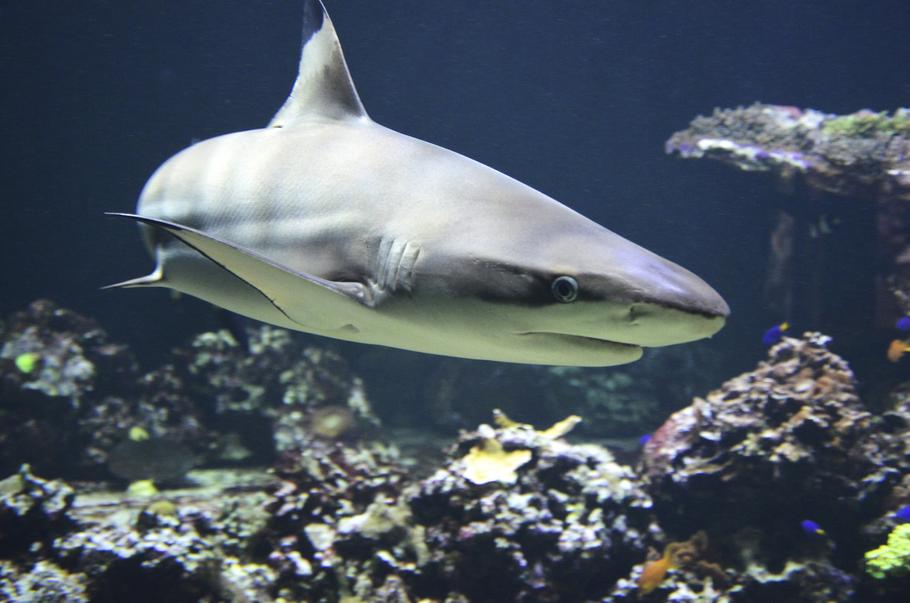
- Nurse Sharks ( Ginglymostoma cirratum ): Occasionally sold to unsuspecting, thrill-seeking hobbyists looking for the ultimate backyard status symbol, these sharks easily surpass 9 feet in length as adults. They require custom-built indoor lagoons with rounded corners rather than standard glass or acrylic aquariums, making their long-term home care virtually impossible for a private individual.
- Napoleon Wrasse ( Cheilinus undulatus ): Though rarer, juveniles occasionally make their way into the trade. These fish grow to over six feet in length in the wild and become massive, rock-shifting giants that can break standard glass aquariums with a single misdirected swim.
Starting with an undersized tank with the vague, future intention of upgrading to a larger layout later down the road almost always results in stunted growth, skeletal deformities, systemic organ failure, and severe, unmanageable territorial aggression. Before introducing any new species to your home, calculating the exact space, behavior, and physical limitations of your layout is an absolute prerequisite. To avoid these catastrophic size mismatches, utilize a strategic framework like our fish compatibility checker to map out the adult size profiles, space symmetry requirements, and swimming levels of your intended community before purchasing.
Compatibility and Care Considerations for Marine Systems
Achieving true, multi-year success in the saltwater hobby relies heavily on the advanced concepts of bio-load management and behavioral inter-species compatibility. In a traditional freshwater aquarium setup, minor husbandry mistakes or overfeeding can often be easily corrected with a quick, reactive water change. In a marine system, however, aggressive territorial behaviors or subtle drops in water parameters can turn lethal overnight. When building your dream stocking list, you must carefully balance three critical vectors: territory definitions, psychological aggression, and systemic chemical stability.
Many advanced marine species are hyper-territorial, viewing the entire physical footprint of your aquarium as their personal reef patch. For instance, the Maroon Clownfish ( Premnas biaculeatus ) starts out as a charming, deeply colored addition to a tank. However, as they mature and transition into dominant females, they become viciously aggressive, routinely killing any other clownfish species, terrorizing passive tankmates, and even biting the hands and knuckles of their owners during routine glass scraping or coral gluing. Mixing these naturally aggressive species with peaceful reef dwellers like firefish or cardinals creates a state of chronic stress. This continuous psychological stress suppresses the target fish's immune system, directly triggering latent disease outbreaks that can infect the entire tank.
Additionally, you must deeply consider the long-term biological impact of your livestock selections. Large, heavy-bodied predatory fish like groupers, wrasses, and lionfish produce immense amounts of organic waste, releasing heavy loads of toxic ammonia, nitrite, and organic phosphate into the water column. Managing this massive influx of waste requires commercial-grade protein skimmers, large dedicated refugiums packed with macroalgae, and frequent, laborious water changes to prevent severe, suffocating nuisance algae blooms and subsequent coral bleaching events. For those just getting started in this beautiful hobby, focusing your efforts on peaceful, low-waste utility fish is the safest, most rewarding route to long-term success.
Strategic Takeaways for a Successful Marine Journey
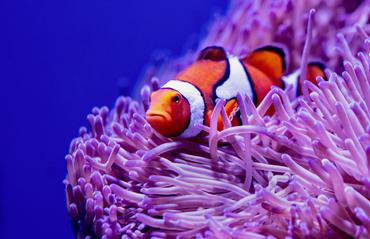
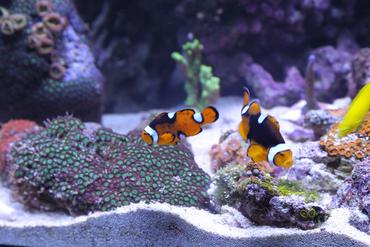
Steering clear of these difficult, delicate, or overtly dangerous species does not mean your home saltwater aquarium has to be boring or devoid of life and color. The ultimate secret to a thriving, picturesque marine tank lies in exercising patience, performing thorough independent preparation, and intentionally selecting resilient, hardy species that leave plenty of room for natural human learning errors. Beautiful, active fish like captive-bred Ocellaris Clownfish, elegant Firefish Gobies, colorful Royal Grammas, and various peaceful utility wrasses offer incredible neon colors and fascinating behavioral dynamics without the extreme, catastrophic risks associated with advanced or specialized livestock.
Before you ever hand over your credit card for a new animal at your local fish shop, make it an absolute rule to cross-reference its adult size, its specific feeding requirements in captivity, and its known behavioral tendencies against your current tank size and existing inhabitants. If you want to expand your aquatic knowledge, troubleshoot existing water chemistry issues, and ensure your home ecosystem remains healthy for years to come, take your time browsing through deep-dive care analysis profiles on our home platform. Taking the time to properly research your livestock choices today prevents a costly, heartbreaking, and discouraging failure tomorrow.

MOST RECENT ARTICLES