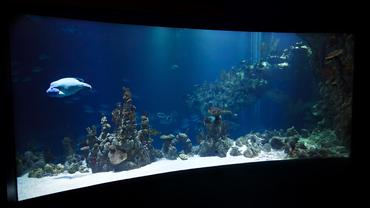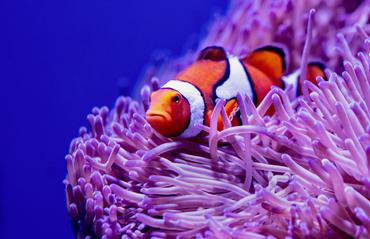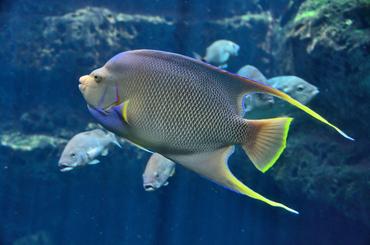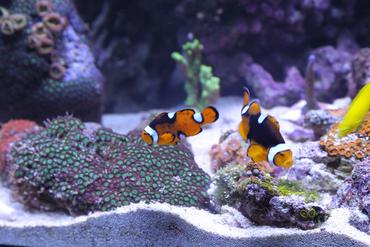
WHAT IS A NANO REEF?

Understanding the Nano Reef Concept: Definition and Benefits
In the reef-keeping world, standard marine aquariums often start at 55 to 100 gallons or more. A nano reef, by standard definition, is any marine aquarium with a total capacity of 30 gallons or less. Tanks smaller than 5 gallons are frequently referred to as "pico reefs," representing an extreme niche of micro-aquaria. While smaller tanks might seem like an easier option for beginners due to their physical footprint, they come with a distinct set of trade-offs that every hobbyist must evaluate before diving in.
The primary appeal of a nano reef lies in its accessibility and space efficiency. Full-sized reef aquariums require substantial floor space, custom stands, heavy plumbing, and thousands of dollars in high-end equipment. In contrast, a nano reef fits comfortably on a sturdy desk, countertop, or dedicated small stand, making it ideal for apartments, offices, or living rooms where space is limited.
- Lower Upfront Costs: Smaller tanks require smaller volumes of artificial sea salt, less live rock, less substrate, and fewer reef-safe LED fixtures, drastically reducing the initial financial investment.
- Reduced Resource Consumption: Weekly water changes on a 15-gallon tank require only 2 to 3 gallons of fresh saltwater, making water preparation significantly faster and cheaper than managing a 100-gallon display.
- Intimate Viewing Experience: Nano reefs force you to look closely. Macro details—such as tiny feather duster worms, small hermit crabs, and intricate coral polyps—become central focal points rather than getting lost in a massive display.
- Energy Efficiency: Heating, pumping, and lighting a small volume of water consumes a fraction of the electricity required by large, multi-light system setups.
Despite these benefits, it is crucial to recognize that smaller water volumes offer a much smaller buffer for error. Toxic ammonia spikes, temperature fluctuations, and salinity increases due to evaporation happen far faster in 15 gallons of water than in 100 gallons. Success with a nano reef hinges on discipline, consistency, and choosing equipment tailored to small-scale marine biology.
Essential Equipment for a Nano Reef Setup
Setting up a nano reef successfully relies on assembling a reliable hardware suite capable of maintaining pristine water conditions. Unlike freshwater systems, marine reef environments demand high light intensity, strong water motion, and stable temperature control.
1. All-in-One (AIO) Tanks vs. Custom Rimless Aquariums
For most beginner and intermediate aquarists, an All-in-One (AIO) nano tank is the ideal starter choice. AIO systems feature a built-in rear filtration compartment hidden behind a false wall. This chamber houses filter socks, mechanical sponges, biological media, heaters, and return pumps without cluttering the main display area. Popular commercial options like the Innovative Marine Fusion series, Fluval Sea EVO, or Waterbox Cube offer sleek, self-contained environments designed specifically for mini reefs.
2. Lighting for Coral Photosynthesis
Corals rely on symbiotic algae called zooxanthellae living within their tissue to produce energy through photosynthesis. To keep soft corals and Large Polyp Stony (LPS) corals alive, you need specialized marine LED lighting that produces the spectrum necessary for growth (specifically actinic blue wavelengths between 420nm and 470nm). Compact LED units with programmable schedules, intensity controls, and spectrum tuning allow you to maintain vibrant coral colors without overheating a small volume of water.
3. Water Movement and Circulation
Stagnant water leads to detritus accumulation, dead spots, and poor oxygen exchange. Coral health relies on gentle, turbulent flow to flush away waste products and deliver nutrients. A small, adjustable wavemaker or submersible powerhead capable of turning over the tank volume 20 to 30 times per hour is vital for keeping debris suspended so the filtration system can remove it.
4. Automated Top-Off (ATO) Systems
Because nano reefs have a small surface area, water evaporation can alter salinity rapidly. As pure water evaporates, salt remains behind, causing the specific gravity to rise. An Automatic Top-Off (ATO) system uses an optical sensor or float switch in the pump chamber to inject tiny amounts of fresh Reverse Osmosis/Deionized (RO/DI) water throughout the day, keeping salinity dead stable at 1.025 to 1.026 SG.
5. Temperature Control and Filtration Media
Maintaining a stable temperature between 76 deg F and 78 deg F requires a quality quartz or titanium aquarium heater paired with a digital temperature controller. For filtration, physical media like filter floss captures particulate waste, while chemical media such as activated carbon and high-capacity phosphate removers keep clarity high and nutrients low. Understanding fishless cycling vs. fish-in cycling before adding any livestock establishes the beneficial bacteria needed to break down organic toxic waste.
Best Fish, Corals, and Invertebrates for Small Reefs
Stocking a nano reef requires restraint. Because space and bio-load capacity are strictly limited, every organism added to the aquarium must be carefully evaluated based on its adult size, swimming habits, and peacefulness toward cohabitants.
Recommended Fish Species
Select fish that remain small, stay near rockwork, and do not demand wide open swimming zones. A typical 15-to-20-gallon nano tank should house no more than two to four small fish.
- Ocellaris Clownfish ( Amphiprion ocellaris ): The quintessential reef fish. A single clownfish or a small bonded pair does exceptionally well in tanks 15 gallons and up. They stay active, readily accept dry foods, and rarely wander far from their chosen territory.
- Firefish Goby ( Nemateleotris magnifica ): Peaceful, striking, and low-impact on the bio-load. Firefish hover above rockwork, retreating into crevices when startled. They require a tight-fitting mesh lid because they are notorious jumpers.
- Tailspot Blenny ( Ecsenius namaniye ): Full of personality, these tiny blennies continuously graze on film algae across live rock and glass. Their small size (under 2.5 inches) makes them ideal candidates for nano setups.
- Royal Gramma ( Gramma loreto ): Featuring brilliant purple and yellow coloration, the Royal Gramma thrives in nano systems with abundant cave structures. They are generally peaceful, though they will defend their preferred hiding spot against similar-looking species.
Beginner-Friendly Corals
When selecting corals, prioritize species that are resilient, tolerant of slight water parameter variations, and manageable in growth rate. For a deeper breakdown of saltwater fish compatibility and care, review our saltwater fish article database.
- Zoanthids and Palythoas: Colorful colonial button polyps that come in endless color variations. They thrive in moderate light and medium flow, quickly carpeting rockwork.
- Mushroom Corals ( Discosoma and Rhodactis ): Extremely hardy soft corals that adapt well to lower lighting conditions and lower flow areas along the tank floor.
- Green Star Polyps (GSP): Highly resilient soft coral with metallic green polyps that sway in the current. GSP grows rapidly across surfaces; keep it isolated on an "island" rock surrounded by sand to prevent it from smothering adjacent corals.
- LPS Corals (Hammer, Frogspawn, and Torch Corals): Known collectively as Euphyllia, these Large Polyp Stony corals bring dynamic motion to the aquarium with swaying tentacles. They require stable calcium and alkalinity levels to build their hard skeletons.
Invertebrates and Clean-Up Crew (CUC)
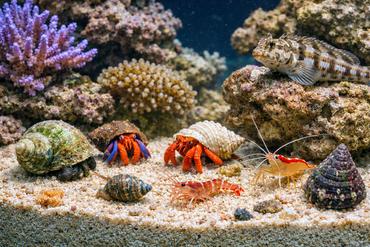
A functional clean-up crew maintains balance by consuming uneaten food, microalgae, and detritus. For a nano reef, aim for a balanced mix of small invertebrates rather than large grazers.
- Nassarius Snails: Sand-burrowing snails that emerge during feeding times to clean food particles from the substrate.
- Trochus or Astrea Snails: Excellent film and hair algae grazers for glass and live rock surfaces.
- Scarlet Reef Hermit Crabs: Small, reef-safe scavengers that clean detritus from cracks in the aquascape.
- Cleaner Shrimp ( Lysmata amboinensis ): Active, engaging invertebrates that scavenge uneaten food and interactive scrap material from fish.
Compatibility and Care Considerations in Low Water Volumes
Operating a small marine system means operating within narrow environmental parameters. In a 100-gallon aquarium, a dead snail or slightly overfeeding for two days will barely register on test kits. In a 10-gallon nano tank, that same decaying organism can trigger an ammonia surge that endangers your entire livestock population.
Managing Bioload and Territorial Aggression
The single most common mistake in nano reef keeping is overstocking. Adding too many fish overburdens biological filtration, causing nitrate and phosphate levels to soar. High nutrient levels encourage nuisance hair algae, smother soft corals, and cause sensitive stony corals to bleach or die.
Space constraints also intensify territorial behaviors. Fish that appear peaceful in a 75-gallon tank can become aggressive bullies when placed in a tight 15-gallon space. For example, semi-aggressive damselfish or larger dottybacks will continuously chase peaceful gobies, leading to stress, immune system decline, and disease outbreaks. Always choose peaceful cohabitants and introduce the most passive species first, reserving slightly bolder fish like Royal Grammas or Clownfish for last.
Chemical and Physical Stability
Maintaining consistent water quality demands careful attention to specific parameters:
- Salinity: Aim for 1.025 to 1.026 Specific Gravity (SG). Never manually dump large amounts of top-off water into the display; use an ATO system for incremental dosing.
- Temperature: Keep temperatures within 76 deg F to 78 deg F, avoiding daily swings larger than 2 degrees. Small tanks heat up quickly under ambient summer heat and cool down fast in winter.
- Nitrates and Phosphates: Maintain nitrates below 10 ppm and phosphates between 0.03 and 0.08 ppm. Elevated levels choke out coral growth, while absolute zero levels starve corals of vital biological nutrients.
- Alkalinity, Calcium, and Magnesium: Stony corals consume calcium and carbonate ions to grow their skeletons. In a stocked nano reef, regular 10% to 15% weekly water changes using a quality marine salt mix are usually enough to replenish these elements without complex manual dosing systems.
Before buying your first fish, check out our guide on the best beginner saltwater fish to make sure your proposed stocking list matches your tank size and experience level.
Essential Maintenance Routines and Beginner Mistakes to Avoid
Consistency is the core foundation of a thriving nano reef. Establishing a structured daily, weekly, and monthly maintenance schedule prevents small issues from escalating into full tank crashes.
Recommended Maintenance Schedule
- Daily Checklist: Check water temperature, verify return pump and wavemaker operation, observe fish behavior for signs of stress or disease, inspect ATO reservoir water level, and feed fish sparingly.
- Weekly Checklist: Perform a 10% to 15% water change using fresh, temp-matched saltwater; wipe down interior glass walls with a magnetic scraper; rinse mechanical filter floss or socks; test salinity, nitrate, and alkalinity.
- Monthly Checklist: Clean powerheads and pump impellers to remove buildup, test calcium and magnesium levels, inspect heater function, and replace chemical filtration media like activated carbon.
Five Critical Beginner Mistakes to Avoid
Even well-intentioned hobbyists fall into predictable traps during their first nano reef setup. Avoiding these common mistakes will save you time, money, and frustration:
-
Rushing the Nitrogen Cycle: Adding fish or corals before the beneficial bacterial colony matures leads to toxic ammonia spikes. Allow 3 to 6 weeks for the cycling process to complete fully before stocking.
-
Using Tap Water: Tap water contains dissolved minerals, heavy metals, chloramines, and phosphates that fuel explosive algae growth and poison delicate corals. Always use pure RO/DI water for mixing salt and topping off evaporation.
-
Overfeeding Livestock: In a small volume of water, uneaten frozen or pellet food decays rapidly. Feed only what your fish can completely consume within 2 minutes, and promptly net out any excess.
-
Placing Aggressive Corals Too Close Together: Many LPS corals, such as Torch Corals and Galaxea, extend long "sweeper tentacles" at night that sting and kill neighboring corals. Give all corals ample room to expand as they mature.
-
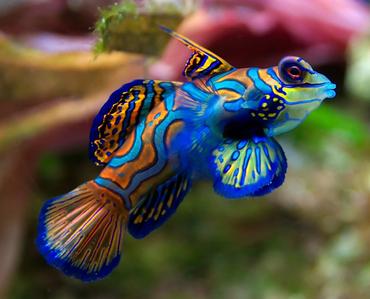
Impulse Buying Unsuitable Species: Never purchase livestock without researching its maximum growth size, dietary needs, and reef compatibility. Species like Tangs, Mandarinfish, and large Anemones are unsuited for nano systems due to size, dietary demands, or stability requirements.
Key Takeaways for Building a Successful Nano Reef
A nano reef aquarium is an incredible fusion of marine science, biology, and living art. While small water volumes require dedicated maintenance, disciplined monitoring, and careful livestock selection, the reward is a vibrant, breathtaking slice of ocean life right on your desk or tabletop. By selecting appropriate equipment, maintaining a rigid water change schedule, stocking peaceful mini-reef inhabitants, and keeping parameters stable, even beginner hobbyists can achieve long-term success with a miniature marine ecosystem.
Ready to start your nano reef journey? Explore our extensive library of guides at RateMyFishTank.com for deep dives on marine cycling, coral selection, and equipment reviews, or post your tank setup in our community showcase to get real-time feedback from experienced aquarists!


MOST RECENT ARTICLES