WHAT IS PROTEIN SKIMMING?

Understanding the Science Behind Protein Skimming
At its core, a protein skimmer (also known as a foam fractionator) is a form of mechanical filtration, but it works on a molecular level rather than just trapping large, visible debris. The device works by utilizing a unique chemical process called adsorption. Inside the reaction chamber of a protein skimmer, thousands of micro-bubbles are continuously generated and mixed vigorously with the aquarium water. It is important to distinguish this from absorption; while absorption involves a substance being soaked into a liquid or solid, adsorption is the process where molecules physically adhere to a surface.
Organic compounds, such as fish waste, uneaten food, proteins, and amino acids, are chemically hydrophobic. This means their molecules are naturally repelled by water and attracted to air-water interfaces. As the tiny bubbles rise through the skimmer's column, these organic pollutants hitch a ride on the surface of the bubbles. When the bubbles reach the top of the chamber, they form a thick, concentrated foam. This foam eventually spills over the rim into a collection cup, permanently removing the waste from your aquarium system before it can decompose into toxic ammonia, nitrite, and nitrate.
The efficiency of this process depends on a few critical factors: bubble size, contact time, and water flow rate. Smaller bubbles provide a much larger total surface area for organic molecules to cling to compared to larger bubbles. A longer contact time—the duration that the bubbles and water interact inside the chamber—allows the bubbles to gather a maximum load of waste before rising into the neck. This is why tall reaction chambers or recirculating designs are often preferred by advanced keepers who want to squeeze every bit of efficiency out of their systems.
Why Your Saltwater Aquarium Needs a Protein Skimmer
While traditional mechanical media like filter socks, sponges, and power filters are excellent at catching large particulate matter, they leave dissolved organic compounds (DOCs) behind. If these DOCs are left unchecked, they fuel unsightly algae blooms, alter water chemistry, and degrade overall water quality, which can severely stress sensitive marine life. Protein skimming offers several distinct advantages for your tank:
- Prevents Nitrate and Phosphate Buildup: By removing organic waste before it decomposes, a skimmer drastically reduces the biological load on your nitrogen cycle, keeping nutrient levels consistently low.
- Improves Gas Exchange and Oxygenation: The massive influx of micro-bubbles significantly boosts dissolved oxygen levels in the water, which benefits both your fish and beneficial nitrifying bacteria.
- Enhances Water Clarity: Removing dissolved proteins eliminates the yellowish tint that can accumulate in aquarium water, allowing your lighting system to penetrate deeper and making your corals pop.
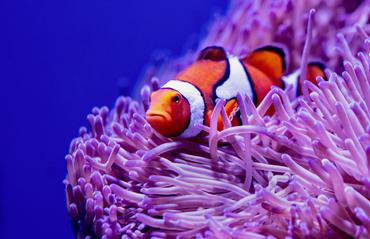
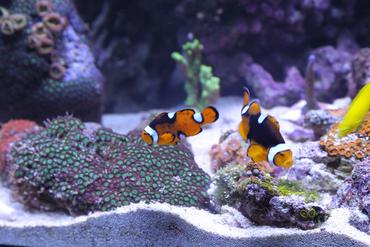
Maintaining low nutrient levels is especially crucial if you are keeping demanding species. For example, delicate stony corals like Acropora or vibrant, high-metabolism fish such as the Powder Blue Tang require immaculate water conditions to survive and display their best coloration. Without a skimmer, the sheer volume of dissolved organics can cause rapid tissue necrosis in corals and leave your fish vulnerable to stress-induced illnesses. Even hardier fish, such as the Ocellaris Clownfish, will exhibit better activity levels and more vibrant coloration when living in highly oxygenated, skimmed water.
Choosing the Right Type of Protein Skimmer
When shopping for a protein skimmer, the sheer number of options can feel overwhelming for beginner and intermediate hobbyists. Protein skimmers generally fall into three main categories based on how they are installed and integrated into your setup:
Hang-On-Back (HOB) Skimmers
These are ideal for hobbyists running smaller systems or tanks without a dedicated sump underneath the stand. They hang directly on the rim of the display tank, pulling water in and discharging it back into the aquarium. They are compact and straightforward to install but offer limited capacity and add visual clutter to the main display. They are excellent for entry-level setups containing hardy fish like Damselfishes or Dottybacks.
In-Sump Skimmers
This is the most popular choice for intermediate hobbyists with larger systems. These units sit directly inside an under-cabinet filtration sump. They are typically much larger, more efficient, and keep bulky equipment hidden away from the main display tank. For a deeper understanding of how these containment systems function, check out our comprehensive guide on what is an aquarium sump.
External or Recirculating Skimmers
These high-end units can stand completely outside of your sump or tank, connected via dedicated plumbing lines. They are highly efficient and fully adjustable because their water throughput is controlled by an external feed pump, but they are generally reserved for massive, advanced reef setups due to their complexity, higher risk of external leaks, and cost.
Common Beginner Mistakes and How to Avoid Them
Mastering a protein skimmer takes a bit of patience, and many beginners encounter hurdles during the first few weeks of operation. One of the most common mistakes is not accounting for the "break-in period." A brand-new protein skimmer is coated with manufacturing residues, structural plastics, and industrial oils that disrupt bubble formation. For the first one to two weeks, the skimmer may either produce no foam at all or overflow uncontrollably with wet, clear water. The best course of action is to run the skimmer on a low setting, open the drain valve if it has one, and allow it to cure naturally without constant adjustment.
Another frequent oversight is fluctuating water levels. In-Sump skimmers are highly sensitive to the depth of the water they sit in. If your sump's water level rises and falls due to evaporation, the internal pressure of the skimmer changes, causing it to constantly fall out of tune. Utilizing an automatic top-off (ATO) system ensures a stable water level, which keeps your skimmer performing consistently. Furthermore, setting up the skimmer in a specific baffle compartment of your sump that maintains a fixed water level will eliminate this issue entirely.
Additionally, certain water conditioners, slime coat protectants, and epoxy putties used to glue coral rocks can drastically alter the surface tension of your tank water. This often causes the protein skimmer to furiously overflow, filling the collection cup in mere seconds. If you must use these products, it is wise to turn your skimmer off for a few hours, run carbon to absorb the chemicals, or temporarily remove the collection cup until the chemicals dissolve completely and water chemistry normalizes.
Compatibility and Care Considerations
While protein skimmers are incredible tools, they are not universally required for every setup. First and foremost, protein skimmers are practically exclusive to saltwater aquariums. The high density, salinity, and surface tension of marine saltwater allow micro-bubbles to form and persist long enough to create a stable column of foam. In a freshwater environment, the lower surface tension causes bubbles to pop almost instantly upon hitting each other, rendering standard protein skimmers useless. If you are struggling with organic buildup in a freshwater system, you will need to rely on alternative methods, which you can read about in our article on tips for cleaning and maintaining your tank filter.
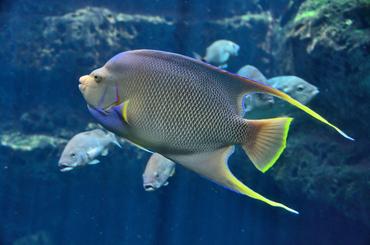
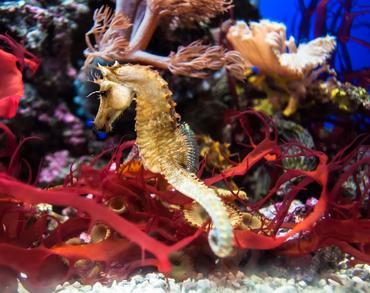
In terms of livestock compatibility, most marine fish species thrive in a skimmed environment. Active swimmers like the Flame Angelfish and various wrasses benefit heavily from the high oxygenation a skimmer provides. However, if you are running a specialized tank for slow-moving, delicate species like Seahorses or Pipefish, you must exercise caution. The intense flow and suction of some large skimmers can create turbulent conditions, or micro-bubbles can escape into the main tank, potentially causing gas bubble disease in these unique creatures. For these tanks, low-velocity skimmers or modified bubble traps are highly recommended.
To ensure your protein skimmer continues to operate efficiently, a regular maintenance routine is essential. The organic sludge (often called skimmate) that accumulates inside the neck of the collection cup acts as a physical foam dampener; if the neck is coated in thick grime, new bubbles will pop prematurely instead of spilling into the cup. Aim to empty and rinse out your collection cup at least once or twice a week. Every few months, take the skimmer pump apart to clean the needle-wheel impeller, clearing away any calcium deposits, coralline algae, or small snails that might restrict airflow or damage the magnetic rotor.
Optimizing Your Aquarium Filtration Strategy
A protein skimmer is an undeniable powerhouse, but it should not be the sole component of your aquarium’s waste management strategy. To achieve a perfectly balanced ecosystem, your skimmer should work in tandem with robust biological and mechanical filtration. While the skimmer excels at pulling out organic molecules before they rot, biological media handles the dissolved inorganic toxins that have already broken down into the nitrogen cycle. For a detailed breakdown of how water values interact with your overall biological health, see our resource on aquarium water chemistry made simple: pH, hardness, and healthy fishkeeping.
Furthermore, intermediate hobbyists frequently combine protein skimming with a refugium—a separate section in a sump dedicated to growing beneficial macroalgae like Chaetomorpha. While the skimmer pulls out organic molecules, the macroalgae absorbs leftover inorganic nitrates and phosphates that pass right through the skimmer. This combination creates a natural tag-team that keeps your aquarium pristine, stable, and free of nuisance hair algae blooms while providing a safe haven for micro-fauna like amphipods and copepods to breed.
It is also worth noting that skimming can sometimes be too efficient. Heavy skimming can strip out beneficial trace elements, minerals, and micro-plankton that certain filter-feeding corals and invertebrates rely on. If you notice your corals looking pale or starved, you may want to adjust your skimmer to skim "dry" (producing a thicker, darker waste less frequently) or put the skimmer on a timer so it turns off for a few hours during coral feeding sessions.
Final Takeaways for a Cleaner Tank
Investing in a high-quality protein skimmer is one of the single best decisions you can make for the long-term health of your marine aquarium. By mechanically extracting dissolved organic waste before it breaks down, a skimmer fundamentally improves water clarity, stabilizes oxygen levels, reduces your water-change frequency, and keeps pesky algae growth at bay. Remember to be patient during the initial break-in phase, maintain a stable water level in your sump, and clean the collection cup regularly to keep the unit running at peak performance.
Are you looking to upgrade other aspects of your filtration strategy or trouble-shoot an ongoing water quality issue? Take your aquarium knowledge to the next level by spending time researching advanced filtration components and keeping up with routine water testing to ensure your underwater oasis continues to flourish for years to come.


MOST RECENT ARTICLES