SEA URCHINS IN THE SALTWATER TANK

Why Sea Urchins Are the Unsung Heroes of the Saltwater Clean-Up Crew
When marine aquarists assemble their initial cleanup crew, they typically reach for turbo snails, blue-legged hermit crabs, and emerald crabs. While these creatures serve an important role, few invertebrates match the sheer grazing efficiency of a healthy sea urchin. Equipped with a specialized mouthpart known as Aristotle's lantern—a complex five-toothed apparatus located on their underside—urchins are built to scrape organic growth directly off hard surfaces with incredible mechanical force.
This mechanical scraping ability makes urchins uniquely qualified to handle stubborn algal outbreaks that frustrate hobbyists. While standard clean-up crew members merely rasp at the surface layer of soft algae, an urchin can eradicate thick turf algae, bubble algae, and fibrous green hair algae right down to the bare rock. In doing so, they open up fresh real estate on live rock for beneficial microorganisms and desirable encrusting organisms to colonize.
Beyond nuisance algae control, sea urchins play a crucial role in managing coralline algae. While coralline algae is prized by reef keepers for its vibrant purple and pink hues, an overgrowth can coat equipment, powerheads, and acrylic viewing panels. Urchins consume coralline algae, and as they graze, they pass tiny, viable fragments through their digestive tracts and deposit them around the tank. This continuous scraping and scattering process actually promotes healthier, more distributed coralline growth across your aquascape while keeping it off glass and overflow boxes.
Integrating urchins alongside other peaceful reef inhabitants creates a multi-layered defensive strategy against excess nutrients. Read our complete guide to commonly available reef-safe fish and invertebrates to learn how different species work together to keep your hardscape looking spotless with minimal manual scrubbing.
Popular Sea Urchin Species for Home Aquariums
Not all sea urchins are suited for every saltwater setup. Selecting the right species depends on your tank size, rockwork arrangement, and whether you are keeping a fish-only system or a delicate coral reef environment. Below are the most popular, readily available sea urchin species kept in the home aquarium hobby.
Tuxedo Urchin (Mespilia globulus)
The Tuxedo Urchin is arguably the best all-around choice for reef aquariums. Reaching a manageable size of 2 to 3 inches in diameter, this compact species is named for the striking dark velvet-like bands running down its body, punctuated by short, colorful spines ranging from royal blue to bright red or white. Tuxedo Urchins are active nocturnal grazers that excel at removing film algae, green hair algae, and short turf algae without damaging delicate soft corals or sessile invertebrates. They are notorious "collector urchins," meaning they use tiny tube feet to grab fragments of rock, macroalgae, empty snail shells, and even small loose coral frags to camouflage themselves as they move.
Longspine Sea Urchin (Diadema setosum)
Known for its dramatically long, jet-black spines that can stretch over 8 to 12 inches in length, the Longspine Urchin makes an incredible focal point in larger marine systems. This species possesses light-sensitive eyespots and will defensively point its razor-sharp spines toward shadows or sudden movements. Longspine Urchins are unmatched in their ability to strip away stubborn hair algae and macroalgae in larger tanks (75 gallons or more). However, their expansive spiny radius can make navigating tight rockwork difficult, and aquarists must exercise extreme caution during routine tank maintenance to avoid painful punctures, which can cause localized inflammation due to mild toxins contained on spine tips.
Pencil Urchin (Eucidaris tribuloides)
With thick, blunt, club-like spines resembling old-fashioned slate pencils, the Pencil Urchin presents a rugged, prehistoric aesthetic. Unlike its needle-spined relatives, the Pencil Urchin is far easier to handle safely. However, hobbyists must exercise caution when adding this species to a reef display. While young Pencil Urchins primarily consume algae and detritus, mature individuals are known opportunists that may nibble on soft corals, zoanthids, sponges, and small sedentary invertebrates. For this reason, Pencil Urchins are best suited for fish-only-with-live-rock (FOWLR) aquariums rather than full reef environments.
Royal or Pincushion Urchin (Lytechinus variegatus)
The Royal Urchin, often called the Pincushion Urchin, features short, dense spines that vary in color from pale green and white to vivid purple. Growing up to 3 to 4 inches in diameter, these robust grazers possess an insatiable appetite for filamentous algae and seagrasses. They are exceptionally hardworking clean-up crew members for medium to large aquariums (50 gallons and above). Like the Tuxedo Urchin, Royal Urchins frequently decorate themselves with substrate debris, making them both entertaining to observe and highly functional.
Diet, Feeding, and Algae Control in Reef Aquariums
A common mistake among beginner marine aquarists is assuming that a sea urchin can survive indefinitely on whatever random algae happens to grow on the glass and live rock. In a newly established aquarium or a clean, low-nutrient reef tank, an urchin can quickly consume the available food supply and slowly starve to death over several weeks or months.
To keep your sea urchins healthy, active, and long-lived, you must monitor their natural food sources and offer supplemental feeding whenever live rock algae begins to run low. A starving urchin will exhibit clear warning signs: its spines may become limp, tube feet movement will drop significantly, and it may eventually drop its spines entirely—a critical sign of advanced stress and malnourishment.
Target feeding a sea urchin is straightforward and deeply rewarding. Simply place a small square of dried Nori (seaweed sheets) directly beneath the urchin using long acrylic tweezers, or place the food against a piece of rock right in its path. You can also supplement their diet with herbivore pellets, sinking spirulina wafers, or blanched green vegetables such as zucchini. Providing a varied, nutrient-dense diet ensures proper shell (test) development and maintains strong spine integrity.
In addition to organic nutrients, sea urchins require stable calcium and alkalinity levels to construct and maintain their hard, calcium-carbonate outer skeletons and internal jaw structures. If calcium drops below 400 ppm or alkalinity fluctuates wildly, urchin growth will stall, and their structural defense mechanism will deteriorate. Regular water testing and routine water changes are essential to keep these critical trace elements in target ranges.
Compatibility and Care Considerations for Sea Urchins
Sea urchins are peaceful, non-aggressive invertebrates that mind their own business as they slowly traverse the tank. They do not hunt fish, chase invertebrates, or aggressively compete for space. However, their physical safety depends heavily on selecting appropriate tankmates, maintaining strict water parameters, and practicing gentle handling procedures.
When planning your stocking list, avoid keeping sea urchins alongside natural predators that actively feed on hard-shelled invertebrates. Predatory species can easily flip urchins over to attack their soft underside or bite off their sensitive tube feet. Below is a breakdown of compatible and non-compatible tankmates:
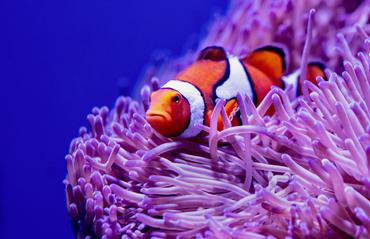
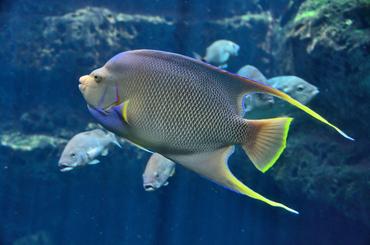
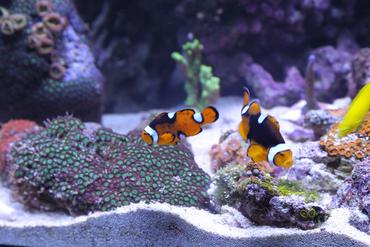
- Safe Fish Tankmates: Clownfish, Damselfish, Blennies, Gobies, Tangs, Angelfish, and Cardinalfish. In fact, Banggai Cardinalfish often hover between the long spines of Diadema urchins for natural protection.
- Dangerous Fish Predators: Large Triggerfish (such as the Niger or Picasso Trigger), Puffers, Porcupinefish, large Wrasses (such as the Harlequin Tusk), and large Groupers.
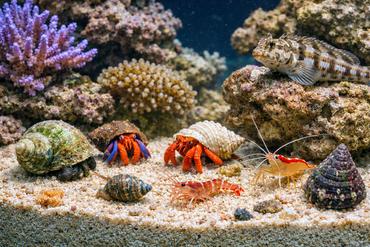
- Invertebrate Compatibility: Most reef-safe snails, hermit crabs, and cleaner shrimp coexist peacefully with urchins. However, large predatory crustaceans or specialized invertebrate-eating starfish should be avoided.
- Acclimation Sensitivity: Urchins are exceptionally sensitive to rapid changes in salinity, pH, and water chemistry. Always perform a slow drip acclimation process over 1.5 to 2 hours when introducing a new invertebrate to avoid water quality shock.
- Copper Toxicity: Like all marine invertebrates, sea urchins have zero tolerance for copper-based medications. Never introduce copper treatments into a display tank housing urchins.
Water quality parameters must remain stable and pristine. Aim for a specific gravity between 1.024 and 1.026, water temperatures from 74°F to 78°F, a pH range of 8.1 to 8.4, and zero detectable ammonia or nitrite. Nitrates should be kept below 20 ppm, as high nitrate concentrations cause chronic stress, leading to spine shedding.
Aquascaping, Rockwork, and Preventing Bulldozing Incidents
While sea urchins are fantastic algae grazers, experienced reef keepers know them by another nickname: underwater bulldozers. A full-grown Tuxedo or Royal Urchin possesses surprising physical strength. As they wedge themselves into tight crevices in search of hidden algae, they can easily tumble unsecured live rock, knock over unattached coral frags, and send delicate aquascapes crashing down.
A falling rock structure can crack aquarium glass, crush valuable corals, or trap fish underneath. To prevent aquascape disasters, take proactive measures when housing urchins:
- Glue and Epoxy All Coral Frags: Never leave loose coral plugs sitting unanchored on rock ledges. Use two-part epoxy or cyanoacrylate gel glue to secure all corals firmly to the main rockwork.
- Build a Stable Hardscape: Ensure your live rock stack is mechanically sound. Use fiberglass rods, mortar, or specialty reef zip-ties to bond major rock formations together before adding water.
- Secure Equipment Cables: Urchins like Tuxedo species will grab hold of heater cords, internal powerhead wires, or probe lines. Ensure all wires are firmly secured with suction cups or cable mounts.
- Mind Glass and Acrylic Panels: Longspine urchins can scratch soft acrylic viewing panels if pushed against them. Check out our step-by-step tutorial on cleaning algae off tank glass properly to prevent scratches while working around spiny invertebrates.
It is also vital to understand proper handling techniques. Never forcibly pull a sea urchin off aquarium glass or rockwork by pulling its spines. Their suction-cup tube feet lock onto surfaces with impressive force; pulling hard can tear their delicate feet or rip spines from their body, causing fatal physical trauma. If you must move an urchin, gently slide a credit card or thin scraper under its base to release its suction before lifting it gently from underneath.
Proactive aquascaping and patient handling ensure that your urchin remains a helpful cleaning assistant rather than a source of frustration in your display tank. Understanding these simple physical dynamics allows you to enjoy their unique behaviors without risking damage to your aquascape or livestock.
Final Takeaways: Keeping Sea Urchins Happy and Healthy
Sea urchins are remarkable, hardworking, and endlessly fascinating additions to the saltwater aquarium hobby. Whether you choose a colorful Tuxedo Urchin to control film algae in a nano reef or a dramatic Longspine Urchin to clear turf algae from a massive display tank, these echinoderms offer unmatched biological algae control when cared for properly. By maintaining pristine water chemistry, securing your rockwork against bulldozing, ensuring safe tankmate selection, and offering supplemental Nori when natural algae reserves run low, you can enjoy a thriving, pristine marine environment supported by one of nature's most efficient cleanup specialists.
Are you looking to enhance your marine aquarium's biological balance and overall maintenance strategy? Read our expert guide on controlling algae growth in home aquariums right here at RateMyFishTank.com!


MOST RECENT ARTICLES