NUTRITIONAL NEEDS OF SALTWATER AQUARIUM FISH

Understanding the Primary Dietary Groups in Marine Fish
To establish a successful feeding regimen, you must first categorize your aquarium inhabitants based on their evolutionary adaptations and natural feeding habits. Marine fish fall into four broad dietary categories, and housing a community tank often means catering to multiple distinct feeding profiles simultaneously.
Herbivores
These species feed predominantly on marine algae, detritus, and plant matter in the wild. Herbivorous fish possess elongated digestive tracts designed to ferment and break down tough plant cell walls over an extended period. Herbivores require a diet rich in macroalgae, spirulina, and sheet algae (Nori) to maintain proper intestinal flora and digestive motility. Depriving an herbivore of sufficient plant material often leads to severe muscle wasting, poor coloration, and gastrointestinal distress.
Carnivores
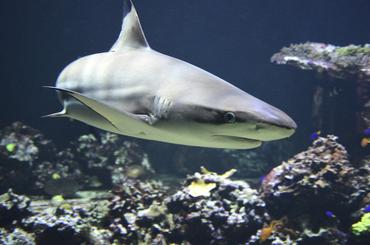
Predatory marine species are built to consume other animals, including crustaceans, mollusks, smaller fish, and marine worms. Their digestive systems are relatively short and acidic, optimized for rapid protein breakdown and absorption. Feeding a carnivore a diet heavy in plant material or low-grade fillers will result in malnutrition, as they lack the enzymes necessary to extract adequate energy from terrestrial vegetable matter or heavy carbohydrate binders.
Omnivores
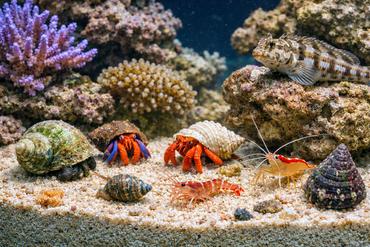
Omnivorous species enjoy the most flexible diets, consuming a mix of benthic invertebrates, zooplankton, microalgae, and organic detritus. They require balanced proportions of marine proteins and algae to thrive. While omnivores are generally easier to feed, relying on a single uniform flake or pellet diet will still cause subtle nutritional gaps over time.
Planktivores and Specialized Feeders
Some of the most stunning marine species are specialized feeders that hunt tiny organisms continuously throughout the day. These fish have small mouths, specialized gill rakers, or dedicated hunting mechanisms adapted for capturing microscopic zooplankton, copepods, and amphipods. Replicating their natural diet presents a unique challenge that requires active live food cultivation or frequent target feeding.
When stocking your aquarium, matching species with compatible dietary needs makes daily feeding significantly easier. Here is a quick breakdown of common reef species and their corresponding dietary class:
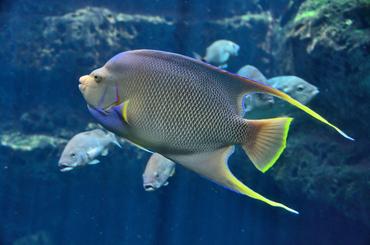
- Herbivores: Tangs and Surgeonfish (Zebrasoma and Acanthurus species), Lawnmover Blennies (Salarias fasciatus), Foxface Rabbitfish (Siganus vulpinus), and Angelfish of the genus Centropyge (dwarf angels requiring microalgae).
- Carnivores: Lionfish (Pterois species), Marine Betta (Calloplesiops altivelis), Groupers, Hawkfish, Snappers, and most larger Wrasses.
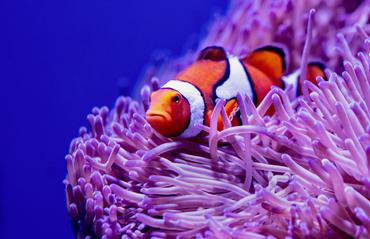
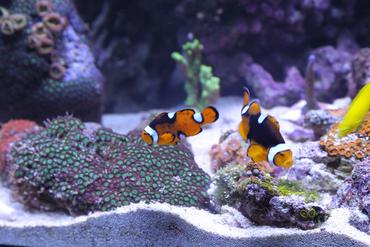
- Omnivores: Ocellaris and Percula Clownfish (Amphiprion species), Damselfish, Cardinalfish, and Chromis species.
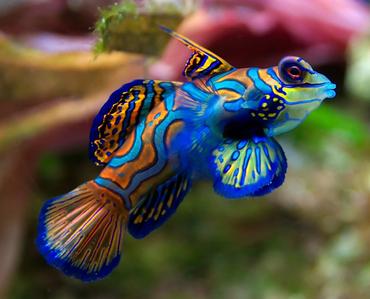
- Planktivores & Specialized Feeders: Mandarin Dragonets (Synchiropus splendidus), Copperband Butterflyfish (Chelmon rostratus), Anthias species, and Pipefish.
Key Nutrients: What Every Saltwater Fish Needs to Thrive
Formulating a complete marine diet requires an understanding of the micronutrients and macronutrients essential to saltwater biology. In nature, reef organisms consume prey and algae packed with bioavailable fatty acids and minerals synthesized in ocean food webs. Replicating this biochemical profile in captivity is vital.
Marine Proteins and Amino Acids
Protein forms the structural foundation of fish tissues, enzymes, and hormones. Saltwater fish require high levels of protein derived specifically from marine organisms, such as squid, krill, fish meal, and shrimp. Amino acids like methionine, lysine, and taurine must be present in sufficient quantities to support growth and tissue repair. Terrestrial proteins, such as beef heart or poultry, should never be fed to marine fish because their metabolic systems cannot process mammalian fats, leading to fatty liver degeneration.
Highly Unsaturated Fatty Acids (HUFAs)
Fatty acids, particularly Omega-3 HUFAs such as Eicosapentaenoic Acid (EPA) and Docosahexaenoic Acid (DHA), are absolutely essential for saltwater species. Marine fish have limited ability to synthesize these complex fats internally, meaning they must obtain them directly from their diet. HUFAs support neural development, cell membrane integrity, stress resistance, and proper liver function. Diets lacking essential HUFAs frequently lead to high mortality rates, poor growth, and diminished disease resistance.
Vitamins and Minerals
Vitamin C (ascorbic acid) acts as a critical antioxidant and collagen builder, aiding in fin regeneration and wound healing. Vitamin A supports eye health and skin integrity, while Vitamin D3 is crucial for calcium absorption and bone structure. B-complex vitamins drive metabolic energy pathways. Mineral supplementation, particularly iodine and calcium, supports thyroid health and helps omnivorous invertebrates or fish that consume crunchy crustacean shells during feeding.
Natural Pigments (Carotenoids)
The brilliant reds, oranges, and yellows displayed by marine fish are derived from carotenoid pigments like astaxanthin, beta-carotene, and lutein found in prey items such as copepods, krill, and microalgae. Incorporating carotenoid-rich foods into your routine prevents color fading and maintains the vibrant luster seen in wild specimens.
Dietary Fiber and Roughage
Fiber is necessary for sweeping the intestinal tract and maintaining gut motility, especially in herbivorous and omnivorous species. Indigestible chitin from small crustacean shells provides structural roughage for carnivores, preventing constipation and gut blockages.
Types of Marine Fish Foods and How to Prepare Them
Offering a diverse blend of food formats is the single best way to ensure your marine livestock receives a balanced intake of nutrients. Relying on any single food type—no matter how high the quality—creates nutritional vulnerabilities over time.
Commercial Dry Foods (Pellets and Flakes)
Modern marine pellets and flakes are engineered to deliver balanced daily nutrition. High-quality marine pellets are extruded at lower temperatures to preserve heat-sensitive vitamins and HUFAs. Look for brands where whole marine ingredients (such as whole salmon, krill, or kelp) are listed as the top ingredients rather than grain fillers or fish meal byproducts. Sinking pellets are excellent for bottom-dwelling Gobies and Wrasses, while slow-sinking or floating options cater to midwater swimmers like Clownfish and Chromis.
Frozen Foods
Frozen marine foods closely approximate wild prey items in texture and nutritional composition. Mysis shrimp (particularly PE Mysis, which boasts high natural fat content) are a staple for medium to large marine fish. Brine shrimp offers excellent palatability for enticing newly acclimated or stubborn eaters, though adult brine shrimp should be fortified or enriched with HUFA supplements before feeding, as their standalone nutritional value is modest. Frozen krill, chopped squid, clam, and plankton cater to larger carnivores, while frozen rotifers and Cyclops nourish tiny planktivores.
Sheet Algae (Nori) and Macroalgae
Dried Nori (unseasoned sea vegetable sheets) is mandatory for herbivorous species like Tangs, Rabbitfish, and Angelfish. Nori provides necessary bulk fiber and micro-minerals that keep grazing fish healthy. Attaching Nori to an algae clip or wrapping it around a small rock allows fish to graze naturally throughout the day, satisfying both their dietary and behavioral needs. Growing natural foods in a refugium also provides a fresh grazing source; explore our article on the benefits of algae in saltwater tanks to learn how macroalgae can support both filtration and fish diet.
Live Foods
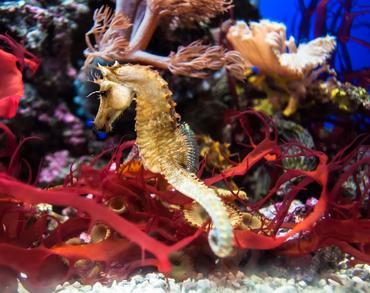
Live copepods and amphipods are critical for specialized feeders like Mandarin Dragonets and Seahorses, which may refuse non-living items entirely. Establishing a healthy copepod population in your display tank or refugium ensures these delicate species do not starve. Live gut-loaded brine shrimp and feeder shrimp can also be used to trigger feeding responses in newly imported carnivores like Lionfish or Butterflyfish. For an in-depth breakdown of live food options, check out our comprehensive guide on live foods for marine fish.
Proper preparation of frozen food is crucial for maintaining water parameters. Always thaw frozen food blocks in a small container of aquarium water prior to feeding. Strain the thawed food through a fine mesh net to remove the liquid packing juice. This liquid is packed with dissolved phosphates and nitrates that can trigger stubborn cyanobacteria and nuisance algae blooms if dumped directly into your display tank.
Feeding Protocols, Care, and Compatibility Considerations
Designing a nutritional strategy for a marine tank requires balancing the physical requirements of your fish with the mechanical capabilities of your filtration system. How, when, and how much you feed directly influences both livestock health and water chemistry.
Target Feeding vs. Broadcast Feeding
Broadcast feeding—scattering food across the water surface or in front of powerheads—works well for fast, aggressive swimmers like Damselfish, Tangs, and Wrasses. However, timid or slow-moving species like Blennies, Gobies, Pipefish, and Mandarin Dragonets often get outcompeted and starve during broadcast feedings. Target feeding involves using a long pipette, turkey baster, or rigid acrylic tube to deliver food directly to specific fish or benthic organisms. This technique ensures vulnerable species receive adequate portions without over-saturating the entire water column with excess food.
Feeding Frequency and Metabolism
Different species exhibit vastly different metabolic rates. Anthias, for example, have high metabolic demands and small stomachs; in the wild, they consume plankton continuously throughout the day. In an aquarium setting, Anthias require 3 to 5 small feedings daily to maintain body weight. Conversely, large predatory carnivores like Lionfish or Groupers have slow digestion and should be fed larger, protein-rich meals only 2 to 3 times per week. Most general community fish (Clownfish, Tangs, Wrasses) perform best on 1 to 2 small daily feedings.
Feeding Compatibility and Social Aggression
Feeding time frequently triggers territorial aggression in marine tanks. Dominant fish like Tangs or large Damselfish will actively chase weaker tankmates away from food sources. To reduce competition and territorial stress:
- Place multiple feeding stations across different areas of the aquarium simultaneously so submissive fish can eat without interference.
- Feed aggressive, fast-eating surface fish a small portion of flake or pellet food on one side of the tank before target-feeding timid substrate dwellers on the opposite side.
- Keep an algae clip stocked with Nori available throughout the morning to keep herbivorous Tangs occupied, reducing their overall aggression toward tankmates.
Impact on Water Chemistry
Uneaten food is the primary source of excess organic waste in closed aquarium systems. Protein breakdown releases ammonia, which quickly degrades into nitrite and nitrate, while decaying food fuels elevated phosphate levels. Maintaining proper feeding hygiene goes hand in hand with monitoring routine water chemistry, including maintaining stable osmoregulation; see our detailed guide on salinity requirements in a saltwater aquarium to understand how water chemistry impacts fish health.
Common Feeding Mistakes and How to Avoid Them
Even experienced hobbyists occasionally fall into detrimental feeding habits that impact their livestock's long-term health. Recognizing and correcting these mistakes early will prevent costly loss of life and maintain system stability.
Feeding Single-Food Diets
Offering only a single type of flake or pellet food is one of the most common beginner errors. While commercial diets have improved drastically, no single dry food contains the full spectrum of enzymes, lipids, and pigments required by diverse marine species. A monotonous diet leads to latent vitamin deficiencies, color loss, and weakened immunity against common parasites like Marine Ich (Cryptocaryon irritans).
Ignoring Natural Grazing Behaviors
Herbivorous fish like Tangs and Foxfaces are continuous grazers designed to crop algae off reef rocks all day long. Dumping a single scoop of pellets into the tank once a day causes digestive stress and leads to destructive nipping on corals or clam mantles out of frustration and hunger. Providing consistent access to Nori sheet algae satisfies their biological need to forage.
Overfeeding and Inadequate Waste Removal
Overzealous feeding is the leading cause of poor water quality in marine aquariums. Dumping large amounts of food into the water column assuming "the fish will find it" guarantees that unconsumed particles settle into rock crevices and substrate, decomposing into nutrient pollution. Feed only what your fish can completely consume within 2 to 3 minutes, or use target feeding tools to minimize excess.
Purchasing Specialized Feeders Without Pre-Established Food Sources
Introducing a Mandarin Dragonet, Scooter Blenny, or Copperband Butterflyfish into a newly established aquarium (under 6 months old) almost always leads to starvation. These species often refuse commercial dry foods entirely and rely on thousands of live copepods or tiny benthic invertebrates daily. Always verify that a specialized feeder is actively eating frozen or prepared foods at your local fish store before purchase, or ensure your tank has a mature microfauna population.
Final Takeaways for Keeping Your Marine Aquarium Healthy
Mastering marine fish nutrition requires a combination of species research, observation, and consistency. By understanding whether your livestock consists of herbivores, carnivores, omnivores, or specialized planktivores, you can tailor a varied diet that replicates the rich biochemical resources of a natural coral reef. Combining high-quality dry pellets, enriched frozen foods, fresh sea vegetables, and occasional live prey ensures your fish remain energetic, disease-resistant, and intensely colored.
Pay close attention to individual feeding behaviors, ensure submissive fish receive their fair share of food, and rinse frozen items to keep your water chemistry in check. A well-fed aquarium is a resilient aquarium. Take time today to audit your current fish food inventory, introduce a new frozen or live food variety, and monitor how your marine community responds!


MOST RECENT ARTICLES