SETTING UP A SALTWATER TANK SYSTEM

1. Choosing Your System Type: FO, FOWLR, or Reef Tank
Before buying a single piece of equipment, you must decide which type of marine aquarium fits your budget, time commitment, and personal goals. Saltwater systems generally fall into three distinct categories, each requiring different levels of lighting, water parameters, and filtration gear.
Fish-Only (FO): This is the simplest marine setup. It relies entirely on artificial decorations and synthetic filtration. While easier to set up initially, FO tanks lack the biological buffering capacity of live rock, meaning water quality must be managed strictly through equipment and water changes.
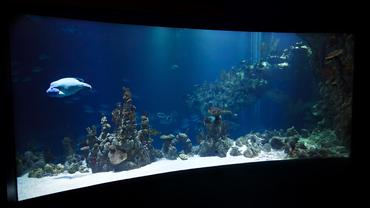
Fish-Only With Live Rock (FOWLR): The ideal starting point for most beginner and intermediate hobbyists, a FOWLR system uses real live rock (or dry rock seeded with beneficial bacteria) as the primary biological filter. The porous rock houses billions of nitrifying bacteria, creating a stable environment for a wide range of hardy marine species. Lighting requirements remain minimal because you aren't housing photosynthetic organisms.
Reef Aquarium: A reef tank combines marine fish with live corals, invertebrates, and soft polyps. This setup demands high-intensity lighting (LEDs or T5s tuned to specific color spectrums), precise dosing of calcium, alkalinity, and magnesium, and near-zero nitrate and phosphate levels. Reef tanks require a higher initial investment, but they offer the ultimate marine display.
For a detailed breakdown of how these aquarium types differ in cost, lighting, and upkeep, explore our in-depth article on Types of Saltwater Tanks: Fish-Only, FOWLR and Reef Tanks.
2. Essential Equipment and Hardware Setup
Setting up a marine aquarium requires specialized equipment designed to handle the corrosive nature of saltwater and the high gas-exchange demands of marine life. Here is the essential core gear you need to assemble your system:
- Reverse Osmosis/Deionization (RO/DI) Unit: Tap water contains dissolved solids, chloramines, nitrates, and heavy metals that trigger massive algae blooms in marine tanks. Always use RO/DI water for mixing fresh saltwater and replacing evaporated water.
- Protein Skimmer: The heart of saltwater filtration. Skimmers use micro-bubbles to pull organic waste proteins out of the water column before they break down into harmful ammonia and nitrates.
- Powerheads / Wavemakers: Marine organisms thrive in strong, dynamic water currents. Powerheads prevent stagnant dead zones, keep debris suspended for filtration, and facilitate proper gas exchange across the water surface.
- Submersible Aquarium Heater: Maintain a stable water temperature between 75°F and 80°F (24°C to 27°C). In saltwater, rapid temperature swings cause severe stress and trigger parasites like Marine Ich (Cryptocaryon irritans).
- Refractometer: Avoid cheap plastic swing-arm hydrometers. An optical refractometer gives precise, temperature-compensated readings of specific gravity (aim for 1.024 to 1.026 SG for reef tanks, 1.020 to 1.024 SG for FOWLR).
To learn more about preparing water correctly with these tools, check out our companion guide on Preparing Saltwater for your Marine Tank.
3. Aquascaping with Live Rock and Substrate
The biological engine of your marine tank lies within your substrate and rockwork. When building your aquascape, you can choose between live rock (harvested from mariculture sites or established systems) and dry rock (sterile, mined calcium carbonate rock).
Dry rock has become the industry standard for modern setups because it eliminates the risk of introducing unwanted hitchhikers like glass anemones (Aiptasia), mantis shrimp, or unwanted pest crabs. However, dry rock takes several weeks longer to populate with beneficial nitrifying bacteria. Aim for approximately 1 to 1.5 pounds of rock per gallon of water to ensure adequate biological filtration capacity.
When placing your rockwork, secure the structure directly on the glass bottom of the tank (or on protective grid mats) before adding substrate. Burrowing species like gobies and pistol shrimp can undermine rock structures resting on top of sand, leading to dangerous rock slides. Construct open archways, caves, and overhangs to encourage water circulation and provide shelter for fish.
For substrate, select aragonite sand with a grain size of 1.0 mm to 2.0 mm. Fine sugar-sized sand blows around easily in high-flow wavemaker currents, while coarse crushed coral traps detritus and causes nitrate spikes over time. A sand bed depth of 1 to 2 inches strikes the ideal balance between aesthetics and ease of siphon cleaning.
4. Water Preparation and Mastering the Nitrogen Cycle
Once your rock and substrate are positioned, fill the tank with RO/DI water and mix in high-grade marine salt mix. Never mix salt directly inside an aquarium containing live animals. Use a powerhead and heater in a clean mixing container to dissolve the salt thoroughly until reaching a target specific gravity of 1.025.
Before stocking any fish, the system must undergo the nitrogen cycle to establish beneficial bacterial colonies capable of processing toxic fish waste. The cycle unfolds over 3 to 6 weeks through three key phases:
- Ammonia Spike: Dosing pure ammonium chloride or adding a ghost-feeding source produces ammonia. Ammonia levels rise rapidly as heterotrophic bacteria break down the organic material.
- Nitrite Production: Nitrosomonas bacteria convert ammonia into toxic nitrite. You will see ammonia levels drop as nitrite levels peak.
- Nitrate Final Phase: Nitrobacter and Nitrospira bacteria oxidize nitrite into nitrate, a much less toxic compound. The cycle is complete when both ammonia and nitrite read 0 ppm, leaving only measurable nitrates.
To speed up this process safely, seed the system with live nitrifying bottled bacteria. Monitor your parameters twice weekly using liquid test kits. Never add live fish until your water test reads absolute zero for both ammonia and nitrite after a test dose of ammonia.
5. Stocking, Species Compatibility, and Care Considerations
Stocking a marine tank requires a strategic approach. Unlike many freshwater species, marine fish are highly territorial and defensive of their feeding ranges. Adding species in the wrong order or overcrowding your water column can lead to extreme aggression and stress-induced illness.
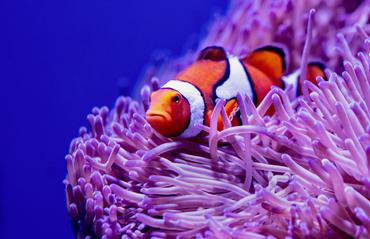
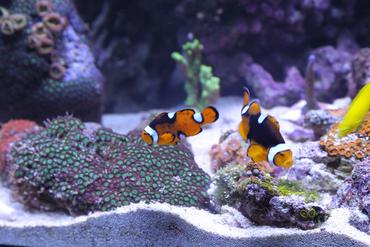
Start your stocking journey with hardy, peaceful beginner species. The Ocellaris Clownfish (Amphiprion ocellaris) is an iconic choice that adapts well to captive environments. Pair them with peaceful open-water swimmers like the Blue Green Chromis (Chromis viridis) or bottom-dwelling micro-predators like the Firefish Goby (Nemateleotris magnifica). If you have a mature tank with plenty of rockwork, the colorful Royal Gramma (Gramma loreto) provides striking contrast with its purple and yellow coloration.
Avoid common beginner mistakes like introducing large, active species into nano or medium-sized tanks. For example, Tangs—such as the Yellow Tang (Zebrasoma flavescens) or Kole Yellow Eye Tang (Ctenochaetus strigosus)—require extensive swimming room (minimum 70–100+ gallons) and high water turnover to remain healthy. Keeping tangs in cramped quarters leads to severe territorial aggression and chronic disease outbreaks.
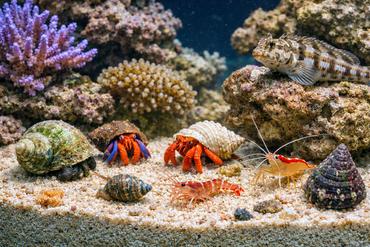
Always build a functional "Clean-Up Crew" (CUC) consisting of invertebrates that consume micro-algae and leftover food. Useful CUC members include:
- Astraea and Cerith Snails: Excellent for grazing micro-algae off glass and rock surfaces.
- Nassarius Snails: Burrow into the sand bed to consume uneaten food, churning the substrate to prevent anaerobic dead spots.
- Scarlet Reef Hermit Crabs: Scavenge hair algae and organic detritus from rock crevices.
- Cleaner Shrimp (Lysmata amboinensis): Set up cleaning stations to pick parasites and dead tissue off fish.
6. Long-Term Maintenance and Troubleshooting Common Issues
Consistency is the secret to a thriving marine tank. Marine organisms evolve in vast, incredibly stable oceanic conditions; rapid shifts in salinity, pH, or temperature cause severe physiological stress. Establishing a disciplined routine prevents major parameter crashes.
Weekly Maintenance: Perform a 10% to 15% water change using fresh RO/DI water mixed to your target salinity. Scrape algae from glass panels, empty the protein skimmer collection cup, and top off fresh water lost to evaporation (use pure RO/DI water for top-offs, as salt does not evaporate).
Monthly Maintenance: Test key parameters including pH (8.1–8.4), Alkalinity (8–11 dKH), Nitrate (under 10 ppm for reefs, under 20 ppm for FOWLR), and Phosphate (under 0.05 ppm). Rinse mechanical filter socks or sponges in old tank water to remove trapped organic solids.
For more insights on maintaining stability and troubleshooting parameters, check out our full article on Salinity Requirements in a Saltwater Aquarium.
Takeaway: Your Journey to Marine Success
Building a successful saltwater aquarium system comes down to meticulous preparation, proper gear selection, and respecting the biological timeline of the nitrogen cycle. By selecting an appropriate tank size, stocking compatible species like Clownfish, Gobies, and hard-working Clean-Up Crew members, and staying disciplined with weekly water changes, your marine tank will mature into a stunning biological centerpiece.
Ready to take your aquatic hobby to the next level? Explore our extensive collection of tank showcases, read real user build logs, and submit your finished aquascape to join the community on RateMyFishTank.com today!


MOST RECENT ARTICLES