WHY IS WATER FLOW SO IMPORTANT IN A REEF TANK?

The Biological Necessity: How Corals Breathe and Eat
Unlike fish, which can swim to find food or oxygen-rich water, most corals are sessile organisms, meaning they are rooted in one spot for their entire lives. They rely entirely on the water coming to them. This creates a unique biological challenge: corals develop a "boundary layer" of stagnant water immediately surrounding their tissue. Without sufficient water flow to strip this layer away, the coral effectively begins to suffocate in its own metabolic waste.
Nutrient Delivery
Many corals, especially Large Polyp Stony (LPS) varieties like Acans and Torch Corals, supplement their photosynthetic energy by capturing plankton. Proper flow brings these microscopic food particles directly to their tentacles.
Respiration and Gas Exchange
Corals absorb oxygen and release carbon dioxide through their tissues. Vigorous water movement ensures that oxygen-depleted water is constantly replaced with fresh, oxygenated water.
Photosynthetic Efficiency
As zooxanthellae (the symbiotic algae inside coral) perform photosynthesis, they produce oxygen as a byproduct. If this oxygen builds up in the tissue due to low flow, it can actually become toxic, leading to coral bleaching.
A common beginner mistake is assuming that "return flow" from the main filter is enough. In reality, a dedicated wavemaker or powerhead is usually required to create the turbulent, random movement that corals evolved to thrive in. Without this, you may notice your corals staying retracted or showing poor color despite having perfect lighting.
Waste Management and the Prevention of Detritus Build-up
In a closed system like a reef tank, waste is the enemy. Fish feces, uneaten food, and sloughed-off coral mucus all eventually settle to the bottom of the tank. If this "detritus" is allowed to sit and rot in "dead zones"—areas with zero water movement—it will break down into nitrates and phosphates. High nutrient levels are the primary cause of nuisance algae blooms that can quickly smother expensive corals.
Proper water flow keeps these particles suspended in the water column. When waste stays suspended, it eventually makes its way into the overflow box and down to your mechanical filtration. This process is essential for maintaining clean aquarium water and ensuring your nitrogen cycle remains stable.
Sweeping the Rockwork
Flow should be directed not just at the corals, but through the rockwork. This prevents "pockets" of rot from forming behind your aquascape.
Assisting the Skimmer
The more waste that stays suspended, the more efficiently your protein skimmer can remove dissolved organic compounds before they break down.
Reducing Algae
Many types of nuisance algae, such as Cyano-bacteria, struggle to take hold in areas with high, turbulent flow. If you see a red mat forming on your sand, it is often a sign of a dead zone.
Laminar vs. Turbulent Flow: Recreating the Ocean
Not all water movement is created equal. Many beginners point a powerhead directly at a coral, creating a "firehose" effect known as laminar flow. In nature, corals rarely experience constant, one-directional pressure. Instead, they experience turbulent or surging flow—water that hits them from multiple angles and changes intensity.
Laminar flow is dangerous because it can actually strip the flesh right off a coral's skeleton. Imagine standing in a Category 5 hurricane versus a swirling, gusty breeze; the latter is much easier to withstand. To achieve a healthy reef environment, you want to aim for a "gyre" or a "randomized" flow pattern.
Using Multiple Powerheads
By placing two pumps on opposite sides of the tank and having their streams crash into each other in the middle, you create random turbulence.
Wave Controllers
Modern DC pumps allow you to program "pulse" or "reef crest" modes that vary the speed of the motor, mimicking the natural ebb and flow of the tide.
Deflecting Flow
If you have a small tank, try pointing your powerhead at the front glass or the surface. The water will bounce off the solid surface and disperse into a gentler, more randomized pattern.
Compatibility and Care: Tailoring Flow to Your Inhabitants
Just as different fish have different swimming abilities, different corals have vastly different flow requirements. Matching your flow to your specific "coral collection" is a key part of intermediate reef keeping. If you mix high-flow and low-flow corals in the same area, one of them will inevitably suffer.
Small Polyp Stony (SPS) Corals
Species like Acropora and Montipora originate on the reef crest where wave action is most intense. They require very high, turbulent flow to keep their thin tissues clean and oxygenated. Without enough flow, these corals often suffer from "Rapid Tissue Necrosis" (RTN).
Large Polyp Stony (LPS) Corals
Species such as Euphyllia (Torch, Hammer, Frogspawn) or Elegance Corals prefer a "gentle sway." Their large, fleshy polyps are easily damaged by direct blast. You want to see the tentacles moving like wheat in a breeze, not being pinned against the skeleton.
Soft Corals
Leathers and Toadstools are quite hardy but still need enough flow to "shed" their waxy outer layer periodically. If a Leather coral stays closed for days and looks shiny, it likely needs more flow to help it peel. However, be careful with placement to avoid aggression issues in the aquarium, as high flow can sometimes carry stinging "sweeper tentacles" from one coral to another.
Fish Considerations
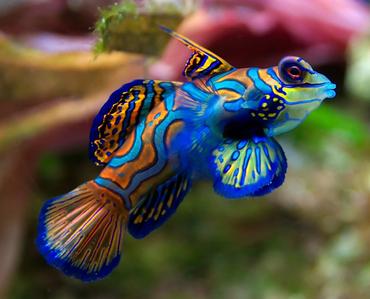
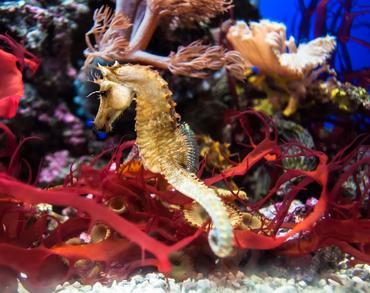
Active swimmers like Tangs and Anthias love high-flow environments; it provides them with exercise and mimics their natural habitat. Conversely, slow-moving fish like Seahorses or Mandarins can be exhausted by high flow and require "low-flow" pockets to rest.
Anemone Safety
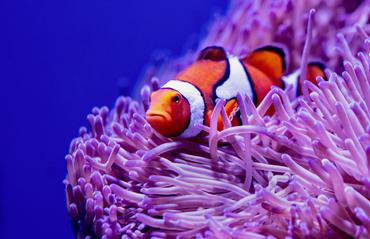
If you keep Bubble Tip Anemones, water flow is their "GPS." They will walk around the tank until they find a spot with the perfect flow. Unfortunately, this often leads them directly into the intake of an unprotected powerhead. Always use foam guards if you keep mobile invertebrates.
Advanced Techniques: Understanding the Turnover Rate
In the reef hobby, we often talk about "turnover rate"—the number of times the total volume of your tank moves through your pumps in one hour. While there is no "perfect" number, there are general guidelines based on the type of reef you are keeping.
Soft Coral/LPS Tanks
Aim for a total turnover of 10 to 20 times your tank volume per hour. (Example: A 50-gallon tank would need 500–1,000 Gallons Per Hour).
Mixed Reef Tanks
Aim for 20 to 40 times turnover to accommodate a variety of coral needs.
SPS Dominant Tanks
These high-energy systems often require 50 to 100 times turnover to keep the dense coral colonies healthy.
Real-world tip: Don't forget about surface agitation! Aiming one of your return nozzles or powerheads at the surface of the water creates "ripples." This breaks the surface tension and is the primary way your tank performs gas exchange, allowing CO2 to escape and life-giving oxygen to enter. If the surface of your water is oily or still, your pH will likely drop, and your fish may gasp for air.
Common Maintenance Pitfalls to Avoid
The biggest mistake hobbyists make with flow is "set it and forget it." Over time, your flow will naturally decrease due to two factors: coral growth and equipment neglect. As your corals grow larger, they act as "windbreaks," blocking the flow to the corals behind them. You must periodically adjust the position of your powerheads to account for the changing "landscape" of your growing reef.
Furthermore, powerheads are magnets for calcium carbonate and coralline algae. As these deposits build up on the impeller and the cage, the motor has to work harder and the volume of water moved drops significantly. A pump that hasn't been cleaned in six months might only be operating at 50% of its rated capacity.
Monthly Maintenance
Every month, check the intake of your pumps for snails or stray algae. A single snail stuck in the intake can completely stop a pump.
The Vinegar Soak
Every 3 to 4 months, remove your powerheads and soak them in a 50/50 solution of white vinegar and water. This dissolves the calcium and keeps the motors running silently and efficiently.
Cable Management
Ensure your powerhead cables have a "drip loop" before they plug into the outlet. Saltwater can travel down a wire and cause a fire if a loop isn't present to catch the drips.
Conclusion: Mastering the Invisible Lifeblood of the Reef
Water flow is far more than just "making the water move." It is the primary way we deliver life to our corals and remove the toxic byproducts of a closed ecosystem. By understanding the difference between laminar and turbulent flow, choosing the right turnover rate for your specific livestock, and maintaining your equipment against the relentless buildup of salt and calcium, you can solve many of the most common reef-keeping frustrations. Whether you are trying to beat a persistent case of Cyano-bacteria or looking to get that extra inch of growth out of your favorite Acropora, the answer is often found in the movement of the water. Take a moment today to observe your tank—look for those dead zones, check the "sway" of your LPS, and adjust your powerheads to ensure every corner of your reef is receiving the flow it deserves. Ready to dive deeper into reef technology? Explore our latest reviews on high-efficiency wavemakers to find the perfect pulse for your aquatic masterpiece!
MOST RECENT ARTICLES