WHAT ARE GOOD SALTWATER FISH FOR BEGINNERS

Understanding the "Beginner" Label in the Marine Hobby
Before we dive into our top species recommendations, it is vital to define what actually makes a saltwater fish suitable for a beginner. Unlike freshwater fish, which have been bred in captivity for generations, many saltwater fish are still collected from the wild. This means their tolerance for "human error" can vary wildly. A good beginner fish must possess three specific traits: hardiness, dietary flexibility, and a manageable temperament.
Hardiness refers to the fish's ability to withstand the inevitable fluctuations in water chemistry that occur in a new aquarium. When you are first learning to balance salinity, nitrates, and pH, you need inhabitants that won't succumb to stress at the first sign of a parameter shift. Secondly, dietary flexibility is key. In the wild, many marine fish are "specialized feeders"—some eat only specific coral polyps, while others hunt microscopic crustaceans. For a beginner, you want "generalist" eaters that will readily accept high-quality commercial flakes, pellets, and frozen foods like mysis or brine shrimp.
Finally, we must consider temperament. The ocean is a competitive place, and many saltwater fish are fiercely territorial. A common beginner mistake is mixing species that will constantly fight for space, leading to stressed, diseased, or dead fish. The species listed in this guide are chosen because they are generally peaceful or have "predictable" territorial boundaries that can be managed even in smaller systems.
Key Considerations for Beginners
- Water Stability: Beginners should aim for at least a 30-gallon tank. Smaller "nano" tanks are beautiful but much harder to keep stable because pollutants concentrate faster in less water.
- Captive-Bred vs. Wild-Caught: Whenever possible, choose captive-bred fish. They are more resilient, already used to aquarium food, and their purchase supports sustainable practices in the hobby.
- The Importance of Hiding Places: Even the bravest beginner fish needs a place to retreat. Ensure your rockwork has plenty of caves and crevices to reduce fish stress.
The Ocellaris Clownfish: The Gold Standard for Beginners
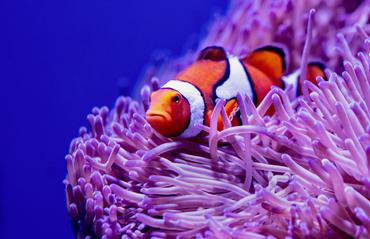
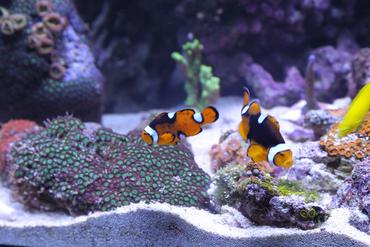
There is a reason the Ocellaris Clownfish (Amphiprion ocellaris) is the most popular saltwater fish in the world. Beyond their pop-culture fame, they are incredibly tough and possess a quirky, "waddling" swimming style that is endlessly entertaining. In the wild, these fish live in a symbiotic relationship with sea anemones, but in the home aquarium, they do not require an anemone to thrive. In fact, many beginners find that their Clownfish will happily "host" a bunch of soft coral, a ceramic pot, or even a corner of the glass.
Clownfish are ideal because they do not require massive amounts of swimming space. They tend to stay within a small radius of their chosen "home" spot. This makes them perfect for tanks as small as 20 gallons. They are also exceptionally easy to feed, devouring almost anything that hits the water surface.
When stocking Clownfish, the best approach is to buy them in a pair. Interestingly, all Clownfish are born as males. When two juveniles are kept together, the more dominant one will grow larger and change sex to become the female, while the other remains a smaller male. This pair-bonding behavior is a highlight of the marine hobby, often leading to spawning behaviors that are fascinating to observe.
Damselfish and Chromis: Vibrant Colors and Schooling Action
If you are looking for a splash of brilliant blue or green, the Damselfish family is your best bet. Historically, "Damsels" were used to cycle new aquariums because they are nearly bulletproof. While we now use more humane cycling methods, their reputation for hardiness remains. However, a word of caution: many Damselfish, such as the Three-Spot or Blue Velvet, can become very aggressive as they mature, often bullying larger fish.
For a peaceful alternative, the Blue-Green Chromis (Chromis viridis) is the perfect beginner choice. These fish are technically part of the Damselfish family but lack the "mean streak" of their cousins. They are one of the few saltwater fish that truly enjoy schooling. Keeping a group of three to five Chromis creates a stunning shimmer in the upper half of the tank. They are constantly active, darting in and out of the light, which helps "dither" shyer fish into coming out of hiding.
If you prefer the classic deep blue of a Damsel, look for the Yellowtail Blue Damselfish or the Azure Damselfish. These species are known to be significantly more docile than others in the genus. They provide that quintessential "tropical reef" look without the risk of them killing their tankmates. Just ensure you provide enough rockwork so that each fish can claim a small "cave" as its own territory.
Blennies and Gobies: The Charming Bottom Dwellers
No aquarium is complete without inhabitants that occupy the lower levels of the tank. Blennies and Gobies are the "personalities" of the saltwater world. They often have expressive faces, perching on rocks and "hopping" from place to place. They are also highly functional, often helping to control algae or keep the sand bed clean.
The Lawnmower Blenny (Salarias fasciatus) is a must-have for tanks dealing with green hair algae. They have a mottled appearance that helps them blend into the rockwork, and they spend their days rasping algae off the glass and stones with their unique comb-like teeth. If you have a smaller tank, the Tailspot Blenny is a colorful, smaller alternative that is just as hardy and peaceful.
In the Goby category, the Watchman Goby (Cryptocentrus cinctus) is a beginner favorite. These bright yellow fish often form a "symbiotic pair" with a Pistol Shrimp. The shrimp acts as a blind bulldozer, digging a massive tunnel system under the sand, while the Goby sits at the entrance, acting as the "eyes" to warn the shrimp of danger. Observing this partnership is one of the most rewarding experiences a marine hobbyist can have. To ensure your water stays clean enough for these bottom-dwellers, it's essential to understand the importance of water changes in the aquarium to prevent the buildup of detritus.
Additional Bottom Dwellers
- Firefish Goby: These are elegant, hovering fish with a long dorsal fin they "flick" up and down. They are very peaceful but are known jumpers—ensure your tank has a tight-fitting lid!
- Royal Gramma: A stunning two-tone fish (purple and yellow) that is very hardy. They love caves and will often swim upside down against the "ceiling" of a rock ledge.
- Court Jester Goby: A beautiful, striped fish that sifts through the sand and grazes on hair algae. They are very peaceful and stay quite small.
Cardinalfish: The Architectural "Statues"
If you want a fish that looks like a piece of living art, the Pajama Cardinalfish or the Banggai Cardinalfish are excellent choices. Unlike the hyperactive Chromis or Clownfish, Cardinalfish are slow-moving and tend to "hover" in place. This makes them excellent for larger display tanks where you want a sense of calm and structure.
The Banggai Cardinalfish is particularly striking with its silver body, black vertical stripes, and white spots. They are "mouthbrooders," meaning the male will carry the eggs in his mouth until they hatch. This species was once over-collected in the wild, but they are now widely captive-bred, and beginners should always insist on tank-raised specimens. They are not picky eaters but do best with a variety of frozen foods to maintain their striking coloration.
Pajama Cardinalfish, with their yellow faces, polka-dot rears, and red eyes, look almost like they were painted by a child. They are incredibly peaceful and do well in small groups. They are nocturnal by nature, so they may be a bit shy when the lights are at full intensity, but they quickly adapt to the aquarium's schedule.
Compatibility and Long-Term Care Strategies
The biggest challenge for a beginner is not just keeping the fish alive, but keeping them together. Saltwater fish are much more sensitive to "stocking density" than freshwater fish. In a freshwater tank, you might get away with a slightly over-crowded school of tetras; in a saltwater tank, overcrowding leads to rapid oxygen depletion and a spike in ammonia that can be fatal within hours.
When planning your community, use the "Rule of Three Levels." Aim to have fish that occupy the top (Chromis), the middle (Clownfish/Grammas), and the bottom (Gobies/Blennies). This spreads out the biological load and prevents territorial disputes over the same square inch of rock. Additionally, always research the adult size of the fish. That tiny Tang or Hippo Blue may look cute in the store, but they grow quickly and require 100+ gallon tanks to thrive. Sticking to the species mentioned in this article ensures your fish won't outgrow their home.
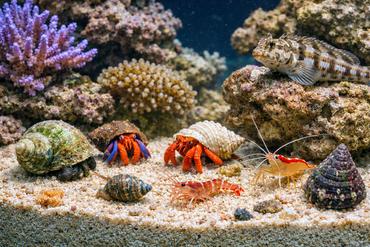
Care also involves the "Clean Up Crew" (CUC). A beginner tank is a magnet for algae blooms as the nitrogen cycle stabilizes. Instead of reaching for chemicals, use nature's janitors. Hermit crabs, snails (like Turbo or Nassarius), and Emerald Crabs are the backbone of a healthy tank. They eat the waste and algae that your fish ignore.
Finally, consistency is more important than perfection. A fish would rather have a slightly "off" salinity that stays the same every day than a "perfect" salinity that bounces around every time you do a water change. Use a refractometer for accuracy, keep a lid on the tank to prevent evaporation-induced salinity spikes, and perform small, bi-weekly water changes to keep the environment pristine.
Final Takeaway: Building Your Marine Dream
Starting a saltwater aquarium is a journey of patience and observation. By choosing hardy "starter" fish like the Ocellaris Clownfish, Royal Gramma, or Blue-Green Chromis, you are giving yourself a wide margin for error while you learn the ropes of marine husbandry. These species provide the vibrant colors and fascinating behaviors that draw us to the hobby, without the heartbreak often associated with more delicate, expert-only fish. Remember that every beautiful reef tank you see online started exactly where you are now—with a few pieces of live rock and a couple of hardy, curious fish.
As you gain experience, you will find that the skills you develop with these beginner species—monitoring water quality, recognizing signs of stress, and maintaining a feeding schedule—are the exact same skills needed to keep rare corals and exotic specimens later on. Take your time, quarantine your new arrivals, and never stop reading. If you’re ready to take the next step in your hobbyist journey, explore our other articles on filtration setups, lighting requirements, and coral care to transform your beginner tank into a professional-grade marine ecosystem. Happy fishkeeping!


MOST RECENT ARTICLES