STOCKING SALT WATER REEF TANKS

Understanding Your Reef Tank Basics
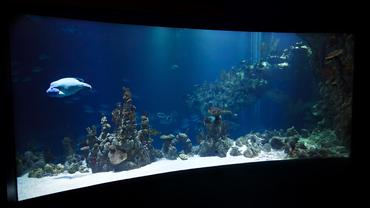
Before selecting livestock, it’s critical to understand the fundamentals of a saltwater reef tank. Reef aquariums are biological ecosystems where fish, invertebrates, corals, and microorganisms must coexist in a delicate balance. Unlike fish-only tanks, reef tanks demand more stable water parameters, nutrient control, and careful species selection.
If you’re new to this hobby or transitioning from freshwater, make sure you’ve established a stable environment with consistent salinity, temperature, and water chemistry. Equipment like a reliable protein skimmer, quality lighting for coral growth, and good water flow are essential. Check out our detailed breakdown of saltwater aquarium setup essentials to make sure your tank infrastructure supports a healthy reef.
Reef tanks typically take longer to cycle than freshwater systems. Plan for a minimum of 4–8 weeks of cycling before adding any livestock. During this time, beneficial bacteria establish themselves, breaking down ammonia and nitrites into less harmful nitrates.
Selecting Appropriate Fish for Your Reef
Choosing fish for a reef tank isn’t just about picking colorful species; it’s about compatibility, size, behavior, and reef safety. Many popular marine fish can coexist with corals and invertebrates, but some are best left for fish-only systems.
Here’s a selection of beginner-friendly reef-safe fish, along with notes on behavior and care levels:
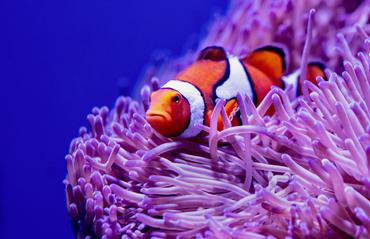
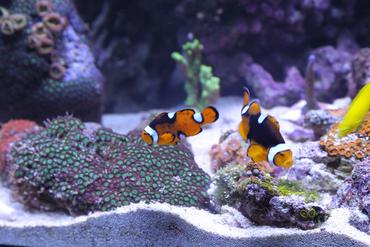
- Clownfish (Amphiprion ocellaris / Amphiprion percula) – Hardy, reef-safe, and perfect for first-time saltwater keepers. Can be kept singly or in pairs.
- Royal Gramma (Gramma loreto) – Vibrant and peaceful, great for community reef tanks. Avoid mixing multiple Gramma males.
- Firefish (Nemateleotris magnifica) – Easygoing and small; requires secure lids as they can jump.
- Yellowtail Damselfish (Chrysiptera parasema) – Reef-safe but can become territorial; best in larger systems with plenty of flow and hiding spots.
- Gobies (various species) – Excellent sand sifters that help keep the substrate healthy. Pair with pistol shrimp for fascinating symbiosis.
- Cardinalfish (e.g., Banggai Cardinalfish) – Peaceful and suitable for community reef tanks, but research compatibility with other species first.
When adding fish, introduce only a few at a time. This gradual approach reduces stress on biological filtration and helps maintain water quality. After each addition, monitor parameters like ammonia, nitrite, and nitrate to ensure the tank remains stable.
Choosing Corals and Invertebrates
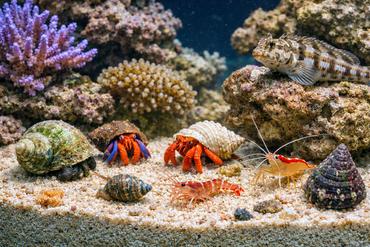
Corals and invertebrates are the true stars of a reef tank, weaving together form and function in your underwater display. Corals require appropriate lighting, water flow, and stable water chemistry to thrive. Invertebrates like shrimp, snails, and crabs play vital roles in maintaining a clean, balanced environment.
Corals fall into two broad categories: Soft Corals and Stony Corals (SPS and LPS). Soft corals are often more forgiving, making them ideal for beginners, while SPS (Small Polyp Stony) corals are more demanding but incredibly rewarding for intermediate hobbyists.
- Soft Corals: Zoanthids, Mushrooms, Kenya Trees – Colorful and relatively hardy. Great for new reef tanks.
- LPS Corals: Hammer Coral, Frogspawn, Torch Coral – Larger polyps that need moderate lighting and water flow.
- SPS Corals: Acropora, Montipora – Require stable calcium, alkalinity, and strong lighting. Best tackled once your tank matures.
Invertebrates provide essential cleanup services that help reduce algae and detritus. Some beginner-friendly invertebrates include:
- Snails – Nassarius, Trochus, and Astrea snails graze on algae and detritus.
- Hermit Crabs – Algae eaters that help keep rock surfaces clean; avoid aggressive species that might damage corals.
- Cleaner Shrimp – Help control parasites and offer fascinating behaviors to observe.
- Pistol Shrimp – Excellent diggers that aerate sand beds but should be paired carefully to avoid aggression with other burrowers.
Take your time acclimating corals and invertebrates to your reef tank lighting and water conditions. Sudden changes in lighting intensity or water chemistry can shock sensitive species.
Compatibility and Care Considerations
Compatibility is one of the most crucial aspects of stocking a successful reef tank. It goes beyond “reef-safe” labels; understanding how species interact, their space needs, and their care requirements will save you headaches and livestock loss.
Behavioral Compatibility
- Aggression: Some species like damselfish or certain wrasses can harass calmer tank mates. Introduce territorial species last and provide plenty of hiding spaces.
- Feeding Habits: Herbivores, carnivores, and omnivores have very different diets. Ensure you can provide balanced nutrition without overfeeding.
- Nocturnal vs Diurnal: Some creatures like peppermint shrimp or certain gobies are active at night. Plan your feeding and observation times accordingly.
Environmental Compatibility
- Water Parameters: Maintain stable salinity (1.023–1.026 specific gravity), temperature (75–80°F / 24–27°C), and pH (8.1–8.4). Frequent fluctuations stress livestock.
- Lighting: Corals require specific lighting spectrums and intensities. SPS corals need more intense lighting compared to soft corals.
- Flow: Many corals and invertebrates rely on moderate to strong water movement. Use powerheads or wavemakers to simulate natural reef currents.
Common Mistakes to Avoid
- Overstocking: Adding too many fish or corals at once can lead to ammonia spikes and system stress. Add livestock slowly.
- Ignoring Quarantine: Skipping quarantine for new fish or corals increases the risk of pests or disease entering your tank. Set up a quarantine tank if possible.
- Poor Research: Assuming that all “reef-safe” species behave the same is a common error. Always research specific species interactions and requirements.
For deeper insight into compatible saltwater species, explore our article on reef-safe fish lists which outlines dozens of species and their reef suitability.
Feeding and Nutrition: What Your Reef Livestock Needs
Proper feeding in a reef tank is more art than science. Overfeeding leads to excess nutrients, fueling algae growth and degrading water quality. Underfeeding, on the other hand, can weaken your livestock and stunt coral growth.
Fish Nutrition
- Clownfish and Damselfish: Offer high-quality pellet or flake food supplemented with frozen or live brine/shrimp.
- Goby and Blennies: Include algae-based foods and small meaty foods for balance.
- Wrasses: A varied diet of meaty foods like mysis shrimp, finely chopped seafood, and high-quality marine pellets helps keep colors vibrant.
Coral Feeding
Corals vary in their feeding strategies. Some rely primarily on photosynthesis through their symbiotic zooxanthellae algae, while others benefit from supplemental foods:
- Phytoplankton and Zooplankton: Great for filter-feeding corals and SPS species.
- Coral-specific Foods: Micro-plankton and amino acid supplements support LPS and soft coral growth.
Monitor how quickly food is consumed and adjust portions to avoid leftovers. Uneaten food decays, adding nitrates and phosphates to the water.
Maintaining a Healthy Reef Over Time
Stocking your reef tank is just the beginning. The long-term success of your aquarium hinges on consistent care and monitoring. Reef tanks require regular maintenance to remain stable and vibrant.
Water Testing and Changes
- Weekly Testing: Check ammonia, nitrite, nitrate, pH, and salinity regularly. Track trends to catch issues early.
- Alkalinity, Calcium, and Magnesium: Essential for coral skeleton building. Test weekly and adjust using quality supplements.
- Water Changes: Perform 10–20% water changes every 2–4 weeks depending on bioload and nutrient levels.
Equipment Checks
- Protein Skimmer: Clean collection cup weekly to ensure peak performance.
- Filters: Replace or rinse filter media as needed based on manufacturer guidance.
- Lights: Replace bulbs or check LEDs according to lifespan recommendations to maintain optimal coral health.
Observation and Routine
Spend time observing your reef daily. Early detection of stress signs like coral bleaching, fish hiding, or unusual behavior can prevent bigger problems. Consistency encourages stability — establish a maintenance schedule you can realistically keep.
Takeaway: Build a Thriving Reef With Confidence
Stocking a saltwater reef tank is a rewarding journey that blends science, patience, and creativity. Start with a solid foundation of quality equipment, stable water parameters, and a carefully curated list of fish, corals, and invertebrates. Prioritize compatibility, research species-specific needs, and introduce livestock gradually. Avoid common mistakes like overstocking or skipping quarantine, and maintain a consistent care routine with regular testing and water changes.
Whether you’re adding your first pair of clownfish or experimenting with vibrant LPS corals, your reef tank can flourish with the right approach. Continue expanding your knowledge, explore more guides. With patience and dedication, your reef aquarium will become a thriving aquatic masterpiece.


MOST RECENT ARTICLES