SALTWATER FISH ARTICLE DATABASE

Saltwater Fish Article Database
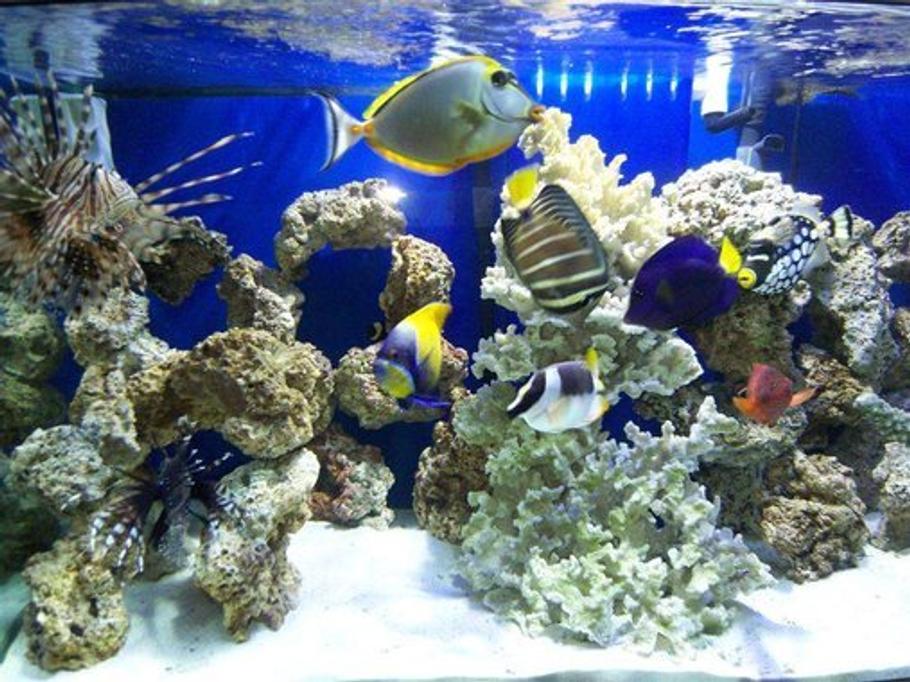
The transition from a freshwater setup to a marine environment is often described by hobbyists as moving from black-and-white television to high-definition color. The sheer brilliance of saltwater aquarium fish species—their neon hues, intricate patterns, and fascinating evolutionary adaptations—makes the marine hobby an addictive pursuit for millions. However, the stakes are undeniably higher in the saltwater realm. Unlike the vast majority of freshwater fish that have been commercially pond-bred for generations, many marine species are still wild-caught or require specific reef-inspired conditions to survive. Success in this hobby is not merely about keeping fish alive; it is about recreating a complex, biological slice of the ocean within the glass walls of your home. This comprehensive guide will walk you through the essential species categories, compatibility requirements, and the practical care strategies needed to build a thriving marine community.


Foundational Species: The Best Saltwater Fish for Beginners

In the early stages of a marine aquarium, the environment is inherently unstable. Even with a properly cycled tank, "new tank syndrome" can cause micro-fluctuations in ammonia and nitrite that would be lethal to sensitive species. Therefore, the beginner’s roster must consist of fish known for their biological resilience and adaptability to various commercial diets. These species serve as the pioneers of your tank, helping to establish the biological load while providing the visual reward that keeps a new hobbyist motivated.

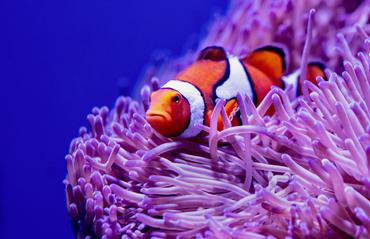
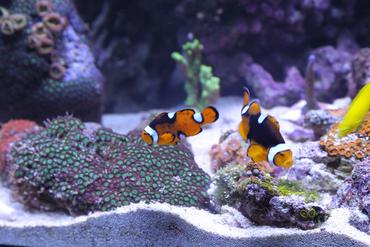
The Ocellaris Clownfish (Amphiprion ocellaris) remains the gold standard for beginners. Beyond their pop-culture fame, they are incredibly hardy and have been captive-bred so extensively that they are better adapted to aquarium life than almost any other marine species. They do not require an anemone to thrive, and in fact, for a beginner, it is often better to skip the anemone until the tank is at least six months to a year old. Another excellent starter is the Royal Gramma (Gramma loreto). Found in the deep reefs of the Caribbean, these fish are stunning with a vibrant purple front half and a bright yellow back half. They are peaceful cave-dwellers that help fill the lower-to-middle levels of the tank.

If you are looking for activity and utility, the Lawnmower Blenny (Salarias fasciatus) is an intermediate-looking fish that is surprisingly easy for beginners. They have immense personalities and spend their days hopping from rock to rock, rasping away at nuisance hair algae. However, the most overlooked beginner fish is often the Pajama Cardinalfish (Sphaeramia nematoptera). While they aren't the fastest swimmers, their quirky "polka-dot" patterns and giant orange eyes make them a unique addition. They are extremely peaceful and do well in small groups, which provides a sense of scale and movement to the aquarium without the risk of aggression common in other schooling fish like Damsels.

  • Captive-Bred Advantage: Always prioritize captive-bred fish over wild-caught. They are less prone to disease and are already trained to eat pellets and flakes.
  • The Damsel Trap: While Damselfish are cheap and hardy, many species (like the Blue Devil) become hyper-aggressive as they age. Avoid them unless you plan on a species-only tank.
  • Goby and Shrimp Pairs: Consider the Watchman Goby. They are hardy and can form a symbiotic relationship with Pistol Shrimp, offering a fascinating look at natural marine behaviors.

The Intermediate Tier: Managing Space and Sensitivity

As you move into the intermediate phase of the hobby, your focus shifts from "will it survive?" to "can I provide its specific lifestyle requirements?" Intermediate species often require larger tanks, more frequent feedings, or specific water parameters that must remain rock-steady. This is where the hobby truly opens up to include some of the most beautiful fish in the world, such as Tangs and Dwarf Angels.

Tangs, or Surgeonfish, are the crown jewels of many intermediate tanks. The Yellow Tang (Zebrasoma flavescens) and the Kole Yellow Eye Tang (Ctenochaetus strigosus) are popular for their algae-grazing habits and bright colors. However, Tangs are prone to "Marine Ich" and require high-oxygen environments with plenty of swimming room. A common mistake is placing a Tang in a 40-gallon tank; most require at least a 4-foot long, 75-gallon tank to prevent stress-induced illness. These fish have a high metabolism and need to graze constantly, so providing dried seaweed (nori) on a clip is a daily requirement for their long-term health.

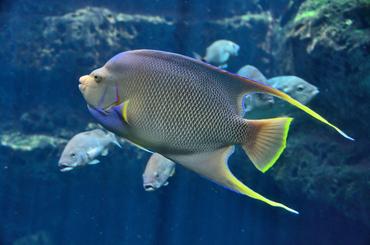
Dwarf Angelfish, such as the Coral Beauty (Centropyge bispinosa) or the Flame Angel (Centropyge loricula), offer deep, iridescent colors that are hard to find elsewhere. They are categorized as intermediate because they are "reef-safe with caution." While they primarily eat algae and prepared foods, they may occasionally nip at stony corals or clam mantles. Learning to balance their diet with high-quality spirulina and frozen mysis shrimp can often deter this behavior. Furthermore, intermediate hobbyists should be proficient in properly quarantining new saltwater fish, as these species are more susceptible to parasites than the hardy beginner varieties.

Another fantastic intermediate choice is the Blue-Green Chromis. While they are technically in the Damselfish family, they are much more peaceful. They are "dither fish," meaning their presence in the water column tells more shy fish that it is safe to come out. However, keeping them in a school requires a larger tank and multiple daily feedings to prevent them from picking off the weakest member of the group—a behavior common when resources are limited in an aquarium setting.

The Crucial Role of Compatibility and Social Hierarchy

One of the most complex aspects of managing saltwater aquarium fish species is understanding the "social contract" of the reef. In the wild, the ocean is vast, and a bullied fish can simply swim away. In an aquarium, the bullied fish is trapped. This leads to chronic stress, which is the number one killer of marine fish because it suppresses their immune system, making them vulnerable to common pathogens.

When planning your stocking list, you must consider territoriality. Many marine fish are "semi-aggressive," which is often code for "will kill anything that looks like me." For example, adding two different species of Blenny or two different Dwarf Angels to a small tank will almost certainly result in a fight to the death. They view each other as competitors for the same food and hiding spots. To mitigate this, hobbyists often use the "acclimation box" method—placing a new fish in a clear plastic box inside the tank for a few days. This allows the resident fish to see the newcomer and exhaust their aggressive impulses without being able to actually strike.

Another layer of compatibility is the "Reef-Safe" designation. If you intend to keep corals, you must avoid "boisterous" fish that might knock over rockwork or species like the Raccoon Butterflyfish that view coral polyps as a delicacy. Even some "safe" fish can be problematic; for instance, large Hawkfish are peaceful toward corals but will happily eat any ornamental shrimp (like Skunk Cleaners or Peppermints) that you’ve added to your "clean-up crew." Always research the best diet for your saltwater fish to ensure that their nutritional needs are met, which often reduces the likelihood of them "testing" your corals or tankmates as food sources.

  • Order of Introduction: This is the golden rule of saltwater compatibility. Add your most peaceful, smallest fish first. Add aggressive, territorial species (like Tangs or Dottybacks) last. This prevents the aggressive fish from claiming the entire tank as their territory before others arrive.
  • Size Matters: A small Grouper may look cute at two inches, but it will eventually grow large enough to swallow your beloved Clownfish. Always check the adult size of a species.
  • Gender Dynamics: Some species, like Anthias or Wrasses, have complex gender roles. Often, you can only keep one male with a harem of females. Adding two males will result in constant warfare.

Advanced Species and Specialized Care Requirements

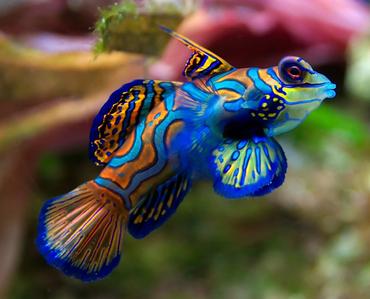
For the veteran hobbyist, the challenge lies in species with "obligate" diets or extreme sensitivity to water chemistry. These are the fish that should never be purchased on a whim, regardless of how beautiful they appear in the local fish store. The most famous example is the Mandarin Dragonet (Synchiropus splendidus). These fish are breathtaking, but they rarely eat frozen or pellet food. They survive by hunting tiny crustaceans called copepods that live in the live rock. An advanced hobbyist must either have a massive tank (75+ gallons) with over 100 pounds of established live rock or be prepared to "culture" live pods in a separate refugium to supplement the tank weekly.

Copperband Butterflyfish are another advanced favorite, often sought after because they eat nuisance Aiptasia anemones. However, they are notoriously difficult to transition to aquarium foods and are very sensitive to copper-based medications. Similarly, the Powder Blue Tang is a stunning addition but is often referred to as an "Ich magnet." It requires pristine water quality, massive amounts of flow, and a very low-stress environment to thrive. If your nitrates are consistently above 20ppm, these advanced species will likely struggle.

Advanced care also involves managing the "Microbiome" of the tank. Successful long-term keepers understand that maintaining water quality is about more than just water changes. It involves the use of protein skimmers to remove organic waste before it breaks down, the use of GFO (Granular Ferric Oxide) to control phosphates, and sometimes the dosing of carbon sources (like vodka or vinegar) to fuel beneficial bacteria. These techniques allow for a heavier fish load and the successful keeping of delicate species, but they require a deep understanding of marine chemistry to avoid a total system crash.

Practical Tips for Marine Fish Health

Regardless of your experience level, certain practical habits will exponentially increase the lifespan of your fish. First and foremost is the "Drip Acclimation" method. Because salinity and pH vary from one tank to another, simply floating a bag for temperature is not enough. By slowly dripping your tank water into a bucket containing the new fish over the course of an hour, you allow their internal osmotic pressure to equalize. This prevents "osmotic shock," which can kill a fish days after it appears to have settled in.

Feeding is the second pillar of health. In the wild, fish eat small amounts throughout the day. In an aquarium, we often dump a large amount of food once a day. This leads to nutrient spikes and poor digestion. Using an automatic feeder for small amounts of high-quality pellets, combined with a frozen feeding in the evening, mimics a more natural cycle. For herbivores like Tangs and Blennies, the presence of natural algae or supplemental nori is non-negotiable for preventing "lateral line erosion," a disfiguring disease linked to poor nutrition and stray voltage in the water.

Finally, observe your fish daily. Are they breathing fast? Do they have white spots that look like grains of salt? Are they "flashing" (rubbing their bodies) against the rocks? Early detection of parasites or bacterial infections is the difference between losing one fish and losing an entire tank. Keeping a basic "fish pharmacy" on hand—including praziquantel for flukes and copper or ionic treatments for Ich—is a hallmark of a responsible intermediate hobbyist.

Species Group Difficulty Minimum Tank Size Key Requirement
Clownfish Beginner 20 Gallons Consistent feeding
Dwarf Angels Intermediate 30-50 Gallons Reef-safe monitoring
Tangs/Surgeons Intermediate/Advanced 75-125 Gallons High swimming space & Nori
Dragonets Advanced 75 Gallons (Established) Live copepod population
Marine Gobies Beginner 10-20 Gallons Sand bed & Lid (jumpers)

Common Mistakes to Avoid in Saltwater Stocking

Even seasoned hobbyists can fall into traps when selecting saltwater aquarium fish species. One of the most common is the "Bioload Miscalculation." People often look at a 55-gallon tank and think it can hold as many fish as a 55-gallon freshwater tank. In reality, saltwater holds about 20% less dissolved oxygen than freshwater at the same temperature. Furthermore, many marine fish are highly active and produce more waste. A crowded saltwater tank is a recipe for a "crash" where oxygen levels plummet at night when the lights are off and photosynthesis stops.

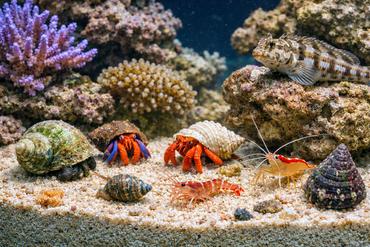
Another mistake is ignoring the "Clean-Up Crew" (CUC). While this article focuses on fish, your fish cannot thrive in a vacuum. Hermit crabs, snails, and emerald crabs are essential for processing the waste that your fish produce. Without a robust CUC, uneaten food and fish waste will fuel algae blooms that can choke out your corals and irritate your fish's gills. However, you must ensure your fish are compatible with your CUC. Large Triggers or Puffers will view your expensive snails as an all-you-can-eat buffet.

Lastly, many hobbyists fail to account for the "Age of the Tank." A saltwater aquarium is a living, breathing entity that goes through "ugly phases." During the first six months, the tank will go through blooms of diatoms (brown slime), cyanobacteria (red slime), and green hair algae. Many hobbyists try to fix this by adding "algae-eating" fish too early. If you add a Bristletooth Tang to a brand-new tank to eat algae, and then the algae bloom naturally dies off as the tank matures, the fish may starve. Always stock for the long-term stability of the tank, not as a temporary solution to a biological phase.

Sustainable Sourcing and the Future of the Hobby

As a responsible member of the RateMyFishTank community, it is important to consider where your fish come from. The marine aquarium trade has faced scrutiny for destructive collection practices, such as cyanide fishing. Fortunately, the industry is shifting. Today, you can buy captive-bred versions of not just Clownfish, but also Dottybacks, certain Angels, and even Tangs. These fish are far more likely to survive in your care, and purchasing them reduces the pressure on wild coral reefs.

When you visit your Local Fish Store (LFS), ask questions. How long has the fish been in the shop? Is it eating? What is it eating? If a fish looks lethargic or has ragged fins, do not "rescue" it. Bringing a sick fish into your home environment without an established hospital tank is the fastest way to jeopardize the health of your existing inhabitants. Patience is the greatest tool in the saltwater hobbyist's kit. The "perfect" fish will eventually be available in a healthy, eating state—wait for that moment.

Conclusion: Your Journey with Marine Species

Building a collection of saltwater aquarium fish species is a journey of discovery that rewards patience, research, and attention to detail. From the resilient and charming Ocellaris Clownfish to the majestic and demanding Yellow Tang, each species brings a unique dynamic to your underwater world. By understanding the specific needs of beginner, intermediate, and advanced fish, and by strictly adhering to compatibility and quarantine protocols, you can avoid the common pitfalls that discourage many newcomers. Remember, you are not just a "fish keeper"—you are a curator of a delicate marine ecosystem. The health of your fish is a direct reflection of the stability of their environment.

Success in the marine hobby is about more than just the end result; it is about the constant learning process. As you master the care of hardier species, your confidence will grow, allowing you to eventually tackle the "bucket list" fish you’ve always dreamed of. Stay curious, keep testing your water, and always put the welfare of your aquatic inhabitants first. For more detailed guides on specific equipment or deep dives into reef chemistry, be sure to explore our extensive library of articles. Your dream reef is within reach—one fish at a time!

Guide for Keeping Anemones in a Reef Tank
Sea anemones are among the most captivating inhabitants of reef aquariums, offering vibrant color, dynamic movement, and an interactive presence that few other invertebrates can match.
Hermit Crabs in Saltwater Tanks
Hermit crabs are often marketed as simple, “set-and-forget” cleanup crew members for saltwater aquariums, but the reality is far more nuanced.

MOST RECENT ARTICLES
The Zen of Aquascaping: Using Iwagumi Principles for Mindfulness and Stress Relief
THE ZEN OF AQUASCAPING: USING IWAGUMI PRINCIPLES FOR MINDFULNESS AND STRESS RELIEF
In the modern world, the constant noise of digital notifications and the fast-paced demands of daily life often leave us searching for a sanctuary where we can reclaim a sense of peace.
The Rise of Smart Leak Detection: Protecting Your Home from Aquarium Disasters
THE RISE OF SMART LEAK DETECTION: PROTECTING YOUR HOME FROM AQUARIUM DISASTERS
There is no sound more terrifying to an aquarium hobbyist than the slow, steady drip of water hitting a hardwood floor in the middle of the night.
Voice-Controlled Aquariums: Integrating Your Tank with Alexa and Google Home
VOICE-CONTROLLED AQUARIUMS: INTEGRATING YOUR TANK WITH ALEXA AND GOOGLE HOME
The modern aquarium hobby is undergoing a digital transformation that goes far beyond high-tech filters and LED lighting.

Rate This Tank:

SALTWATER AQUARIUM ARTICLES

Getting Rid of Aiptasia in Your Reef Aquarium
If you’ve ever spotted small pest anemones popping up on your live rock or around your coral frags, you know the frustration of dealing with Aiptasia in a reef aquarium — tiny but tenacious, these stinging pests can quickly turn into a bigger problem if left unchecked.
Best Beginner Saltwater Fish for 2025: Easy, Colorful Species for New Reefkeepers
Starting a saltwater aquarium is often viewed as the "final frontier" of the fishkeeping hobby, a complex endeavor reserved for those with years of experience and deep pockets.
Top Commercial Foods for Saltwater Fish
If you’ve ever stood in front of a wall of aquarium food bags and jars wondering what products actually deliver on nutrition for your saltwater fish, you’re not alone.

STOCKING THE TANK

The fish you choose to stock your tank is not a decision that should be made lightly. The articles in this category will help you understand the basics of fish compatibility and will provide you with other information you need to make an informed decision when stocking your tank.

Guide for Keeping Anemones in a Reef Tank
Sea anemones are among the most captivating inhabitants of reef aquariums, offering vibrant color, dynamic movement, and an interactive presence that few other invertebrates can match.
Establishing up a Clean-up Crew in Your Saltwater Aquarium
Algae on the glass, uneaten food trapped in the sand, and detritus building up behind the rockwork are some of the most common frustrations saltwater aquarium hobbyists face.
What Are Good Saltwater Fish For Beginners
The allure of a saltwater aquarium is undeniable, offering a window into a world of electric neons, intricate behaviors, and some of the most fascinating biological relationships on the planet.
Why Are Tangs Some of the Best Fish for Reef Tanks?
For many saltwater aquarium enthusiasts, tangs are the crown jewels of the reef tank: dazzling colors, active personalities, and a knack for keeping nuisance algae in check make these fish stand out in the marine hobby.
Choosing the Right Butterflyfish for Your Reef Tank
With their delicate, disk-like bodies and intricate color patterns, Butterflyfish are often the first species that come to mind when people envision a vibrant coral reef.
Stocking Salt Water Reef Tanks
Stocking a saltwater reef tank is one of the most exciting yet challenging parts of the aquarium hobby.
Caring for Saltwater Gobies
Saltwater gobies are among the most rewarding fish you can keep in a marine aquarium—small, characterful, and endlessly fascinating to watch.
Hermit Crabs in Saltwater Tanks
Hermit crabs are often marketed as simple, “set-and-forget” cleanup crew members for saltwater aquariums, but the reality is far more nuanced.
Sea Urchins in the Saltwater Tank
Sea urchins are some of the most fascinating and misunderstood invertebrates available to saltwater aquarium hobbyists.
What's That? The Top 10 Strangest Looking Saltwater Fish
There are some odd=looking animals out there but these ten saltwater fish are among the strangest.
The Benefits of Snails in the Saltwater Tank
Maintaining a thriving saltwater aquarium is often a delicate balancing act between biology and chemistry, where even the smallest inhabitants can play a monumental role in the success of the ecosystem.
Keeping Moray Eels in the Marine Tank
Few creatures in the marine world command as much respect and curiosity as the Moray Eel.
Clownfish in the Reef Aquarium
If you’ve ever peered into a vibrant reef aquarium and watched a pair of clownfish dart in and out of a swaying anemone, you understand why these charismatic fish are among the most beloved in the hobby.
Keeping Lionfish in the Home Aquarium
Lionfish are among the most striking and instantly recognizable marine fish available to home aquarists.
Marine Shrimp for the Saltwater or Reef Tank
While fish are often the main attraction of a marine aquarium, no reef or saltwater setup is truly complete without the addition of marine shrimp.
Selecting and Caring for Saltwater Angelfish
Saltwater angelfish are some of the most colorful saltwater fish available.
The Secret to Keeping Seahorses
Keeping seahorses is often whispered about in the aquarium hobby as a feat reserved only for the most advanced experts, but the truth is that these enchanting creatures are well within the reach of dedicated beginner and intermediate keepers.
Keeping and Breeding Mandarinfish
Mandarinfish are a small, colorful species of saltwater aquarium fish.
Sea Cucumbers for Reef Tanks
Sea cucumbers are fascinating and underappreciated invertebrates that can bring both natural beauty and beneficial functions to your reef tank.
Tips for Caring for Tangs Properly
Tangs are some of the most eye-catching, active, and personality-filled fish in the saltwater hobby—but they’re also among the most misunderstood.
Understanding the Coloration of Saltwater Fish
Have you ever been dazzled by the bright colors and bold patterns of a school of saltwater fish?
Commonly Available Reef-Safe Fish & Invertebrates
Building a successful reef aquarium is a delicate balancing act that combines the art of aquascaping with the rigorous science of marine biology.
The Benefits of Purchasing Saltwater Fish Online
For many years, the only way to stock a marine aquarium was to spend your weekends driving from one local fish store to another, hoping to find a specimen that was both healthy and compatible with your current setup.
Saltwater Species That Should Not be Kept by Beginners (and Sometimes not Even by the Experienced)
The allure of a saltwater aquarium often begins with a glimpse of a creature so vibrant or bizarre that it seems to belong in a science fiction novel rather than a glass box.
Tank-Raised Fish for Saltwater Aquariums
For decades, the saltwater aquarium hobby relied almost exclusively on fish harvested directly from coral reefs across the globe.
Top Recommendations for Tank-Raised Saltwater Fish
The marine aquarium hobby is currently witnessing a silent revolution that is fundamentally changing how we stock our tanks and preserve our oceans.
Saltwater Fish Article Database
The transition from a freshwater setup to a marine environment is often described by hobbyists as moving from black-and-white television to high-definition color.
Read more articles (27) Aquarium Setup (11)
Types of Saltwater Tanks: Fish-Only, FOWLR and Reef Tanks
Saltwater aquariums offer some of the most visually striking and rewarding experiences in the fishkeeping hobby, but choosing the right type of marine tank is critical to long-term success.
Stocking a Brackish Aquarium
A brackish aquarium is an exciting challenge for the aquarium hobbyist.
Saltwater Aquariums
Saltwater Aquariums
The allure of the ocean is undeniable, and bringing a slice of that mysterious, vibrant world into your home through a saltwater aquarium is one of the most rewarding challenges a hobbyist can undertake.
How to Start a Brackish Tank
Brackish aquariums sit at the fascinating crossroads between freshwater and saltwater, offering hobbyists the chance to keep unique, hardy fish with bold personalities and striking appearances.
Saltwater versus Freshwater Aquariums
Choosing between a freshwater and a saltwater aquarium is the ultimate "fork in the road" for every aspiring aquarist, representing a decision that will dictate your daily routine, your monthly budget, and the types of aquatic life you can bring into your home.
Handy Aquarium Accessories and Devices
Setting up an aquarium is exciting, but keeping it healthy long-term is where the real challenge begins.
Tips for Keeping Nocturnal Fish in the Marine Aquarium
While most marine aquarium hobbyists spend their days admiring the vibrant colors and frantic activity of their fish under bright reef lights, a secret world wakes up just as the sun goes down.
What Are the Biggest Saltwater Aquarium Mistakes and How Do You Fix Them?
Setting up a saltwater aquarium is often viewed as the pinnacle of the fish-keeping hobby, offering access to neon-colored corals and some of the most charismatic marine life on the planet.
Setting Up A Saltwater Tank System
Setting up a saltwater tank is often viewed as the "final frontier" for aquarium hobbyists, a transition from the manageable world of freshwater into a vibrant, complex marine ecosystem.
Preparing Saltwater for your Marine Tank
The shimmering clarity of a pristine marine aquarium is the ultimate goal for any hobbyist, but that beauty starts long before the first Clownfish or Royal Gramma enters the display.
Getting The Tank Ready
Embarking on the journey of setting up a new aquarium is one of the most rewarding experiences a hobbyist can have, yet it is also the phase where the most critical, and often avoidable, mistakes are made.
Aquarium Maintenance (17)
How to Deal with Marine Fungus in the Saltwater Aquarium
Marine fungus — that cottony, white, or gray growth on your fish’s body, fins, or mouth — can be one of the most frustrating problems for saltwater aquarium hobbyists, especially when it appears out of nowhere.
Dealing with Hard Water in the Saltwater Tank
For many saltwater aquarium enthusiasts, the focus is often on salinity, nitrates, and phosphate levels, but one of the most misunderstood and overlooked components of water chemistry is the concept of hardness.
The Dangers of High Ammonia, Nitrite and Nitrate
Establishing a thriving underwater ecosystem is a rewarding journey, but it is one governed by a delicate invisible balance known as the Nitrogen Cycle.
Saltwater and Reef Tank Cycling
Starting a saltwater or reef aquarium is one of the most rewarding journeys a hobbyist can undertake, but the bridge between a glass box of water and a thriving marine ecosystem is a critical process known as "the cycle.
How to Modify PH in a Saltwater Tank
Maintaining proper pH is one of the most important — and often misunderstood — aspects of running a successful saltwater aquarium.
Choosing the Correct Temperature for a Marine Aquarium
Temperature is one of the most underestimated yet critical factors in maintaining a healthy marine aquarium.
The Benefits of Algae in Saltwater Tanks
Algae often gets a bad reputation in saltwater aquariums, especially among beginners who associate it with dirty glass, nuisance outbreaks, and poor water quality.
Why Do Fish Disappear from the Saltwater Tank?
Few experiences are more unsettling for a saltwater aquarist than waking up to find a fish missing with no obvious explanation.
Maintenance Schedule for Reef Tanks
Reef tanks are often described as living works of art, but behind every thriving coral reef aquarium is a consistent and well-planned maintenance routine.
What You Need to Know About pH in Marine Aquariums
pH is one of the most talked-about — and often misunderstood — parameters in marine aquariums.
Salinity Requirements in a Saltwater Aquarium
Salinity is one of the most critical — and often misunderstood — parameters in a saltwater aquarium.
How to Remove a Mantis Shrimp From a Saltwater Aquarium
Mantis shrimps are fascinating and powerful marine invertebrates, known for their vibrant colors and incredible striking ability.
What NOT to do with a Saltwater Tank
Diving into the world of saltwater reef-keeping is one of the most rewarding challenges a hobbyist can undertake, offering a vibrant window into a complex marine ecosystem right in your living room.
How to Solve Common Saltwater Tank Problems
Embarking on the journey of a saltwater aquarium is an exhilarating endeavor that brings a slice of the ocean’s vibrant mystery into your living room, yet it often comes with a steep learning curve that can frustrate even the most dedicated hobbyists.
Kalkwasser for the Marine Tank
Kalkwasser is one of the most powerful—and often misunderstood—tools available to marine aquarium hobbyists.
Maintaining Your Saltwater Tank
The transition from setting up a saltwater aquarium to successfully maintaining one is where the real "magic" of the hobby happens.
Why is Water Flow So Important in a Reef Tank?
If you have ever stood on a tropical beach and watched the rhythmic surge of the tide or the powerful crash of waves against a coral head, you have witnessed the lifeblood of the ocean in action.
Reef Tanks (13)
Reef Aquariums
Reef Aquariums
Stepping into the world of reef aquariums is often described as the "final frontier" for fish enthusiasts, transforming a simple glass box into a breathing, vibrant underwater ecosystem.
How to Care for Marine Blue Sponges
The Marine Blue Sponge (specifically the Haliclona species) is one of the most striking additions a hobbyist can introduce to a saltwater aquarium.
The Top 5 Most Colorful Corals for a Saltwater Tank
Walking into a local fish store and seeing a high-end reef display for the first time is often what hooks people into the saltwater hobby.
Types of Coral for Reef Tanks
Stepping into the world of reef keeping is often described as the final frontier for the aquarium enthusiast, transforming a standard saltwater setup into a pulsing, glowing, and living tapestry of biological wonder.
Beginner Coral Species: Low-Light Corals
Transitioning from a fish-only saltwater tank to a vibrant reef aquarium is one of the most exciting milestones in the hobby, but it often comes with a steep learning curve and the intimidating prospect of expensive lighting upgrades.
Tips for Using Rockwork in Saltwater and Reef Aquariums
In the high-stakes world of saltwater and reef keeping, the rockwork—often referred to as the "aquascape"—is the literal and figurative foundation of your entire ecosystem.
Recommended Species for Nano Tanks
Nano aquariums prove that great things really do come in small packages.
Feeding Corals -  Keeping Your Saltwater Invertebrates Healthy
Feeding Corals - Keeping Your Saltwater Invertebrates Healthy
If you want to keep your saltwater or reef tank healthy, you need to learn the basics of feeding corals.
Common Myths and Problems Regarding Nano Reef Tanks
If you’re excited about setting up a nano reef tank — a beautiful miniature version of a coral reef right in your living room — you’ve probably encountered a mix of great advice and confusing misinformation.
Bristle Worms in the Marine Tank
If you’ve ever peeked into the sand bed of your marine tank and noticed tiny, segmented worms with bristly legs slithering around, you’re not alone.
Set-up Guide for a Reef Tank
Starting a reef tank is often considered the pinnacle of the aquarium hobby, transforming a glass box into a living, breathing underwater ecosystem teeming with vibrant corals and charismatic marine life.
What is a Nano Reef?
A nano reef aquarium packs the beauty and complexity of a coral reef into a compact, living display that fits on a desk, countertop, or small stand.
Reef Aquariums: Is Bigger Really Better?
One of the most debated questions in the reef-keeping community is whether a hobbyist should start with a small, manageable "nano" tank or dive headfirst into a massive, multi-hundred-gallon display.
Aquarium Lighting (3)
UV Sterilizers for Reef Aquariums
A UV sterilizer is a valuable piece of equipment to add to your reef tank or fish-only saltwater aquarium.
Saltwater Aquarium Lighting and Heating
Lighting and heating are two of the most important—and often misunderstood—components of a successful saltwater aquarium.
Tips for Lighting a Reef Tank
When it comes to maintaining a thriving reef tank the type of lighting system you choose is incredibly important.
Heating and Filtration (8)
Reverse Osmosis for the Saltwater Tank
If you’re diving into the world of saltwater aquariums — whether it’s a fish-only system or a thriving reef full of corals and invertebrates — one of the most important factors in your success is the water you *start* with.
Foam Build-up on Saltwater Tank Surface
Foam build-up on the surface of a saltwater aquarium is one of those issues that instantly grabs a hobbyist’s attention — and often causes unnecessary panic.
How to Keep Your Saltwater Aquarium from Overheating
Maintaining a stable environment is the cornerstone of a successful marine ecosystem, yet many hobbyists find themselves in a panic when the summer sun begins to bake their glass boxes.
What is Protein Skimming?
If you’ve ever wondered how experienced reef keepers maintain crystal-clear water and thriving marine life in their aquariums, protein skimming is one of the most important tools in their arsenal.
Common Problems with Heating in Saltwater Tanks
Maintaining a stable and appropriate temperature in your saltwater tank is one of the most crucial aspects of successful marine aquarium keeping.
Saltwater Aquarium Filtration
Embarking on the journey of saltwater aquarium keeping is like opening a portal to one of Earth's most complex and beautiful ecosystems.
Wavemakers for Saltwater Tanks
In a thriving saltwater aquarium, water movement is just as important as filtration and lighting.
What is an Aquarium Sump?
For many beginner aquarists, peering into the cabinet underneath a high-end display tank can feel like looking into the engine room of a submarine.
Nutrition and Feeding (5)
Live Foods for Marine Fish
Feeding live foods to marine fish is one of the most effective ways to encourage natural behavior, improve coloration, and support long-term health in saltwater aquariums.
Tips for Getting Fussy Fish to Eat
Few things worry aquarium hobbyists more than a fish that refuses to eat.
Nutritional Needs of Saltwater Aquarium Fish
Feeding saltwater aquarium fish may seem simple at first—add some flakes or pellets and watch them eat—but proper marine nutrition is far more nuanced.
How to Raise Brine Shrimp
Brine shrimp are an excellent source of protein for aquarium fish and they are very easy to raise at home.
Tips for Feeding Saltwater Aquarium Fish
Feeding saltwater aquarium fish is far more than just a daily chore; it is the most direct way you interact with your marine ecosystem and the primary factor in determining the health, coloration, and longevity of your livestock.
Saltwater Fish Diseases (5)
How to Treat Saltwater Aquarium Parasites with Freshwater
Creating a thriving community aquarium is perhaps the most rewarding endeavor in the fish-keeping hobby, offering a dynamic window into an ecosystem where diverse species coexist in a delicate biological balance.
Common Saltwater Aquarium Fish Diseases
No matter how hard you try, you cannot completely protect your fish from falling ill.
Good Medications to Keep on Hand
If you’re serious about keeping a healthy, thriving aquarium—whether freshwater or saltwater—having the right medications on hand can mean the difference between a minor hiccup and a full-blown fish health crisis.
How to Deal with Marine Ich in the Saltwater Aquarium
One of the most common misconceptions for those entering the world of reef keeping is the idea that corals are essentially underwater plants that only require light to survive.
How to Prevent Saltwater Fish Diseases
Entering the world of saltwater fish keeping is like gaining a front-row seat to one of nature's most intricate and beautiful displays, but the transition from the vastness of the ocean to the confines of a home aquarium is not without significant risks.
Aquarium Decorations (3)
Creating Your Own Live Rock for Saltwater Tanks
For many saltwater aquarium hobbyists, live rock represents the heart and soul of a thriving reef tank — a living, breathing structure that provides biological filtration, habitat, and natural aesthetics that are hard to replicate with synthetic décor.
How to Cure Your Live Rock Before Placing it in Your Aquarium
Live rock is the biological backbone of most saltwater aquariums, providing natural filtration, habitat for beneficial bacteria, and a foundation for coral growth.
Creating an Aquascape and Choosing Fish
Aquascaping is the art of arranging aquatic plants, rocks, and driftwood in a way that is both aesthetically pleasing and biologically functional, effectively turning a glass box into a living piece of art.

READ AQUARIUM ARTICLES