UNDERSTANDING THE COLORATION OF SALTWATER FISH

The Cellular Biology of Marine Pigmentation: Chromatophores and Structural Color
To truly appreciate the visual spectacle of a marine reef tank, hobbyists must first understand how fish produce color at a biological level. Unlike mammals, which rely almost exclusively on melanin for hair and skin pigmentation, teleost (bony) fish possess a sophisticated array of specialized skin cells known as chromatophores. These cells are located in the dermis layer of the skin and beneath the scales, operating under neural and hormonal control to dynamically adjust or maintain specific visual displays.
Chromatophores are divided into distinct types based on the pigment molecules they contain and the wavelengths of light they reflect:
- Melanophores: Contain dark brown or black melanin pigments, responsible for dark bands, spots, and structural contrast.
- Xanthophores: Contain yellow pteridine and carotenoid pigments, responsible for bright yellows seen in species like the Yellow Tang ( Acanthurus flavescens ).
- Erythrophores: Contain reddish pigments, granting rich orange and red hues to fish like the Flame Angelfish ( Centropyge loricula ).
- Iridophores and Leucophores: Do not contain true pigments; instead, they house crystalline purine plates (guanine) that refract and reflect ambient light, producing shimmering silver, metallic white, and electric blue iridescent effects.
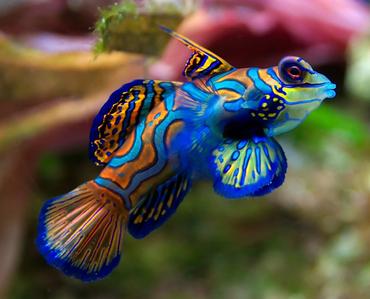
The electric blue coloration seen on the Blue Tang ( Paracanthurus hepatus ) or the intricate swirls on a Mandarin Dragonet ( Synchiropus splendidus ) are frequently the result of structural coloration produced by iridophores resting directly beneath xanthophores or melanophores. By scattering light across microscopic guanine crystals, these cells reflect shorter wavelengths of blue light back to the human eye while absorbing longer wavelengths. When a fish experiences stress or neural stimulation, it can rapidly expand or contract the pigment granules within its chromatophores, altering its shade within a matter of seconds.
Evolutionary Function: Why Saltwater Fish Evolved Brilliant Hues
In the wild, brilliant coloration is rarely a liability; it is a vital survival tool finely tuned by millions of years of natural selection. Tropical coral reefs are among the most structurally complex and visually dense ecosystems on Earth. In an environment packed with vivid corals, sponges, macroalgae, and shifting light patterns, a monochrome fish would often stand out far more than a vividly patterned one.
Marine fish utilize their coloration for several key evolutionary strategies:
Camouflage and Disruptive Coloration
Many species use contrasting bars, spots, and stripes to break up their physical outline against the reef matrix. The striking vertical black-and-yellow bands of the Copperband Butterflyfish ( Chelmon rostratus ) obscure its body contours, making it difficult for predators to gauge its orientation or size. Many butterflyfish species also feature an "ocellus"—a dark false eye spot near the tail base—paired with a dark vertical stripe concealing their actual eye. A striking predator attacking the false eye spot targets the wrong end of the fish, allowing the butterflyfish a fraction of a second to dart forward into safety.
Countershading
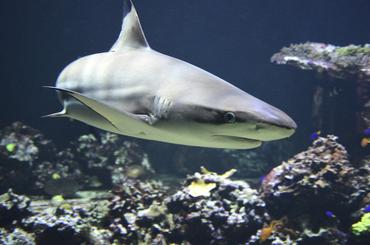
Pelagic and open-water reef dwellers often display countershading, where the dorsal (top) surface is dark blue or green and the ventral (belly) surface is silvery-white. Viewed from above, the dark back blends into the deep oceanic depths; viewed from below, the pale belly melts into the sunlit surface waters above.
Aposematism and Warning Displays
Some marine organisms signal toxicity, unpalatability, or sharp defensive structures through bright warning colors. Tangs and surgeonfish frequently showcase high-contrast caudal spines—such as the neon yellow scalpel on a Powder Blue Tang ( Acanthurus leucosternon )—warning rivals and predators of the physical damage those modified scales can inflict.
Social Communication and Mating
Color patterns play a critical role in species recognition, territorial displays, and courtship rituals. During spawning sequences, male wrasses and anthias frequently display "flashing" behavior, intensifying their pigment intensity and iridophores within seconds to signal health and dominance to potential mates.
Why Saltwater Fish Lose Color: Stress, Water Quality, and Disease
One of the most common challenges encountered by beginner and intermediate aquarists is sudden or gradual color loss in their marine livestock. When a bright neon specimen appears pale, washed out, or dull, it is almost always a physiological response to systemic stress. Understanding the root causes of color fading is essential for timely intervention before underlying health issues become fatal.
Water quality parameters directly influence dermal cellular health. Elevated levels of toxic ammonia, nitrite, or excessive nitrate and phosphate concentrations place significant osmotic and metabolic stress on fish. When fish expend excess energy regulating their internal salt-water balance under poor water conditions, non-vital metabolic processes—such as pigment synthesis and chromatophore expansion—are suppressed. If you suspect water quality issues are affecting your setup, review our essential tips for setting up and maintaining a saltwater aquarium system to keep water chemistry balanced and stable.
Sleep cycles and nighttime coloration represent another normal physiological phenomenon that often panics novice aquarists. When aquarium lights turn off, many reef fish shift into a quiescent state. To blend into nocturnal surroundings and avoid nocturnal predators like moray eels, species such as wrasses, tangs, and rabbitfish rapidly drain pigment from their cells, displaying mottled gray, pale brown, or faded hues. This nighttime color loss is entirely natural; normal coloration should return within 30 to 60 minutes after the lighting system ramps up in the morning.
However, chronic color fading during photoperiod hours points to chronic stress or underlying pathology:
- Parasitic Infections: External parasites like Marine Ich ( Cryptocaryon irritans ) or Marine Velvet ( Amyloodinium ocellatum ) trigger excessive skin mucus production, masking underlying pigments with a cloudy or dull film.
- Intimidation and Bullying: A fish subjected to persistent harassment from a dominant tankmate remains in a state of elevated cortisol (stress hormone). High cortisol levels induce pigment contraction, causing subordinate fish to remain permanently pale.
- Salinity and Temperature Fluctuations: Rapid shifts in specific gravity or thermal instability stress the cellular membrane integrity of chromatophores, compromising pigmentation display.
Nutrition and Lighting: Enhancing and Preserving Vivid Pigmentation
Fish cannot synthesize primary pigment compounds, particularly carotenoids, out of nothing; they must derive pigment precursors directly from their diet. In wild marine environments, fish feed continuously on carotenoid-rich organisms such as microalgae, crustacean larvae, copepods, and plankton. In a closed aquarium, reliance on single-type processed dry foods eventually leads to pigment depletion, resulting in faded reds, oranges, and yellows over time.
To keep pigment cells fully saturated, aquarists must provide a varied diet packed with natural color-enhancing nutrients:
-
Astaxanthin and Carotenoids: Astaxanthin is a powerful keto-carotenoid pigment responsible for the intense red, pink, and orange coloration found in marine life. Feeding frozen foods enriched with marine plankton, calanus, krill, and high-quality carotenoid-fortified pellets ensures that species like the Flame Hawkfish ( Neocirrhitus armatus ) and Sunburst Anthias ( Serranocirrhitus latus ) retain their fiery tones indefinitely.
-
Spirulina and Macroalgae: Herbivorous and omnivorous species—including surgeonfish, rabbitfish, and dwarf angelfish—require high levels of natural plant pigments (chlorophyll and xanthophylls). Regularly feeding dried marine macroalgae (Nori) and spirulina-based foods preserves the brilliant yellow hues of the Yellow Tang and the deep orange-gold of the Coral Beauty Angelfish ( Centropyge bispinosa ).
-
Lighting Spectrum and Photoperiod: Aquarium lighting plays both a direct biological role and a visual presentation role in color perception. Marine chromatophores, particularly iridophores, react dynamically to light spectrum and intensity. Modern reef-spectrum LEDs emphasize blue wavelengths (420nm to 470nm), which penetrate water deeply and stimulate fluorescence in both corals and certain fish tissues. Learning how to properly adjust your tank's lighting setup by adding LED moonlights and adjusting color spectra allows hobbyists to highlight subtle metallic structural colors while providing a natural photoperiod that supports the biological rhythms of marine life.
Compatibility and Care Considerations for Colorful Saltwater Species
Selecting tankmates based purely on aesthetic color combinations without evaluating behavioral compatibility is one of the most common mistakes in the marine hobby. In the ocean, a fish views conspecifics (members of its own species) or species with similar color patterns and body shapes as direct rivals for food, territory, and shelter. Introducing two strikingly similar yellow or blue fish into a confined aquarium often triggers severe territorial aggression, resulting in stress, physical damage, faded colors, or death.
Acanthurids (Tangs) and Pseudochromids (Dottybacks) are notorious for color-based territoriality. For example, housing a Purple Tang ( Acanthurus xanthurus ) alongside a Yellow Tang can spark immediate conflict because both possess similar disc-shaped body profiles and bold coloration. Similarly, a Royal Gramma may coexist peacefully with clownfish, but might aggressively attack a Magenta Dottyback ( Pseudochromis fridmani ) due to overlapping body shapes and vibrant purple hues.
When planning a colorful community aquarium, observe these practical care and compatibility guidelines:
-
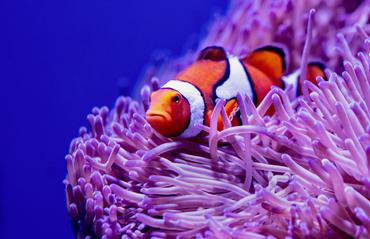
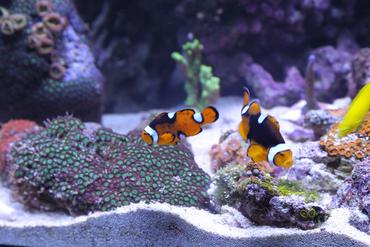
Mix Body Shapes and Color Families: Combine species across different family lineages and visual spectrums. Pair a streamlined blue neon goby with a deep-bodied orange clownfish rather than stocking multiple similar-looking dwarf angelfish.
-
Introduce Similar Species Simultaneously: If keeping multiple colorful specimens from semi-aggressive families (such as tangs or anthias), introduce them at the exact same time using an isolation box to dilute individual territorial establishment.
-
Provide Ample Structural Cover: Adequate live rock structure with plenty of caves and overhangs allows subordinate fish to retreat from visual line-of-sight with dominant tankmates, preventing chronic stress-induced paleness.
-
Acclimate Carefully: Protect fish chromatophores and skin health during transit by using gradual drip acclimation to equalize temperature, pH, and salinity before introduction.
-
Use Compatibility Tools: Before adding new fish, utilize our interactive saltwater fish compatibility tool to prevent territorial clashes and preserve color in your reef community.
Key Takeaways for Maintaining Vibrant Marine Coloration
The breathtaking colors of saltwater fish are far more than superficial beauty—they are a direct reflection of an animal's cellular health, emotional state, diet, and aquatic environment. By recognizing that pigments like reds and yellows require carotenoid-rich nutrition, while blues and silvers depend on pristine lighting and structural iridophore reflection, aquarists can take direct control over the visual health of their display.
Maintaining long-term color intensity comes down to three fundamental pillars: eliminating stress through stable water chemistry, offering a varied diet fortified with natural color enhancers like astaxanthin and marine algae, and curating a harmonious community where territorial aggression is kept at bay. When these conditions are met, your saltwater aquarium will reward you with the brilliant, dynamic colors that make the marine hobby endlessly captivating. Are you troubleshooting color loss in your display, or looking for advice on stocking your next build? Explore our extensive collection of marine care guides, share your setup in our community forums, and connect with fellow enthusiasts today!


MOST RECENT ARTICLES