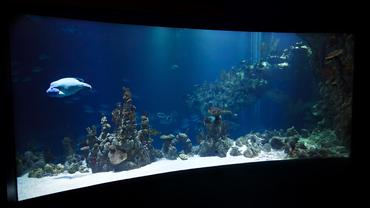
GETTING RID OF AIPTASIA IN YOUR REEF AQUARIUM

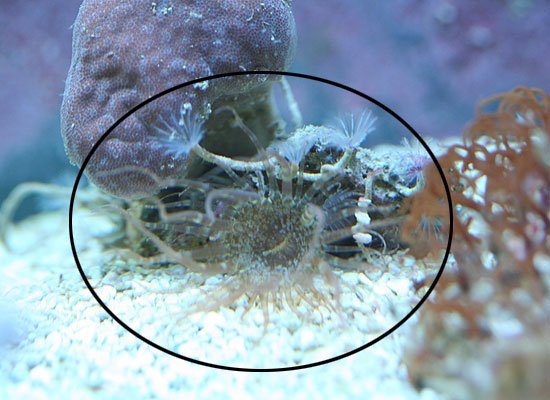
Understanding the Enemy: Why Aiptasia is a Major Threat
To successfully eradicate Aiptasia, you must first understand why it is such a uniquely challenging pest. These anemones are members of the family Aiptasiidae and are incredibly hardy invertebrates. In the wild, they occupy highly dynamic coastal regions, meaning they can tolerate massive fluctuations in water quality, salinity, and temperature. This evolutionary resilience makes them nearly bulletproof in a stable home aquarium environment where conditions are optimized for marine life.
The primary reason Aiptasia causes headaches for reef keepers is its aggressive nature. They possess highly potent stinging cells called nematocysts embedded along their tentacles. When an anemone expands, these tentacles constantly brush against your expensive stony corals or soft polyps. Over time, the localized stinging will cause neighboring corals to retract, bleach, or suffer tissue necrosis. If left unchecked, a single anemone can rapidly produce an entire colony that physically crowds out your desired tank inhabitants.
Furthermore, their reproduction methods are highly versatile. Aiptasia can reproduce sexually by releasing planula larvae into the water column, but they are far more infamous for their asexual reproduction methods, specifically pedal laceration. As the anemone moves across a rock surface, it leaves behind microscopic fragments of its foot. Every single one of these tiny tissue pieces has the genetic programming to regenerate into a fully formed, independent anemone within a matter of weeks. This is why mechanical removal, such as trying to pull or scrape them off with tweezers, almost always backfires and leads to a massive population explosion.
Natural and Biological Controls: The Reef-Safe Predators
For many beginner and intermediate hobbyists, introducing a natural predator is the most appealing and hands-off approach to managing an outbreak. Leveraging nature's food web allows you to control the pest population continuously without altering your water chemistry through chemical additives. Several specialized marine species view Aiptasia as an absolute delicacy, though each comes with its own unique set of behaviors and care requirements.
Biological Weapons Against Aiptasia
-
Peppermint Shrimp (Lysmata wurdemanni): These industrious invertebrates are generally affordable, widely available, and highly efficient at hunting down small to medium-sized anemones under the cover of darkness. However, clear identification is vital here; camel shrimp (Rhynchocinetes durbanensis) look remarkably similar to peppermint shrimp but will actively consume your prized corals rather than the pests. Always source your shrimp from a reputable livestock provider to ensure you are getting the correct species. You can read more about selecting reliable reef cleanup crews in our article on commonly available reef-safe fish and invertebrates.
-
Copperband Butterflyfish (Chelmon rostratus): This stunning, long-nosed specimen is uniquely engineered to pluck pests out of deep rock crevices.
-
Matted Filefish (Acreichthys tomentosus): This fish features an incredible camouflaged body and a voracious appetite for pest anemones. While these fish can clear a tank within days, they require dedicated care and are not always guaranteed to remain entirely reef-safe once their primary food source is completely depleted.
-
Berghia Nudibranch (Berghia stephanieae): These small, white sea slugs are obligate predators of Aiptasia, meaning they eat absolutely nothing else. They will systematically hunt down every single trace of the anemone in your tank, navigating tiny gaps in your rockwork that fish could never reach. The primary drawback to Berghia nudibranchs is that once the Aiptasia is entirely gone, the nudibranchs will unfortunately starve, so many hobbyists choose to pass them along to a fellow local club member facing a similar infestation.
Chemical and Direct Injection Methods for Targeted Eradication
When dealing with isolated individuals or localized patches of Aiptasia, biological controls can sometimes take too long, or the predators might ignore larger, mature anemones. In these instances, a direct, targeted intervention is required. Chemical and fluid injection methods involve using a syringe or an included applicator to deliver a lethal dose of a specific substance directly into the oral disc or body column of the individual anemone.
Commercial Aiptasia elimination products are highly popular and widely effective. These proprietary liquids typically consist of a thick, calcium-based alkaline solution. When applied correctly, the thick paste coats the anemone, preventing it from retracting or releasing defensive planula larvae into the water column. The pest consumes the fluid, which rapidly destroys its internal tissue structure from the inside out. When using these products, it is imperative to temporarily turn off all your wavemakers, return pumps, and filtration systems. Keeping the water completely still ensures the caustic chemical remains resting squarely on the target pest and does not drift onto nearby sensitive corals.
For hobbyists who prefer a cost-effective, DIY approach, a homemade paste made from food-grade calcium hydroxide (kalkwasser) mixed with a small amount of RO/DI water works on an identical principle. Alternatively, injecting a small concentrated dose of lemon juice or boiling-hot RO/DI water directly into the stem of the anemone can shock and destroy its cellular structure. While highly affordable, these manual methods require a steady hand. You must approach the anemone slowly; if it senses a sudden pressure change or shadow, it will instantly retract deep into the porous live rock, rendering your injection useless.
Compatibility and Care Considerations for Biological Predators
Before rushing out to your local fish store to purchase a biological predator, you must critically analyze your current livestock list and tank dynamics. Introducing a new animal solely to perform a utility job without considering its long-term compatibility is one of the most common mistakes intermediate hobbyists make. You need to ensure the predator will be safe from your current residents, and conversely, that the predator will not harm your existing ecosystem.
Potential Risks and Care Profiles
-
Copperband Butterflyfish: These fish are notoriously delicate, high-stress animals that frequently suffer from shipping trauma and refuse prepared aquarium foods. They require a large, well-established tank with plenty of open swimming space and can easily fall victim to aggressive tankmates like established tangs or dottybacks. Furthermore, they may nip at feather dusters, clam mantles, and some fleshy stony corals.
-
Matted Filefish: While incredibly hardy and efficient, filefish are notorious for developing a taste for coral polyps, particularly zoanthids and Acans, once the local Aiptasia population drops. You must be prepared to monitor them closely or remove them to a separate holding tank if they transition from helpful cleaners to active reef predators.
-
Peppermint Shrimp: These shrimp are relatively peaceful but can easily become an expensive snack for predatory fish. If your tank houses aggressive carnivores such as hawkfish, large wrasses, or dottybacks, your newly introduced shrimp may be consumed before they ever find a single anemone.
Managing your tank's feeding schedule is also critical when relying on biological controls. If you heavily feed your aquarium with nutrient-rich frozen mysis shrimp or reef roids daily, your filefish or peppermint shrimp will quickly realize that waiting for free meals is much easier than working to rip down tough, stinging pest anemones. To encourage active hunting behavior, consider slightly reducing your supplemental feeding quantities for a brief period to motivate your biological cleanup crew to forage naturally across the rockwork.
Common Beginner Mistakes and How to Avoid Them
The journey to an entirely pest-free reef aquarium is often paved with well-intentioned errors that accidentally make the infestation worse. Understanding the biological defense mechanisms of these unique invertebrates will prevent you from inadvertently triggering a massive population boom. For instance, a major misunderstanding of trace element dynamics or stability changes can further stress your tank, which you can learn to navigate in our article about dealing with hard water in the saltwater tank.
The single greatest mistake a beginner can make is attempting to physically scrape, cut, or crush an Aiptasia inside the display aquarium. When threatened or physically damaged, the anemone undergoes an emergency survival response. It violently expels its internal organs, tissue fragments, and reproductive cells directly into the surrounding water current. The flow from your powerheads will immediately distribute these microscopic pieces to every corner of your aquarium, resulting in dozens of new anemones sprouting up across your sandbed and overflow boxes a few weeks later. If a piece of rock can be completely removed from the tank, you can safely chisel away the affected section entirely outside of the water, but never attempt to manually crush them inline.
Another prevalent pitfall is relying on a single, short-term solution and assuming the battle is won. Eradication is rarely a one-time event; it is an ongoing process of monitoring and maintenance. A hobbyist might inject three visible anemones, notice they have vanished, and assume the tank is clean. Meanwhile, microscopic juveniles are quietly growing out of sight within the dark plumbing lines, under rock ledges, or inside the sump chamber. Maintaining a diverse, multi-faceted approach—such as pairing an initial manual chemical treatment with a permanent population of peppermint shrimp—ensures that any hidden survivors are quickly dealt with before they can trigger a secondary outbreak.
Proactive Prevention: Keeping Your Reef Pest-Free Long-Term
Once you have successfully cleared your display tank of visible pests, your focus must immediately shift toward long-term biosecurity and proactive prevention. The absolute easiest way to manage an Aiptasia outbreak is to prevent the very first individual from ever crossing the threshold of your glass. Implementing strict quarantine and inspection protocols for every single new addition is the gold standard of modern reef keeping. Additionally, ensuring your water foundation remains flawless from the start prevents countless unneeded headaches, a topic explored deeply in our overview on preparing saltwater for your marine tank.
Whenever you purchase a new coral frag, take a few moments to thoroughly inspect the plastic plug and the stony base under a bright, clear light source. Look closely around the edges for any tiny, retracted jelly-like brown blobs. Utilizing a dedicated coral dip solution is highly effective at removing flatworms, red bugs, and nudibranchs, but it is worth noting that standard coral dips rarely kill resilient Aiptasia. If you spot an anemone firmly attached to a coral plug, the safest course of action is to carefully cut the coral away from its original base entirely using bone cutters, discard the infected plug completely, and glue your clean coral onto a brand-new, sterile ceramic plug.
Additionally, establishing a simple, un-aquascaped quarantine tank for all new livestock provides an invaluable line of defense. By holding new corals or live rock pieces in an isolated observation tank for a few weeks, you give hidden pests ample time to expand and reveal themselves in a safe environment where they can be treated easily without risking your main display. Keeping a clean system ensures that your target water metrics remain stable, helping you craft the ultimate thriving saltwater ecosystem.
Winning the Battle Against Reef Aquarium Pests
Dealing with an Aiptasia infestation can certainly feel overwhelming at first, but it is a normal rite of passage that almost every seasoned reef hobbyist has successfully navigated. By combining an understanding of their biology with targeted chemical actions, careful selection of reef-safe predators, and uncompromised quarantine habits, you can confidently eliminate these pests and restore your tank to a thriving state. Patience and consistency are your greatest tools; stay vigilant, inspect your rockwork regularly during feeding times, and take swift action the moment a new anomaly appears. For more expert tips, step-by-step troubleshooting, and community advice on maintaining an immaculate marine system, continue exploring our library of resources here at RateMyFishTank.com and share your own successful pest-fighting strategies with fellow hobbyists in our comments section below.


MOST RECENT ARTICLES