SALINITY REQUIREMENTS IN A SALTWATER AQUARIUM

What Salinity Is and Why It Matters in Saltwater Aquariums
Salinity refers to the concentration of dissolved salts in aquarium water, usually measured as specific gravity (SG) or parts per thousand (ppt). In the ocean, salinity is remarkably stable, averaging around 35 ppt or a specific gravity of approximately 1.025–1.026 at typical aquarium temperatures.
Marine fish, corals, and invertebrates have evolved to live within this narrow range. Their bodies constantly balance internal salt levels with the surrounding water through a process called osmoregulation. When salinity shifts too high or too low, this balance is disrupted, forcing animals to expend extra energy just to survive.
For beginner aquarists, salinity problems often arise not from dramatic errors but from gradual drift. Evaporation, improper water changes, inaccurate measuring tools, or topping off with saltwater instead of freshwater can all slowly push salinity outside the safe range.
Stable salinity supports:
- Proper gill and kidney function in marine fish
- Healthy coral tissue expansion and skeletal growth
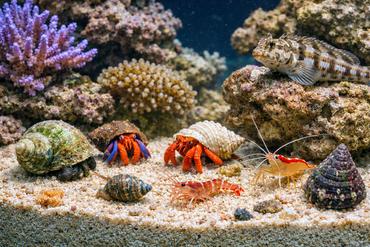
- Successful molting in shrimp, crabs, and other invertebrates
Before adding any marine life, it’s essential to understand how salinity interacts with every other aspect of saltwater aquarium care.
Ideal Salinity Ranges for Different Saltwater Setups
While the natural ocean averages around 35 ppt, not every saltwater aquarium needs to run at the exact same salinity. The ideal range depends on the type of system you’re keeping and the species you plan to house.
Fish-only saltwater aquariums are often maintained at slightly lower salinity levels, typically between 1.020 and 1.024 specific gravity. Many marine fish tolerate this range well, and some aquarists choose it because it can reduce parasite pressure and lower salt costs.
Reef aquariums, which include corals, live rock, and sensitive invertebrates, generally perform best at natural seawater levels of 1.025–1.026 specific gravity. Corals rely heavily on stable ionic balance for calcification and tissue health, making consistency more important than the exact number.
Invertebrate-heavy systems, such as tanks with shrimp, snails, sea stars, and clams, also benefit from higher, stable salinity. Many invertebrates are less tolerant of fluctuations than fish.
Commonly kept species and their preferences include:
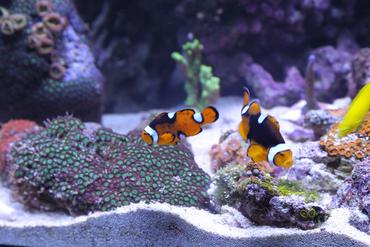
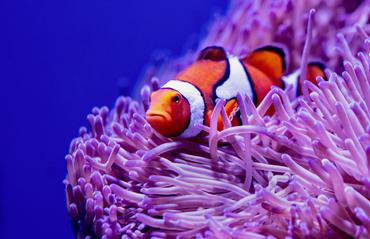
- Clownfish: 1.023–1.026 SG
- Royal Gramma: 1.023–1.026 SG
- Yellow Tang: 1.024–1.026 SG
- Cleaner Shrimp: 1.024–1.026 SG
Regardless of the exact target, stability is far more important than chasing a precise number. A tank held steadily at 1.024 will outperform one that swings daily between 1.022 and 1.026.
How to Measure Salinity Accurately
Accurate salinity measurement is the foundation of proper saltwater aquarium maintenance. Unfortunately, many beginners rely on tools that are either poorly calibrated or misused, leading to false readings and unnecessary adjustments.
The most common salinity measurement tools include swing-arm hydrometers, glass floating hydrometers, and refractometers. Swing-arm hydrometers are inexpensive and widely available, but they are also prone to error due to trapped air bubbles, mineral buildup, and calibration issues.
Refractometers are the preferred choice for most serious hobbyists. When properly calibrated with calibration fluid or distilled water, they provide consistent and reliable readings. Temperature-compensated refractometers are especially useful, as temperature changes can affect salinity readings.
Key tips for accurate measurement include:
- Calibrate refractometers regularly
- Rinse measuring tools with fresh water after use
- Measure salinity at the same temperature whenever possible
Many salinity problems arise from trusting a faulty reading. If livestock shows signs of stress, double-check salinity using a second method before making corrections.
Mixing Saltwater and Performing Water Changes Correctly
Proper saltwater mixing is one of the most important skills for any marine aquarist. Saltwater should never be mixed directly in the aquarium with fish or corals present. Instead, it should be prepared in a separate container using reverse osmosis/deionized (RO/DI) water whenever possible.
When mixing saltwater, always add salt to water — never water to salt. Allow the mixture to circulate with a powerhead for several hours, ideally 12–24 hours, until fully dissolved and aerated. This ensures stable pH, proper oxygenation, and accurate salinity readings.
Water changes are a common source of salinity swings. Removing saltwater and replacing it with water that is even slightly off can compound errors over time. Always match temperature and salinity as closely as possible to the display tank.
For more guidance on maintaining water quality during routine maintenance, see the guide on changing the water in your aquarium, which explains best practices for both freshwater and saltwater systems.
Evaporation is another factor beginners often misunderstand. As water evaporates, salt remains behind, causing salinity to rise. This is why evaporated water should always be replaced with fresh, unsalted water — not saltwater.
Common Salinity Mistakes Beginners Make
Even well-intentioned aquarists can run into trouble with salinity due to small but repeated mistakes. One of the most common errors is topping off evaporation with saltwater, which slowly increases salinity over time.
Another frequent issue is adjusting salinity too quickly. Rapid changes can shock fish and invertebrates, leading to labored breathing, lethargy, or even death. Salinity corrections should always be gradual, spread over several days if necessary.
Beginners may also underestimate the impact of equipment failure. Auto top-off systems, heaters, and pumps all play a role in maintaining stable conditions. A stuck float valve or malfunctioning sensor can cause sudden salinity shifts.
Salinity-related stress is often mistaken for disease. Fish may show symptoms such as clamped fins, flashing, or reduced appetite. Before reaching for medication, it’s wise to verify salinity and other water parameters.
Understanding stocking limits can also indirectly affect salinity stability. Overstocked tanks produce more waste, requiring more frequent water changes and increasing the chances of salinity inconsistency. The article how many fish your tank can realistically support offers helpful insights for avoiding this issue.
Compatibility and Care Considerations Related to Salinity
Not all saltwater fish and invertebrates tolerate the same salinity ranges equally well. While many marine fish are adaptable, invertebrates tend to be far less forgiving. Mixing species with different tolerances can create long-term challenges.
For example, some fish-only systems are run at lower salinity to reduce parasite risk, but this environment may not be suitable for snails, shrimp, or corals. Similarly, reef tanks maintained at natural seawater levels may stress fish that were previously acclimated to lower salinity at a retailer.
Proper acclimation is critical whenever introducing new livestock. Slow drip acclimation allows animals to adjust gradually to differences in salinity, temperature, and pH. Rushing this process is a common cause of early losses.
Long-term success comes from planning livestock choices around a consistent salinity target. Beginners are often better served by selecting hardy, adaptable species and maintaining stable conditions rather than experimenting with frequent adjustments.
Takeaway: Mastering Salinity for Long-Term Success
Salinity is not just another number on a test chart — it is a cornerstone of saltwater aquarium health. By understanding what salinity is, choosing an appropriate target range, measuring accurately, and maintaining consistency, aquarists can avoid many of the most common marine aquarium problems.
For beginners and intermediate hobbyists alike, the key lessons are simple: prioritize stability, make changes slowly, and always verify readings before acting. When salinity is properly managed, marine fish display better color, corals grow more reliably, and invertebrates thrive.
If you’re looking to deepen your understanding of marine aquarium care, explore more in-depth guides on RateMyFishTank.com to continue building confidence and success in your saltwater journey.

MOST RECENT ARTICLES