BEGINNER CORAL SPECIES: LOW-LIGHT CORALS

Understanding the Appeal of Low-Light Corals
In the vast ecosystems of the world’s oceans, not every coral lives on the sun-drenched crest of a reef. Many species have evolved to thrive in deeper waters or shaded lagoons where light is filtered and less intense. In the home aquarium, these corals are often categorized as "low-light" because they require a lower Photosynthetically Active Radiation (PAR) value, typically ranging from 50 to 100 PAR. This makes them ideal for hobbyists using standard LED fixtures or for those looking to fill the "dead zones" at the bottom of a deep tank or under rock overhangs.
Low-light corals are generally more "fleshy" and exhibit significant movement in the water column. Because they cannot rely solely on intense light for energy through photosynthesis, many have developed larger polyps and sophisticated feeding mechanisms to capture organic particles from the water. This biological trait makes them fascinating to watch during feeding time. Furthermore, many of these species are exceptionally hardy, tolerating slight fluctuations in water parameters that would be fatal to more sensitive Small Polyp Stony (SPS) corals. For anyone still mastering the process of cycling a fish tank, starting with these resilient invertebrates provides a much-needed margin for error.
The Best Soft Corals for Shaded Areas
Soft corals, or Alcyonaceans, are the quintessential choice for beginners. They lack a rigid calcium carbonate skeleton, making them less demanding regarding calcium and alkalinity dosing. Among the most popular low-light options are Mushroom Corals (Actinodiscus and Ricordea). These come in nearly every color of the rainbow and act like living wallpaper for your rockwork. They prefer lower flow and lower light; if the light is too intense, they will often shrivel or detach from the rock in search of a shadier spot.
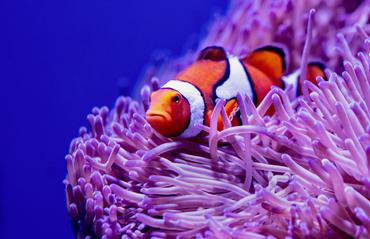
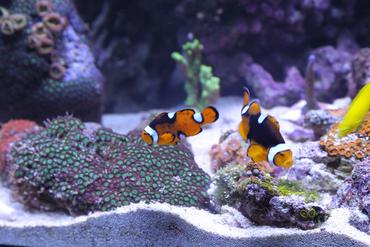
Another excellent candidate is the Leather Coral (Sarcophyton). Known for its mushroom-like shape and long, flowing polyps, the Leather Coral is a centerpiece species that can grow quite large even in modest lighting. While they are hardy, they do go through "shedding" phases where they retract and develop a waxy film to slough off algae. Beginners often mistake this for the coral dying, but it is a natural cleaning process. To help keep these corals healthy, consider adding peaceful tank mates like the Royal Gramma or a pair of Ocellaris Clownfish, which provide natural nitrate and phosphate through their waste—essential nutrients for soft coral growth.
- Mushroom Corals: Ideal for the very bottom of the tank; avoid high-flow areas.
- Leather Corals: Provide a classic reef look and are very tolerant of water variations.
- Zoanthids: Often called "Sea Buttons," they offer incredible color patterns in low to moderate light.
- Green Star Polyps: Extremely fast growers that can cover back walls or overflow boxes quickly.
- Xenia: Known for their pulsing polyps, they add incredible rhythmic movement to the tank.
LPS Corals That Thrive in the Dim
Large Polyp Stony (LPS) corals offer a middle ground between the "easiness" of soft corals and the structural beauty of stony corals. Many LPS species originate from deeper waters where the light is blue-heavy and dim. The Blastomussa is a prime example; its large, fleshy red or green centers are highly sensitive to bright light and will bleach if placed too high in the tank. They are slow growers but are incredibly rewarding for the patient hobbyist.
The Candy Cane Coral (Caulastraea furcata) is another beginner favorite. It features trumpeted heads with neon centers that "glow" under actinic blue lighting. Unlike some LPS corals, the Candy Cane is relatively peaceful and has shorter sweeper tentacles, making it easier to place near other inhabitants. When keeping LPS corals, it is important to understand the dangers of high ammonia, nitrite and nitrate, as their stony skeletons require stable water conditions to prevent tissue recession. However, they are far more forgiving of "dirty" water than SPS corals, as they enjoy a moderate amount of nitrates for growth.
Compatibility and Care Considerations
While low-light corals are generally easier to maintain, they are not without their risks. A major consideration for any reef keeper is "chemical warfare." Many soft corals, especially Leathers and Mushrooms, release terpenes or other chemical compounds into the water to prevent other corals from encroaching on their space. This is why running high-quality activated carbon is essential in a mixed reef. Without carbon filtration, a large Leather Coral can inadvertently stunt the growth of its neighbors.
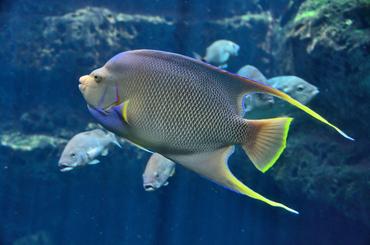
Placement is also a matter of physical safety. Some low-light LPS corals, like the Elegance Coral or certain Brain Corals, have long "sweeper tentacles" that come out at night. These tentacles can reach several inches and will sting any nearby coral. Always leave 3 to 4 inches of "breathing room" between colonies. Furthermore, consider your fish inhabitants. While most beginners start with peaceful fish, certain species like Angelfish (even Pygmy Angels) are known "nippers" and may find the fleshy polyps of your Blastomussa or Brain Coral irresistible. Understanding the basics of fish compatibility is a skill that translates directly to marine reefs—always check if a fish is "reef safe" before adding it to your community.
- Use activated carbon to neutralize chemical toxins released by soft corals.
- Space LPS corals appropriately to avoid nighttime stinging from sweeper tentacles.
- Ensure your salinity is stable at 1.024–1.026 via an automatic top-off system.
- Moderate your flow; low-light corals often have large surface areas that can be torn by "blasting" currents.
- Keep your magnesium levels between 1300 and 1350 ppm to help stabilize calcium and alkalinity.
Common Beginner Pitfalls and Actionable Tips
The most common mistake beginners make with low-light corals is "over-care." It is tempting to constantly move a coral if it doesn't open up immediately, but every time you touch a coral, you cause it stress and force it to use energy to retract. If a Mushroom or Zoanthid is partially closed, check your water parameters first. If the water is fine, wait at least a week before moving it. Most corals need time to acclimate to the specific spectrum of your lights and the flow patterns of your pumps.
Another pitfall is lighting "starvation" vs. "photo-inhibition." Just because a coral is labeled "low-light" doesn't mean it can survive in total darkness. If your coral is stretching upward or losing its color, it may need a slight boost in intensity. Conversely, if the coral is turning white (bleaching) or staying tightly closed, it is likely getting too much light. Practical tip: use a PAR meter if possible, but if not, use the "observation method." A happy low-light coral should look fully inflated, show clear polyp extension, and maintain deep, rich coloration.
Finally, don't forget feeding. Since these corals aren't getting all their energy from the sun, they benefit greatly from target feeding once or twice a week. Using a turkey baster to gently puff a mixture of powdered reef food or mysis shrimp over their polyps will result in faster growth and more vibrant colors. Just be careful not to overfeed, as excess food will break down into the very nitrates and phosphates you are trying to manage.
Takeaway: Building Your First Reef
Starting a reef tank with low-light corals is a strategic and rewarding path for any hobbyist. By selecting resilient species like Mushrooms, Leathers, and Candy Canes, you create a foundation that is visually stunning and biologically stable. These corals teach you the vital importance of flow, placement, and chemical stability without the high-pressure demands of a high-light reef. As your confidence grows and your tank matures, these low-light inhabitants will continue to provide the movement and texture that make a marine aquarium truly come alive. If you are ready to take the next step in your reef-building journey, be sure to explore our detailed species profiles and equipment guides to ensure your underwater sanctuary remains healthy for years to come. What will be the first coral in your new reef? Start slow, stay observant, and enjoy the process!


MOST RECENT ARTICLES