KEEPING LIONFISH IN THE HOME AQUARIUM

Understanding Lionfish: Species, Behavior, and Expectations
Lionfish belong to the genus Pterois, a group of venomous marine predators native to the Indo-Pacific region. In the wild, they inhabit reefs, lagoons, and rocky outcrops, where they hunt small fish and crustaceans using stealth rather than speed. In aquariums, that same slow, deliberate hunting style makes them fascinating to observe, but it also creates specific care requirements that differ from most reef or community saltwater fish.
One of the most important things for beginners to understand is that lionfish are ambush predators. They are not active swimmers like tangs or wrasses. Instead, they hover, perch, and stalk their surroundings. This means they do not need intense flow or constant stimulation, but they do require adequate space and stable water conditions to thrive.
Several lionfish species are commonly available in the aquarium trade, and choosing the right one can make the difference between long-term success and frustration.
Common Lionfish Species
- Volitan Lionfish ( Pterois volitans ): The most iconic species, known for its long fins and impressive size. Can exceed 15 inches and requires a large tank.
- Red Lionfish ( Pterois miles ): Similar in appearance to the volitan but slightly smaller and often hardier.
- Dwarf Fuzzy Lionfish ( Dendrochirus brachypterus ): A popular choice for beginners due to its manageable size and bold personality.
- Dwarf Zebra Lionfish ( Dendrochirus zebra ): More cryptic and shy, but well-suited for smaller predator tanks.
Dwarf species generally top out at 5–7 inches and are far more forgiving for aquarists with limited space. Large species like volitans are best reserved for experienced hobbyists with tanks of 120 gallons or more.
Tank Size, Setup, and Environmental Requirements
Providing the right environment is essential for keeping lionfish healthy and stress-free. While they are hardy fish in terms of water chemistry tolerance, they are unforgiving when it comes to space, stability, and filtration.
Tank size should be chosen based on the adult size of the species, not the juvenile you see at the store. A common beginner mistake is purchasing a small lionfish with plans to “upgrade later,” only to delay the upgrade and compromise the fish’s health.
General Tank Size Guidelines
- Dwarf lionfish require a minimum of 30–40 gallons.
- Medium species such as Pterois antennata need 75 gallons or more.
- Volitan and miles lionfish require 120–180 gallons long-term.
Aquascaping should prioritize open swimming space combined with caves, ledges, and overhangs. Lionfish like to perch under shaded areas during the day and become more active during feeding times or low light periods. Live rock is strongly recommended, as it provides both shelter and biological filtration.
Water parameters should be stable and consistent:
Temperature between 75–80°F, salinity around 1.024–1.026, pH between 8.1–8.4, and low nitrate levels are ideal. Because lionfish are messy eaters and heavy waste producers, strong filtration is non-negotiable. A quality protein skimmer is especially important in predator systems.
Before introducing a lionfish, the aquarium must be fully cycled. If you’re new to marine tanks, reviewing a guide like how to properly cycle a fish tank will help ensure your system is ready for a sensitive predator.
Feeding Lionfish: Diet, Training, and Common Pitfalls
Feeding is one of the most challenging—and rewarding—aspects of lionfish care. In the wild, lionfish feed primarily on live fish and crustaceans. In captivity, they can and should be trained to accept frozen foods to ensure proper nutrition and reduce disease risk.
Newly acquired lionfish often only recognize live prey at first. Many beginners panic when their lionfish refuses frozen food during the first week. This is normal. With patience and proper technique, most lionfish can be trained to eat non-living foods.
Recommended Foods
- Silversides
- Mysis shrimp
- Chopped shrimp
- Squid
- Marine fish flesh
Feeding should be done using feeding tongs or a feeding stick to mimic movement and keep your hands safely away from venomous spines.
Live feeder fish are strongly discouraged as a staple diet. Freshwater feeders like goldfish and guppies are nutritionally inappropriate and can introduce parasites. If live food is used temporarily for training, marine-origin feeders should be quarantined first.
Overfeeding is another common mistake. Lionfish have slow metabolisms and can become obese if fed too frequently. Most adult lionfish do well with two to three feedings per week. Juveniles may require slightly more frequent meals.
A useful reference for managing nutrient load and waste production can be found in how many fish your tank can realistically support, especially when planning a predator aquarium.
Compatibility and Care Considerations
Compatibility is where many lionfish tanks fail. While lionfish are not aggressive in the traditional sense, they are opportunistic predators. Any fish that fits into a lionfish’s mouth is considered food, regardless of how peaceful it may be.
Suitable Tank Mates
- Larger groupers
- Triggers
- Certain puffers
- Hawkfish
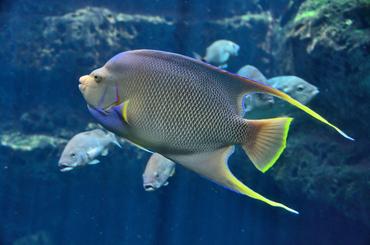
- Robust angelfish
Even then, individual temperament varies.
Incompatible Tank Mates
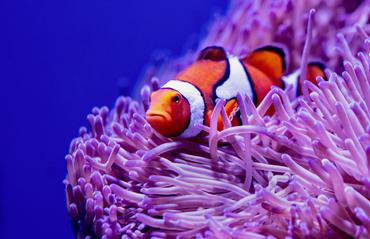
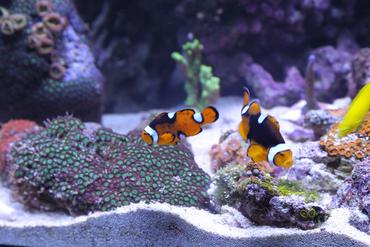
- Small reef fish such as clownfish, gobies, blennies, and firefish.
- Shrimp and crabs will almost certainly be eaten, making lionfish unsuitable for most reef aquariums.
Lionfish can be kept together in larger tanks, especially dwarf species, but adding them simultaneously reduces territorial disputes. Mixing vastly different sizes often leads to cannibalism.
Care considerations also extend to safety. Lionfish possess venomous dorsal, anal, and pelvic spines. While they are not aggressive toward humans, accidental stings can occur during maintenance. Using long tools, moving slowly, and knowing the fish’s location before working in the tank are essential habits.
Common Beginner Mistakes and How to Avoid Them
Many lionfish losses can be traced back to a handful of predictable errors. Understanding these pitfalls ahead of time greatly improves long-term success.
-
Underestimating adult size and waste output.
A small juvenile lionfish may look comfortable in a modest tank, but rapid growth can overwhelm both space and filtration. -
Relying on live feeders long-term.
This leads to nutritional deficiencies and increases disease risk. Training to frozen foods should be a priority from the beginning. -
Poor compatibility planning.
Adding “test fish” or hoping smaller fish will be ignored almost always ends badly. Predator tanks require intentional stocking choices. -
Neglecting quarantine is risky.
Lionfish are generally hardy, but they can still carry parasites. A simple quarantine period helps protect both the lionfish and any existing tank mates.
Long-Term Health, Growth, and Observation
When properly cared for, lionfish can live 10–15 years in captivity. Long-term success depends on consistency rather than complexity. Stable water parameters, appropriate feeding schedules, and regular observation go a long way.
Healthy lionfish display full fin extension, steady breathing, and a strong feeding response. Clamped fins, lethargy, or refusal to eat for extended periods may indicate stress, poor water quality, or illness.
Regular maintenance is essential. Weekly water changes help manage nitrate buildup, and equipment should be cleaned regularly to maintain efficiency. Because lionfish are less active swimmers, subtle changes in behavior are often the first sign of a problem.
Many experienced keepers note that lionfish develop recognizable personalities over time. Some become bold and interactive at feeding time, while others remain shy and reclusive. Both are normal, as long as the fish is eating and maintaining body condition.
Final Takeaway: Is a Lionfish Right for You?
Keeping lionfish in the home aquarium is a rewarding experience for aquarists willing to plan carefully and respect the unique needs of marine predators. They are not impulse purchases or beginner “practice” fish, but they are far more manageable than their reputation suggests when housed correctly.
If you have the space, filtration, and commitment to proper feeding and compatibility planning, a lionfish can become a stunning and long-lived centerpiece. Take the time to research species, set up the tank correctly, and continue learning through trusted resources on RateMyFishTank.com to build a predator aquarium that thrives for years to come.


MOST RECENT ARTICLES