WAVEMAKERS FOR SALTWATER TANKS

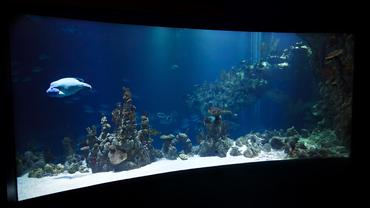
In a thriving saltwater aquarium, water movement is just as important as filtration and lighting. Wavemakers are the unsung heroes that keep marine tanks healthy by replicating the constant flow found in the ocean. For beginner and intermediate hobbyists, understanding how wavemakers work—and how to use them correctly—can mean the difference between struggling corals and a vibrant, natural-looking reef.
What Are Wavemakers and Why Do Saltwater Tanks Need Them?
A wavemaker is a specialized water circulation pump designed to create consistent or variable water flow inside a saltwater aquarium. Unlike return pumps that simply move water from the sump back into the tank, wavemakers focus on internal circulation. Their job is to prevent stagnant zones, improve gas exchange, and mimic natural ocean currents.
In the wild, reefs are exposed to constant movement from tides, waves, and currents. Fish and corals have evolved to rely on this motion for feeding, respiration, and waste removal. Without adequate flow, debris settles on rockwork, oxygen levels drop, and nuisance algae can gain a foothold.
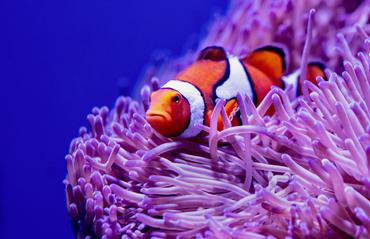
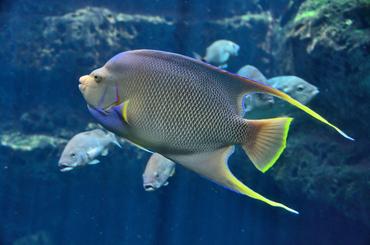
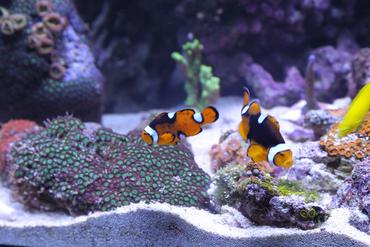
Even fish-only saltwater tanks benefit from wavemakers. Species like clownfish, tangs, and wrasses are active swimmers that prefer well-oxygenated water. Corals, however, are especially dependent on proper flow because they cannot move away from poor conditions.
Many beginners assume that a powerful filter or sump return is enough. In reality, return nozzles usually create linear flow in just one direction, leaving dead spots behind rocks and decorations. Wavemakers solve this problem by pushing water throughout the entire tank volume.
How Wavemakers Support Fish, Corals, and Overall Tank Health
Proper water movement directly impacts the biological and chemical stability of a saltwater aquarium. One of the biggest benefits is improved oxygenation. As surface agitation increases, carbon dioxide escapes and oxygen enters the water more efficiently. This is critical for fish respiration and beneficial bacteria living in live rock.
Wavemakers also help transport food particles. Corals such as hammer corals, frogspawn, and zoanthids rely on water movement to bring plankton and dissolved nutrients to their polyps. Fish like anthias and chromis benefit as well, since food remains suspended longer instead of sinking straight to the substrate.
Another major advantage is waste removal. Fish waste, uneaten food, and detritus are constantly produced in a saltwater tank. Adequate flow keeps these particles in suspension so they can be removed by mechanical filtration or protein skimmers. This reduces nutrient buildup that often leads to algae outbreaks.
Healthy flow patterns also discourage cyanobacteria and hair algae. When debris settles in low-flow areas, algae take advantage of the nutrients. By eliminating dead zones, wavemakers indirectly support a cleaner and more stable system.
For reef tanks, flow influences coral growth patterns. Corals exposed to moderate, alternating currents tend to develop stronger skeletons and more natural shapes compared to those in weak or one-directional flow.
Choosing the Right Wavemaker for Your Saltwater Aquarium
Selecting the right wavemaker depends on tank size, livestock, and overall setup. Flow rate is usually measured in gallons per hour (GPH), and most saltwater aquariums aim for a total turnover rate of 20–40 times the tank volume per hour. Reef tanks with demanding corals may require even higher turnover.
Tank size plays a major role. Nano reefs under 20 gallons often use compact, adjustable wavemakers to avoid overwhelming delicate corals. Larger tanks may require multiple units positioned strategically to create crossflow.
Modern wavemakers come with advanced features such as adjustable speed, pulsing modes, and wireless controllers. These allow hobbyists to simulate natural wave patterns rather than constant, laminar flow. Variable flow is generally healthier for corals and more interesting to watch.
Noise level and energy efficiency are also worth considering. High-quality wavemakers are designed to run quietly and consume minimal power, which matters for systems running 24/7.
When in doubt, it’s better to choose a controllable wavemaker with adjustable output. This gives you flexibility as your tank matures and your livestock changes.
Placement and Flow Patterns: Getting the Most Out of Your Wavemaker
Even the best wavemaker won’t perform well if it’s placed incorrectly. Placement determines how water moves around rocks, corals, and open swimming areas. Poor placement often results in strong jets in one area and stagnant zones elsewhere.
A common approach is to position wavemakers on opposite sides of the tank, angled slightly toward the center. This creates intersecting currents that break up linear flow and improve circulation throughout the aquarium.
Height matters too. Placing a wavemaker too close to the surface can cause excessive splashing and salt creep, while placing it too low may stir up sand. Most hobbyists find success positioning wavemakers in the upper third of the tank.
Rockwork should be considered when planning flow. Dense structures can block water movement, so it’s important to direct flow behind and around rocks. This helps prevent detritus accumulation and supports beneficial bacteria.
As a real-world example, many reef keepers notice reduced algae growth after repositioning their wavemakers to eliminate dead spots behind live rock. Small adjustments can make a noticeable difference.
Compatibility and Care Considerations for Fish and Corals
Not all marine life prefers the same level of flow, which is why compatibility matters.
Flow Preferences
- Soft corals like mushrooms and leather corals generally prefer gentle, indirect flow.
- SPS corals such as Acropora thrive in strong, turbulent currents.
Fish Compatibility
- Clownfish, gobies, and blennies appreciate areas of calmer water where they can rest.
- Tangs and wrasses enjoy strong currents and open swimming space.
Creating varied flow zones within the tank allows different species to coexist comfortably. This is often achieved by using multiple wavemakers set at different intensities or angles.
Routine maintenance is essential for long-term performance. Wavemakers should be cleaned regularly to remove algae and calcium buildup, which can reduce flow and strain the motor. A simple soak in vinegar followed by a gentle scrub usually restores performance.
When stocking your tank, it’s important to consider overall bioload and circulation needs. Articles like how many fish your tank can realistically support provide valuable insight into balancing livestock and equipment capacity.
Common Beginner Mistakes and Practical Tips for Success
One of the most common mistakes beginners make is underestimating flow requirements. A single small wavemaker is rarely enough for anything beyond a nano tank. Inadequate circulation often leads to algae issues and unhappy corals.
Another frequent error is pointing wavemakers directly at corals. While flow is necessary, constant direct blasts can cause tissue damage or prevent corals from fully extending their polyps.
Overcorrecting is also possible. Excessive flow can stress fish, blow sand around, and damage delicate corals. This is why adjustable wavemakers are so valuable—they allow fine-tuning as conditions change.
Beginners sometimes forget that flow needs evolve over time. As corals grow and rockwork becomes more complex, circulation patterns change. Periodically reassessing wavemaker placement keeps the system balanced.
For those new to marine aquariums, reviewing foundational guides like how to properly cycle a fish tank and understanding water parameters helps ensure wavemakers are supporting a stable environment rather than compensating for underlying issues.
Final Takeaway: Are Wavemakers Worth It?
Wavemakers are an essential component of modern saltwater aquariums. They improve oxygenation, support coral health, reduce waste buildup, and create a more natural environment for marine life. For beginners, starting with adjustable, well-placed wavemakers prevents many common problems down the road.
Whether you’re maintaining a simple fish-only tank or building a thriving reef, investing time in understanding flow pays off. With the right equipment, thoughtful placement, and regular maintenance, wavemakers help transform a stagnant box of water into a dynamic, living ecosystem.
If you’re planning to upgrade your saltwater setup, explore more in-depth guides on equipment selection, stocking strategies, and reef care here on RateMyFishTank.com to continue building a healthier, more successful aquarium.


MOST RECENT ARTICLES