COMMON PROBLEMS WITH HEATING IN SALTWATER TANKS

1. Stuck Heaters: Overheating vs. Complete Heater Failure
Aquarium heaters operate in a harsh, corrosive environment full of dissolved salts, electric currents, and high humidity. Over time, internal contacts undergo physical wear, metallic fatigue, and mineral buildup. This environment typically leads to one of two critical points of failure: a heater thermostat that welds itself into the "ON" position, rapidly cooking your water, or an internal circuit that breaks completely, shutting the heater "OFF" and leaving your tank shivering.
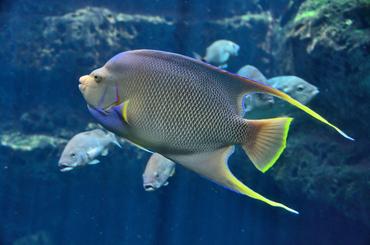
When a heater sticks in the ON position, water temperatures can climb well above 84°F (29°C) in a matter of hours. Overheating decreases dissolved oxygen saturation levels rapidly while simultaneously surging the metabolic rate of your marine life. As water warms up, it physically holds less oxygen gas, forcing fish to breathe much faster just to process basic oxygen requirements. Highly sensitive species like the Acropora SPS coral or delicate invertebrates like the Skunk Cleaner Shrimp (Lysmata amboinensis) are often the first to suffer, exhibiting tissue sloughing, polyp bail-out, or rapid mortality. Meanwhile, fish like the Flame Angelfish (Centropyge lori) or Royal Gramma (Gramma loreto) will display erratic swimming, heavy gill respiration, or surface gasping at the waterline.
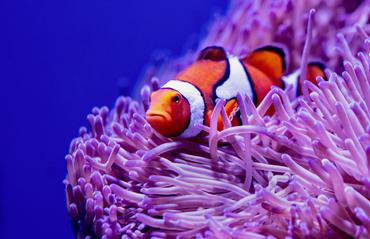
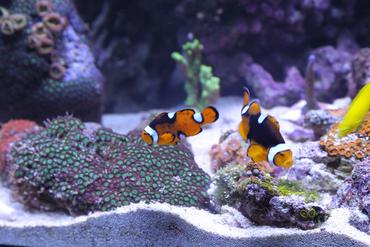
Conversely, a dead heater causes a slow thermal plummet, especially during colder winter months. While cooler water technically holds higher concentrations of dissolved oxygen, sudden drops below 72°F (22°C) suppress the immune systems of marine species like the Ocellaris Clownfish (Amphiprion ocellaris) or Yellow Tang (Zebrasoma flavescens). Cold-stressed fish experience degraded slime coats and reduced white blood cell counts, opening the door for opportunistic parasitic infections such as Marine Ich (Cryptocaryon irritans) or Marine Velvet (Amyloodinium ocellatum) to overrun the tank.
To avoid single-point failure, experienced hobbyists use external digital temperature controllers. By plugging your glass or titanium heater directly into an external controller equipped with an independent temperature probe, the controller acts as an automated safety cutoff switch. If the internal thermostat inside the heater fails closed, the external controller detects the rise in temperature and cuts power to the electrical outlet directly, providing a critical layer of redundancy that prevents catastrophic tank crashes.
2. Sizing Mistakes, Math Calculations, and Thermal Fluctuations
One of the most frequent errors in marine fishkeeping is selecting heater wattage based solely on broad generalities. Applying a generic "5 watts per gallon" rule without accounting for room ambient temperatures, tank surface area, or local draft sources leads to continuous heating cycles or wild temperature swings between day and night.
If you install an undersized heater in a room that drops significantly during winter, the heating element will run constantly without reaching its target temperature. This causes premature mechanical burnout of the internal coils and leaves your livestock vulnerable to ambient room drops at night when household HVAC systems dial back. On the flip side, installing an oversized heater in a smaller display—such as a 20-gallon nano reef display—causes rapid "short-cycling." The heater fires up, overheats the localized water volume within minutes, shuts off, and repeats this cycle dozens of times an hour, causing accelerated wear on the internal bimetallic thermostat.
When planning your system parameters, evaluate the "Delta-T"—the numerical difference between your room's coldest seasonal temperature and your target tank temperature (typically 76°F–78°F). Follow these core guidelines for sizing and equipment setup:
- Use the Dual-Heater Strategy: Instead of relying on a single 300-watt heater for a 75-gallon aquarium, split the total power requirement between two 150-watt heaters placed in different locations. If one unit fails OFF, the second maintains baseline heat; if one fails ON, its limited wattage output prevents rapid boiling before you spot the issue.
- Account for High-Heat Equipment: Submersible return pumps, large protein skimmers, internal powerheads, and high-intensity LED or T5 reef lighting add ambient heat directly to the water column. Factor this continuous energy heat transfer into your wattage calculations.
- Avoid Drafty Locations: Placing your aquarium near exterior doors, uninsulated windows, HVAC supply vents, or direct sunlight triggers rapid thermal changes that force your heater to cycle inefficiently.
3. Water Flow, Cold Spots, and Sump Heating Challenges
Effective heat distribution relies entirely on continuous, high-volume water motion. In a marine aquarium, stagnant water zones lead to localized temperature stratification—a physical phenomenon where water immediately surrounding the heater remains warm while lower, shadowed, or distant corners of the tank remain significantly colder.
Temperature stratification is particularly problematic in large display tanks or setups with dense live rock structures that restrict flow. Sessile corals like Zoanthids, Palythoa, or Montipora situated in low-flow cold spots may experience stunted growth, polyp retraction, or localized stress responses. Likewise, demersal fish species that inhabit lower rock crevices, such as the Watchman Goby (Cryptocentrus cinctus) or Firefish (Nemateleotris magnifica), can suffer from chronic immune suppression if resting in cooler micro-climates created by poor water motion.
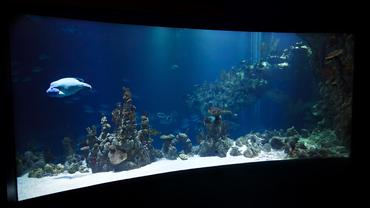
Hobbyists running a sump configuration face additional mechanical challenges. Placed inside a closed cabinet under the display, heaters in sumps are efficient at keeping equipment out of sight, but they require proper chamber selection. If placed in a low-flow return chamber or a stagnant baffle area, the heater heats only the small local water volume around its element. This causes its internal thermostat to register target temperatures and shut off prematurely while the main display tank above stays cold. Always position heaters in high-flow areas—such as directly in the main skimmer chamber or near the primary baffle intake—and maintain generous circulation throughout the display using multi-directional wavemakers.
4. Salt Creep, Stray Voltage, and Physical Equipment Damage
The marine environment presents physical and chemical challenges that freshwater setups never encounter. Highly concentrated saltwater conducts electricity far more efficiently than fresh water, increases equipment corrosion rates, and forms stubborn mineral crusts known as salt creep.
As water evaporates from the aquarium surface, salt deposits accumulate along heater power cords, probe mounts, and control modules. Salt creep acts as a wick, drawing moisture upward into electrical outlets, power strips, and internal housing, which leads to short circuits, tripped GFCI outlets, or localized fire hazards. Additionally, cracked glass heater tubes or deteriorating rubber seals can leak stray electrical voltage directly into the water column. While fish can tolerate minor stray voltage due to a lack of ground path, touching the water can give aquarists a sharp shock. Stray voltage also induces chronic neurological stress in sensitive marine life, contributing to conditions like Head and Lateral Line Erosion (HLLE) in Tangs and Angelfish.
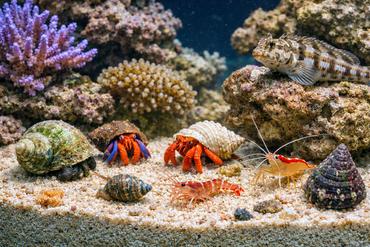
Physical damage to heating elements is another frequent issue in saltwater aquariums. Glass heaters exposed during routine water changes can crack instantly from thermal shock if left plugged in while dry. Larger, muscular marine animals—such as the Peacock Mantis Shrimp (Odontodactylus scyllarus), large Hermit Crabs, or abrasive Urchins—can crack glass casings or dislodge heater suction cups, pushing the unit into fine substrate where it overheats and fractures. Switching to shatterproof titanium heaters or heavy-duty plastic guards provides added protection in aggressive or active saltwater displays.
5. Species Compatibility and Temperature Care Considerations
Designing a thriving marine ecosystem requires aligning the thermal tolerances of your fish, corals, and invertebrates. While most tropical saltwater species share a standard temperature range, individual tolerances vary across different ocean regions and natural reef depths.
Understanding these specific requirements will help you maintain stability across your display:
- Standard Tropical Reef Species: Popular choices like the Green Chromis (Chromis viridis), Royal Gramma, and Bicolor Blenny (Ecsenius bicolor) thrive in a stable range of 76°F to 78°F (24°C–26°C). Keeping temperatures inside this window optimizes metabolism, digestive speed, and immune response.
- SPS and Sensitive Corals: Small Polyp Stony corals (Acropora, Seriatopora, Pocillopora) require tight thermal control with minimal daily fluctuation. Temperatures exceeding 81°F (27°C) cause severe thermal stress, prompting corals to expel their symbiotic algae (zooxanthellae) and leading to coral bleaching or total tissue necrosis.
- Subtropical and Deep-Water Species: Species from deeper reefs or subtropical waters, such as the Catalina Goby (Lythrypnus dalli) or certain deep-water Anthias, require significantly lower temperatures (68°F–72°F). Housed at standard reef temperatures, their metabolic rates surge, causing chronic exhaustion and drastically shortening their lifespan.
- Invertebrate Vulnerabilities: Invertebrates like the Bubble-Tip Anemone (Entacmaea quadricolor) and Blood Red Fire Shrimp (Lysmata debelius) react poorly to rapid temperature shifts. Thermal swings can cause anemones to deflate, detach from rockwork, and drift into powerhead intakes.
For more detailed stocking strategies, explore our comprehensive guide on running a successful Saltwater Aquarium, check out our deep-dive into equipment options in our Visi-Therm Heaters guide, or read our essential tips on maintaining proper water parameters in our Aquarium Temperature Guide.
Key Takeaways for Safe Marine Heating
Preventing heating failure in a saltwater tank requires a combination of reliable equipment, proper redundancy, and regular maintenance. By taking a proactive approach, you can protect your livestock from dangerous temperature shifts.
To keep your marine tank's thermal profile safe and stable, follow this maintenance checklist:
- Daily Checks: Inspect your digital display thermometer or temp controller daily. Verify that heating indicator lights match current water conditions.
- Monthly Cleaning: Wipe down heater tubes, probes, and cords during routine maintenance to remove salt creep and coralline algae buildup.
- Annual Replacement: Replace standard bimetallic glass heaters every 12 to 18 months, even if they appear functional, to prevent internal contact failure.
- Install Fail-Safes: Pair heaters with an external temperature controller and split total wattage across two units.
Want to see how other hobbyists structure their sump layouts, heater placements, and marine setups? Browse our extensive gallery of member-submitted aquariums on RateMyFishTank.com, leave a vote, or upload photos of your own saltwater display to get feedback from our community!


MOST RECENT ARTICLES