FOAM BUILD-UP ON SALTWATER TANK SURFACE

Understanding the Chemistry: Why Foam Forms in Saltwater Systems
To effectively address surface foam, it is necessary to understand how the chemical properties of saltwater interact with organic waste. Marine aquariums operate under vastly different physical and chemical principles than freshwater setups. The presence of dissolved sodium chloride and other trace minerals alters how water molecules bind together, directly influencing surface tension, gas absorption, and bubble longevity.
Saltwater has a significantly higher surface tension and density than freshwater. When air is introduced into the water column—whether through powerheads, wavemakers, drains, or return nozzles—it forms microscopic bubbles. In pure saltwater, these bubbles quickly pop upon reaching the surface. However, when the water column contains dissolved organic compounds (DOCs), the dynamic changes entirely. Dissolved organic compounds are complex proteins, fatty acids, amino acids, and carbohydrates derived from biological waste, unconsumed food, sloughed coral mucus, and decaying matter.
DOC molecules are amphipathic, meaning they possess both hydrophobic (water-repelling) and hydrophilic (water-attracting) ends. The hydrophobic tail of the protein molecule naturally aligns itself toward the air inside a microbubble, while the hydrophilic head remains in the saltwater. As millions of microbubbles rise through the water column, they sweep up these organic compounds, coating the outside of each bubble with a protein layer. When these waste-laden bubbles reach the surface, the high surface tension of the marine water prevents them from popping immediately. Instead, they stack on top of one another, forming a persistent, dense foam film across the top of your display.
This identical physical principle is what makes protein skimmers so effective at removing organic waste from reef systems. However, when foam begins accumulating inside the display tank rather than within a dedicated skimmer collection cup, it indicates that organic compounds are accumulating faster than your mechanical, chemical, and biological filtration can process them.
The Primary Causes of Surface Foam Accumulation
While high levels of dissolved organics are the core driver of surface lather, several specific daily practices, equipment failures, and environmental conditions can trigger or exacerbate the issue in a marine aquarium. Identifying the precise cause requires evaluating your maintenance routine, filtration capacity, and water circulation patterns.
The primary causes behind persistent foam build-up include:
- Excessive Dissolved Organic Compounds (DOCs): Accumulated organic matter from decaying fish waste, unconsumed frozen foods, dead plant or algae tissue, and coral sloughing releases massive amounts of proteins into the water column.
- Inadequate Surface Agitation and Circulation: Stagnant water at the top of the display allows organic compounds and oils to collect in a motionless layer. Without surface motion to push these compounds toward overflow teeth or skimmer intakes, they bubble up into thick foam directly beneath your aquarium lights.
- Overfeeding and Poor Food Preparation: High-protein fish foods, particularly unrinsed frozen foods like mysis shrimp, brine shrimp, and reef roe, release heavy concentrations of fats and liquids directly into the water column during feeding sessions.
- Dosing Additives, Water Conditioners, and Epoxies: Certain synthetic reef supplements, slime-coat restorers, fish medications, and two-part epoxy putties used for mounting coral frags drastically alter surface tension. Epoxy putty, in particular, is notorious for causing intense, uncontrollable foaming that can last anywhere from 12 to 48 hours.
- Protein Skimmer Malfunctions or Incorrect Tuning: A protein skimmer that is undersized, clogged with bio-sludge, or improperly adjusted will fail to remove DOCs efficiently. If the skimmer neck is coated in thick waste, foam production stalls, leaving organic proteins trapped inside the main display.
- Dirty Mechanical Filtration Media: Leaving filter socks, poly-fill pads, or roller mat fleece unchanged for extended periods forces water to constantly pass through decaying organic sludge. This process continuously leaches concentrated proteins back into the circulation system.
- Poor Quality Source Water: Tap water contains heavy metals, chloramines, phosphates, and dissolved solids that disrupt water chemistry and boost organic foam production.
Why Surface Foam Threatens Marine Tank Health
A layer of surface foam is far more than a simple visual inconvenience; it actively impairs fundamental chemical, physical, and biological processes required to keep marine life alive. In a closed aquarium environment, the surface of the water acts as the primary lungs of the system, facilitating gas exchange and allowing light to penetrate into the lower depths.
When a dense film of foam or organic scum covers the surface, it creates a physical barrier that restricts gas exchange. Gas exchange is the process by which atmospheric oxygen ($O_2$) dissolves into the water column while carbon dioxide ($CO_2$) escapes out into the surrounding room. When this boundary layer is smothered by organic foam, oxygen levels begin to drop, and dissolved carbon dioxide accumulates in the water.
The accumulation of carbon dioxide directly impacts the carbonic acid equilibrium of your tank, driving down the overall pH and reducing alkalinity stability. Rapid pH drops cause severe osmotic stress in marine organisms, weakening their immune systems and making them vulnerable to secondary bacterial infections or parasitic outbreaks such as marine ich (Cryptocaryon irritans) and marine velvet (Amyloodinium ocellatum).
Additionally, a thick coating of surface foam acts as a diffuser that blocks and scatters light emitted from your reef lighting fixtures. Photosynthetic invertebrates—such as stony corals, soft corals, clams, and anemones—rely on specific light intensities and wavelengths to drive photosynthesis in their symbiotic algae (zooxanthellae). Reduced light penetration stalls coral growth, causes color fading, and can trigger tissue necrosis in delicate species.
Finally, if the organic compounds creating the foam are allowed to decompose within the display, heterotrophic bacteria will rapidly break them down into toxic ammonia ($NH_3$), nitrites ($NO_2^-$), and nitrates ($NO_3^-$). High nitrate levels, paired with elevated phosphates ($PO_4^{3-}$), degrade water parameters and fuel explosive outbreaks of nuisance microalgae, hair algae, and cyanobacteria.
Diagnostic Walkthrough: Pinpointing the Root Cause
Resolving surface foam requires a methodical approach to determine whether the issue stems from mechanical equipment failure, chemical inputs, or improper maintenance habits. Follow these diagnostic steps to identify the source of the problem in your system:
- Step 1: Check Your Protein Skimmer Operation: Inspect the skimmer's reaction chamber and collection cup. Is the skimmer producing a steady, dark waste liquid (skimmate), or has foam production stopped entirely? If the skimmer neck is caked in dark brown sludge, clean it immediately. A dirty neck prevents bubbles from rising into the cup, leaving organic compounds in the water column. Also check the venturi air intake valve for calcium or salt creep blockages that starve the unit of air. Learn more about hardware maintenance in our guide on preventing fish entrapment behind filters and decorations.
- Step 2: Inspect Surface Agitation and Overflow Weirs: Observe the top layer of water in your display tank. Are there stagnant corners where oily slicks or foam gather without moving? Look at your overflow box teeth or surface skimmer grates to ensure they are free of algae, macroalgae fronds, or crawling snails that restrict surface water intake.
- Step 3: Track Recent Additions and Maintenance Activities: Did you recently add coral mounting epoxy, perform a water change with a new salt brand, or dose a fish medication? Chemical additives are the leading cause of sudden, unexpected foam outbreaks in mature aquariums.
- Step 4: Audit Mechanical Filter Media: Pull out your filter socks, sponge pads, or fleece rolls. If mechanical media smells sour or is coated in dark organic detritus, it is overdue for replacement or washing.
- Step 5: Test Key Water Parameters: Use reliable liquid test kits or digital colorimeters to check your system's ammonia, nitrite, nitrate, phosphate, pH, and alkalinity levels. Elevated nutrient readings confirm that organic waste accumulation is outpacing your system's biological processing capacity.
Livestock, Bio-Load, and Compatibility Considerations
Managing organic waste and surface foam requires careful evaluation of your aquarium's bio-load, feeding regimens, and species compatibility. Every animal added to a marine system contributes to the overall organic load, but species differ dramatically in waste output, dietary requirements, and sensitivity to degraded water quality.
When selecting livestock and managing bio-load, keep these species-specific factors in mind:
- High Waste Producers (Heavy Bio-Load Species): Predatory, large, or fast-metabolizing species generate substantial amounts of organic waste through digestion and unconsumed food fragments. Fish such as the Snowflake Eel (Echidna nebulosa), Volitan Lionfish (Pterois volitans), Niger Triggerfish (Odonus niger), and active Tangs like the Yellow Tang (Zebrasoma flavescens) require heavy feeding and generate significant organic waste. Systems housing these species require oversized protein skimmers, high-volume surface overflows, and frequent water changes to prevent surface foam accumulation.
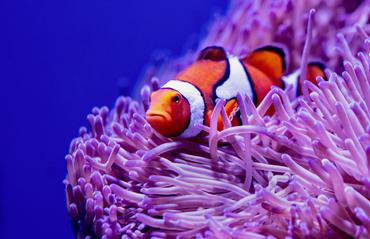
- Sensitive Reef Inhabitants: Invertebrates and delicate reef fish have very low tolerance for reduced oxygen levels and parameter shifts caused by surface organic films. Invertebrates like Cleaner Shrimp (Lysmata amboinensis), Harlequin Shrimp (Hymenocera picta), Bubble Tip Anemones (Entacmaea quadricolor), and sensitive SPS corals such as Acropora species quickly contract their polyps, lose coloration, or suffer tissue loss when surface gas exchange is hindered.
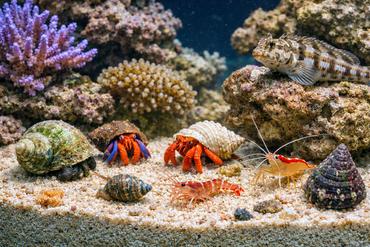
- Targeted Cleanup Crew Species: Building a diverse cleanup crew helps break down solid detritus before it dissolves into organic proteins. Benthic invertebrates like Astraea Snails (Astraea tecta), Nassarius Snails (Nassarius vibex), Blue-Legged Hermit Crabs (Clibanarius tricolor), and Fighting Conchs (Strombus alatus) actively consume uneaten food, decaying plant material, and organic settled waste on rocks and substrate.
- Species System Requirements: Match your filtration strategy to your tank type. A Fish-Only With Live Rock (FOWLR) system housing large predators requires aggressive mechanical filtration and heavy surface skimming, whereas a dedicated reef system demands precise nutrient management to keep organic compounds low without completely starving delicate corals. As your livestock grows, refer to our step-by-step tutorial on when and how to upgrade to a larger tank.
Step-by-Step Solutions to Eliminate Surface Foam
Once you have diagnosed the primary drivers of surface foam in your setup, apply these practical remedies to remove accumulated organics, restore gas exchange, and prevent future foam formation.
- 1. Optimize Surface Movement with Powerheads: Position at least one wavemaker or powerhead close to the water line, angling the flow slightly upward. This creates constant surface ripples that break up organic slicks, prevent foam accumulation, and force floating waste toward your overflow box or surface skimmer intakes. Aim for total tank turn-over rates of 20x to 40x tank volume per hour in FOWLR systems, and 30x to 70x per hour in reef displays.
- 2. Deep Clean and Recalibrate Your Protein Skimmer: Turn off your protein skimmer, remove the collection cup, and clean the riser neck thoroughly with warm water and a soft sponge. Inspect the venturi air intake and clean out any calcium deposits or salt creep using a small brush or vinegar soak. Once reassembled, adjust the internal gate valve or water outlet height so the wet foam line sits precisely at the base of the collection cup neck.
- 3. Implement Active Surface Skimming: If you run an all-in-one (AIO) aquarium or a traditional glass tank without a sump, install an internal or hang-on-back surface skimmer. These units continuously draw water directly off the top millimeter of the water column, pulling surface oil, dust, and foam directly into filter media before it can collect in the display.
- 4. Perform Surface-Targeted Water Changes: Execute a 15% to 20% water change using pure reverse osmosis/deionized (RO/DI) water mixed with a balanced marine salt mix. When siphoning water out during the water change, hold the siphon intake partially at the water line to skim the foam and slick directly off the surface.
- 5. Deploy High-Grade Activated Carbon: Activated carbon is exceptionally effective at removing dissolved organic compounds, heavy metals, yellowing water pigments, and chemical toxins through adsorption. Place premium bituminous or lignite activated carbon in a mesh media bag within a high-flow sump baffle, or run it inside a dedicated media reactor. Replace the carbon every 3 to 4 weeks to maintain peak adsorption capacity.
- 6. Establish Routine Mechanical Filter Maintenance: Rinse or replace mechanical filter media—such as filter socks, poly-floss pads, and sponge blocks—every 3 to 4 days. Frequent changing prevents trapped waste from decomposing in high-flow areas and flooding the water column with dissolved proteins.
- 7. Modify Food Preparation and Feeding Protocols: Avoid dumping frozen food thaw-water directly into your aquarium. Thaw frozen cubes in a small container of tank water, pour the mixture through a fine-mesh net to drain off the liquid packing juice, and feed only the solid food items to your fish. Feed smaller portions once or twice daily, ensuring all food is fully consumed within two minutes.
Common Beginner Mistakes to Avoid
When attempting to resolve surface foam quickly, aquarists often resort to quick fixes or improper maintenance techniques that exacerbate parameter instability or harm their livestock. Avoid these common mistakes:
- Using Tap Water for Mixing Salt or Topping Off: Tap water contains high levels of dissolved minerals, silicates, phosphates, and chloramines that destabilize marine water chemistry and fuel organic nutrient blooms. Always use an RO/DI system producing water with 0 TDS (Total Dissolved Solids) for salt mixing and top-offs.
- Relying on Chemical Anti-Foaming Products: Over-the-counter defoamer liquids provide a temporary cosmetic quick-fix by breaking surface tension, but they do not remove dissolved organic compounds from the system. Once the chemical breaks down, the foam returns, and the added chemicals can interfere with skimmer function and stress sensitive corals.
- Shutting Off Wavemakers or Skimmers at Night: Turning off wavemakers or skimmers overnight to reduce ambient noise severely starves the aquarium of oxygen. During dark hours, corals and macroalgae consume oxygen and release carbon dioxide through respiration. Cutting off surface agitation overnight causes severe oxygen depletion and extreme pH drops.
- Over-dosing Coral Epoxies and Putties: Applying large quantities of two-part epoxy putty all at once triggers extreme protein skimmer overflowing and heavy display foaming. When mounting frags, use small amounts of putty combined with cyanoacrylate super glue gel, or apply epoxy in small batches over several days.
- Ignoring Saltwater Specific Gravity and Salinity: Mixing saltwater to an incorrect specific gravity alters surface tension and gas solubility. Maintain stable salinity between 1.024 and 1.026 specific gravity (33 to 35 ppt) using a calibrated optical refractometer or digital salinity pen.
Long-Term Maintenance Strategy for Surface Clarity
Preventing surface foam from returning requires establishing a consistent, structured maintenance schedule that balances nutrient inputs with mechanical and biological nutrient removal. By integrating simple daily, weekly, and monthly habits, you can keep your marine display free of organic slicks and maintain high water clarity year-round.
Here is a practical maintenance schedule tailored for long-term surface water management:
- Daily Tasks:
- Inspect surface agitation to ensure powerheads are directing flow across the water line.
- Check the protein skimmer collection cup level and confirm the foam neck is operating correctly.
- Observe fish feeding behavior and ensure no unconsumed food settles into dead spots.
- Weekly Tasks:
- Empty and thoroughly clean the protein skimmer collection cup and internal neck.
- Replace or thoroughly rinse mechanical filter socks, sponges, or poly-floss pads.
- Wipe down overflow teeth and surface skimmer grates to remove algae build-up.
- Test pH, alkalinity, nitrate, and phosphate levels to monitor organic loading.
- Bi-Weekly or Monthly Tasks:
- Perform a 15% to 20% surface-skimming water change using fresh RO/DI saltwater.
- Replace activated carbon in your media reactor or filter bag.
- Remove wavemakers, powerheads, and skimmer feed pumps to soak in citric acid or vinegar solutions, removing coralline algae and internal calcium buildup.
Summary and Final Takeaways
Foam build-up on your saltwater tank surface is a clear warning sign that your ecosystem requires maintenance intervention. By understanding how dissolved organic compounds bind with microbubbles under high marine surface tension, you can quickly locate and correct the root causes—whether that involves increasing surface circulation, tuning your protein skimmer, deploying activated carbon, changing mechanical filter media, or refining your daily feeding routine. Keeping surface water moving continuously protects gas exchange, stabilizes pH levels, maximizes light penetration, and ensures your marine fish, corals, and invertebrates thrive in a pristine environment.
Ready to enhance your marine tank knowledge and perfect your setup? Explore our extensive library of saltwater aquarium articles on RateMyFishTank.com, share photos of your display in our community gallery, or ask a question in our forums to get tailored advice from experienced marine hobbyists!


MOST RECENT ARTICLES