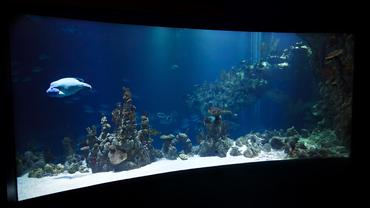
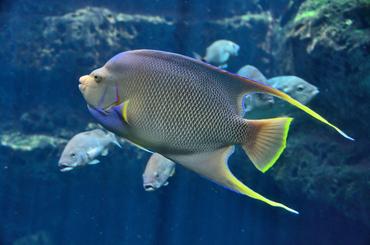
Lighting and heating are two of the most important—and often misunderstood—components of a successful saltwater aquarium. While filters and water chemistry get much of the attention, improper lighting or unstable temperatures can quickly lead to stressed fish, unhealthy corals, nuisance algae, and disappointing results. Whether you’re setting up your first marine tank or refining an existing system, understanding how lighting and heating work together is essential for creating a stable, thriving saltwater environment.
Why Lighting and Heating Matter in Saltwater Aquariums
Saltwater fish and invertebrates come from environments where light cycles and temperature remain relatively consistent year-round. Replicating these conditions in an aquarium helps reduce stress, encourages natural behavior, and supports long-term health.
Lighting affects more than just how your tank looks. It influences fish activity, coral growth, algae development, and even feeding patterns. Heating, on the other hand, ensures that tropical marine species remain within a safe temperature range, preventing immune suppression and metabolic stress.
Many beginner issues—such as fish hiding constantly, corals failing to open, or unexplained algae blooms—can often be traced back to lighting intensity, duration, or inconsistent water temperature.
Understanding Saltwater Aquarium Lighting Options
Saltwater aquarium lighting has evolved significantly over the years. Today’s hobbyists can choose from several lighting technologies, each suited to different types of marine setups.
Common lighting types include:
LED lighting – Energy-efficient, customizable, and ideal for fish-only and reef tanks.
T5 fluorescent lighting – Produces even light coverage and is popular with coral keepers.
Metal halide lighting – Extremely powerful, best suited for advanced reef systems.
For beginners, LED lighting is often the best choice. LEDs allow precise control over intensity and spectrum while producing less heat than older technologies. Many modern LED fixtures include built-in timers and reef-specific presets.
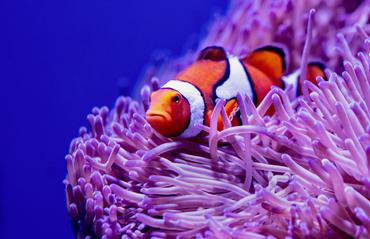
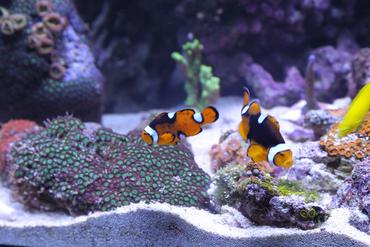
Fish-only saltwater aquariums require far less intense lighting than reef tanks. Species such as clownfish, damselfish, gobies, and wrasses primarily need light to support natural day–night cycles rather than photosynthesis.
Reef tanks, especially those housing corals like zoanthids, soft corals, or LPS corals, require stronger lighting with proper blue and actinic wavelengths. If you’re still learning the basics of marine setups, our guide on nano aquarium benefits and setup tips provides helpful context for smaller saltwater systems.
Photoperiods, Light Intensity, and Common Mistakes
One of the most common beginner mistakes is assuming that more light is always better. In reality, excessive lighting often leads to algae problems rather than healthier fish or corals.
Most saltwater aquariums perform best with a consistent photoperiod of 8–10 hours per day. Longer lighting durations rarely benefit fish and can quickly encourage nuisance algae growth.
Common lighting mistakes include:
Leaving lights on for 12+ hours daily
Using reef-strength lighting on fish-only tanks
Placing the aquarium near windows with direct sunlight
Using a timer is one of the simplest upgrades you can make. Timers ensure consistency, which is far more important than exact light intensity for most beginner and intermediate setups.
Fish such as royal grammas, firefish, and cardinalfish appreciate shaded areas and rockwork. Bright, uncovered tanks can cause these species to hide more frequently.
Saltwater Aquarium Heating: Temperature Stability Is Key
Most marine fish and invertebrates thrive within a narrow temperature range, typically between 76°F and 80°F (24–27°C). Even short-term fluctuations outside this range can stress fish and weaken their immune systems.
Unlike freshwater tanks, saltwater aquariums often contain species that are less tolerant of rapid temperature changes. Reef systems are especially sensitive, as corals rely on stable conditions to maintain their symbiotic algae.
Essential heating equipment includes:
Submersible aquarium heater rated for your tank size
Reliable thermometer for daily monitoring
Optional heater controller for added safety
A common rule of thumb is to use 3–5 watts of heater power per gallon of water. Larger tanks may benefit from two smaller heaters instead of one large unit, providing redundancy in case of failure.
For tanks located in warmer climates or rooms without air conditioning, overheating can be just as dangerous as underheating. In extreme cases, aquarium chillers or cooling fans may be necessary.
Compatibility and Care Considerations for Fish and Invertebrates
Different saltwater species have slightly different temperature and lighting preferences, making compatibility an important factor when planning your aquarium.
Fish such as clownfish, blennies, gobies, and tangs adapt well to standard reef lighting and temperatures when acclimated properly. However, some deep-water species prefer dimmer lighting and cooler, more stable environments.
Corals and invertebrates introduce additional complexity. Soft corals generally tolerate moderate lighting, while SPS corals require intense, stable lighting and pristine water conditions.
Care considerations to keep in mind:
Avoid rapid temperature changes during water changes
Match lighting intensity to the most sensitive inhabitant
Provide shaded areas using live rock and aquascaping
Temperature swings often occur during maintenance. Pre-heating saltwater before water changes helps prevent shock. If you’re new to water quality management, reviewing the fish tank cycling process will help you understand how stability impacts marine life.
Real-World Setup Tips and Long-Term Success
Successful saltwater aquariums rarely rely on expensive equipment alone. Consistency, observation, and gradual adjustments matter far more than chasing perfect numbers.
In real-world setups, hobbyists often run into issues after upgrading lighting or replacing heaters. Sudden increases in light intensity can bleach corals, while faulty heaters can overheat tanks without warning.
Practical tips for long-term success include:
Placing heaters near areas of water flow
Cleaning light fixtures regularly to prevent salt creep
Checking thermometers daily
Investing in quality equipment upfront often saves money—and livestock—in the long run.
Proper oxygenation also plays a role in temperature and lighting efficiency. You can learn more by reading our guide to properly aerating your aquarium, which explains how gas exchange affects fish health.
Final Takeaway: Building a Stable Saltwater Environment
Saltwater aquarium lighting and heating are foundational elements that directly influence fish health, coral growth, and overall tank stability. Choosing the right lighting for your tank type, maintaining consistent photoperiods, and ensuring stable water temperatures will prevent many of the most common beginner problems.
Rather than aiming for complexity, focus on reliability and consistency. Match your equipment to your livestock, monitor conditions regularly, and make changes gradually. For more practical advice, equipment reviews, and beginner-friendly guides, explore the full library of articles on RateMyFishTank.com and continue building a saltwater aquarium you can enjoy for years to come.
In the high-stakes world of saltwater and reef keeping, the rockwork—often referred to as the "aquascape"—is the literal and figurative foundation of your entire ecosystem.
Lighting a reef aquarium is one of the most exciting yet intimidating milestones for any marine hobbyist, marking the transition from a simple fish-only setup to a living, photosynthesizing underwater ecosystem.
Every aquarium hobbyist, whether a complete beginner establishing a first desktop display or an experienced aquascaper managing a heavily planted setup, eventually comes face-to-face with an unsightly algae bloom.
Every aquarium keeper eventually battles the dreaded nitrate buildup, relying on endless water changes, gravel vacuuming, and heavy filter maintenance to keep water parameters safe for their fish.
Every saltwater hobbyist remembers the thrill of introducing their first piece of live rock or colorful coral fragment into a brand-new home reef aquarium.
If you’ve ever stood in front of a wall of aquarium food bags and jars wondering what products actually deliver on nutrition for your saltwater fish, you’re not alone.
Starting a saltwater aquarium is often viewed as the "final frontier" of the fishkeeping hobby, a complex endeavor reserved for those with years of experience and deep pockets.
AQUARIUM LIGHTING
The aquarium lighting system you choose for your tank will not only affect your tanks appearance but its performance as well. The articles in this category will help you choose the right system for your tank and will provide you with the information you need to make the most of your aquarium lighting.
Lighting a reef aquarium is one of the most exciting yet intimidating milestones for any marine hobbyist, marking the transition from a simple fish-only setup to a living, photosynthesizing underwater ecosystem.
The allure of the ocean is undeniable, and bringing a slice of that mysterious, vibrant world into your home through a saltwater aquarium is one of the most rewarding challenges a hobbyist can undertake.
Transitioning from freshwater fishkeeping to setting up a marine aquarium is one of the most rewarding milestones in the hobby, bringing vibrant coral reefs and strikingly colorful marine life directly into your living space.
Embarking on the journey of setting up a new aquarium is one of the most rewarding experiences a hobbyist can have, yet it is also the phase where the most critical, and often avoidable, mistakes are made.
Diving into the world of fishkeeping is an incredibly rewarding journey, but before you pick out your first tank or fall in love with a specific species, you face a foundational crossroads: saltwater versus freshwater.
Brackish water aquariums occupy a fascinating middle ground between freshwater and saltwater ecosystems, representing the dynamic coastal estuaries, mangrove swamps, and tidal river mouths where river currents meet the ocean[cite: 1].
Transitioning into the marine side of the aquarium hobby is an exhilarating step, but the shimmering clarity of a pristine reef tank starts long before your first clownfish or royal gramma enters the display.
Setting up your first aquarium—or upgrading a thriving community tank—is an exciting journey, but maintaining crystal-clear water and healthy livestock can quickly become overwhelming without the right gear.
Saltwater aquariums offer some of the most visually striking and rewarding experiences in the fishkeeping hobby, but choosing the right type of marine tank is critical to long-term success.
While most marine aquarium hobbyists spend their days admiring the vibrant colors and frantic activity of their fish under bright reef lights, a secret world wakes up just as the sun goes down.
Setting up a saltwater aquarium is often viewed as the pinnacle of the fish-keeping hobby, offering access to neon-colored corals and some of the most charismatic marine life on the planet.
If you have ever stood on a tropical beach and watched the rhythmic surge of the tide or the powerful crash of waves against a coral head, you have witnessed the lifeblood of the ocean in action.
Embarking on the journey of a saltwater aquarium is an exhilarating endeavor that brings a slice of the ocean’s vibrant mystery into your living room, yet it often comes with a steep learning curve that can frustrate even the most dedicated hobbyists.
Reef tanks are often described as living works of art, but behind every thriving coral reef aquarium is a consistent and well-planned maintenance routine.
Marine fungus — that cottony, white, or gray growth on your fish’s body, fins, or mouth — can be one of the most frustrating problems for saltwater aquarium hobbyists, especially when it appears out of nowhere.
Starting a saltwater or reef aquarium is one of the most rewarding journeys a hobbyist can undertake, but the bridge between a glass box of water and a thriving marine ecosystem is a critical process known as "the cycle.
For many aquarists making the exciting leap from freshwater to marine setups, water parameters can quickly feel like a confusing maze of shifting chemical terms.
Every aquarium keeper, whether maintaining a 10-gallon desktop tank or a 125-gallon display, quickly learns that water clarity does not equal water quality.
Maintaining a thriving marine environment requires careful attention to water chemistry, and few parameters are as critical—or as frequently misunderstood—as pH.
Starting a saltwater aquarium is one of the most rewarding endeavors a fish hobbyist can embark upon, offering a vibrant window into the complex, mesmerizing world of marine life.
Few things match the sudden jolt of panic a saltwater hobbyist feels upon hearing a sharp, metallic clicking sound echoing from their aquarium late at night.
Building a successful reef aquarium is one of the most rewarding pursuits in the fishkeeping hobby, transforming a simple glass tank into a vibrant, living slice of the ocean right in your home.
A nano reef aquarium is a small-scale marine ecosystem, typically under 30 gallons in capacity, designed to support live corals, saltwater fish, and invertebrates in a compact footprint.
Few hobbies match the captivating beauty of a thriving saltwater reef tank, where vibrant corals, energetic invertebrates, and brilliant marine fish come together to form a living piece of the ocean inside your home.
Stepping into the world of reef keeping is one of the most rewarding journeys in the aquarium hobby, transforming a simple glass tank into a vibrant, living underwater ecosystem.
If you’re excited about setting up a nano reef tank — a beautiful miniature version of a coral reef right in your living room — you’ve probably encountered a mix of great advice and confusing misinformation.
Transitioning from a fish-only saltwater tank to a vibrant reef aquarium is one of the most exciting milestones in the hobby, but it often comes with a steep learning curve and the intimidating prospect of expensive lighting upgrades.
One of the most debated questions in the reef-keeping community is whether a hobbyist should start with a small, manageable "nano" tank or dive headfirst into a massive, multi-hundred-gallon display.
In the high-stakes world of saltwater and reef keeping, the rockwork—often referred to as the "aquascape"—is the literal and figurative foundation of your entire ecosystem.
If you have ever spent time wandering along a coastal beach, you have probably noticed patches of thick, white sea foam washing up where the waves crash against the shore.
Maintaining a stable environment is one of the most critical aspects of running a successful marine aquarium, yet many hobbyists overlook the subtle threat of rising temperatures until it is too late.
Maintaining a stable marine environment is one of the most rewarding challenges in the aquarium hobby, yet heating issues remain a top cause of sudden livestock loss for beginner and intermediate saltwater aquarists.
Walking up to your marine display only to find a layer of thick, white, or yellowish foam gathering across the surface can be an unsettling sight for both beginner and experienced hobbyists.
If you have ever stared into a marine aquarium suffering from an uncontrollable algae bloom or wondered why your delicate corals refuse to expand, the answer often hides right in your tap water.
Maintaining a vibrant, thriving marine aquarium requires far more than balancing salinity and setting up high-end lighting; it demands a deep understanding of the diverse nutritional needs of your livestock.
Maintaining a vibrant, thriving saltwater aquarium is one of the most rewarding pursuits in the fishkeeping hobby, yet many aquarists discover that keeping marine life healthy requires far more than pristine water parameters and high-end lighting.
Transitioning from a basic freshwater setup to a vibrant marine aquarium is an exhilarating step for any hobbyist, but keeping saltwater species healthy requires a sharp focus on proper nutrition.
Culturing your own live foods is one of the most effective ways to upgrade your fishkeeping routine, and learning how to raise brine shrimp (Artemia) is by far the easiest place to start.
Maintaining a vibrant saltwater aquarium is one of the most rewarding endeavors in the fishkeeping hobby, yet few experiences are as disheartening as watching a prized fish succumb to a preventable illness.
Every experienced saltwater hobbyist remembers the stomach-drop moment of shining a flashlight into their tank after lights-out, only to find their prized Yellow Tang or pair of Clownfish looking as if they have been dusted with coarse table salt.
Every aquarist eventually faces that stomach-dropping moment: you walk up to your display tank with a handful of flake food, only to notice your favorite Neon Tetra dusting itself against the gravel, or your Betta sitting on the substrate with frayed, pale fins.
Creating a thriving community aquarium is perhaps the most rewarding endeavor in the fish-keeping hobby, offering a dynamic window into an ecosystem where diverse species coexist in a delicate biological balance.
Creating an underwater landscape that is both visually stunning and biologically stable is one of the most rewarding milestones for any aquarium enthusiast.
Starting a new saltwater aquarium is one of the most exciting ventures a fish enthusiast can undertake, but navigating the setup process requires patience, dedication, and a solid understanding of biological filtration.
Live rock is widely considered the beating heart of a thriving saltwater aquarium, functioning as both a natural biological filter and the structural foundation for your marine aquascape.
If you’ve ever peered into a vibrant reef aquarium and watched a pair of clownfish dart in and out of a swaying anemone, you understand why these charismatic fish are among the most beloved in the hobby.
With their delicate, disk-like bodies and intricate color patterns, Butterflyfish are often the first species that come to mind when people envision a vibrant coral reef.
For many saltwater aquarium enthusiasts, tangs are the crown jewels of the reef tank: dazzling colors, active personalities, and a knack for keeping nuisance algae in check make these fish stand out in the marine hobby.
Sea anemones are among the most captivating inhabitants of reef aquariums, offering vibrant color, dynamic movement, and an interactive presence that few other invertebrates can match.
The transition from a freshwater setup to a marine environment is often described by hobbyists as moving from black-and-white television to high-definition color.
Seahorses are undeniably among the most mesmerizing creatures in the entire marine realm, charming aquarium enthusiasts with their prehensile tails, upright posture, expressive eyes, and graceful, deliberate movements.
When hobbyists talk about setting up a successful marine aquarium, colorful reef fish like Ocellaris Clownfish and vivid corals usually take center stage, but behind every pristine reef environment is an unsung hero working tirelessly around the clock: the humble saltwater snail.
Entering the marine aquarium hobby often begins with a single moment of awe: watching a vibrant yellow tang glide past a rich reef backdrop or seeing the electric violet and gold hues of a royal gramma flash through live rock.
Adding a sea urchin to your saltwater aquarium is one of the most effective and fascinating ways to tackle nuisance algae while introducing a truly captivating invertebrate to your marine ecosystem.
Known for their vibrant coloration, sleek aerodynamic profiles, and tireless activity, tangs—also commonly referred to as surgeonfish—are among the most iconic inhabitants of the marine aquarium hobby.
Transitioning into the vibrant realm of marine aquariums is one of the most rewarding journeys a fishkeeper can undertake, yet stocking a reef or fish-only tank often presents a frustrating challenge when relying solely on local fish stores.
Building a thriving saltwater aquarium is one of the most rewarding milestones in the fishkeeping hobby, but transitioning into the world of live corals introduces an entirely new set of rules.
Starting a saltwater aquarium is one of the most rewarding journeys in the fish-keeping hobby, but it does not take long for a beautiful new setup to face its first major challenge: the inevitable algae bloom.
The allure of a saltwater aquarium is undeniable, offering a window into a world of electric neons, intricate behaviors, and some of the most fascinating biological relationships on the planet.