PREPARING SALTWATER FOR YOUR MARINE TANK

The Foundation: Tap Water vs. RO/DI Water
The biggest mistake beginner marine hobbyists make is using municipal tap water mixed with synthetic sea salt. Tap water contains dissolved minerals, heavy metals, chlorine, chloramines, silicates, and nitrates. While freshwater fish like guppies or cichlids may tolerate these trace elements, marine life is far more sensitive. In a reef setting, phosphates and silicates from tap water trigger relentless nuisance algae outbreaks—such as hair algae, diatoms, and cyanobacteria—that can quickly smother live rock and corals.
To establish a clean baseline, you must start with zero Total Dissolved Solids (TDS) water. A multi-stage Reverse Osmosis/Deionization (RO/DI) filtration system strips tap water down to its purest form. By starting with pure RO/DI water, you ensure that every mineral present in your tank comes exclusively from your synthetic salt mix. If purchasing an in-home RO/DI unit is not immediately feasible, you can buy bulk RO/DI water from your local fish store or purchase distilled water in food-grade jugs.
Essential Equipment for Mixing Marine Saltwater
Mixing saltwater requires dedicated equipment reserved strictly for aquarium use. Using household buckets that have contained detergents or cleaning agents can introduce toxic chemical residues into your marine tank. Assemble the following mixing station essentials before you begin:
- Food-grade mixing container: A heavy-duty, food-safe plastic bucket or a dedicated 32-gallon trash container (such as a Brute container).
- Synthetic marine salt mix: Formulated sea salt designed for marine aquariums (choose a standard formula for fish-only systems or a high-calcium mix for reef tanks).
- Submersible powerhead or pump: Essential for continuous water movement to dissolve salt crystals and oxygenate the mixture.
- Submersible aquarium heater: A reliable heater to bring cold RO/DI water up to your target aquarium temperature.
- Refractometer or digital salinity tester: A temperature-compensated optical instrument for precise salinity readings.
- Floating glass thermometer: To verify that the water temperature matches your display tank prior to mixing and testing.
Step-by-Step Guide to Mixing and Aerating Your Saltwater
Preparing marine water is simple when you follow a structured process. Rushing this procedure or adding salt directly to your display tank with live inhabitants can lead to catastrophic losses. Follow these steps for a smooth, safe mix:
First, measure the exact volume of RO/DI water you need and fill your dedicated mixing container. Never add salt powder to an empty bucket and pour water over it, as the concentrated slurry can cause essential calcium and carbonate minerals to precipitate out of solution as insoluble white dust.
Second, install your submersible heater and powerhead inside the container. Turn them on to begin circulating and warming the pure water. Warming the water to approximately 77°F to 79°F (25°C to 26°C) is crucial because the solubility of sea salt depends on water temperature, and accurate salinity measurement requires temperature control.
Third, slowly add the synthetic salt mix while the powerhead actively churns the water. As a general rule of thumb, most commercial salt brands require roughly 1/2 cup of salt powder per gallon of water to achieve a standard specific gravity of 1.025. Add about 80% of the calculated salt first, allow it to mix thoroughly, and then fine-tune with smaller additions.
Fourth, allow the freshly mixed saltwater to aerate and dissolve for at least 4 to 24 hours. While some modern salt mixes advertise fast dissolving times, allowing the mix to circulate overnight ensures that the salt fully dissolves, the pH stabilizes, and oxygen levels equalize. Freshly dissolved salt can contain caustic compounds that irritate delicate fish gills and coral tissue if used immediately.
Measuring and Adjusting Salinity with Precision
Salinity refers to the concentration of dissolved salts in water. In the marine hobby, salinity is commonly measured as Specific Gravity (SG) or in Parts Per Thousand (PPT). Natural seawater maintains a specific gravity around 1.026 SG (35 PPT). For a Fish-Only with Live Rock (FOWLR) system, a range of 1.020 to 1.024 SG is acceptable, while a thriving reef tank containing corals and invertebrates demands a stable 1.025 to 1.026 SG.
While inexpensive plastic swing-arm hydrometers are widely available, they are notoriously inaccurate due to micro-bubbles adhering to the inner swing arm. Invest in an optical refractometer or a calibrated digital salinity pen. To use a refractometer correctly, calibrate it with pure RO/DI water (or dedicated calibration fluid), wipe the prism clean, place a drop of water on the glass, and look through the eyepiece toward a bright light source.
If your reading is too low, sprinkle in a small amount of salt mix and wait for it to circulate before retesting. If your salinity is too high, dilute the batch by adding small quantities of pure RO/DI water. Always re-measure after the temperature has stabilized at your target display temperature.
Stocking, Compatibility, and Saltwater Care Considerations
The precise salinity and water parameters you maintain directly affect the long-term health, respiration, and osmotic balance of your marine inhabitants. Rapid changes in salinity induce osmotic stress, forcing a fish's kidneys and internal organs to work overtime to balance internal fluid levels.
When selecting livestock for your aquarium, take note of how different species respond to water parameter stability and compatibility:
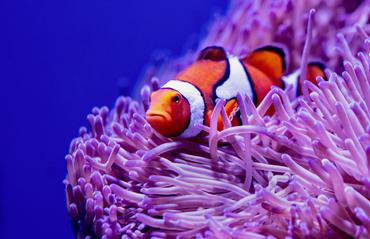
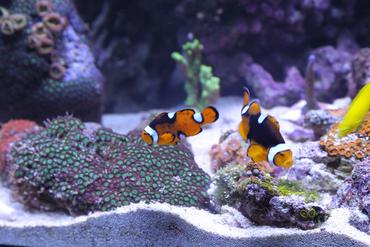
- Hardy Beginner Species: Captive-bred Ocellaris Clownfish (Amphiprion ocellaris) and the Royal Gramma (Gramma loreto) are resilient, beautifully colored species that adapt well to minor parameter fluctuations in newly established tanks. They thrive in standard salinity levels of 1.024 to 1.026 SG.
- Peaceful Community Grazers: The Lawnmower Blenny (Salarias fasciatus) and Firefish Goby (Nemateleotris magnifica) excel in community setups. Keeping water clear of silicates during your salt prep prevents the severe cyanobacteria outbreaks that threaten substrate-dwelling gobies.
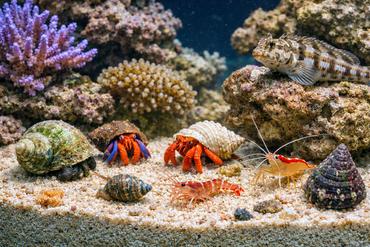
- Invertebrates and Clean-Up Crew: Invertebrates like Skunk Cleaner Shrimp (Lysmata amboinensis), Emerald Crabs (Mithraculus sculptus), and Astraea Snails have virtually zero tolerance for rapid salinity shifts. They lack complex internal organs to regulate osmoregulation quickly and require extremely gradual drip acclimation whenever new batch water is added.
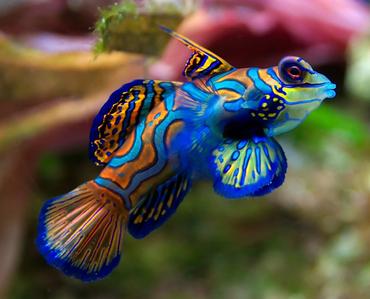
- Specialized Marine Life: Delicate species such as the Mandarin Dragonet (Synchiropus splendidus) or sensitive hard corals require rock-solid water stability, zero nitrate buildup, and optimal calcium/alkalinity levels provided by premium salt formulations.
Beyond mixing fresh saltwater for routine 10% to 20% bi-weekly water changes, remember that fresh water continuously evaporates from your display tank, leaving pure salt behind. To combat rising salinity, perform daily "top-offs" using pure, un-salted RO/DI water. Installing an Auto Top-Off (ATO) system automates this chore and keeps your display's salinity completely stable. For comprehensive advice on keeping your marine display balanced, check out our guide on essential saltwater aquarium setup and maintenance.
Avoiding Common Beginner Saltwater Prep Mistakes
Even conscientious hobbyists make simple mistakes when mixing marine water. Recognizing these common pitfalls early saves time, money, and livestock:
- Mixing salt directly in the display tank: Never dump dry salt mix into an active aquarium containing live fish, rock, or corals. Undissolved salt crystals burn delicate tissue and cause lethal osmotic shock.
- Using cold water for testing: Salinity hydrometers and refractometers are temperature-sensitive. Always bring your water up to display temperature before making final adjustments to salt amounts.
- Neglecting container maintenance: Over time, mixing buckets accumulate a white residue composed of calcium carbonate and magnesium precipitates. Clean mixing tubs periodically with plain RO/DI water or a mild vinegar solution; never use household soaps.
- Storing mixed water without circulation: If you store pre-mixed saltwater for emergency water changes, keep a small powerhead running inside the container to prevent stagnation and maintain proper aeration.
- Failing to address common setup blunders: For a deeper look into avoiding costly marine mishaps, review our breakdown of the biggest saltwater aquarium mistakes and how to fix them.
Key Takeaways and Next Steps for Marine Success
Mastering the art of mixing saltwater is a foundational skill that separates struggling aquarists from those with thriving, colorful marine ecosystems. By starting with pure RO/DI water, heating and circulating the batch, and accurately measuring salinity with a refractometer, you create a safe, stable home for your fish and invertebrates. Consistency is the single greatest secret to marine fishkeeping—keeping parameters stable ensures your livestock remains vibrant and stress-free.
Now that you know how to prepare perfect marine water, dive deeper into planning your ideal system. Explore our saltwater aquarium article library to learn about lighting requirements, protein skimmer selection, and species-specific care guides. Have a saltwater mixing setup you are proud of? Upload your aquarium build to our RateMyFishTank community gallery to share your progress and inspire fellow aquarists!


MOST RECENT ARTICLES