WHY ARE TANGS SOME OF THE BEST FISH FOR REEF TANKS?

What Makes Tangs a Great Choice for Reef Tanks?
Tangs (family Acanthuridae) are a group of marine fish known for their vibrant colors, hardy nature, and unique role in the reef ecosystem. Native to Indo-Pacific and Atlantic coral reefs, tangs are often one of the first “true reef-safe” fish hobbyists consider after clownfish and gobies. But it’s more than just their looks that earn them a spot in so many tanks.
- Active Swimmers: Tangs are constantly on the move, providing dynamic behavior that adds life and energy to any aquarium.
- Algae Eaters: In many cases, tangs help control nuisance algae, which can be a boon in reef tanks where balance is key.
- Hardy Species: Compared to many other reef fish, tangs typically tolerate a range of water conditions, making them suitable for hobbyists gaining confidence.
- Color and Variety: From the regal blue of the Blue Hippo Tang to the dramatic stripes of the Sailfin Tang, there’s a tang to suit almost every tank aesthetic.
Before diving into specific species, it’s worth understanding the role tangs play in a reef tank, particularly in relation to algae management and biological filtration.
Top Tang Species for Reef Aquariums
Not all tangs are created equal when it comes to suitability for a home reef tank. Some are better for larger systems; others are friendlier for beginners. Below are some standout choices to consider:
1. Yellow Tang (Zebrasoma flavescens)
- One of the most popular reef-safe tangs for good reason.
- Bright yellow coloration adds vibrant contrast to live rock and corals.
- Active algae grazer that helps keep hair and film algae under control.
- Typically hardy and adaptable to a range of stable water conditions.
2. Blue Hippo Tang (Paracanthurus hepatus)
- Made famous partly due to its “Finding Nemo” counterpart (though that one is a different species).
- Striking deep blue color with bold black markings.
- Requires a larger tank due to active swimming and size potential.
- A good fit in systems already established with plenty of live rock for forage.
3. Sailfin Tang (Zebrasoma veliferum)
- Large, dramatic fins and striking patterns make this a centerpiece fish.
- Excellent algae grazer, particularly in larger reef systems.
- Needs ample swimming space and stable water quality.
4. Kole Tang (Ctenochaetus strigosus)
- Smaller tang ideal for medium to large reef aquariums.
- Fine, bristle-like teeth make it an excellent detritus and film algae eater.
- Often more peaceful than some other tang species.
Each of these tangs brings something valuable to your reef tank. However, choosing the right species depends on your tank size, existing livestock, and experience level. For reef hobbyists interested in adding fish beyond tangs, check out our guides on best reef-safe fish for beginners.
Reef Compatibility: Tangs and Corals
One of the biggest concerns when adding fish to a reef tank is compatibility with corals and invertebrates. Thankfully, most tangs are considered reef-safe, meaning they won’t nip at or disturb corals when properly fed and housed in a well-maintained aquarium.
- Coral Safety: Tangs are primarily herbivores or detritivores, so they don’t actively pick at living coral tissue.
- Invertebrate Safety: Generally peaceful toward shrimp, snails, and other cleanup crew members.
- Live Rock Interaction: Tangs love grazing on microalgae on live rock, which helps maintain overall tank health.
That said, there are a few compatibility considerations you should be aware of:
- Territorial Behavior: Some tangs can display territoriality toward other tangs or similar-shaped fish, especially if introduced at the same time without adequate space.
- Space Needs: Many tangs require larger tanks (often 100 gallons or more) due to their active swimming and territorial behaviors.
- Peaceful Tankmates: Avoid housing tangs with highly aggressive fish like large triggerfish that may stress or bully them.
Learning more about general fish compatibility will help you make smart stocking decisions. Our saltwater fish compatibility chart is an excellent resource for matching tangs with other reef-friendly fish.
Care Considerations for Tangs in Reef Tanks
Caring for tangs takes commitment, but when done right, they reward you with dynamic behavior and cleaner glass and rockwork. Below are essential care considerations every reef hobbyist should understand:
Tank Size and Setup
Tangs are active swimmers and need space. A general guideline is:
- Medium Tanks (100–125 gallons): Smaller species like Kole Tangs.
- Large Tanks (125 gallons+): Larger species such as Yellow, Blue Hippo, and Sailfin Tangs.
Ample live rock is important to provide grazing surfaces and hiding spots. Ensure strong but reef-safe water flow to mimic natural ocean currents.
Water Quality
Stable water conditions are critical for tang health. Aim for:
- Temperature: 75–82°F (24–28°C)
- Salinity: 1.023–1.025 specific gravity
- pH: 8.1–8.4
- Alkalinity, Calcium, Magnesium: Within typical reef ranges
Frequent water testing and routine partial water changes help maintain stability and prevent stress-related disease.
Diet and Nutrition
While tangs eat some algae in the tank, supplemental feeding is essential:
- Seaweed/Algae Sheets: Offer daily or every other day.
- Spirulina-based Flakes/Pellets: Support overall health.
- Vegetable Matter: Chopped lettuce or zucchini (blanched) can be a useful treat.
- Occasional Meaty Foods: Some tangs benefit from small amounts of brine shrimp or mysis shrimp, though primarily herbivorous.
Consistent, nutrient-rich feeding supports vibrant coloration and robust immune systems.
Common Health Issues
Like any marine fish, tangs can encounter health issues—especially when water quality fluctuates or during acclimation:
- Marine Ich (Cryptocaryon): A common parasitic infection. Quarantine new tangs before introduction.
- Fin Nipping or Stress: Often due to poor water quality or aggressive tankmates.
- Loss of Appetite: Can be stress-related or sign of underlying disease.
A well-planned quarantine procedure with observation can prevent many of these issues before tangs enter your main display tank.
Common Beginner Mistakes When Keeping Tangs
Even experienced hobbyists stumble when keeping tangs. Beginners especially should be aware of common pitfalls to avoid frustration or loss of livestock:
- Underestimating Space Needs: Too-small tanks lead to stress and stunted growth. Bigger is almost always better with tangs.
- Inadequate Quarantine: Skipping quarantine increases the risk of introducing disease.
- Poor Nutrition: Relying solely on algae in the tank isn’t enough—tangs need varied, quality food.
- Rushing Stocking: Adding tangs too early in a newly cycled tank can expose them to unstable conditions.
Investing in proper equipment, patient acclimation, and solid tank fundamentals pays off with healthy, thriving tangs.
Compatibility with Other Fish and Invertebrates
Tangs generally play well with many reef tank species, but there are a few considerations to keep in mind to maintain a peaceful, stable aquarium:
- Peaceful Tankmates: Gobies, blennies, and small anthias are often excellent companions.
- Avoid Similar Shaped Fish: Other surgeonfish or tangs of similar body shape may lead to aggression unless the tank is very large and fish are introduced simultaneously.
- Aggressive Predators: Large triggers, some wrasses, and groupers can stress or even eat tangs; avoid pairing these with your tangs.
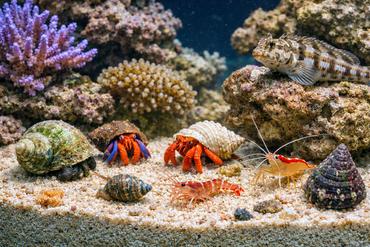
- Cleanup Crew: Tangs are typically safe with most invertebrates like snails and hermit crabs that help keep algae and detritus in check.
If you’re planning a mixed reef tank, take some time to explore our reef fish compatibility tips to make informed decisions on stocking sequences and pairing.
Conclusion: Why Tangs Shine in Reef Aquariums
Tangs are among the most rewarding fish you can add to a reef tank—but they’re not “plug-and-play.” With the right setup, diet, and tankmates, they bring vibrant color, constant movement, and natural algae control that enhances both aesthetics and ecosystem balance. Whether you start with a hardy Yellow Tang or graduate to larger species like the Sailfin Tang, these fish are a testament to the beauty and complexity of marine aquariums.
Ready to explore more? Dive into our other articles on reef-safe fish selection, tank setup strategies, and advanced care tips to build the thriving reef aquarium you’ve always wanted. Share your experiences and questions in the comments below to keep the conversation going!


MOST RECENT ARTICLES