GUIDE FOR KEEPING ANEMONES IN A REEF TANK

Guide for Keeping Anemones in a Reef Tank
Sea anemones are among the most captivating inhabitants of reef aquariums, offering vibrant color, dynamic movement, and an interactive presence that few other invertebrates can match. While they are undoubtedly beautiful and fascinating, anemones are not for every hobbyist; they require careful attention to water quality, lighting, and compatibility. This guide is designed for beginner and intermediate reef keepers who want to confidently introduce anemones into their tanks, understand their specific needs, and avoid common pitfalls that can lead to stress or premature death of these sensitive creatures.

Understanding Sea Anemones

Sea anemones are predatory cnidarians closely related to corals and jellyfish. They have stinging tentacles that serve both to capture prey and to defend themselves, making them both mesmerizing and potentially hazardous to certain tankmates. In the reef hobby, anemones are highly sought after for their symbiotic relationships with clownfish, as well as their ability to add a striking, natural aesthetic to aquariums.

Key features of anemones include:

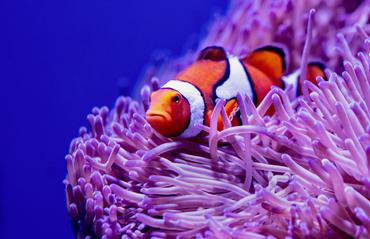
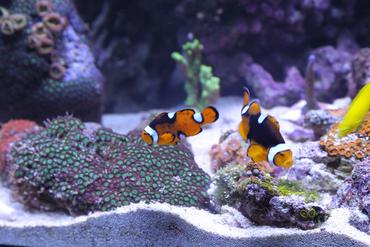
  • Ability to host clownfish species such as Ocellaris Clownfish (Amphiprion ocellaris) and Percula Clownfish (Amphiprion percula).
  • Photosynthetic abilities via symbiotic zooxanthellae, meaning they benefit from high-intensity lighting.
  • Potentially long lifespan under proper care, sometimes exceeding 20 years.
  • Highly sensitive to changes in water parameters, making stable tank conditions essential.

Understanding these basics is crucial for setting realistic expectations and ensuring that your reef tank can sustain the needs of anemones.

Choosing the Right Anemone Species for Your Tank

Not all anemones are created equal. Some species are more forgiving and suitable for beginners, while others require advanced care. Here’s an overview of popular reef tank anemones:

Bubble Tip Anemone (Entacmaea quadricolor)

Bubble Tip Anemones are one of the most popular choices due to their relatively hardy nature and compatibility with clownfish. They come in a variety of colors, including green, red, and rose, and can tolerate a range of lighting intensities.

  • Lighting: Moderate to high LED or T5 lighting.
  • Water Flow: Moderate water movement.
  • Tank Size: Minimum 30 gallons with stable water parameters.

Magnificent or Carpet Anemone (Stichodactyla gigantea and S. haddoni)

Carpet anemones are larger and more demanding than bubble tips. They require strong lighting and high water quality. Their expansive oral disk can dominate the tank space, so consider the tank size carefully.

  • Lighting: High-intensity LED or metal halide lighting.
  • Water Flow: Moderate to strong, depending on species.
  • Tank Size: 55 gallons minimum due to mobility and size.

Rock or Sebae Anemone (Heteractis magnifica)

Sebae Anemones are visually stunning but challenging for beginners. They require impeccable water quality and strong lighting. When properly cared for, they host a variety of clownfish and display excellent colors.

  • Lighting: High-intensity LED or metal halide lighting.
  • Water Flow: Moderate to strong.
  • Tank Size: 55–75 gallons recommended due to growth and movement.

Tank Setup Essentials for Anemones

Anemones demand specific tank conditions to thrive. Even hardy species like bubble tip anemones can struggle in improperly established aquariums. Here are critical setup guidelines:

Lighting Requirements

Anemones rely on symbiotic zooxanthellae to produce nutrients via photosynthesis, meaning they require strong, high-quality lighting. Consider these tips:

  • Use LED, T5, or metal halide lighting designed for reef tanks.
  • Gradually acclimate new anemones to your tank lighting to prevent bleaching.
  • Monitor color intensity — pale tentacles often indicate insufficient light.

Water Quality and Parameters

Stable water conditions are paramount. Sudden changes in salinity, temperature, or nutrient levels can stress or kill anemones.

  • Temperature: 75–80°F (24–27°C).
  • Salinity: 1.023–1.026 specific gravity.
  • pH: 8.1–8.4.
  • Nitrate: <5 ppm; Phosphate: <0.03 ppm.
  • Ammonia and Nitrite: 0 ppm.

Regular testing and small, frequent water changes help maintain these parameters. For guidance on achieving perfect reef water conditions, see our article on reef tank water parameters.

Tank Placement and Substrate

Anemones often move to find optimal lighting or flow. Provide enough open space for them to attach without harming other corals or invertebrates. Sandy substrate is preferred to allow partial burrowing, and avoid placing anemones directly on glass or against sharp rock edges.

Feeding and Nutrition

Although anemones derive some nutrition from light, supplemental feeding ensures vibrant colors and healthy growth. Feeding practices include:

  • Offer meaty foods such as brine shrimp, mysis shrimp, or chopped seafood once or twice weekly.
  • Target feeding with tongs or pipettes helps ensure the anemone captures its meal.
  • Monitor tentacle expansion — overfeeding can lead to water quality issues, while underfeeding can cause the anemone to shrink or bleach.

Combining lighting with targeted feeding promotes strong coloration and robust tentacle development, especially for species with high nutritional needs.

Compatibility and Care Considerations

Anemones are powerful tank residents and require thoughtful placement in community aquariums. Their stings can harm corals, invertebrates, and delicate fish. Key considerations include:

Fish Compatibility

  • Clownfish species, including Ocellaris and Percula, benefit from symbiotic relationships with anemones.
  • Avoid slow-moving or long-finned fish near stinging tentacles.
  • Active reef-safe fish like damselfish and tangs generally coexist well.

Coral and Invertebrate Considerations

  • Place anemones away from sensitive corals, SPS (Small Polyp Stony) corals, or soft corals prone to stinging damage.
  • Mobile anemones can dislodge rocks or spread their stings — ensure secure aquascaping.
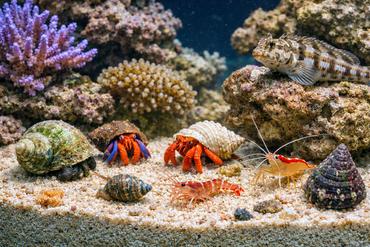
  • Invertebrates such as cleaner shrimp or hermit crabs typically remain unaffected, though close observation is recommended.

Common Beginner Mistakes

  • Introducing anemones into new tanks that haven’t cycled fully.
  • Neglecting to acclimate to lighting or water flow.
  • Feeding excessively or not monitoring water quality post-feeding.
  • Placing in inappropriate locations, causing injury to tankmates or the anemone itself.

For more on selecting compatible reef tank inhabitants, check out our guide on reef tank fish compatibility to ensure a balanced and thriving aquarium ecosystem.

Maintaining a Healthy Anemone

Keeping anemones healthy involves consistent observation and proactive care. Key maintenance tips include:

  • Monitor tentacle shape and color — shriveled or pale tentacles can indicate stress or inadequate lighting.
  • Conduct regular water testing and maintain parameters within recommended ranges.
  • Ensure proper water flow — too little can starve the anemone, while too strong can cause tissue damage.
  • Remove detritus or uneaten food near the anemone to prevent nutrient spikes.
  • Observe interactions with tankmates — some anemones may move aggressively or sting new arrivals.

Regular maintenance and observation will help you detect problems early and take corrective action before they affect the anemone’s long-term health.

Breeding and Propagation

While breeding anemones in captivity is rare and challenging, propagation through fission is possible for some species. Key points include:

  • Anemones may reproduce asexually by splitting into two smaller individuals under ideal conditions.
  • Provide a stable, nutrient-rich environment to encourage growth.
  • Monitor new individuals for stress or improper development.

Due to the complexity and slow growth rate, most hobbyists focus on maintenance and symbiotic relationships rather than breeding attempts.

Signs of a Thriving vs. Stressed Anemone

Learning to interpret anemone behavior is crucial for proactive care. Indicators of a thriving anemone include:

  • Fully extended tentacles and strong adhesion to substrate or rock.
  • Vibrant color and healthy movement in water currents.
  • Regular response to feeding and clownfish interactions.

Signs of stress or illness include:

  • Discoloration or bleaching.
  • Shrinking or deflated body.
  • Detachment or excessive movement seeking a better environment.

Immediate assessment of lighting, flow, water quality, and feeding will often resolve stress symptoms if detected early.

Conclusion: Your Path to Successful Anemone Keeping

Introducing anemones to your reef tank can dramatically enhance the beauty and activity of your aquarium, but it requires thoughtful preparation and ongoing care. By selecting the appropriate species, maintaining excellent water quality, providing proper lighting and flow, and carefully considering compatibility, hobbyists can enjoy a healthy, vibrant anemone that thrives alongside clownfish and other reef inhabitants. Avoid common mistakes such as premature introduction, improper feeding, and neglecting environmental needs to maximize success.

Anemones are both rewarding and fascinating, offering a dynamic addition to your reef ecosystem. As you expand your reef knowledge, explore related articles on reef tank maintenance and reef fish care guide to further optimize your aquarium environment. With patience, attention, and consistent care, your anemones can flourish, providing color, movement, and natural behaviors that make reef keeping endlessly rewarding.

Stocking Salt Water Reef Tanks
Stocking a saltwater reef tank is one of the most exciting yet challenging parts of the aquarium hobby.
Saltwater Fish Article Database
The transition from a freshwater setup to a marine environment is often described by hobbyists as moving from black-and-white television to high-definition color.

MOST RECENT ARTICLES

Overstocking Myths vs Reality
OVERSTOCKING MYTHS VS REALITY
Setting up a new aquarium is an exercise in restraint that many hobbyists, both beginners and seasoned veterans, find difficult to master.
Blackwater & Biotope Aquariums (Natural-Style Boom)
BLACKWATER & BIOTOPE AQUARIUMS (NATURAL-STYLE BOOM)
For decades, the gold standard of the home aquarium was a pristine, crystal-clear box of water, often decorated with neon gravel and plastic plants that bore little resemblance to the wild.
Sustainable & Ethical Fishkeeping
SUSTAINABLE & ETHICAL FISHKEEPING
Bringing a slice of the underwater world into your home is a rewarding experience, but as the hobby grows, so does our responsibility to ensure that our passion doesn’t come at the expense of the environments we admire.

Rate This Tank:

SALTWATER AQUARIUM ARTICLES

Getting Rid of Aiptasia in Your Reef Aquarium
If you’ve ever spotted small pest anemones popping up on your live rock or around your coral frags, you know the frustration of dealing with Aiptasia in a reef aquarium — tiny but tenacious, these stinging pests can quickly turn into a bigger problem if left unchecked.
Best Beginner Saltwater Fish for 2025: Easy, Colorful Species for New Reefkeepers
Starting a saltwater aquarium is often viewed as the "final frontier" of the fishkeeping hobby, a complex endeavor reserved for those with years of experience and deep pockets.
Top Commercial Foods for Saltwater Fish
If you’ve ever stood in front of a wall of aquarium food bags and jars wondering what products actually deliver on nutrition for your saltwater fish, you’re not alone.

STOCKING THE TANK

The fish you choose to stock your tank is not a decision that should be made lightly. The articles in this category will help you understand the basics of fish compatibility and will provide you with other information you need to make an informed decision when stocking your tank.

Guide for Keeping Anemones in a Reef Tank
Sea anemones are among the most captivating inhabitants of reef aquariums, offering vibrant color, dynamic movement, and an interactive presence that few other invertebrates can match.
Establishing up a Clean-up Crew in Your Saltwater Aquarium
Algae on the glass, uneaten food trapped in the sand, and detritus building up behind the rockwork are some of the most common frustrations saltwater aquarium hobbyists face.
What Are Good Saltwater Fish For Beginners
The allure of a saltwater aquarium is undeniable, offering a window into a world of electric neons, intricate behaviors, and some of the most fascinating biological relationships on the planet.
Why Are Tangs Some of the Best Fish for Reef Tanks?
For many saltwater aquarium enthusiasts, tangs are the crown jewels of the reef tank: dazzling colors, active personalities, and a knack for keeping nuisance algae in check make these fish stand out in the marine hobby.
Choosing the Right Butterflyfish for Your Reef Tank
With their delicate, disk-like bodies and intricate color patterns, Butterflyfish are often the first species that come to mind when people envision a vibrant coral reef.
Stocking Salt Water Reef Tanks
Stocking a saltwater reef tank is one of the most exciting yet challenging parts of the aquarium hobby.
Caring for Saltwater Gobies
Saltwater gobies are among the most rewarding fish you can keep in a marine aquarium—small, characterful, and endlessly fascinating to watch.
Hermit Crabs in Saltwater Tanks
Hermit crabs are often marketed as simple, “set-and-forget” cleanup crew members for saltwater aquariums, but the reality is far more nuanced.
Sea Urchins in the Saltwater Tank
Sea urchins are some of the most fascinating and misunderstood invertebrates available to saltwater aquarium hobbyists.
What's That? The Top 10 Strangest Looking Saltwater Fish
There are some odd=looking animals out there but these ten saltwater fish are among the strangest.
The Benefits of Snails in the Saltwater Tank
Maintaining a thriving saltwater aquarium is often a delicate balancing act between biology and chemistry, where even the smallest inhabitants can play a monumental role in the success of the ecosystem.
Keeping Moray Eels in the Marine Tank
Few creatures in the marine world command as much respect and curiosity as the Moray Eel.
Clownfish in the Reef Aquarium
If you’ve ever peered into a vibrant reef aquarium and watched a pair of clownfish dart in and out of a swaying anemone, you understand why these charismatic fish are among the most beloved in the hobby.
Keeping Lionfish in the Home Aquarium
Lionfish are among the most striking and instantly recognizable marine fish available to home aquarists.
Marine Shrimp for the Saltwater or Reef Tank
While fish are often the main attraction of a marine aquarium, no reef or saltwater setup is truly complete without the addition of marine shrimp.
Selecting and Caring for Saltwater Angelfish
Saltwater angelfish are some of the most colorful saltwater fish available.
The Secret to Keeping Seahorses
Keeping seahorses is often whispered about in the aquarium hobby as a feat reserved only for the most advanced experts, but the truth is that these enchanting creatures are well within the reach of dedicated beginner and intermediate keepers.
Keeping and Breeding Mandarinfish
Mandarinfish are a small, colorful species of saltwater aquarium fish.
Sea Cucumbers for Reef Tanks
Sea cucumbers are fascinating and underappreciated invertebrates that can bring both natural beauty and beneficial functions to your reef tank.
Tips for Caring for Tangs Properly
Tangs are some of the most eye-catching, active, and personality-filled fish in the saltwater hobby—but they’re also among the most misunderstood.
Understanding the Coloration of Saltwater Fish
Have you ever been dazzled by the bright colors and bold patterns of a school of saltwater fish?
Commonly Available Reef-Safe Fish & Invertebrates
Building a successful reef aquarium is a delicate balancing act that combines the art of aquascaping with the rigorous science of marine biology.
The Benefits of Purchasing Saltwater Fish Online
For many years, the only way to stock a marine aquarium was to spend your weekends driving from one local fish store to another, hoping to find a specimen that was both healthy and compatible with your current setup.
Saltwater Species That Should Not be Kept by Beginners (and Sometimes not Even by the Experienced)
The allure of a saltwater aquarium often begins with a glimpse of a creature so vibrant or bizarre that it seems to belong in a science fiction novel rather than a glass box.
Tank-Raised Fish for Saltwater Aquariums
For decades, the saltwater aquarium hobby relied almost exclusively on fish harvested directly from coral reefs across the globe.
Top Recommendations for Tank-Raised Saltwater Fish
The marine aquarium hobby is currently witnessing a silent revolution that is fundamentally changing how we stock our tanks and preserve our oceans.
Saltwater Fish Article Database
The transition from a freshwater setup to a marine environment is often described by hobbyists as moving from black-and-white television to high-definition color.
Read more articles (27) Aquarium Setup (11)
Types of Saltwater Tanks: Fish-Only, FOWLR and Reef Tanks
Saltwater aquariums offer some of the most visually striking and rewarding experiences in the fishkeeping hobby, but choosing the right type of marine tank is critical to long-term success.
Stocking a Brackish Aquarium
A brackish aquarium is an exciting challenge for the aquarium hobbyist.
Saltwater Aquariums
Saltwater Aquariums
The allure of the ocean is undeniable, and bringing a slice of that mysterious, vibrant world into your home through a saltwater aquarium is one of the most rewarding challenges a hobbyist can undertake.
How to Start a Brackish Tank
Brackish aquariums sit at the fascinating crossroads between freshwater and saltwater, offering hobbyists the chance to keep unique, hardy fish with bold personalities and striking appearances.
Saltwater versus Freshwater Aquariums
Choosing between a freshwater and a saltwater aquarium is the ultimate "fork in the road" for every aspiring aquarist, representing a decision that will dictate your daily routine, your monthly budget, and the types of aquatic life you can bring into your home.
Handy Aquarium Accessories and Devices
Setting up an aquarium is exciting, but keeping it healthy long-term is where the real challenge begins.
Tips for Keeping Nocturnal Fish in the Marine Aquarium
While most marine aquarium hobbyists spend their days admiring the vibrant colors and frantic activity of their fish under bright reef lights, a secret world wakes up just as the sun goes down.
What Are the Biggest Saltwater Aquarium Mistakes and How Do You Fix Them?
Setting up a saltwater aquarium is often viewed as the pinnacle of the fish-keeping hobby, offering access to neon-colored corals and some of the most charismatic marine life on the planet.
Setting Up A Saltwater Tank System
Setting up a saltwater tank is often viewed as the "final frontier" for aquarium hobbyists, a transition from the manageable world of freshwater into a vibrant, complex marine ecosystem.
Preparing Saltwater for your Marine Tank
The shimmering clarity of a pristine marine aquarium is the ultimate goal for any hobbyist, but that beauty starts long before the first Clownfish or Royal Gramma enters the display.
Getting The Tank Ready
Embarking on the journey of setting up a new aquarium is one of the most rewarding experiences a hobbyist can have, yet it is also the phase where the most critical, and often avoidable, mistakes are made.
Aquarium Maintenance (17)
How to Deal with Marine Fungus in the Saltwater Aquarium
Marine fungus — that cottony, white, or gray growth on your fish’s body, fins, or mouth — can be one of the most frustrating problems for saltwater aquarium hobbyists, especially when it appears out of nowhere.
Dealing with Hard Water in the Saltwater Tank
For many saltwater aquarium enthusiasts, the focus is often on salinity, nitrates, and phosphate levels, but one of the most misunderstood and overlooked components of water chemistry is the concept of hardness.
The Dangers of High Ammonia, Nitrite and Nitrate
Establishing a thriving underwater ecosystem is a rewarding journey, but it is one governed by a delicate invisible balance known as the Nitrogen Cycle.
Saltwater and Reef Tank Cycling
Starting a saltwater or reef aquarium is one of the most rewarding journeys a hobbyist can undertake, but the bridge between a glass box of water and a thriving marine ecosystem is a critical process known as "the cycle.
How to Modify PH in a Saltwater Tank
Maintaining proper pH is one of the most important — and often misunderstood — aspects of running a successful saltwater aquarium.
Choosing the Correct Temperature for a Marine Aquarium
Temperature is one of the most underestimated yet critical factors in maintaining a healthy marine aquarium.
The Benefits of Algae in Saltwater Tanks
Algae often gets a bad reputation in saltwater aquariums, especially among beginners who associate it with dirty glass, nuisance outbreaks, and poor water quality.
Why Do Fish Disappear from the Saltwater Tank?
Few experiences are more unsettling for a saltwater aquarist than waking up to find a fish missing with no obvious explanation.
Maintenance Schedule for Reef Tanks
Reef tanks are often described as living works of art, but behind every thriving coral reef aquarium is a consistent and well-planned maintenance routine.
What You Need to Know About pH in Marine Aquariums
pH is one of the most talked-about — and often misunderstood — parameters in marine aquariums.
Salinity Requirements in a Saltwater Aquarium
Salinity is one of the most critical — and often misunderstood — parameters in a saltwater aquarium.
How to Remove a Mantis Shrimp From a Saltwater Aquarium
Mantis shrimps are fascinating and powerful marine invertebrates, known for their vibrant colors and incredible striking ability.
What NOT to do with a Saltwater Tank
Diving into the world of saltwater reef-keeping is one of the most rewarding challenges a hobbyist can undertake, offering a vibrant window into a complex marine ecosystem right in your living room.
How to Solve Common Saltwater Tank Problems
Embarking on the journey of a saltwater aquarium is an exhilarating endeavor that brings a slice of the ocean’s vibrant mystery into your living room, yet it often comes with a steep learning curve that can frustrate even the most dedicated hobbyists.
Kalkwasser for the Marine Tank
Kalkwasser is one of the most powerful—and often misunderstood—tools available to marine aquarium hobbyists.
Maintaining Your Saltwater Tank
The transition from setting up a saltwater aquarium to successfully maintaining one is where the real "magic" of the hobby happens.
Why is Water Flow So Important in a Reef Tank?
If you have ever stood on a tropical beach and watched the rhythmic surge of the tide or the powerful crash of waves against a coral head, you have witnessed the lifeblood of the ocean in action.
Reef Tanks (13)
Reef Aquariums
Reef Aquariums
Stepping into the world of reef aquariums is often described as the "final frontier" for fish enthusiasts, transforming a simple glass box into a breathing, vibrant underwater ecosystem.
How to Care for Marine Blue Sponges
The Marine Blue Sponge (specifically the Haliclona species) is one of the most striking additions a hobbyist can introduce to a saltwater aquarium.
The Top 5 Most Colorful Corals for a Saltwater Tank
Walking into a local fish store and seeing a high-end reef display for the first time is often what hooks people into the saltwater hobby.
Types of Coral for Reef Tanks
Stepping into the world of reef keeping is often described as the final frontier for the aquarium enthusiast, transforming a standard saltwater setup into a pulsing, glowing, and living tapestry of biological wonder.
Beginner Coral Species: Low-Light Corals
Transitioning from a fish-only saltwater tank to a vibrant reef aquarium is one of the most exciting milestones in the hobby, but it often comes with a steep learning curve and the intimidating prospect of expensive lighting upgrades.
Tips for Using Rockwork in Saltwater and Reef Aquariums
In the high-stakes world of saltwater and reef keeping, the rockwork—often referred to as the "aquascape"—is the literal and figurative foundation of your entire ecosystem.
Recommended Species for Nano Tanks
Nano aquariums prove that great things really do come in small packages.
Feeding Corals -  Keeping Your Saltwater Invertebrates Healthy
Feeding Corals - Keeping Your Saltwater Invertebrates Healthy
If you want to keep your saltwater or reef tank healthy, you need to learn the basics of feeding corals.
Common Myths and Problems Regarding Nano Reef Tanks
If you’re excited about setting up a nano reef tank — a beautiful miniature version of a coral reef right in your living room — you’ve probably encountered a mix of great advice and confusing misinformation.
Bristle Worms in the Marine Tank
If you’ve ever peeked into the sand bed of your marine tank and noticed tiny, segmented worms with bristly legs slithering around, you’re not alone.
Set-up Guide for a Reef Tank
Starting a reef tank is often considered the pinnacle of the aquarium hobby, transforming a glass box into a living, breathing underwater ecosystem teeming with vibrant corals and charismatic marine life.
What is a Nano Reef?
A nano reef aquarium packs the beauty and complexity of a coral reef into a compact, living display that fits on a desk, countertop, or small stand.
Reef Aquariums: Is Bigger Really Better?
One of the most debated questions in the reef-keeping community is whether a hobbyist should start with a small, manageable "nano" tank or dive headfirst into a massive, multi-hundred-gallon display.
Aquarium Lighting (3)
UV Sterilizers for Reef Aquariums
A UV sterilizer is a valuable piece of equipment to add to your reef tank or fish-only saltwater aquarium.
Saltwater Aquarium Lighting and Heating
Lighting and heating are two of the most important—and often misunderstood—components of a successful saltwater aquarium.
Tips for Lighting a Reef Tank
When it comes to maintaining a thriving reef tank the type of lighting system you choose is incredibly important.
Heating and Filtration (8)
Reverse Osmosis for the Saltwater Tank
If you’re diving into the world of saltwater aquariums — whether it’s a fish-only system or a thriving reef full of corals and invertebrates — one of the most important factors in your success is the water you *start* with.
Foam Build-up on Saltwater Tank Surface
Foam build-up on the surface of a saltwater aquarium is one of those issues that instantly grabs a hobbyist’s attention — and often causes unnecessary panic.
How to Keep Your Saltwater Aquarium from Overheating
Maintaining a stable environment is the cornerstone of a successful marine ecosystem, yet many hobbyists find themselves in a panic when the summer sun begins to bake their glass boxes.
What is Protein Skimming?
If you’ve ever wondered how experienced reef keepers maintain crystal-clear water and thriving marine life in their aquariums, protein skimming is one of the most important tools in their arsenal.
Common Problems with Heating in Saltwater Tanks
Maintaining a stable and appropriate temperature in your saltwater tank is one of the most crucial aspects of successful marine aquarium keeping.
Saltwater Aquarium Filtration
Embarking on the journey of saltwater aquarium keeping is like opening a portal to one of Earth's most complex and beautiful ecosystems.
Wavemakers for Saltwater Tanks
In a thriving saltwater aquarium, water movement is just as important as filtration and lighting.
What is an Aquarium Sump?
For many beginner aquarists, peering into the cabinet underneath a high-end display tank can feel like looking into the engine room of a submarine.
Nutrition and Feeding (5)
Live Foods for Marine Fish
Feeding live foods to marine fish is one of the most effective ways to encourage natural behavior, improve coloration, and support long-term health in saltwater aquariums.
Tips for Getting Fussy Fish to Eat
Few things worry aquarium hobbyists more than a fish that refuses to eat.
Nutritional Needs of Saltwater Aquarium Fish
Feeding saltwater aquarium fish may seem simple at first—add some flakes or pellets and watch them eat—but proper marine nutrition is far more nuanced.
How to Raise Brine Shrimp
Brine shrimp are an excellent source of protein for aquarium fish and they are very easy to raise at home.
Tips for Feeding Saltwater Aquarium Fish
Feeding saltwater aquarium fish is far more than just a daily chore; it is the most direct way you interact with your marine ecosystem and the primary factor in determining the health, coloration, and longevity of your livestock.
Saltwater Fish Diseases (5)
How to Treat Saltwater Aquarium Parasites with Freshwater
Creating a thriving community aquarium is perhaps the most rewarding endeavor in the fish-keeping hobby, offering a dynamic window into an ecosystem where diverse species coexist in a delicate biological balance.
Common Saltwater Aquarium Fish Diseases
No matter how hard you try, you cannot completely protect your fish from falling ill.
Good Medications to Keep on Hand
If you’re serious about keeping a healthy, thriving aquarium—whether freshwater or saltwater—having the right medications on hand can mean the difference between a minor hiccup and a full-blown fish health crisis.
How to Deal with Marine Ich in the Saltwater Aquarium
One of the most common misconceptions for those entering the world of reef keeping is the idea that corals are essentially underwater plants that only require light to survive.
How to Prevent Saltwater Fish Diseases
Entering the world of saltwater fish keeping is like gaining a front-row seat to one of nature's most intricate and beautiful displays, but the transition from the vastness of the ocean to the confines of a home aquarium is not without significant risks.
Aquarium Decorations (3)
Creating Your Own Live Rock for Saltwater Tanks
For many saltwater aquarium hobbyists, live rock represents the heart and soul of a thriving reef tank — a living, breathing structure that provides biological filtration, habitat, and natural aesthetics that are hard to replicate with synthetic décor.
How to Cure Your Live Rock Before Placing it in Your Aquarium
Live rock is the biological backbone of most saltwater aquariums, providing natural filtration, habitat for beneficial bacteria, and a foundation for coral growth.
Creating an Aquascape and Choosing Fish
Aquascaping is the art of arranging aquatic plants, rocks, and driftwood in a way that is both aesthetically pleasing and biologically functional, effectively turning a glass box into a living piece of art.

READ AQUARIUM ARTICLES