TOP RECOMMENDATIONS FOR TANK-RAISED SALTWATER FISH

The Advantages of Choosing Captive-Bred Marine Fish
When you purchase a tank-raised fish, you are getting an animal that has spent its entire life in a controlled environment. Unlike their wild counterparts, these fish have never seen a predator, never had to hunt for elusive live prey, and—most importantly—have been exposed to common aquarium bacteria and parasites from birth, often giving them a "primed" immune system. One of the most significant hurdles for any new saltwater keeper is the feeding transition. Wild-caught fish often experience a "strike" where they refuse to eat anything but live copepods or specific algae. Tank-raised fish, however, are typically raised on high-quality mashes and pellets, making their introduction to your tank significantly smoother.
Furthermore, tank-raised specimens are generally younger and have a longer potential lifespan in your care. Because they haven't endured the rigors of cyanide fishing or long-haul shipping in cramped bags, they arrive with far less physiological stress. This resilience is a game-changer for those still perfecting their water chemistry. While no fish is invincible, captive-bred species are much more forgiving of the minor fluctuations in salinity or nitrate that can occur while you are learning the process of cycling a fish tank. By starting with these "aquarium-hardened" individuals, you are setting yourself up for a much more rewarding and less frustrating experience.
Top Recommendations: The Icons of Aquaculture
The variety of captive-bred fish has expanded far beyond the basic clownfish. Breeders are now successfully raising everything from colorful bottom-dwellers to majestic centerpiece fish. Here are the top recommendations for species that are widely available as tank-raised specimens and perfect for beginner to intermediate tanks:
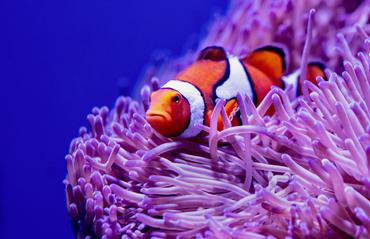
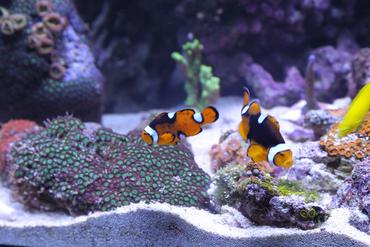
- Designer Clownfish (Amphiprion ocellaris/percula): The gold standard of aquaculture. From "Storm" to "Snowflake" patterns, these fish are incredibly hardy and will eat almost anything you offer.
- Dottybacks (Pseudochromis species): Specifically the Orchid Dottyback. While wild specimens can be aggressive, tank-raised Orchid Dottybacks are generally more social and provide a stunning splash of neon purple.
- Cardinalfish: The Banggai Cardinalfish was once threatened by over-collection, but captive-bred versions are now plentiful. They are peaceful, slow-moving, and have a unique, striking silhouette.
- Blennies: The Molly Miller Blenny is a captive-bred workhorse that eats nuisance algae and Aiptasia, making it both beautiful and functional.
- Goby Species: Watchman Gobies and Neon Gobies are frequently tank-raised. They stay small, are full of personality, and are excellent for nano reefs.
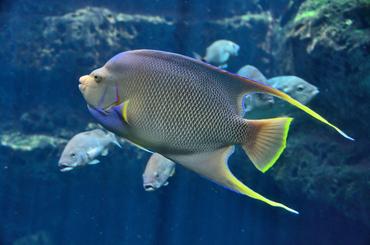
- Captive-Bred Angelfish: While still more expensive, species like the Coral Beauty or even the rare Regal Angel are now being successfully tank-raised, offering a much higher survival rate than wild ones.
The Breakthrough in Captive-Bred Tangs and Angels
For a long time, the "Holy Grail" of aquaculture was the Tang family. Because of their complex larval stages, Tangs were thought to be impossible to breed in captivity. However, recent breakthroughs have brought us tank-raised Yellow Tangs, Blue Hippo Tangs, and even specialized species like the Gem Tang. For the intermediate hobbyist, a tank-raised Yellow Tang is an incredible investment. Wild Yellow Tangs are often prone to "Red Band" disease and shipping stress, but captive-bred versions are notably robust and tend to be less aggressive toward their tank mates.
Similarly, the availability of captive-bred Dwarf Angels has solved a major problem in the reef-keeping world. Wild-caught Dwarf Angels are notorious for "nipping" at corals, but many hobbyists report that captive-bred specimens, having been raised on pellets, are less likely to view your expensive corals as a food source. While they still require a mature tank with plenty of grazing room, they are far more adaptable to aquarium life. Understanding how technology has changed the aquarium hobby through specialized larval feeds and breeding vats is key to appreciating why these fish are now available to the average keeper.
Compatibility and Care for Tank-Raised Fish
While tank-raised fish are hardier, they still have specific biological needs and social "rules" that must be followed. A common beginner mistake is assuming that because a fish is tank-raised, it can be crowded into a smaller space. For example, a captive-bred Tang still needs a 4-to-6-foot tank to accommodate its high swimming energy. Compatibility is also vital; even a "friendly" tank-raised Clownfish can become a terror if it decides a specific corner of the tank (or a specific anemone) is its territory. Always introduce the most peaceful species first and the most territorial species last to minimize aggression.
In terms of care, tank-raised fish appreciate a varied diet just as much as wild fish. While they will eat pellets, you should supplement their meals with frozen mysis shrimp, calanus, and dried seaweed (nori) for herbivores. This ensures they receive a full spectrum of vitamins to maintain their vibrant colors. Furthermore, maintain high water quality standards. Even though they are resilient, they thrive best when you avoid the dangers of high ammonia, nitrite and nitrate. A consistent water change schedule and a reliable protein skimmer will go a long way in ensuring your captive-bred inhabitants live their full 10-to-15-year lifespans.
- Clownfish: Best kept in pairs; if introducing two, ensure one is significantly larger to facilitate the transition to a male/female pair.
- Dottybacks: Provide plenty of rockwork with small caves; they love to dart in and out of the reef structure.
- Banggai Cardinals: Best kept singly or as a proven pair, as males can be aggressive toward each other in smaller tanks.
- Tangs: Require high oxygenation and strong water flow to mimic their natural reef environment.
- Neon Gobies: Great for pest control, as they will often set up "cleaning stations" to pick parasites off larger fish.
- Quarantine: Even though tank-raised fish are "cleaner" than wild ones, a 14-day observation period in a quarantine tank is still a best practice to protect your existing display.
Common Pitfalls: What to Watch For
One potential downside of the aquaculture boom is the "inbreeding" factor. In some lower-quality breeding operations, fish may display slight deformities like shortened gill plates or curved spines. When selecting a tank-raised fish at your local fish store, look for clear eyes, straight spines, and an active swimming posture. Avoid any fish that appears "pinched" behind the head, as this is a sign of long-term malnutrition. Another mistake is assuming that "tank-raised" is the same as "reef-safe." A captive-bred Dottyback will still eat small ornamental shrimp, and a captive-bred Angelfish might still take a liking to your Zoanthids. Always research the natural instincts of the species, as breeding doesn't erase millions of years of evolution.
Additionally, pay attention to the salinity. Many breeders raise their fish at a slightly lower salinity (around 1.020 to 1.022) to save on salt costs and reduce parasite loads. If your reef tank is at the standard 1.025 to 1.026, you must perform a slow drip-acclimation over 60 to 90 minutes to prevent osmotic shock. This is a critical step that many beginners skip, leading to "unexplained" losses within the first 24 hours. By taking the time to acclimate properly, you protect the investment you've made in these high-quality animals.
Advanced Husbandry: Supporting the Aquaculture Movement
As an intermediate hobbyist, you can go a step further by supporting breeders who focus on sustainable practices. Ask your supplier where their fish come from—reputable companies like ORA (Oceans, Reefs & Aquariums) and Biota are leaders in the industry and provide detailed lineage and care information. Keeping captive-bred fish also opens the door for you to try your hand at small-scale breeding. Many hobbyists have successfully raised their own Clownfish or Banggai Cardinals in their basements, contributing to the community's knowledge and reducing the pressure on wild reefs.
The future of the hobby depends on our ability to move away from wild collection for the majority of our species. By choosing tank-raised, you are voting with your wallet for a more ethical and scientifically-driven hobby. You'll find that these fish often develop "personalities" more quickly, as they are not fearful of humans and will actively swim to the front of the glass when they see you approaching. This interaction is one of the most rewarding aspects of keeping a marine aquarium, turning a "display" into a collection of genuine pets.
- Invest in high-quality lighting to bring out the pigments in your designer clownfish.
- Keep your temperature stable at 76-78 degrees Fahrenheit; captive-bred fish are used to consistency.
- Use a refugium to grow copepods; even pellet-eating fish love the enrichment of hunting live micro-prey.
- Record your fish's growth and color changes in a journal to track their long-term health.
- Share your experiences with captive-bred species on forums to encourage other beginners.
Takeaway: The Smart Choice for Every Reef Keeper
Choosing tank-raised saltwater fish is the single most effective way to ensure a successful, long-term experience in the marine hobby. These fish offer a unique combination of resilience, ethical sourcing, and ease of care that wild-caught specimens simply cannot match. Whether you are starting with a classic pair of Ocellaris Clownfish or moving into the exciting world of captive-bred Tangs and Angelfish, you are contributing to a sustainable future while protecting your own investment. Remember to prioritize proper acclimation, provide a varied diet, and always research the adult size and temperament of your chosen species. If you're ready to start stocking your tank with the best the hobby has to offer, check out our species-specific care guides and stay tuned for more tips on building the perfect reef. Happy fish keeping!


MOST RECENT ARTICLES