THE BENEFITS OF ALGAE IN SALTWATER TANKS

1. Natural Biological Filtration and Nutrient Export
Every feeding session, fish waste drop, and piece of unconsumed food introduces organic compounds into your saltwater aquarium. Over time, these compounds break down into ammonia, nitrites, and ultimately nitrates ($NO_3$) and phosphates ($PO_4$). While biological filtration using beneficial bacteria converts toxic ammonia into nitrate, it stops there. Excess nitrates and phosphates accumulate, fueling unsightly hair algae blooms and, at higher concentrations, stressing or killing sensitive stony corals. This is where macroalgae becomes a game-changing component of saltwater aquarium filtration strategies.
Macroalgae—multicellular marine plants commonly known as seaweed—feed on the exact same dissolved nutrients that fuel pest algae. By introducing fast-growing macroalgae species into your system, you effectively outcompete unwanted film algae and turf algae for resources. As macroalgae grows, it locks nitrates and phosphates directly into its plant tissue. When the plant mass becomes overgrown, you simply harvest and toss out a handful of the growth. This process, known as nutrient export, physically removes nitrogenous waste and phosphates from your closed loop without relying on harsh chemical resins or excessive water changes.
Different macroalgae species offer distinct filtering benefits depending on your setup:
- Chaetomorpha (Chaeto): The gold standard for nutrient export. Chaeto forms dense, tumbling green mats that do not root into substrate, making it effortless to harvest without disturbing your aquascape.
- Ulva (Sea Lettuce): A delicate green macroalgae that absorbs nutrients rapidly while providing an edible, soft treat for tangs and angelfish.
- Gracilaria (Ogo): A striking red macroalgae that serves double duty as an exceptional nutrient sponge and a high-protein live food source for picky herbivores.
- Caulerpa species: Extremely fast-growing algae with feather-like or grape-like fronds, ideal for rapid nutrient reduction in aggressive fish-only setups.
A common beginner mistake is relying heavily on chemical media like Granular Ferric Oxide (GFO) or nitrate-absorbing pads to maintain low nutrient levels. While these products work, they can strip nutrients out of the water column too quickly, causing sudden shifts in water chemistry that shock delicate corals. Biological nutrient export via macroalgae acts as a natural buffer, absorbing excess nutrients gradually as waste levels rise and slowing down when waste levels drop.
2. pH Stabilization and Oxygenation Dynamics
Maintaining a stable pH between 8.1 and 8.4 is one of the biggest hurdles for marine aquarists, particularly in modern homes tightly sealed for energy efficiency. Carbon dioxide ($CO_2$) from indoor air dissolves into aquarium water, forming carbonic acid ($H_2CO_3$), which pulls down your tank's pH. During the day, display lights fuel photosynthesis in corals and microalgae, consuming $CO_2$ and elevating pH. However, when the main lights turn off at night, photosynthesis stops, respiration continues, and $CO_2$ builds up—causing a dramatic nighttime pH drop that stresses fish and stunts coral growth.
Beneficial algae offers an elegant, biological solution through reverse photoperiod lighting. By growing macroalgae in a sumped chamber or setting up a dedicated refugium, you can run a dedicated grow light over your macroalgae while your main display tank lights are switched off.
As the macroalgae photosynthesizes overnight, it absorbs the $CO_2$ produced by the sleeping inhabitants in your main display. In return, the algae releases rich amounts of dissolved oxygen into the water column. This process counteracts the nocturnal $CO_2$ spike, smoothing out the daily pH curve and keeping your water chemistry rock-solid 24 hours a day. Higher nighttime oxygen levels also improve fish respiration, reduce stress, and bolster disease resistance against opportunistic pathogens like marine ich (Cryptocaryon irritans).
3. Building a Thriving Microfauna Ecosystem
In the wild, coral reefs are teeming with microscopic life that forms the foundation of the marine food web. In a sterile, newly established aquarium, this natural food chain is completely absent. Cultivating beneficial algae—especially dense turf algae, film algae, and macroalgae thickets—creates the perfect micro-habitat for beneficial invertebrates like copepods, amphipods, isopods, and mysis shrimp.
These tiny crustaceans, collectively known as "pods," feed on microalgae and organic detritus trapped within algae structures. A healthy colony of pods serves two crucial functions in the marine aquarium:
- Pods act as an invaluable secondary cleanup crew. They crawl into tight crevices, porous live rock, and deep sand beds where snails and crabs cannot fit, consuming rotting detritus and film algae before it breaks down into harmful ammonia.
- Pods provide an ongoing supply of live, highly nutritious food for specialized feeders that often starve on prepared flake or pellet diets.
Several popular marine species rely almost entirely on a continuous population of pods for survival:
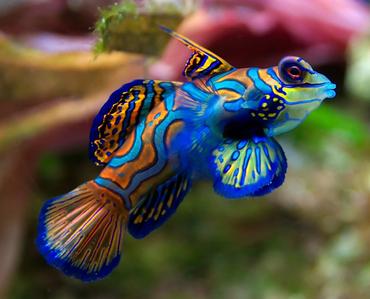
- Mandarinfish (Synchiropus splendidus): These beautiful dragonets have specialized digestive tracts requiring them to hunt and consume hundreds of live pods throughout the day.
- Scooter Blennies (Synchiropus ocellatus): Like mandarinfish, these bottom-dwellers spend their days constantly picking live microfauna off live rock and algae mats.
- Fairy and Flasher Wrasses (Cirrhilabrus and Paracheilinus spp.): While they accept frozen foods, their natural colors and active hunting behaviors flourish when live pods are present.
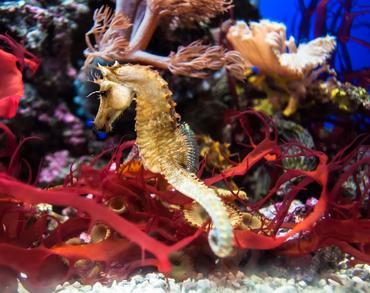
- Pipefish and Seahorses (Syngnathidae family): Slow-moving predators that depend on slow-moving live prey harbored within macroalgae branches.
Without beneficial algae acting as a nursery and feeding ground for microfauna, maintaining these picky species in a captive environment becomes an uphill battle requiring constant supplemental feedings of live brine or bottled copepods.
4. Essential Nutrition for Herbivorous Fish and Invertebrates
While commercial flakes, pellets, and freeze-dried nori sheets are convenient staples, nothing compares to the nutritional profile of fresh, live algae grown directly in the system. Natural marine algae is packed with essential fatty acids, trace minerals, amino acids, and natural pigments like carotenoids that enhance the natural blues, yellows, and reds of your fish.
In the wild, herbivorous fish spend up to 80% of their waking hours constantly grazing on macroalgae and microalgal film across the reef. This continuous grazing behavior keeps their digestive tracts functioning properly, prevents intestinal blockages, and reduces aggressive behaviors caused by hunger or boredom in confined aquarium spaces.
Integrating grazing-friendly algae into your tank supports a wide range of popular marine fish and cleanup invertebrates:
Top Herbivorous Fish Species:
- Yellow Tang (Zebrasoma flavescens): A tireless grazer that picks continuously at hair algae, microalgae films, and soft macroalgae varieties.
- Kole Tang / Yellow-Eye Combtooth Tang (Ctenochaetus strigosus): Equipped with specialized comb-like teeth perfectly suited for rasping diatoms and fine detrital algae off live rock and glass.
- Lawnmower Blenny (Salarias fasciatus): Famous for its charismatic personality and appetite for thick green turf algae, often leaving distinct lip marks on algae-covered glass.
- Foxface Lo (Siganus vulpinus): A hardy rabbitfish capable of consuming tough, wiry nuisance algae that other herbivores refuse to touch, including bubble algae (Valonia).
- Bicolor Blenny (Ecsenius bicolor): An ideal choice for smaller nano-reef setups, providing active grazing on rockwork while adding vibrant dual-color aesthetics.
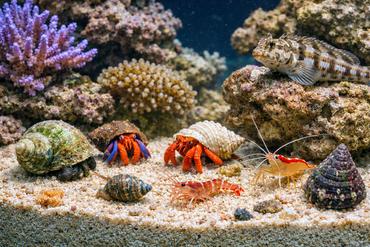
In addition to fish, a well-managed crop of natural film and hair algae provides sustained forage for building an effective marine clean-up crew. Astraea, Trochus, and Cerith snails rely on film algae to maintain shell growth and metabolic health, while hermit crabs pick through macroalgae tufts to clear out trapped particulate matter.
5. Compatibility and Care Considerations for Beneficial Algae
While the advantages of algae in a marine environment are substantial, introducing and maintaining algae without proper care can lead to serious headaches. Not all algae species behave the same way, and what works beautifully in a dedicated refugium can quickly become an invasive nightmare if allowed to run wild in your display tank.
One of the classic beginner mistakes is introducing fast-growing macroalgae directly into the display tank aquascape without understanding its reproductive biology. Species like Caulerpa racemosa (Grape Caulerpa) or Caulerpa prolifera can spread rapidly across live rock using creeping runners, making them nearly impossible to eradicate once established. More dangerously, under light stress or severe nutrient depletion, Caulerpa can undergo a mass reproductive event known as "going sexual." When this occurs, the entire plant mass dies off simultaneously, discharging stored nutrients, cellular material, and gametes into the water column. This sudden event rapidly depletes dissolved oxygen and triggers massive ammonia spikes that can wipe out fish and coral colonies overnight.
To avoid compatibility issues and maintain a safe, healthy balance of beneficial algae in your marine system, keep these essential care guidelines in mind:
- Isolate Invasive Species: Keep fast-growing or creeping macroalgae varieties confined to a dedicated sump or refugium chamber rather than the main display tank.
- Prune Regularly: Regularly trim macroalgae mats before they become too dense. Over-packed macroalgae blocks light from reaching its lower layers, leading to localized die-offs and nutrient leaching.
- Avoid Nutrient Starvation: Do not run heavy chemical filtration alongside dense macroalgae growth. If nitrates and phosphates drop absolute zero, both macroalgae and beneficial zooxanthellae within coral tissues will starve.
- Match Lighting Spectrum: Macroalgae requires broad-spectrum plant light (around 3000K to 6500K or dedicated red/blue LED spectrums) to thrive, which differs from the actinic blue lighting favored for coral fluorescence.
- Manage Herbivore Pressure: If you keep large tangs, rabbitfish, or large hermit crabs in your display, delicate macroalgae will be consumed immediately. Protect your filter algae in an inaccessible sump or external reactor.
Another crucial compatibility factor is water motion. Macroalgae like Chaetomorpha need moderate, tumbling water flow to ensure that light reaches all sides of the clump and to prevent detritus from settling within the mat. If water flow is too stagnant, the center of the algae ball will turn brown, decay, and foul your water parameters.
6. Harnessing Algae in Your Reef Tank: Key Takeaways
Overcoming the fear of algae is one of the most rewarding milestones in the marine aquarium hobby. Rather than viewing algae as an enemy that must be scrubbed away at all costs, successful aquarists treat it as a vital biological partner. By cultivating macroalgae in a refugium or managing a controlled population of microalgae in the display, you gain access to free biological nutrient removal, enhanced pH stability, a renewable food source for herbivorous livestock, and a natural incubator for microscopic marine life.
To get started with beneficial algae in your own tank, begin by assessing your current water parameters. If you are struggling with fluctuating pH or persistent nitrate levels, consider adding a simple tumbling clump of Chaetomorpha to your sump under a dedicated grow light on a reverse photoperiod. Pair your algae cultivation with a carefully balanced clean-up crew and herbivorous fish species suited to your tank size. With a little care and understanding, you can harness the natural power of algae to build a cleaner, clearer, and far more stable marine ecosystem.
Want to take your saltwater knowledge even further? Explore our extensive database of articles on marine water chemistry, livestock care guides, and sump design on RateMyFishTank.com to build the reef tank of your dreams!


MOST RECENT ARTICLES