LIVE FOODS FOR MARINE FISH
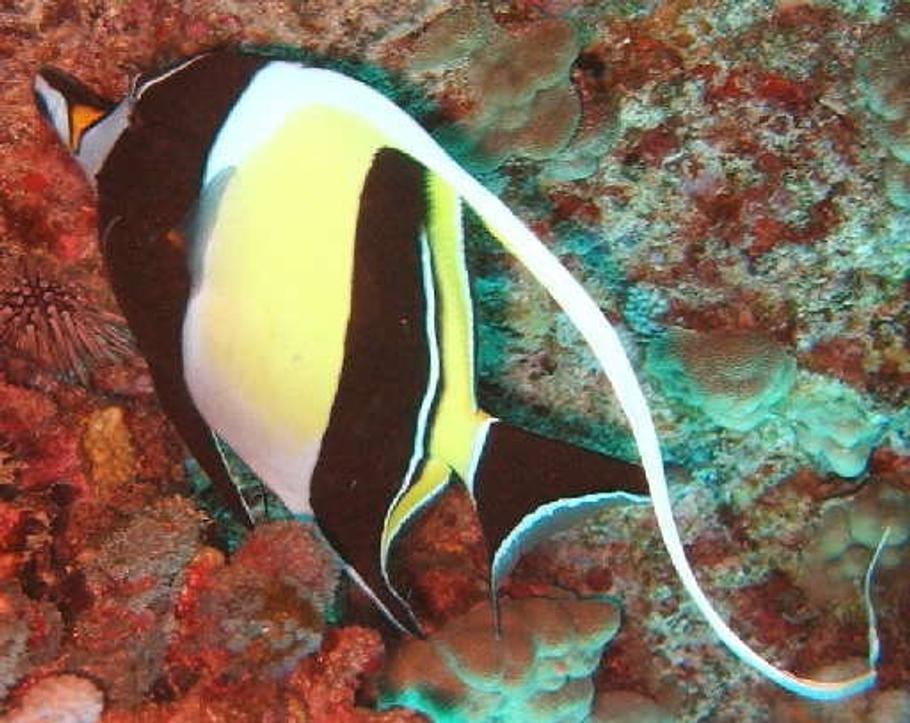
Why Live Foods Are Essential for a Thriving Marine Aquarium
Dry feeds and frozen preparations have come a long way, but live foods offer distinct nutritional and behavioral benefits that processed options simply cannot replicate. When fish chase live prey, their predatory instincts kick in, triggering increased activity, higher metabolic efficiency, and natural foraging behaviors that reduce tank stress. This stimulation is particularly crucial when acclimating newly acquired marine fish, which are often stressed from transport and unfamiliar with non-moving, artificial diets.
From a biological standpoint, live organisms retain essential enzymes, vitamins, and delicate fatty acids that deteriorate during processing, freezing, or long-term storage. Marine fish require high concentrations of highly unsaturated fatty acids (HUFAs), such as EPA and DHA, to maintain neurological function, strong immune systems, and vivid pigmentation. Live foods also remain suspended in the water column longer, giving slow feeders adequate time to graze while minimizing the amount of uneaten waste that rots at the bottom of your tank and causes hazardous nutrient spikes.
Furthermore, several specialized marine species have evolved physical structures that make consuming standard aquarium foods difficult or impossible. Without a reliable supply of live micro-prey, species with tiny mouths or obligate feeding habits will slowly starve. Incorporating live options into your routine helps bridge the gap between captive diets and natural reef ecosystems.
Top Live Food Options for Saltwater Fish
Selecting the right live food depends on the specific dietary needs, mouth size, and hunting habits of your fish. Here are the most effective live foods widely available to marine aquarists today:
- Copepods (Tigriopus, Tisbe, and Apocyclops): Tiny benthic and pelagic crustaceans that form the foundation of the marine food web, ideal for picky reef dwellers.
- Amphipods: Larger, bottom-dwelling crustaceans that establish naturally in live rock and refugiums, providing ongoing hunting opportunities for medium-sized fish.
- Brine Shrimp (Artemia): Highly active swimmers that stimulate feeding responses; enriched newly hatched nauplii offer superior nutritional value compared to adults.
- Mysis Shrimp: Protein-dense, meaty prey suitable for larger carnivores, predators, and specialized feeders requiring substantial nutrition.
- Rotifers: Microscopic invertebrates indispensable for breeding programs, tiny marine larvae, and filter-feeding invertebrates.
- Live Blackworms and Feeder Shrimp: Excellent live options for stimulating stubborn carnivores and larger predatory reef fish during acclimation.
Copepods deserve special mention because different species fulfill different roles in the aquarium. For example, Tisbe copepods are small and stay near substrate and rockwork, making them perfect for bottom-foraging fish. Tigriopus copepods are larger and swim higher in the water column, attracting open-water feeders. Blending multiple copepod species creates a diverse live food web inside your display tank.
Matching Live Foods to Specific Marine Fish Species
Not all marine fish hunt the same way, so matching prey size and movement to the specific predator is vital. Small or slow-moving species will ignore large live shrimp, while aggressive predators won't bother hunting tiny micro-crustaceans.
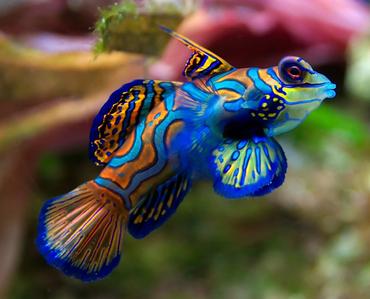
Dragonets, such as the famous Mandarin Dragonet (Synchiropus splendidus) and the Scooter Blenny, represent the ultimate challenge when it comes to live food requirements. These gorgeous fish have specialized digestive tracts and spend all day picking micro-fauna from live rock. In a sterile or newly established tank lacking copepods, a dragonet can consume its entire local food supply within weeks and succumb to starvation. To successfully keep these species, aquarists must maintain a booming copepod population or cultivate live food in an attached refugium.
For more advice on setting up your system to support delicate reef species, check out our guide on preparing saltwater for your marine tank to ensure your water chemistry supports natural micro-fauna.
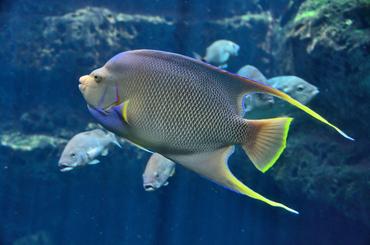
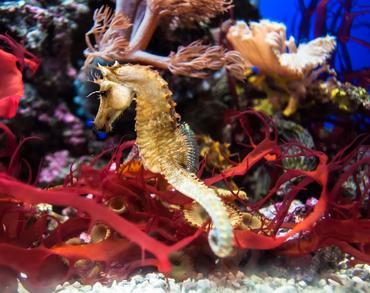
Seahorses and Pipefish (Syngnathids) have long snouts that act as suction tubes, requiring live prey suspended right in front of them. Newly hatched brine shrimp nauplii, live mysis shrimp, and copepods are vital for keeping seahorses healthy. Butterflyfish and Angelfish often benefit from live brine shrimp or gut-loaded blackworms when introduced to a new aquarium, as the sudden movement overcomes their initial shyness and prompts them to strike.
Predatory species such as Lionfish, Groupers, and Marine Betta often require live feeder shrimp (such as glass shrimp or ghost shrimp) to initiate feeding. However, feeding freshwater feeder fish (like goldfish or rosy red minnows) to marine predators is a major mistake. Freshwater feeders lack essential marine fatty acids and contain high levels of thiaminase, an enzyme that breaks down vitamin B1 and leads to lethal neurological decline in marine fish over time.
Nutritional Enrichment and Gut-Loading Techniques
A common mistake among beginner aquarists is assuming that all live food is inherently nutritious. In reality, an un-enriched adult brine shrimp is nutritionally empty—often referred to as the "popcorn" of the marine aquarium world. While its movement entices fish to eat, it provides minimal protein, lipids, or vitamins unless properly prepared through gut-loading.
Gut-loading is the process of feeding nutrient-dense substances to live food organisms shortly before offering them to your fish. Because crustaceans and worms continue digesting food in their intestinal tracts, whatever they eat is passed directly to your marine livestock upon consumption. Here is how to gut-load effectively:
For brine shrimp and mysis shrimp, place them in a small container of aerated saltwater 2 to 12 hours before feeding time. Add a few drops of liquid phytoplankton, marine lipid supplements rich in DHA/EPA, or spirulina powder to the container. The organisms will ingest these concentrated nutrients, turning their bodies into high-potency nutritional capsules. Similarly, live gut-loaded feeder shrimp can be fed high-quality marine flakes or marine pellets right before being introduced to larger predatory fish.
Culturing phytoplankton at home or purchasing live microalgae cultures is an excellent way to maintain both your live food cultures and your filter-feeding invertebrates. Maintaining high water quality during feeding routines is critical; read our breakdown on salinity requirements in a saltwater aquarium to keep your parameters stable while feeding.
Compatibility, Risks, and Care Considerations
While live foods offer unmatched benefits, they also introduce risks if handled carelessly. Aquarists must manage water quality, parasite introduction, and ecosystem balance when introducing live organisms into their display tanks.
One primary risk involves introducing hitchhikers, unwanted pathogens, or excess nutrients along with live food cultures. Water from external culture bags or wild-harvested sources often carries high nitrates, phosphates, or microscopic parasites. Always strain your live foods through a fine mesh net (such as a brine shrimp net) and discard the culture water before releasing the organisms into your display tank. Never pour store-bought culture water directly into your aquarium.
Another common mistake is overfeeding. Live foods that die unconsumed in the display tank will rapidly decay, causing dangerous ammonia spikes and triggering nuisance algae outbreaks. To avoid overloading your biological filter, feed small quantities that your fish can consume within a few minutes, or introduce benthic species like copepods after lights-out so they can reach the safety of the rockwork without being immediately eaten by diurnal fish.
If you want to maintain a self-sustaining live food supply inside your display setup, consider establishing a dedicated refugium. A refugium provides a protected area filled with macroalgae (such as Chaetomorpha) and rubble rock where copepods and amphipods can reproduce safe from predators. As the population overflows into the main tank via return pumps, it provides a continuous, automated supply of live nutrition. To learn more about preventing stress and pathogen introduction when managing new stock, see our article on innovations in marine disease treatments.
Summary and Final Takeaways
Incorporating live foods into your marine aquarium care routine is one of the single best steps you can take to elevate the health, color, and natural behaviors of your saltwater fish. From supplying essential micro-crustaceans like copepods for delicate Mandarin Dragonets to using enriched mysis shrimp for acclimating shy butterflies, live foods deliver vital biological benefits that processed feeds cannot match. Remember to gut-load your prey to maximize nutritional value, strain away culture water to protect your parameter stability, and consider building a refugium to maintain a continuous natural food supply.
By tailoring your live food strategy to the specific needs of your tank inhabitants, you will enjoy healthier fish, lower stress levels, and a vibrant reef ecosystem that mirrors the natural ocean environment. Ready to dive deeper into marine husbandry? Explore our extensive library of guides at RateMyFishTank.com, leave a comment below sharing your favorite live feeding tips, or upload your setup to our community gallery to show off your thriving marine aquarium today!


MOST RECENT ARTICLES