SALTWATER AND REEF TANK CYCLING

The Science of the Marine Nitrogen Cycle
To master the saltwater hobby, you must first become a chemist of sorts. In the ocean, waste products are diluted by millions of gallons of water. In your home aquarium, even a small amount of waste can quickly reach lethal levels. The nitrogen cycle is the biological process that breaks down organic waste (fish poop, uneaten food, and decaying organic matter) into three distinct stages through the action of nitrifying bacteria.
The first stage involves Ammonia (NH3). This is the primary byproduct of organic decay and fish respiration. In a saltwater environment, ammonia is highly toxic; it burns the gills of fish and causes permanent internal organ damage. Because saltwater typically has a higher pH than freshwater, ammonia is actually more toxic in marine setups. During the initial phase of your cycle, you will see ammonia levels rise sharply. This is the "fuel" that invites the first colony of bacteria to the party.
The second stage is the conversion of ammonia into Nitrite (NO2). Bacteria known as Nitrosomonas consume the ammonia and excrete nitrite. While many beginners think they are in the clear once ammonia drops, nitrite is equally dangerous. It enters the bloodstream of fish and prevents their hemoglobin from carrying oxygen, effectively causing them to suffocate even in well-oxygenated water. A truly cycled tank must have the capacity to process nitrite into its final, less toxic form.
The final stage of the cycle is the production of Nitrate (NO3). This is performed by Nitrobacter and Nitrospira bacteria. Nitrate is the end goal of the biological filter. While it is not instantly toxic like its predecessors, high levels of nitrate can lead to stunted fish growth and massive outbreaks of nuisance algae. In a reef tank, sensitive corals may bleach or die if nitrates climb too high. For a deeper look at the chemistry involved, you may want to review our introduction to the nitrogen cycle to see how these principles apply across all aquatic environments.
Proven Methods for Cycling Your Saltwater Tank
There are several ways to kickstart the nitrogen cycle, ranging from traditional methods to modern, high-tech shortcuts. Each has its pros and cons, but the priority should always be the health of the future livestock and the stability of the bio-filter.
- The Fishless Cycle (The Gold Standard): This is the most ethical and controlled way to cycle a tank. Instead of using a live fish to produce ammonia, you add a source of pure ammonia or a piece of raw deli shrimp to the tank. As the shrimp decays, it releases a steady stream of ammonia. This allows you to build a robust bacterial colony without risking the life of a living creature. It usually takes 4 to 6 weeks, but the result is a rock-solid biological foundation.
- The Bottled Bacteria Method: If you are eager to get started, many companies offer "bacteria in a bottle." These products contain live, dormant nitrifying bacteria. When added to the water along with an ammonia source, they can cut the cycling time down to as little as 10 to 14 days. However, you must ensure the product is fresh, as expired bottles contain dead bacteria that will only add to the waste problem.
- Seeding with Live Rock and Sand: Using established "live" rock from an existing, healthy aquarium is like a biological jumpstart. The rock is already covered in the bacteria you need. If you use high-quality live rock, your tank might cycle in just a few days. The risk here is "hitchhikers"—unwanted pests like Aiptasia anemones or Bristle Worms that can be difficult to remove later.
- The "Ghost Feeding" Technique: This involves adding a small amount of fish food to an empty tank every day. As the food rots, it mimics the presence of fish. It is a slow method but very effective for those who don't want to handle liquid ammonia.
Regardless of the method, the cycle is only complete when your test kits show 0 ppm (parts per million) for both Ammonia and Nitrite, and a measurable reading of Nitrate. If you are still seeing any hint of nitrite, the tank is not yet safe for fish.
Essential Testing and Equipment Protocols
You cannot manage what you cannot measure. During the cycling phase, your most important tools are not your expensive LED lights or your high-end protein skimmer, but your water test kits. You should invest in high-quality liquid reagent kits rather than paper strips, which are notorious for being inaccurate in saltwater.
Monitoring the Parameters
During the first two weeks, you should test for ammonia every other day. You are looking for a peak of around 2.0 to 4.0 ppm. If the ammonia goes higher than 5.0 ppm, it can actually become toxic to the beneficial bacteria you are trying to grow, stalling the cycle. If this happens, a small water change is necessary to bring the levels back down to a manageable range. Once ammonia begins to drop, start testing for nitrites. The appearance of nitrites is a sign of progress, signaling that the first group of bacteria is established.
The Role of Equipment
Many beginners make the mistake of running their protein skimmer and UV sterilizer during the cycle. This is counterproductive. A protein skimmer removes organic compounds before they can break down into ammonia, which starves the developing bacteria. Similarly, a UV sterilizer can kill the very bacteria you are trying to encourage to settle on your rock and sand. Keep these devices off for the first month. Proper maintenance of water quality starts with letting the natural biological processes take hold before introducing mechanical filtration.
Temperature and Salinity
Temperature and salinity also play a role. Bacteria thrive in warmer water, so keeping the tank at 78–80°F is ideal. Ensure your salinity is stable at 1.024 to 1.026 using a refractometer. Fluctuating salinity during the cycle can shock the bacterial colonies and reset your progress.
Compatibility and Care Considerations: The First Inhabitants
Once the cycle is complete, the temptation to fill the tank with vibrant fish is overwhelming. However, the biological filter is still "young." It can handle a small amount of waste, but it cannot yet process a heavy bioload. This is where compatibility and strategic stocking come into play.
The Clean-Up Crew (CUC)
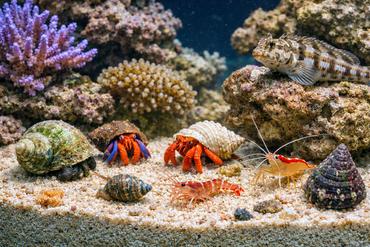
Your first additions should almost always be the Clean-Up Crew. These are invertebrates that eat the algae and detritus that inevitably appear at the end of a cycle. Cerith Snails, Nassarius Snails, and Blue-Legged Hermit Crabs are perfect candidates. They have a very low impact on the nitrogen cycle but do a massive job in keeping the tank clean. For a 30-gallon tank, starting with 5–10 snails and a few crabs is a safe bet.
Selecting Hardy Beginner Fish
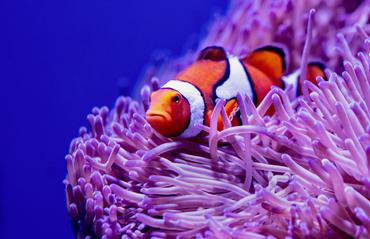
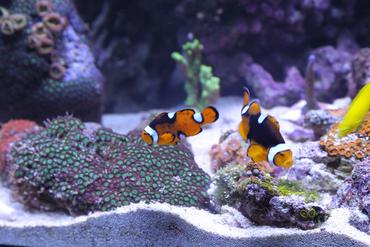
When you are ready for your first fish, look for species known for their hardiness. The Ocellaris Clownfish (the famous "Nemo") is the quintessential beginner fish for a reason: they are incredibly resilient to minor water fluctuations. Other excellent choices include:
- Yellow Watchman Goby: A peaceful bottom-dweller that helps stir the sand.
- Royal Gramma: A stunning purple and yellow fish that is hardy and stays small.
- Firefish: A docile, hovering fish that adds great vertical movement to the tank.
- Damselfish: While very hardy, be warned that many Damsels are aggressive. The Azure Damselfish is one of the few that is generally peaceful.
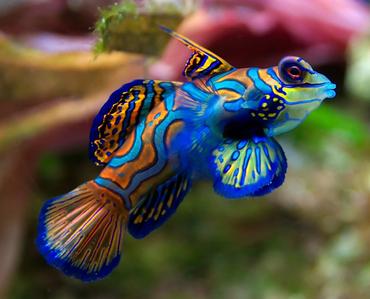
Avoid "Expert Only" fish like Mandarin Dragonets or Copperhead Butterflyfish during the first year. These species require established pods or very specific feeding regimens that a new tank simply cannot provide. Furthermore, always check for compatibility between species to avoid territorial battles that can stress fish and lead to disease outbreaks.
Common Beginner Mistakes and Real-World Troubleshooting
Even with the best intentions, the cycling phase can be a rollercoaster. One of the most common issues is the "Ugly Stage." As nitrates rise, your tank will likely be covered in brown dust (diatoms) or green slime. This is a natural part of the ecosystem balancing itself out. Many beginners panic and add algaecides or scrub the rocks obsessively. The best approach is to wait it out, keep your phosphate levels low, and let your Clean-Up Crew do their job.
The Stalled Cycle
If you find that your nitrite levels have been pegged at the maximum reading for more than two weeks without dropping, your cycle has likely stalled. This often happens due to a lack of oxygen or a drop in pH. Nitrifying bacteria consume a lot of oxygen and produce acidic byproducts. Ensure you have plenty of surface agitation to keep the water oxygenated. If the pH drops below 7.0, the bacteria may stop reproducing. A 25% water change with high-quality salt mix will replenish the buffers and get the cycle moving again.
Overstocking Too Fast
Another pitfall is adding too many fish at once. Every time you add a fish, the ammonia production increases. The bacterial colony needs time to grow to meet that new demand. The rule of thumb is to add no more than one or two small fish every two to three weeks. This allows the bio-filter to "catch up" without causing a lethal ammonia spike. If you encounter issues, consulting a guide on common saltwater aquarium mistakes can help you identify if you've moved too quickly.
The "New Tank Syndrome" Disease
Because fish are stressed during the early stages of a tank's life, they are more susceptible to parasites like Marine Ich (Cryptocaryon irritans). Using a quarantine tank for all new arrivals is the best way to prevent introducing disease into your newly cycled display tank. If you see white spots on your fish, it is a sign that either the cycle wasn't truly finished or the fish was stressed during the transition.
Long-Term Success and Reef Maturation
There is a massive difference between a "cycled" tank and a "mature" tank. A tank is cycled when it can process ammonia, which usually takes a month. A tank is mature when its microbial life is diverse, its chemistry is stable, and it can support sensitive life like corals. This maturation process can take six months to a year.
If you are planning a reef tank, do not rush into buying expensive Stony Corals (SPS). Start with soft corals like Green Star Polyps or Xenia. These are much more tolerant of the higher nutrient levels (nitrates and phosphates) that are common in new tanks. As the tank matures and you become more proficient at maintaining stable Calcium, Alkalinity, and Magnesium levels, you can transition into more demanding species like Acropora.
Documentation is also a powerful tool for intermediate hobbyists. Keep a logbook of your test results from day one. You will start to see patterns—how feeding affects nitrates, how evaporation affects salinity, and how the tank responds to water changes. This data is invaluable when troubleshooting future problems.
Final Takeaway: Building a Foundation for Life
Cycling a saltwater or reef tank is the most important test of a hobbyist’s patience. It is the process of building a life-support system that will sustain your aquatic pets for years to come. By prioritizing a fishless cycle, testing your water diligently, and introducing livestock slowly, you bypass the most common causes of failure in the marine hobby. Remember, nothing good happens fast in a reef tank; only bad things happen quickly.
Once you have successfully navigated the cycle and your first fish are thriving, you have passed the gateway into the incredible world of marine keeping. Your next step should be to refine your maintenance routine and explore the vast array of corals available to the modern hobbyist. We encourage you to continue your education by reading our deep-dive articles on coral care and advanced filtration to ensure your new ecosystem continues to flourish. Would you like to learn more about selecting the right lighting for your new reef, or perhaps you're ready to design a comprehensive maintenance schedule?

MOST RECENT ARTICLES