REEF AQUARIUMS

Understanding the Reef Aquarium Ecosystem: Rocks, Water, and Flow
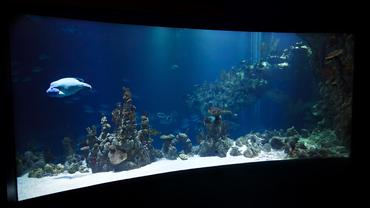
At its heart, a reef aquarium relies on natural biological filtration provided by high-quality live rock or porous dry rock. Instead of depending entirely on mechanical filter media to trap waste, reef systems utilize microscopic beneficial bacteria colonizing millions of tiny pores inside the rock structure. These nitrifying and denitrifying bacteria break down fish waste, turning toxic ammonia into nitrite, then nitrate, and ultimately free nitrogen gas. Establishing a sturdy aquascape using 1 to 1.5 pounds of rock per gallon gives your bacteria room to thrive while providing vital hiding spots and territorial boundaries for your livestock.
Water chemistry is the second fundamental pillar of reef keeping. Corals require consistent concentrations of major elements to build their calcium carbonate skeletons and maintain healthy cellular function. While fish are relatively forgiving of minor water fluctuations, delicate corals react quickly to shifts in salinity, temperature, and mineral levels. To keep your reef stable, you must routinely monitor and maintain key parameters within tight ideal ranges:
- Specific Gravity (Salinity): 1.024 to 1.026 SG, measured with a calibrated refractometer.
- Water Temperature: 76 degrees Fahrenheit to 79 degrees Fahrenheit, controlled by a reliable heater and digital controller.
- Calcium and Alkalinity: Calcium at 400 to 450 ppm and Alkalinity at 8 to 11 dKH to support healthy coral growth.
- Nitrate and Phosphate: Nitrate below 10 ppm and Phosphate between 0.03 and 0.08 ppm to prevent severe algae outbreaks.
Water movement is equally crucial because corals lack the ability to move and rely entirely on water currents to bring nutrients, deliver dissolved oxygen, and carry away metabolic waste. Stagnant pockets in the aquarium allow organic detritus to settle, which quickly leads to localized nuisance algae blooms. Utilizing controllable powerheads to create indirect, random flow patterns mimics the natural surge of ocean tides and ensures detritus stays suspended until your filtration equipment can sweep it away.
Essential Equipment and Setup Requirements for Success
Setting up a reef aquarium requires specialized gear designed to maintain pristine water conditions and provide the specific lighting spectrum corals need for photosynthesis. Investing in reliable equipment from the start saves time, money, and livestock over the long run. If you are exploring various tank designs and plumbing layouts, reviewing our guide on choosing the right type of marine tank can help you decide between a rimless display with a sumped filtration system or a convenient all-in-one aquarium.
Lighting is often the single most significant investment in a reef build. Photosynthetic corals host symbiotic algae called zooxanthellae within their tissues, which convert light energy into essential sugars that feed the coral host. Modern LED light fixtures designed specifically for marine aquariums offer customizable blue and ultraviolet light spectrums that promote strong coral growth and highlight brilliant fluorescent pigments. Beginner reef keepers should look for fixtures with controllable light intensity and built-in timers to simulate natural sunrises and sunsets without overheating the aquarium.
Filtration in a modern reef tank usually incorporates a protein skimmer alongside mechanical filter socks or media cups. A protein skimmer uses microbubbles to strip organic compounds, proteins, and surface-active waste out of the water column before they decompose into harmful ammonia and nitrates. Pairing a protein skimmer with active carbon removes yellow compounds and impurities, leaving the water crystal clear so light can penetrate deeply to reach low-lying corals.
Choosing Reef-Safe Fish and Invertebrates
Selecting fish for a reef tank requires careful research beyond choosing bright colors and active swimmers. Fish marked as reef-safe will leave your corals and beneficial invertebrates untouched, whereas non-reef-safe species like large butterflyfish, angelfish, or triggerfish often view fleshy coral polyps and cleanup crew snails as food. Building a balanced fish community creates active visual interest while helping to keep nuisance algae under control.
Several fish species excel in beginner to intermediate reef aquariums due to their hardiness, manageable size, and peaceful temperaments:
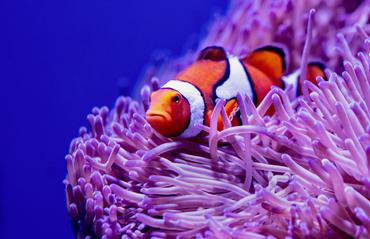
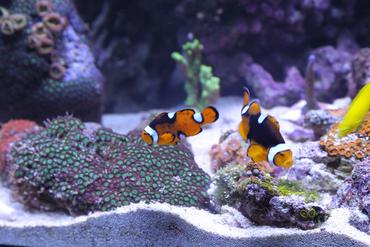
- Ocellaris Clownfish (Amphiprion ocellaris): Extremely hardy, iconic reef inhabitants that adapt exceptionally well to captive life and frequently bond with host anemones or corals.
- Firefish Goby (Nemateleotris magnifica): Peaceful, striking dartfish that hover above the rockwork and retreat into small caves when startled; require a secure mesh lid to prevent jumping.
- Yellow Watchman Goby (Cryptocentrus cinctus): A bottom-dwelling species that sifts sand for food and often forms a fascinating symbiotic relationship with pistol shrimp.
- Royal Gramma (Gramma loreto): Vibrant purple-and-yellow basslet that thrives around rocky caves and picks small invertebrates from the water column.
- Lawnmower Blenny (Salarias fasciatus): Renowned for its personality and appetite, actively grazing on microalgae and film algae growing across rocks and glass.
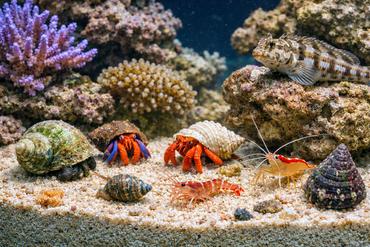
In addition to fish, a functional cleanup crew composed of invertebrates is essential for day-to-day tank maintenance. Trochus snails, Astraea snails, and Nassarius snails burrow through substrate, clear glass surfaces, and consume leftover food. Cleaner shrimp, such as the Skunk Cleaner Shrimp (Lysmata amboinensis), add lively interaction by establishing cleaning stations where fish drop by to have parasites gently removed from their skin and gills.
Understanding Coral Selection: Soft, LPS, and SPS Corals
When stocking corals, understanding their care requirements, growth rates, and light demands helps prevent early losses and keeps your aquascape visually appealing. Corals are generally categorized into three main groups: Soft Corals, Large Polyp Stony (LPS) Corals, and Small Polyp Stony (SPS) Corals. Beginners should always start with soft and hardy LPS varieties before attempting sensitive SPS species.
Soft corals do not produce hard calcium carbonate skeletons, making them remarkably forgiving of minor water parameter shifts. Species such as Zoanthids, Mushroom Corals (Discosoma spp.), Toadstool Leather Corals, and Star Polyps adapt well to moderate lighting and lower flow conditions. They grow quickly and reproduce by spreading across adjacent rockwork, filling empty spaces with dynamic textures and vivid green, orange, and metallic tones.
LPS corals possess fleshy polyps sitting atop visible calcium structures. Popular options include Hammer Corals (Euphyllia), Frogspawn, Duncan Corals, and Brain Corals. These species require moderate lighting and gentle to moderate flow so their delicate fleshy tissue is not torn against their hard skeleton. LPS corals benefit greatly from target feeding with micro-plankton, which accelerates growth and enhances tissue color. For deeper insight into maintaining stable mineral levels for stony corals, consult our detailed walkthrough on dealing with hard water and chemical balance in saltwater tanks.
SPS corals represent the pinnacle of reef keeping, featuring tiny polyps over rigid branching structures. Species like Acropora, Montipora, and Seriatopora demand high-intensity lighting, turbulent water flow, and near-zero organic waste levels alongside rock-solid mineral consistency. Attempting SPS corals is best reserved for mature aquariums that have been running stably for at least six to twelve months.
Compatibility, Temperament, and Care Considerations
Maintaining long-term harmony in a reef aquarium requires planning around territorial boundaries, aggressive behaviors, and chemical defenses. Corals and fish both compete for space, light, and food, and failing to account for their natural instincts leads to stress, tissue damage, or fish loss.
Coral aggression is a frequently overlooked hazard for new aquarists. Many LPS corals, such as Sweeper-bearing Euphyllia or Chalice corals, extend long stinging tentacles during the night to attack neighboring corals within reach. Soft corals like Leathers defend their territory chemically through allelopathy, releasing terpene compounds into the water column that can stunt the growth of nearby stony corals. To prevent warfare, space corals at least 3 to 6 inches apart, anticipate their future growth, and run activated carbon to absorb chemical toxins.
Fish compatibility requires equal attention to stocking order and swim zones. Aggressive semi-territorial species, such as Dottybacks or Damselfish, should always be added last so peaceful early arrivals can establish territories first. Mixing fish that occupy different regions of the tank—such as top-dwelling dartfish, mid-water swimming clownfish, and bottom-dwelling gobies—reduces direct competition for resting spots and feeding territories. For more strategies on proper tank population, explore our expert recommendations on stocking a saltwater reef tank.
Regular daily and weekly care routines form the backbone of reef health. Developing a disciplined maintenance schedule keeps equipment functioning smoothly and prevents small issues from turning into system crashes:
- Daily Tasks:
- Observe fish behavior,
- Check water temperature,
- Inspect skimmer collection cup,
- Feed livestock high-quality frozen or dry foods.
- Weekly Tasks:
- Clean glass surfaces,
- Test Alkalinity and Specific Gravity,
- Rinse mechanical filter socks,
- Top off evaporated water with pure Reverse Osmosis/Deionized (RO/DI) water.
- Bi-weekly/Monthly Tasks:
- Perform a 10% to 15% water change using a balanced reef salt mix,
- Clean powerhead impellers,
- Calibrate test equipment.
Common Beginner Mistakes and How to Avoid Them
Even well-intentioned aquarists occasionally encounter setbacks during their first reef build. Learning to recognize and avoid common pitfalls dramatically increases your chances of long-term success and keeps your aquatic inhabitants thriving.
The most frequent mistake made by beginners is rushing the biological cycling process or stocking the aquarium too quickly. Adding too many fish or delicate corals into a young system causes sharp ammonia spikes or nutrient overload, triggering explosive growth of nuisance hair algae, cyanobacteria, or dinoflagellates. Patience is critical: allow your rock to cycle thoroughly over several weeks, verify that ammonia and nitrite remain firmly at zero, and introduce new livestock slowly over several months.
Another major error is topping off evaporated aquarium water with tap water instead of pure RO/DI water. Tap water contains dissolved minerals, heavy metals, chlorine, and nitrates that build up in the display over time as water evaporates. Using an automatic top-off system connected to an RO/DI reservoir ensures that fresh water replaces evaporation continuously, maintaining steady salinity levels without introducing unwanted contaminants or algae nutrients.
Finally, overfeeding and over-supplementing cause significant water quality degradation. Unconsumed food breaks down into phosphate and nitrate, suffocating coral polyps and fueling pest algae. Similarly, dosing calcium, alkalinity, or trace elements without testing their current levels beforehand can lead to chemical precipitation or toxic parameter spikes. Always follow the golden rule of reef chemistry: never dose anything into your tank unless you actively test for it.
Final Takeaways: Building Your Thriving Reef Ecosystem
Creating a successful reef aquarium is a journey that rewards patience, careful planning, and routine observation. By establishing robust biological filtration, investing in quality lighting and water movement, selecting compatible livestock, and maintaining stable water parameters, you can build a vibrant, beautiful marine display that flourishes for years to come. Start slowly with hardy soft corals and peaceful fish species, master the basics of water testing, and allow your ecosystem time to mature before taking on more demanding species. Ready to take the next step in your fishkeeping journey? Explore our extensive library of guides, livestock profiles, and equipment reviews on RateMyFishTank.com to keep expanding your knowledge and sharing your passion with our growing hobbyist community.

MOST RECENT ARTICLES