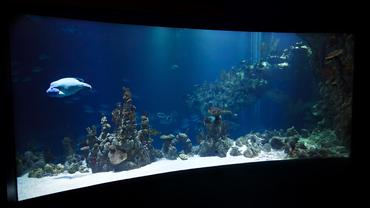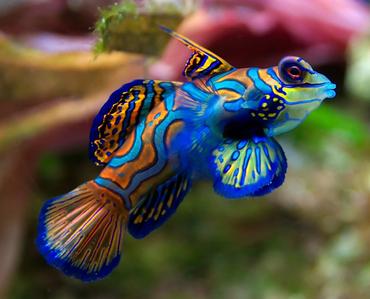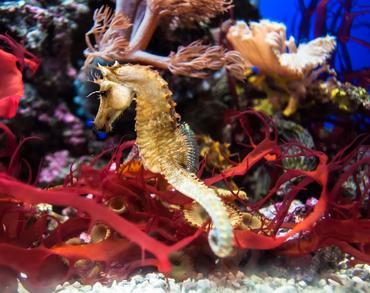
COMMONLY AVAILABLE REEF-SAFE FISH & INVERTEBRATES

The Fundamentals of a Reef-Safe Marine Aquarium
In the marine aquarium hobby, the term reef-safe carries a specific definition that every beginner must understand before purchasing livestock. A reef-safe organism is an animal that will not actively consume or damage corals, anemones, or other beneficial community tank residents. Some species are completely reef-safe, meaning they lack any biological urge to nip at coral polyps or molest small invertebrates. Others are classified as reef-safe with caution, indicating that while they generally behave well, their behavior can change if they are underfed or if an individual fish develops a taste for specific corals.
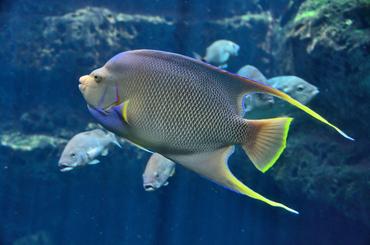
When selecting your livestock, it is vital to recognize that an animal's natural diet dictates its suitability for a reef environment. For instance, obligate corallivores, which are animals that eat corals as their primary food source, must be entirely avoided. Many beautifully colored butterflyfish and large angelfish fall into this category, making them poorly suited for a reef tank despite their widespread availability. Instead, hobbyists should focus on planktivores, herbivores, and specific micro-predators that target pests rather than valuable corals.
Maintaining a stable environment is the absolute baseline for reef-safe livestock success. Corals require pristine water conditions, stable salinity, and precise calcium and alkalinity levels to grow their skeletal structures. The fish and invertebrates you choose must be able to thrive within these same tight parameters. High nitrate or phosphate levels might cause a temporary algae bloom that fuels your invertebrates, but it will simultaneously stress your corals and fish, disrupting the entire biological loop of the aquarium.
Top Reef-Safe Fish Species for Beginners and Intermediate Hobbyists
The fish you select for a reef aquarium should bring color, activity, and ecological utility to the system. Fortunately, many of the most iconic and hardy marine fish are completely reef-safe, making them excellent choices for hobbyists at any skill level. Choosing the right combination of these species establishes a peaceful hierarchy within the water column.
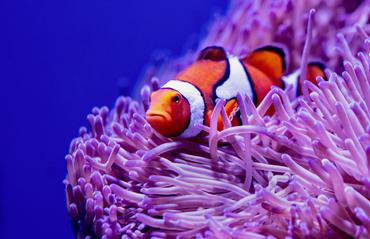
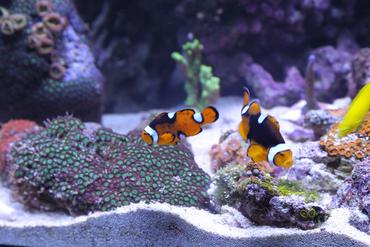
No marine tank feels complete without clownfish, specifically the Ocellaris Clownfish (Amphiprion ocellaris) or Percula Clownfish (Amphiprion percula). These iconic fish are exceptionally hardy, adapt readily to prepared aquarium foods, and do not harm corals. While they are famous for their symbiotic relationship with sea anemones, they do not require an anemone to thrive in captivity. In fact, many clownfish will happily host in soft corals like Toadstool leather corals or large-polyp stony corals like Torch corals without causing them harm.
For mid-water activity and brilliant coloration, the Green Chromis (Chromis viridis) and various peaceful wrasses are highly recommended. Green Chromis are active schoolers that appreciate being kept in small groups, adding constant movement to the upper layers of the tank. Wrasses, such as the Six-Line Wrasse (Pseudocheilinus hexataenia) or the Flame Wrasse (Cirrhilabrus jordani), bring striking visual appeal and provide pest control by consuming flatworms and pyramidellid snails. However, keep in mind that the Six-Line Wrasse can exhibit territorial aggression as it matures, so it should be added toward the end of your stocking sequence.
If you are managing an intermediate-sized or large aquarium, grazing fish are essential for natural algae management. The Yellow Tang (Zebrasoma flavescens) and the Tomini Tang (Ctenochaetus tominiensis) are outstanding reef-safe candidates. These fish spend their days picking at nuisance algae on the live rock, keeping the surfaces clean for coral attachment. Because tangs can be aggressive toward similarly shaped competitors, it is critical to introduce them to a spacious tank with plenty of swimming room and to read up on aquarium fish compatibility before mixing multiple grazing species.
Finally, for the bottom zone of the aquarium, watchman gobies and firefish offer incredible utility and unique behaviors. The Yellow Watchman Goby (Cryptocentrus cinctus) often forms a fascinating symbiotic partnership with a Tiger Pistol Shrimp. The shrimp digs a shared burrow while the goby acts as a lookout. Firefish (Nemateleotris magnifica) are elegant, peaceful dither fish that hover just above the substrate, retreating into rock crevices whenever they feel threatened. Because firefish are notorious jumpers, a tight-fitting mesh lid is an absolute requirement for keeping them safely inside the tank.
Essential Reef-Safe Invertebrates for Your Clean-Up Crew
Invertebrates are the unsung heroes of the reef aquarium, forming what hobbyists call the Clean-Up Crew, or CUC. These animals fill vital ecological niches by consuming uneaten fish food, decaying organic matter, detritus, and various forms of nuisance algae. A well-balanced clean-up crew prevents waste from breaking down into harmful ammonia and nitrates, directly protecting the health of your corals.
Snails are the foundational block of any marine clean-up crew, with different species specializing in different areas of the tank.
- Astraea and Trochus snails are unparalleled film algae consumers, meticulously cleaning the glass and live rock surfaces.
- Cerith snails are excellent all-around cleaners that can climb glass and sift through the upper layers of the sand bed, consuming detritus.
- For hobbyists dealing with stubborn diatoms or cyanobacteria, Nassarius snails are an incredible addition; they live buried in the sand and erupt from the substrate the moment food hits the water, keeping the sand bed well-oxygenated and clean.
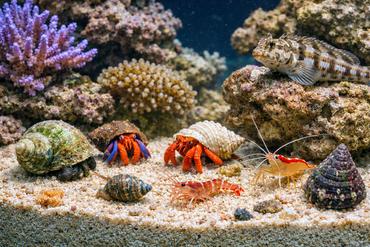
Hermit crabs offer a different mechanical cleaning style, picking at hair algae and detritus in tiny crevices that snails cannot reach. The Scarlet Reef Hermit Crab (Paguristes cadenati) and the Blue-Legged Hermit Crab (Clibanarius tricolor) are small, relatively peaceful choices that stay reef-safe throughout their lives. The primary mistake beginners make with hermit crabs is failing to provide empty shells of various sizes. If a growing hermit crab cannot find a vacant shell, it will actively hunt down and kill a grazing snail to steal its home.
Shrimp bring both aesthetic beauty and specialized cleaning services to the reef. The Skunk Cleaner Shrimp (Lysmata amboinensis) sets up cleaning stations on the rockwork, where reef fish will willingly line up to have parasites and dead skin picked off their bodies. For tanks plagued by destructive Aiptasia anemones, the Peppermint Shrimp (Lysmata wurdemanni) is a renowned natural predator. However, correct identification is essential, as the visually similar Camel Shrimp is not reef-safe and will eagerly feast on your prized zoanthids and fleshy stony corals.
Compatibility, Care, and Avoiding Costly Beginner Mistakes
Designing a reef community involves much more than simply picking items from a reef-safe checklist. Animal behavior is dynamic, and understanding how different species interact within a confined space is the secret to long-term aquarium success. Many species that are technically reef-safe can still clash due to territoriality, space limitations, or competing dietary requirements.
One of the most common beginner mistakes is overcrowding the biological filter by introducing too many animals too quickly. In a freshwater setup, a minor nutrient spike might cause cloudy water; in a reef setup, a rapid increase in organic waste can rapidly trigger a coral bleaching event. Livestock should always be added incrementally over several months, allowing the beneficial nitrifying bacteria populations to scale up naturally to meet the increased bioload.
When planning your stocking order, always introduce the most peaceful, timid species first, followed by moderately assertive fish, and finalize the layout with your most aggressive residents, such as tangs or large dottybacks. If you introduce a territorial Yellow Tang into a new system first, it will view the entire rockwork structure as its personal domain and aggressively attack any peaceful firefish or wrasses added later. If you run into territory disputes, a classic intermediate trick is to rearrange the live rock layout or utilize an acclimation box to safely introduce new tankmates.
Dietary management is another critical care consideration that directly influences reef-safe behavior. Many facultative omnivores, such as certain dwarf angelfish like the Coral Beauty (Centropyge bispinosa), are generally reef-safe but may begin nipping at fleshy corals if they are underfed. Providing a diverse diet of high-quality marine flakes, frozen mysis shrimp, and sheets of dried seaweed (nori) ensures your fish remain satiated and ignore your coral polyps. For more tips on establishing a reliable maintenance routine, explore our guide on saltwater aquarium maintenance.
To help visualize how to structure your stocking plan, consider the following quick-reference guide for planning a balanced, multi-tier reef ecosystem:
- Upper Water Column: Green Chromis, Firefish, and peaceful Anthias species provide constant motion and flashing color.
- Mid-Water and Rockwork: Ocellaris Clownfish, Six-Line Wrasses, and Coral Beauty Dwarf Angelfish dominate this highly visible zone.
- Sand Bed and Substrate: Yellow Watchman Gobies, Nassarius Snails, and Cerith Snails keep the lower boundaries clean and turned over.
- Algae Control Specialists: Trochus Snails, Scarlet Reef Hermit Crabs, and Tomini Tangs work around the clock to suppress nuisance growth.
Conclusion: Building Your Perfect Underwater Ecosystem
Successfully maintaining a reef-safe aquarium comes down to researching species profiles, respecting territory, and curating an effective clean-up crew to manage nutrients. By selecting hardy, reliable fish like clownfish and watchman gobies alongside diligent invertebrates like Trochus and Nassarius snails, you lay a rock-solid foundation for a thriving marine microcosm. Avoid the temptation of impulse buys, prioritize water stability, and always add your livestock gradually to give the system time to adapt. For more expert advice, setup inspiration, and detailed species profiles, be sure to browse our extensive archive of marine aquarium articles on RateMyFishTank.com.

MOST RECENT ARTICLES