Few experiences are more unsettling for a saltwater aquarist than waking up to find a fish missing with no obvious explanation. There’s no body, no signs of distress, and no clear answer—just an empty space where a fish once swam. For beginners and even intermediate hobbyists, disappearing fish can feel mysterious and frustrating. In reality, fish don’t vanish without cause. This guide breaks down the most common, real-world reasons fish disappear from saltwater tanks and shows you how to identify the culprit, prevent future losses, and create a more stable marine aquarium.
Predation: When Tank Mates Become the Problem
One of the most common reasons fish disappear from saltwater aquariums is predation. Many marine fish sold in the aquarium trade are opportunistic hunters, even if they appear peaceful at first. A fish that seems compatible as a juvenile may become a predator as it matures.
Predatory behavior is often underestimated, especially in tanks that mix reef-safe species with semi-aggressive or carnivorous fish. Lionfish, groupers, large wrasses, hawkfish, and some dottybacks are well-known for consuming smaller tank mates—often overnight.
Unlike freshwater tanks, saltwater systems frequently include scavengers such as cleaner shrimp, bristle worms, and crabs. When a fish is eaten or dies, these clean-up crews can remove all physical evidence within hours.
Common predation scenarios include:
Small fish added to a tank with established predators
Juvenile fish outgrowing their initial compatibility
Nighttime ambush by species like lionfish or moray eels
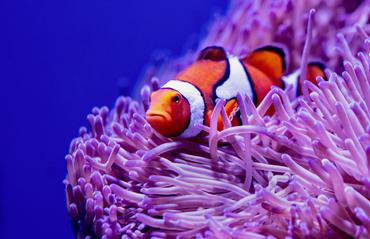
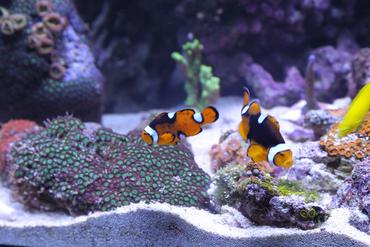
For example, a clownfish introduced into a tank with a dwarf lionfish may survive for weeks, only to disappear once the lionfish grows large enough to swallow it. Understanding predator behavior is essential. Articles like keeping lionfish in the home aquarium explain why size and mouth gape matter far more than temperament.
Jumping and Escaping the Aquarium
Another extremely common but overlooked reason fish disappear is jumping. Many saltwater fish are powerful jumpers, especially when startled, stressed, or chased by tank mates. If your aquarium does not have a tight-fitting lid or mesh cover, fish may leap out and go unnoticed.
Species especially prone to jumping include wrasses, gobies, firefish, dartfish, jawfish, and some blennies. These fish naturally dart into open water when frightened, and in a glass box, that instinct can be fatal.
In many homes, a jumped fish may land behind the tank, under furniture, or in another room entirely—making it difficult to connect the disappearance to escape.
Stress-related triggers for jumping often include:
Sudden lighting changes
Aggressive tank mates
Poor water quality or unstable parameters
A secure lid or mesh screen is one of the simplest and most effective investments a marine aquarist can make. If you keep known jumpers like firefish or fairy wrasses, a covered tank is not optional—it is essential.
Deaths Followed by Rapid Cleanup
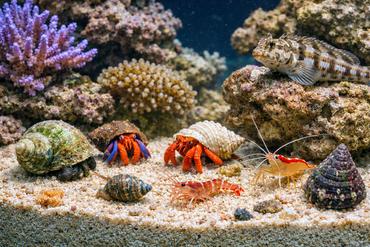
Sometimes fish do not disappear—they die, and their remains are quickly consumed or broken down. Saltwater aquariums are highly efficient ecosystems when populated with clean-up crews such as hermit crabs, shrimp, snails, and worms.
If a fish dies overnight due to stress, illness, or water quality issues, scavengers may remove all visible evidence before morning. This can create the illusion that the fish vanished without explanation.
In heavily stocked reef tanks, even a medium-sized fish can be reduced to bones within hours. Bristle worms, in particular, are highly effective decomposers and often go unnoticed by aquarists.
Underlying causes of sudden death often include ammonia spikes, oxygen depletion, or improper acclimation. New fish are especially vulnerable if the tank is not fully stabilized.
Reviewing foundational topics such as how to properly cycle a fish tank can help prevent invisible losses caused by unstable water chemistry.
Compatibility and Care Considerations
Compatibility is one of the most critical—and misunderstood—factors in saltwater aquariums. Many fish sold as “community-safe” still have specific territorial or dietary needs that can lead to conflict.
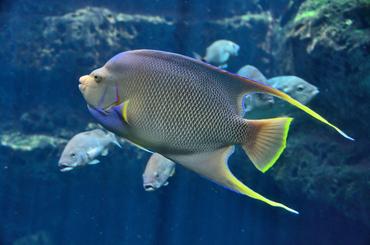
For example, dottybacks and damselfish are small but highly aggressive. They may harass tank mates relentlessly, causing stress-induced death even if they never physically attack. Similarly, large angelfish and tangs may not eat smaller fish, but they can dominate food sources and territory.
Size disparity is a major risk factor. Fish should be chosen based on adult size, not how they look in the store. A peaceful juvenile grouper can become a nocturnal predator as it matures.
Compatibility issues often arise when aquarists:
Mix fish with very different temperaments
Overcrowd the aquarium
Add new fish without quarantine
Understanding realistic stocking limits helps reduce stress and aggression. Resources like how many fish your tank can realistically support provide practical guidance for balancing bioload and behavior.
Care considerations also include feeding strategies. Underfed predatory fish are more likely to hunt tank mates. Inconsistent feeding schedules or inappropriate diets can indirectly cause fish disappearances.
Rockwork, Overflows, and Mechanical Hazards
Fish sometimes disappear into the aquarium itself. Complex rockwork with narrow crevices can trap smaller or weaker fish, especially species that retreat into holes at night. If a fish becomes wedged and cannot escape, it may die unseen.
Overflows, sump intakes, and filtration chambers are another frequent culprit. Small fish, particularly gobies and blennies, may enter overflow boxes and end up in the sump—or perish inside plumbing.
Checking sumps, filter socks, and overflow chambers should be part of any investigation when a fish goes missing. Many aquarists are surprised to find “lost” fish alive in the filtration system days later.
Preventive measures include installing mesh guards over overflow teeth and ensuring rock structures are stable and fish-safe.
Common Beginner Mistakes That Lead to Disappearing Fish
Many disappearances trace back to early mistakes that are easy to make but equally easy to correct with experience. One of the most common is adding fish too quickly. Rapid stocking overwhelms biological filtration and increases aggression.
Another mistake is skipping quarantine. Introducing a sick fish can spread parasites that cause sudden deaths throughout the tank. These deaths may go unnoticed if scavengers remove the evidence.
Inadequate observation is another factor. Fish often show subtle warning signs—reduced appetite, hiding, labored breathing—before disappearing. New aquarists may miss these cues.
Finally, relying on store advice without independent research can lead to incompatible stocking choices. Not all “reef-safe” labels account for long-term behavior or tank size limitations.
How to Prevent Fish From Disappearing
Preventing fish disappearances is less about reacting to losses and more about building a system designed for stability. This starts with realistic stocking, appropriate tank mates, and proper equipment.
Practical prevention strategies include:
Using a secure lid or mesh cover
Researching adult size and behavior before purchase
Maintaining consistent water quality
Feeding appropriately for all species in the tank
Observation is one of your most powerful tools. Spending a few minutes each day watching fish behavior helps you spot aggression, stress, or health issues early.
Keeping a simple log of new additions, feeding schedules, and water test results can also reveal patterns that explain unexplained losses.
Final Takeaway: Disappearing Fish Always Have a Cause
Fish do not disappear from saltwater tanks without reason. Whether the cause is predation, jumping, illness, compatibility issues, or mechanical hazards, there is always an explanation rooted in biology and environment.
By understanding common causes and adjusting your setup, stocking choices, and maintenance routine, you can dramatically reduce unexplained losses. Use each disappearance as a learning opportunity rather than a mystery.
For more in-depth guidance on marine fish care, compatibility, and aquarium fundamentals, continue exploring the educational resources available on RateMyFishTank.com and build a saltwater aquarium that thrives long-term.
Marine fungus — that cottony, white, or gray growth on your fish’s body, fins, or mouth — can be one of the most frustrating problems for saltwater aquarium hobbyists, especially when it appears out of nowhere.
Reef tanks are often described as living works of art, but behind every thriving coral reef aquarium is a consistent and well-planned maintenance routine.
Every aquarium hobbyist, whether a complete beginner establishing a first desktop display or an experienced aquascaper managing a heavily planted setup, eventually comes face-to-face with an unsightly algae bloom.
Every aquarium keeper eventually battles the dreaded nitrate buildup, relying on endless water changes, gravel vacuuming, and heavy filter maintenance to keep water parameters safe for their fish.
Every saltwater hobbyist remembers the thrill of introducing their first piece of live rock or colorful coral fragment into a brand-new home reef aquarium.
If you’ve ever stood in front of a wall of aquarium food bags and jars wondering what products actually deliver on nutrition for your saltwater fish, you’re not alone.
Starting a saltwater aquarium is often viewed as the "final frontier" of the fishkeeping hobby, a complex endeavor reserved for those with years of experience and deep pockets.
AQUARIUM MAINTENANCE
Aquarium maintenance is the key to keeping your tank healthy. The articles in this category will help you learn how to maintain your tank properly.
If you have ever stood on a tropical beach and watched the rhythmic surge of the tide or the powerful crash of waves against a coral head, you have witnessed the lifeblood of the ocean in action.
Embarking on the journey of a saltwater aquarium is an exhilarating endeavor that brings a slice of the ocean’s vibrant mystery into your living room, yet it often comes with a steep learning curve that can frustrate even the most dedicated hobbyists.
Reef tanks are often described as living works of art, but behind every thriving coral reef aquarium is a consistent and well-planned maintenance routine.
Marine fungus — that cottony, white, or gray growth on your fish’s body, fins, or mouth — can be one of the most frustrating problems for saltwater aquarium hobbyists, especially when it appears out of nowhere.
Starting a saltwater or reef aquarium is one of the most rewarding journeys a hobbyist can undertake, but the bridge between a glass box of water and a thriving marine ecosystem is a critical process known as "the cycle.
For many aquarists making the exciting leap from freshwater to marine setups, water parameters can quickly feel like a confusing maze of shifting chemical terms.
Every aquarium keeper, whether maintaining a 10-gallon desktop tank or a 125-gallon display, quickly learns that water clarity does not equal water quality.
Maintaining a thriving marine environment requires careful attention to water chemistry, and few parameters are as critical—or as frequently misunderstood—as pH.
Starting a saltwater aquarium is one of the most rewarding endeavors a fish hobbyist can embark upon, offering a vibrant window into the complex, mesmerizing world of marine life.
Few things match the sudden jolt of panic a saltwater hobbyist feels upon hearing a sharp, metallic clicking sound echoing from their aquarium late at night.
The allure of the ocean is undeniable, and bringing a slice of that mysterious, vibrant world into your home through a saltwater aquarium is one of the most rewarding challenges a hobbyist can undertake.
Transitioning from freshwater fishkeeping to setting up a marine aquarium is one of the most rewarding milestones in the hobby, bringing vibrant coral reefs and strikingly colorful marine life directly into your living space.
Embarking on the journey of setting up a new aquarium is one of the most rewarding experiences a hobbyist can have, yet it is also the phase where the most critical, and often avoidable, mistakes are made.
Diving into the world of fishkeeping is an incredibly rewarding journey, but before you pick out your first tank or fall in love with a specific species, you face a foundational crossroads: saltwater versus freshwater.
Brackish water aquariums occupy a fascinating middle ground between freshwater and saltwater ecosystems, representing the dynamic coastal estuaries, mangrove swamps, and tidal river mouths where river currents meet the ocean[cite: 1].
Transitioning into the marine side of the aquarium hobby is an exhilarating step, but the shimmering clarity of a pristine reef tank starts long before your first clownfish or royal gramma enters the display.
Setting up your first aquarium—or upgrading a thriving community tank—is an exciting journey, but maintaining crystal-clear water and healthy livestock can quickly become overwhelming without the right gear.
Saltwater aquariums offer some of the most visually striking and rewarding experiences in the fishkeeping hobby, but choosing the right type of marine tank is critical to long-term success.
While most marine aquarium hobbyists spend their days admiring the vibrant colors and frantic activity of their fish under bright reef lights, a secret world wakes up just as the sun goes down.
Setting up a saltwater aquarium is often viewed as the pinnacle of the fish-keeping hobby, offering access to neon-colored corals and some of the most charismatic marine life on the planet.
Building a successful reef aquarium is one of the most rewarding pursuits in the fishkeeping hobby, transforming a simple glass tank into a vibrant, living slice of the ocean right in your home.
A nano reef aquarium is a small-scale marine ecosystem, typically under 30 gallons in capacity, designed to support live corals, saltwater fish, and invertebrates in a compact footprint.
Few hobbies match the captivating beauty of a thriving saltwater reef tank, where vibrant corals, energetic invertebrates, and brilliant marine fish come together to form a living piece of the ocean inside your home.
Stepping into the world of reef keeping is one of the most rewarding journeys in the aquarium hobby, transforming a simple glass tank into a vibrant, living underwater ecosystem.
If you’re excited about setting up a nano reef tank — a beautiful miniature version of a coral reef right in your living room — you’ve probably encountered a mix of great advice and confusing misinformation.
Transitioning from a fish-only saltwater tank to a vibrant reef aquarium is one of the most exciting milestones in the hobby, but it often comes with a steep learning curve and the intimidating prospect of expensive lighting upgrades.
One of the most debated questions in the reef-keeping community is whether a hobbyist should start with a small, manageable "nano" tank or dive headfirst into a massive, multi-hundred-gallon display.
In the high-stakes world of saltwater and reef keeping, the rockwork—often referred to as the "aquascape"—is the literal and figurative foundation of your entire ecosystem.
Lighting a reef aquarium is one of the most exciting yet intimidating milestones for any marine hobbyist, marking the transition from a simple fish-only setup to a living, photosynthesizing underwater ecosystem.
If you have ever spent time wandering along a coastal beach, you have probably noticed patches of thick, white sea foam washing up where the waves crash against the shore.
Maintaining a stable environment is one of the most critical aspects of running a successful marine aquarium, yet many hobbyists overlook the subtle threat of rising temperatures until it is too late.
Maintaining a stable marine environment is one of the most rewarding challenges in the aquarium hobby, yet heating issues remain a top cause of sudden livestock loss for beginner and intermediate saltwater aquarists.
Walking up to your marine display only to find a layer of thick, white, or yellowish foam gathering across the surface can be an unsettling sight for both beginner and experienced hobbyists.
If you have ever stared into a marine aquarium suffering from an uncontrollable algae bloom or wondered why your delicate corals refuse to expand, the answer often hides right in your tap water.
Maintaining a vibrant, thriving marine aquarium requires far more than balancing salinity and setting up high-end lighting; it demands a deep understanding of the diverse nutritional needs of your livestock.
Maintaining a vibrant, thriving saltwater aquarium is one of the most rewarding pursuits in the fishkeeping hobby, yet many aquarists discover that keeping marine life healthy requires far more than pristine water parameters and high-end lighting.
Transitioning from a basic freshwater setup to a vibrant marine aquarium is an exhilarating step for any hobbyist, but keeping saltwater species healthy requires a sharp focus on proper nutrition.
Culturing your own live foods is one of the most effective ways to upgrade your fishkeeping routine, and learning how to raise brine shrimp (Artemia) is by far the easiest place to start.
Maintaining a vibrant saltwater aquarium is one of the most rewarding endeavors in the fishkeeping hobby, yet few experiences are as disheartening as watching a prized fish succumb to a preventable illness.
Every experienced saltwater hobbyist remembers the stomach-drop moment of shining a flashlight into their tank after lights-out, only to find their prized Yellow Tang or pair of Clownfish looking as if they have been dusted with coarse table salt.
Every aquarist eventually faces that stomach-dropping moment: you walk up to your display tank with a handful of flake food, only to notice your favorite Neon Tetra dusting itself against the gravel, or your Betta sitting on the substrate with frayed, pale fins.
Creating a thriving community aquarium is perhaps the most rewarding endeavor in the fish-keeping hobby, offering a dynamic window into an ecosystem where diverse species coexist in a delicate biological balance.
Creating an underwater landscape that is both visually stunning and biologically stable is one of the most rewarding milestones for any aquarium enthusiast.
Starting a new saltwater aquarium is one of the most exciting ventures a fish enthusiast can undertake, but navigating the setup process requires patience, dedication, and a solid understanding of biological filtration.
Live rock is widely considered the beating heart of a thriving saltwater aquarium, functioning as both a natural biological filter and the structural foundation for your marine aquascape.
If you’ve ever peered into a vibrant reef aquarium and watched a pair of clownfish dart in and out of a swaying anemone, you understand why these charismatic fish are among the most beloved in the hobby.
With their delicate, disk-like bodies and intricate color patterns, Butterflyfish are often the first species that come to mind when people envision a vibrant coral reef.
For many saltwater aquarium enthusiasts, tangs are the crown jewels of the reef tank: dazzling colors, active personalities, and a knack for keeping nuisance algae in check make these fish stand out in the marine hobby.
Sea anemones are among the most captivating inhabitants of reef aquariums, offering vibrant color, dynamic movement, and an interactive presence that few other invertebrates can match.
The transition from a freshwater setup to a marine environment is often described by hobbyists as moving from black-and-white television to high-definition color.
Seahorses are undeniably among the most mesmerizing creatures in the entire marine realm, charming aquarium enthusiasts with their prehensile tails, upright posture, expressive eyes, and graceful, deliberate movements.
When hobbyists talk about setting up a successful marine aquarium, colorful reef fish like Ocellaris Clownfish and vivid corals usually take center stage, but behind every pristine reef environment is an unsung hero working tirelessly around the clock: the humble saltwater snail.
Entering the marine aquarium hobby often begins with a single moment of awe: watching a vibrant yellow tang glide past a rich reef backdrop or seeing the electric violet and gold hues of a royal gramma flash through live rock.
Adding a sea urchin to your saltwater aquarium is one of the most effective and fascinating ways to tackle nuisance algae while introducing a truly captivating invertebrate to your marine ecosystem.
Known for their vibrant coloration, sleek aerodynamic profiles, and tireless activity, tangs—also commonly referred to as surgeonfish—are among the most iconic inhabitants of the marine aquarium hobby.
Transitioning into the vibrant realm of marine aquariums is one of the most rewarding journeys a fishkeeper can undertake, yet stocking a reef or fish-only tank often presents a frustrating challenge when relying solely on local fish stores.
Building a thriving saltwater aquarium is one of the most rewarding milestones in the fishkeeping hobby, but transitioning into the world of live corals introduces an entirely new set of rules.
Starting a saltwater aquarium is one of the most rewarding journeys in the fish-keeping hobby, but it does not take long for a beautiful new setup to face its first major challenge: the inevitable algae bloom.
The allure of a saltwater aquarium is undeniable, offering a window into a world of electric neons, intricate behaviors, and some of the most fascinating biological relationships on the planet.