HOW TO CARE FOR MARINE BLUE SPONGES
The Biological Foundations of Marine Sponges
To care for a Blue Sponge, you must first understand what it is. Sponges are among the simplest multicellular organisms, belonging to the phylum Porifera, which literally translates to "pore-bearer." These organisms have existed for over 500 million years, predating the dinosaurs and even most complex fish. They do not have organs, a nervous system, or a circulatory system. Instead, they rely on a complex internal canal system to pump water through their bodies. This simplicity is both their strength in the wild and their vulnerability in a glass box.
Key Characteristics
- Filter Feeding: Sponges draw in water through tiny pores called ostia, filter out bacteria and phytoplankton, and expel the waste through larger openings called oscula. A single sponge can filter thousands of times its own body volume in water every single day.
- Structural Integrity: Their shape is maintained by a skeleton of spicules—tiny glass-like structures made of silica—and spongin fibers. This is why silica levels in your tank, often ignored by coral keepers, are actually vital for sponge health.
- Growth Patterns: In the home aquarium, Blue Sponges typically exhibit an encrusting or finger-like growth habit. They are colonial organisms, meaning that if a portion of the colony is healthy, it can eventually regenerate areas that have suffered damage, provided the environment is corrected.
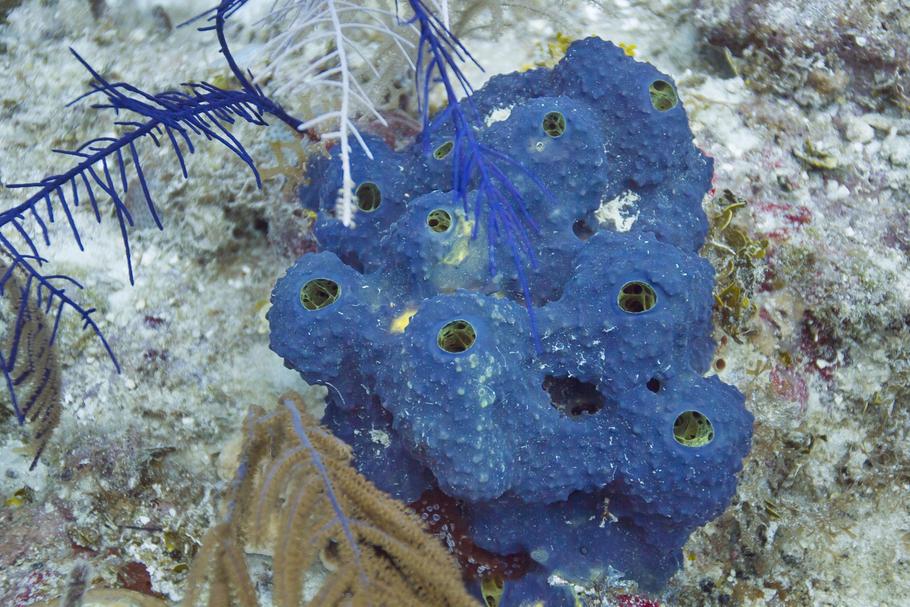
One of the most common beginner mistakes is treating a sponge like a rock or a piece of inanimate decor. Because they are living, breathing filters, any physical blockage to their pores—such as a fine layer of algae, settling sand, or detritus—can lead to the localized death of the organism. When you see a Blue Sponge in a retail tank, look for vibrant color and open oscula (the larger "exhaust" holes). If the sponge looks gray, fuzzy, or has white translucent edges, it is already in a state of decline.
The Critical Importance of Proper Acclimation
If there is one absolute "deal-breaker" in Blue Sponge care, it is air exposure. This is the primary reason many sponges die shortly after being brought home from a local fish store. When a sponge is lifted out of the water, even for a split second, air bubbles can become trapped inside its intricate internal canal system. Because the sponge lacks the muscular ability to "cough" or expel these bubbles, the trapped air acts like an embolism, blocking the flow of water and nutrients to the internal cells.
This leads to rapid tissue necrosis. The affected area will turn white or clear, and the rot can quickly spread to the rest of the colony. To avoid this catastrophic failure, follow a "submerged-only" protocol:
- Bagging: Ensure the store employee bags the sponge completely underwater. There should be no air pocket at the top of the bag if possible, or at least enough water that the sponge cannot roll into an air bubble during transport.
- Acclimation: Use a drip acclimation kit to slowly match the bag water to your tank's salinity and pH over 60 to 90 minutes.
- Transfer: When moving the sponge from the bag to the tank, submerge the entire bag into the aquarium and let the sponge slide out. Never use a net. If you must move the sponge later, use a glass jar or specimen container to keep it underwater throughout the transition.
If you accidentally expose your sponge to air and notice white patches developing, do not panic immediately. Use a sterilized scalpel to carefully prune away the white, dying tissue while the sponge is underwater. This "surgery" can often save the remaining healthy colony by stopping the spread of necrotic gases and bacteria within the sponge's structure.
Establishing the Ideal Reef Environment
Blue Sponges are considered moderately difficult because they require a "sweet spot" in water chemistry. They need the high water quality of a reef tank but also benefit from a slightly "dirty" environment that provides organic particles. They thrive in established reef systems where the biological cycle is mature. For those just starting out, it is helpful to review popular saltwater fish for beginners to ensure your initial livestock choices create a stable environment that can eventually support sensitive invertebrates like sponges.
Lighting Requirements
Unlike many corals, the Haliclona Blue Sponge is not photosynthetic (it does not contain zooxanthellae). However, it is often found in the wild in shallow-to-mid-depth reefs with moderate light. In a home aquarium, moderate lighting is preferred, primarily to prevent the growth of nuisance algae on the sponge's surface. If the light is too intense, hair algae or cyanobacteria may colonize the sponge. Since the sponge cannot "shed" its skin like some leathers, the algae will eventually suffocate the pores.
Water Flow
Flow is perhaps the most overlooked aspect of sponge care. A Blue Sponge requires a strong, indirect current. The flow should be "turbulent" rather than a direct "jet." Constant movement of water ensures that detritus does not settle on the sponge and helps the sponge's internal pumping mechanism by creating pressure differentials. If the sponge is in a dead spot, it will quickly succumb to bacterial films.
Chemical Parameters
- Salinity: 1.023–1.025 (stability is more important than the specific number).
- Temperature: 72°F to 78°F.
- Silica: While most reefers try to eliminate silica to prevent diatoms, sponges need trace amounts to build their skeletons. If your sponge is shrinking despite being fed, you may have a silica deficiency.
- Nitrates/Phosphates: Keep these low (Nitrate < 10ppm, Phosphate < 0.05ppm), but not at zero. A "sterile" tank is a starving tank for a sponge.
Advanced Nutritional Needs and Feeding Strategies
In the wild, sponges are the ultimate recyclers. They consume massive amounts of bacterioplankton and dissolved organic matter (DOM) that other reef inhabitants cannot process. In a closed aquarium, especially one with a powerful protein skimmer, these food sources are often stripped from the water faster than the sponge can eat. This leads to a slow decline where the sponge appears to "dissolve" over several months.
To keep your Blue Sponge vibrant, you must implement a targeted feeding regimen. Simply "dumping" food into the tank (broadcast feeding) is often insufficient. Instead, use a syringe or a target feeder to gently puff a cloud of food near the sponge. Do not blast the sponge directly with a high-pressure stream of food, as this can clog the ostia and cause physical damage.
Recommended Foods
- Live Phytoplankton: This is the closest match to their natural diet. Species like Nannochloropsis or Tetraselmis are excellent choices.
- Marine Snow: Commercial "Marine Snow" products contain the particulate organic matter that sponges crave.
- Liquid Invertebrate Foods: Look for products specifically formulated for filter feeders that contain particles in the 0.5 to 10-micron range.
Frequency is also vital. In nature, sponges feed 24/7. In an aquarium, target feeding 3 to 4 times a week is usually necessary. If you notice your aquarium water becoming too clear, it may be a sign that your mechanical filtration is working against your sponge. For more on maintaining this balance, read about the importance of water changes and how they replenish vital trace elements while removing harmful toxins.
Compatibility: Choosing Safe Tank Mates
Because Blue Sponges are stationary and have no stinging cells or defensive stinging tentacles, they are essentially "sitting ducks" for any predator. Many fish and invertebrates have evolved specifically to eat sponges, as they are a rich source of nutrients. Before adding a Blue Sponge, you must audit your current livestock list.
The "No" List (Sponge-vores)
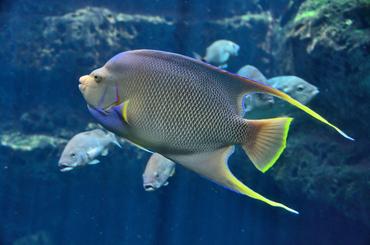
- Large Angelfish: Most Pomacanthus and Holacanthus species (like the Emperor, Queen, or French Angels) eat sponges as their primary diet. They will shred a Blue Sponge in minutes.
- Certain Sea Stars: The Chocolate Chip Starfish and the Bahama Star are notorious sponge eaters. They will park themselves over the sponge and digest it externally.
- Nudibranchs: While many are beautiful, most nudibranchs are highly specialized feeders. If you accidentally introduce one that specializes in Haliclona, it will consume the colony from the inside out.
- Pufferfish and Boxfish: Their powerful beaks are designed to crunch through invertebrates, and they often nip at sponges out of curiosity or hunger.
The "Safe" List
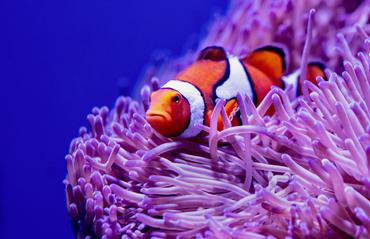
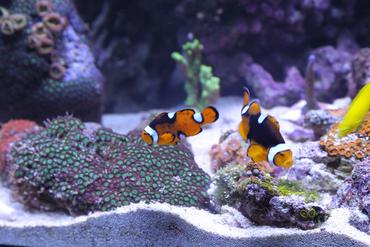
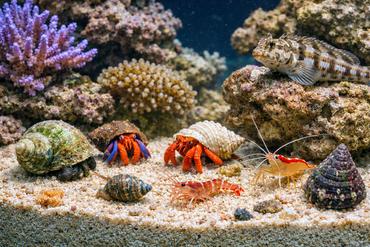
Most reef-safe fish are perfectly fine. Small gobies, blennies, and dragonets are excellent companions. Clownfish are also safe, though you should ensure they don't try to "host" in the sponge, as their constant movement can irritate the sponge's surface. Small reef-safe hermits and snails are generally safe, but keep an eye on larger hermit crabs that might use the sponge as a climbing ladder, potentially tearing the delicate tissue. To ensure your tank chemistry remains stable for these diverse inhabitants, consider essential supplements for a thriving reef tank, such as calcium and alkalinity buffers, which help maintain the overall reef structure.
Troubleshooting Common Marine Sponge Problems
Even with the best care, Blue Sponges can encounter issues. The key is early intervention. One of the most common problems is Cyanobacteria or Algae Overgrowth. If you see a red or green film starting to cover the blue tissue, the sponge is in grave danger. Do not scrub the sponge with a brush! Instead, increase the water flow in that area and use a small pipette to gently blow water over the surface to dislodge the film. If the algae persists, you may need to reduce your lighting period or check your phosphate levels.
Another issue is Spongin Regression. This is when the sponge seems to shrink or become "bony," with the internal skeleton becoming visible. This is almost always a sign of starvation. If this happens, increase the frequency of your phytoplankton feedings and consider turning off your protein skimmer for an hour after feeding to allow the nutrients to stay in the water column longer.
Finally, be aware of Allellopathy (Chemical Warfare). Some corals, particularly leathery soft corals like Sarcophyton, release chemicals into the water to inhibit the growth of competitors. Sponges are very sensitive to these toxins. If you have a heavily stocked soft coral tank, using high-quality activated carbon is essential to neutralize these chemicals and allow your Blue Sponge to thrive.
Conclusion: The Reward of Sponge Husbandry
Caring for a Marine Blue Sponge is a journey into the ancient history of our oceans. While they require more attention than a standard mushroom coral or polyp, the reward is a unique biological filter that adds unparalleled color and complexity to your reef. By prioritizing "underwater-only" handling, providing consistent microscopic food, and ensuring a predator-free environment, you can successfully maintain these cobalt wonders. The Blue Sponge is not just a decoration; it is a living indicator of a healthy, mature, and well-balanced marine ecosystem.
Success with sponges often marks the transition from a beginner to an intermediate hobbyist. It requires observation, patience, and a deep understanding of the microscopic life within your tank. If you found this guide helpful, we encourage you to continue exploring our library of reef-keeping resources, or share your own Blue Sponge success stories with our community. Your insights could be the key to helping another hobbyist keep their own cobalt treasure thriving!


MOST RECENT ARTICLES