TIPS FOR CARING FOR TANGS PROPERLY

Understanding Tang Physiology and Tank Space Requirements
To keep tangs healthy in captivity, aquarists must first understand what makes their biology so distinct from other reef fish. Surgeonfish belong to the family Acanthuridae, named after the sharp, scalpel-like modified scale located on either side of the caudal peduncle (the base of the tail). This caudal spine is an active defense mechanism that tangs flick at rivals or perceived predators when threatened. Beyond their weaponry, tangs possess a remarkably thin mucous coat compared to species like clownfish or wrasses. This minimal slime layer leaves them far more vulnerable to external skin parasites, temperature fluctuations, and environmental stress.
Another defining physiological trait of surgeonfish is their exceptionally high metabolic rate and constant muscular exertion. In nature, tangs spend almost every daylight hour swimming against powerful oceanic currents, grazing endlessly on turf algae across sprawling coral reefs. When confined to an aquarium, a tang that lacks sufficient swimming space rapidly becomes chronically stressed. This stress leads directly to immune suppression, heightened intra-tank aggression, and physical ailments such as muscle atrophy or Head and Lateral Line Erosion (HLLE).
Because surgeonfish swim horizontally across long distances rather than vertically through the water column, the horizontal length of your tank is infinitely more important than its total height or volume. A tall, cube-style aquarium with a short footprint is ill-suited for any surgeonfish, even if the gallon capacity appears sufficient on paper. To ensure long-term success, tank dimensions must be tailored to the specific genus of tang you plan to keep:
- Small Acanthurus and Ctenochaetus (Kole, Square-Tail, Tomini Tangs): Minimum 75-gallon tank with a 4-foot horizontal length.
- Medium Zebrasoma (Yellow, Purple, Scope, Sailfin Tangs): Minimum 100 to 125-gallon tank with a 5-foot to 6-foot horizontal length.
- Large Acanthurus and Paracanthurus (Powder Blue, Powder Brown, Hippo Tangs): Minimum 180-gallon tank with a 6-foot horizontal length.
- Gigantic Naso and Vlamingii Tangs (Naso, Vlamingii, Unicorn Tangs): Minimum 240 to 300+ gallon tank with an 8-foot footprint.
Beginner aquarists often purchase juvenile tangs that measure barely two inches in length, operating under the mistaken assumption that they can "upgrade the tank later." While upgrading is a valid plan in theory, tangs grow rapidly when fed properly, and their behavioral stress sets in long before they reach full physical maturity. Confining a juvenile Blue Hippo Tang to a 30-gallon aquarium frequently results in stunted growth, behavioral neuroses like relentless glass-pacing, and sudden outbreaks of marine parasites. Always select species based on the adult size of the fish and the permanent dimensions of your primary display aquarium.
Popular Tang Species for Beginner and Intermediate Hobbyists
Not all surgeonfish are created equal when it comes to temperament, size, and care difficulty. Selecting the right species for your skill level and tank setup is the foundation of long-term success. Below are several of the most popular tang species available in the marine hobby, along with their key care considerations.
Kole Eye / Yellow Eye Kole Tang ( Ctenochaetus strigosus )
For beginner-to-intermediate marine hobbyists operating tanks in the 75- to 90-gallon range, the Kole Tang is arguably the absolute best choice. Belonging to the Ctenochaetus genus, Kole Tangs possess comb-like teeth specifically adapted for scraping detritus, film algae, and diatoms off live rock and glass. They remain relatively compact, topping out around 6 to 7 inches, and exhibit a far lower level of inter-species aggression than their larger relatives. Their muted purplish-brown body highlighted by horizontal yellow striping and bright yellow eye rings adds subtle elegance to any reef system.
Yellow Tang ( Zebrasoma flavescens )
The iconic Yellow Tang is a staple of the marine aquarium industry. Renowned for its brilliant golden coloration, hardy nature, and active grazing behavior, this species thrives in tanks of 100 gallons or larger. While hardy once established, Yellow Tangs can be surprisingly territorial toward new additions, particularly fish with similar round body shapes or bright coloration. They possess a long snout that allows them to pick microalgae out of tight crevices in aquascaping, making them exceptional maintenance fish for keeping nuisance algae under control.
Pacific Blue Hippo / Regal Tang ( Paracanthurus hepatus )
Immortalized by popular culture, the Blue Hippo Tang is one of the most sought-after marine species in the world. However, it is also one of the most misunderstood. Unlike the sturdy Yellow Tang, the Blue Hippo Tang is unusually fragile when introduced to new aquariums. It is notoriously prone to Marine Ich ( Cryptocaryon irritans ) and velvet, and will wedge itself tightly into rockwork or sleep flat on its side when startled, often panicking novice hobbyists. Blue Hippo Tangs grow up to 12 inches in length and are extremely active swimmers that require a minimum of 180 gallons of space with immense water turnover.
Powder Blue Tang ( Acanthurus leucosternon )
Featuring a striking sky-blue body, dark black facial mask, and brilliant yellow dorsal fin, the Powder Blue Tang is a breathtaking specimen. However, this species is recommended strictly for experienced intermediate or advanced hobbyists. Members of the Acanthurus genus are naturally hyper-aggressive, dominant reef dwellers that require at least 180 gallons of swimming space. They suffer from high stress levels in confined environments, which quickly translates into severe parasitic infections and relentless harassment of docile tankmates.
Water Quality, Flow, and Filtration Requirements
Surgeonfish inhabit pristine oceanic environments characterized by high wave action, saturated oxygen levels, and low organic nutrient counts. Replicating these water conditions within a closed aquarium system is critical to maintaining their delicate immune systems and preventing chronic respiratory stress. Prior to introducing any surgeonfish, ensure your home system is fully matured by checking out our step-by-step guide on setting up a saltwater aquarium.
Proper water parameters for keeping tangs healthy should be maintained consistently within the following standard ranges:
- Water Temperature: 76°F to 78°F (24.4°C to 25.5°C) with minimal daily fluctuation.
- Specific Gravity / Salinity: 1.024 to 1.026 SG (32 to 35 ppt).
- pH Range: 8.1 to 8.4 (higher pH aids in respiratory efficiency).
- Ammonia & Nitrite: 0 ppm at all times.
- Nitrate (NO3): Below 10 ppm for optimal color and immune response.
- Phosphate (PO4): Below 0.05 ppm to prevent unwanted toxic microalgae spikes.
In addition to immaculate chemical parameters, tangs require exceptionally high dissolved oxygen levels and substantial water movement. Inadequate water flow forces these high-energy swimmers to work twice as hard to extract oxygen through their gills, resulting in elevated heart rates and systemic exhaustion. Incorporating powerful, controllable wavemakers or powerheads to create dynamic, turbulent flow throughout the display tank is essential. Aim for a total system turnover rate of at least 30 to 50 times the tank volume per hour in a tang-focused display.
From a mechanical and biological filtration standpoint, a heavy-duty protein skimmer is non-negotiable. Because tangs consume massive amounts of fiber-heavy plant material throughout the day, they produce a proportional volume of heavy organic waste. A high-efficiency protein skimmer not only extracts these dissolved organics before they break down into ammonia and nitrates, but it also provides massive gas exchange, driving carbon dioxide out of the water column and keeping dissolved oxygen levels near saturation.
Dietary Requirements: Feeding Herbivorous Tangs for Long-Term Health
The single most common mistake beginner aquarists make when caring for tangs is feeding them an improper diet dominated by meaty proteins like mysis shrimp, brine shrimp, and krill. While tangs will eagerly devour meaty foods when offered, they are obligate or primary herbivores with long, complex digestive tracts designed specifically to break down fibrous plant material and macroalgae.
Feeding a tang an exclusively carnivorous diet leads to severe nutritional deficiencies, fatty liver degeneration, poor color development, and a tragic condition known as Head and Lateral Line Erosion (HLLE). HLLE manifests as pitting, depigmentation, and open lesions around the fish's eyes, face, and lateral line. While the exact causes of HLLE are multi-factorial—including stray voltage and activated carbon dust—malnutrition is universally recognized as the primary trigger.
To keep your surgeonfish thriving, their daily diet must consist of high-quality vegetable matter. Dried marine algae sheets (Nori) should form the cornerstone of their daily intake. You can easily attach sheets of green, red, or brown Nori to a suction-cup algae clip or wrap them around a small piece of live rock using a rubber band. Position the clip in a mid-water area with moderate flow so the fish can graze naturally throughout the day.
Supplement dried Nori with high-grade, spirulina-fortified pelleted foods and naturally cultivated macroalgae such as Chaetomorpha, Gracilaria, or Ochtodes. To boost immune defense and aid in parasite recovery, soak all dried seaweed and pellets in liquid vitamin supplements containing Vitamin C, Vitamin B12, and pure garlic extract prior to feeding. Garlic acts as a natural appetite stimulant and possesses mild anti-parasitic properties that aid in gut health. Meaty foods like mysis shrimp should be offered sparingly—no more than once or twice a week—as an occasional supplement rather than a dietary staple.
Tang Compatibility, Aggression Management, and Acclimation
Surgeonfish are notoriously aggressive toward members of their own family, particularly species that share similar body shapes, color patterns, or dietary niches. For example, housing a Yellow Tang ( Zebrasoma flavescens ) with a Purple Tang ( Zebrasoma xanthurum ) in a tank under 180 gallons almost always results in brutal, relentless territory battles that end in severe caudal spine slashes or death. Similarly, mixing two members of the Acanthurus genus without massive water volume is a recipe for disaster.
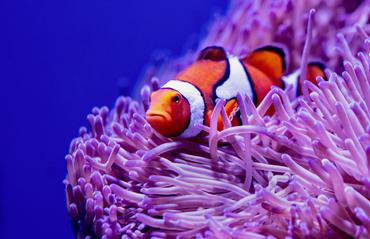
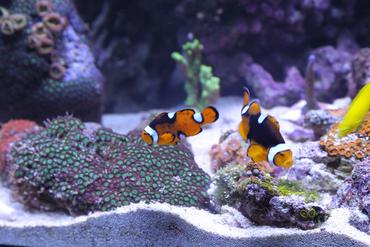
When planning tankmate compatibility, peaceful reef species such as clownfish, cardinalfish, wrasses, dwarf angels, and gobies generally coexist seamlessly with tangs, as they do not compete for the same ecological niche or swimming corridors. In invertebrates and corals, tangs are almost universally reef-safe, making them invaluable assets for consuming unwanted turf algae, bubble algae, and film algae off sensitive coral skeletons.
If your dream is to house multiple tangs within a single large display aquarium (a practice known as building a "Tang Gang"), you must follow strict husbandry rules to minimize territorial conflict:
- Choose Different Genera: Mix species from completely different genera to reduce competition (e.g., pairing a Ctenochaetus Kole Tang with a Zebrasoma Yellow Tang and a Naso Tang).
- Vary Shapes and Colors: Avoid selecting fish that mirror each other in physical silhouette or color palette.
- Introduce Simultaneously: Quarantine and introduce all intended tangs into the display tank at the exact same time so no single fish can establish a pre-existing territory.
- Use an Acclimation Box: Place new arrivals inside a clear, perforated acrylic acclimation box inside the main display for 3 to 5 days. This allows resident fish to see and adjust to the newcomer without being able to strike them with their tail spines.
- Employ the Mirror Trick: Tape a temporary mirror to the outside glass of the aquarium when introducing a new tang. The resident tang will spend hours displaying at its own reflection, allowing the new fish time to explore the aquascape and settle in unmolested.
Preventing and Treating Common Tang Illnesses
Due to their thin skin and fragile mucous layer, tangs are universally recognized as "Ich magnets." In marine aquaria, two parasitic protozoans pose a catastrophic threat to surgeonfish: Marine Ich ( Cryptocaryon irritans ) and Marine Velvet ( Amyloodinium ocellatum ). Marine Ich presents as distinct, salt-like white spots across the fins and body, accompanied by flashing (rubbing against rocks). Marine Velvet is far more dangerous, presenting as a fine dust-like gold/white film that causes rapid gilling, lethargy, and mass mortality within 24 to 48 hours of symptoms appearing.
Because treating a full-blown parasite outbreak in an established reef display full of live rock and corals is nearly impossible, prevention is the single most important aspect of tang care. Every new surgeonfish must undergo a strict quarantine protocol prior to entering your display tank. For a broader look at pathogen prevention and health protocols, explore our guide on how to prevent saltwater fish diseases.
A standard 30-day quarantine protocol using ionic copper (such as Copper Power or Coppersafe maintained at therapeutic levels between 2.0 and 2.5 ppm) or prophylactic hyposalinity treatment will eliminate active protozoan parasites before they ever touch your main display. During quarantine, feed the fish heavily with vitamin-infused Nori to build up their internal energy reserves and restore any compromised weight from transit stress.
If an outbreak occurs in your main display, do not rely on so-called "reef-safe" herbal remedies, which are overwhelmingly ineffective against established parasitic infestations. The display tank must be taken "fallow" (devoid of all fish hosts) for a minimum of 45 to 76 days to allow the parasite lifecycle to starve out completely, while all affected fish are moved to a bare-bottom hospital tank for proper copper or chloroquine phosphate treatment. For diagnostic guidance on identifying and treating parasite symptoms, check out our resource on common saltwater aquarium fish diseases.
Final Takeaways for Successful Tang Care
Caring for tangs properly is one of the most rewarding challenges in the saltwater aquarium hobby. These dynamic, highly intelligent fish reward dedicated hobbyists with decades of vibrant color, constant activity, and indispensable natural algae control. By respecting their physiological need for massive swimming space, providing a nutrient-dense herbivorous diet rich in marine algae, ensuring pristine high-flow water parameters, and executing strict quarantine procedures, you can ensure your surgeonfish thrive for years to come.
Remember that successful marine aquariology is built on patience, research, and careful planning. Never impulse-buy a tang based on its juvenile size, and always design your system around the adult needs of the species you choose. What species of tang are you planning to add to your saltwater setup, or what husbandry tricks have worked best in your own display? Explore our extensive library of marine care guides on RateMyFishTank.com, drop a comment below to share your experiences, or join our community forums to showcase your tank with fellow hobbyists!


MOST RECENT ARTICLES