SALTWATER AQUARIUMS

Choosing Your System: FOWLR vs. Reef Aquariums
The first and most critical decision in the marine hobby is defining the scope of your ecosystem. Saltwater tanks generally fall into three categories, each with its own set of requirements and budgetary considerations. Understanding these early will save you from purchasing incompatible equipment later.
Fish-Only (FO) and FOWLR (Fish-Only With Live Rock)
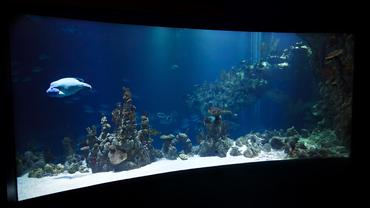
For many beginners, starting with a FOWLR setup is the most logical path. The primary focus is the fish, and the "live rock" acts as the primary biological filter. Live rock is natural coral skeleton harvested from the ocean or "seeded" in vats, teeming with nitrifying bacteria, tiny crustaceans, and beneficial algae. This setup is more forgiving because fish can tolerate wider swings in nitrate levels and do not require the expensive, high-intensity lighting that corals do.
Reef Aquariums
A reef tank is a holistic ecosystem that includes fish, corals, anemones, and other invertebrates. This is often the "dream" setup, but it requires a significantly higher investment in both time and money. Corals are animals that rely on photosynthesis and the absorption of elements like calcium and magnesium from the water. Consequently, you must maintain near-perfect water parameters and provide specific light spectrums. If you are a beginner, it is often wise to start with a FOWLR tank and slowly transition to a reef tank as your skills improve.
The "Nano" Challenge
It is a common misconception that a smaller tank is easier for a beginner. In the saltwater world, the opposite is true. Small volumes of water (under 30 gallons) can shift in temperature or salinity within hours. A large tank, such as a 55-gallon or 75-gallon system, provides a "buffer." If a fish dies or a heater malfunctions, the sheer volume of water slows down the resulting chemical changes, giving you more time to react. We always recommend starting with the largest tank your space and budget allow.
Essential Equipment and the Science of Saltwater
To keep marine life thriving, you must replicate the stability of the ocean. This requires a specialized kit of equipment designed to handle the corrosive nature of salt and the specific needs of reef-dwelling organisms. Unlike freshwater, you cannot simply dechlorinate tap water and expect success.
- Protein Skimmers: Often considered the most vital piece of equipment for a saltwater tank, a protein skimmer uses air bubbles to strip organic waste out of the water before it can break down into toxic ammonia and nitrite. It creates a thick, brown "skimmate" that you manually remove, drastically reducing the bioload on your filter.
- Mechanical and Biological Filtration: While live rock handles the bulk of biological filtration, many hobbyists use sumps—a secondary tank hidden in the cabinet—to house filter socks, carbon reactors, and heaters. This increases total water volume and keeps the main display looking clean.
- Wavemakers and Circulation: In the ocean, water is constantly moving. This movement prevents detritus from settling on the bottom and ensures that oxygen reaches every corner of the tank. For a successful setup, you should aim for a "turnover rate" of at least 10 to 20 times the tank's volume per hour.
- Lighting: If you are keeping fish only, standard LEDs are fine. However, if you plan to keep corals, you will need high-output LED fixtures or T5 fluorescents that provide the specific PAR (Photosynthetically Active Radiation) levels corals need to survive.
- Reverse Osmosis/Deionization (RO/DI) Systems: Using tap water is the leading cause of algae outbreaks in saltwater tanks. Tap water is filled with silicates, phosphates, and heavy metals. An RO/DI system filters these out, providing you with "zero TDS" (Total Dissolved Solids) water, which is the only proper base for mixing marine salt.
Understanding the basics of the nitrogen cycle is even more critical in saltwater. Marine fish are less tolerant of ammonia than their freshwater cousins. You must "cycle" your tank—allowing beneficial bacteria to grow—for 4 to 8 weeks before adding your first inhabitant. Rushing this stage is the most frequent reason for "New Tank Syndrome," where fish die suddenly due to invisible chemical spikes.
Hardy Fish Species for the Beginner and Intermediate Keeper
Success in this hobby is often determined by the order in which you add your fish. You want to start with hardy, "forgiving" species that can handle the minor fluctuations of a maturing tank. Here are our top recommendations for a balanced community:
-
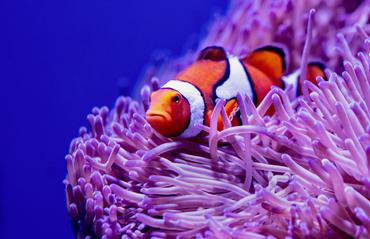
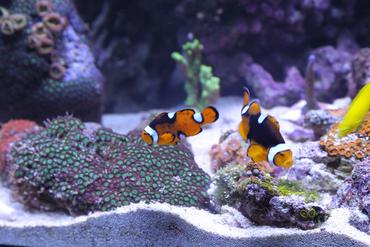
The Ocellaris Clownfish (Amphiprion ocellaris): Durable, iconic, and full of personality, the Clownfish is the quintessential saltwater pet. They are remarkably hardy and can thrive even in smaller tanks. Contrary to popular belief, they do not need an anemone to be happy; they will often "host" a patch of hair algae or even a powerhead.
-
Royal Gramma Basslet (Gramma loreto): With a stunning split-color body of vibrant purple and neon yellow, the Royal Gramma is a reef-safe staple. They are peaceful towards other species but can be territorial toward their own kind, so keep only one per tank unless you have a very large system.
-
Firefish Goby (Nemateleotris magnifica): These elegant, slender fish are known for their long dorsal fin and bright red tails. They are extremely docile and act as "dither fish," helping more timid species feel comfortable coming out into the open. Ensure you have a tight-fitting lid, as they are notorious jumpers when startled.
-
Yellow Watchman Goby (Cryptocentrus cinctus): This is a fascinating fish for intermediate keepers because of its symbiotic relationship with Pistol Shrimp. The goby acts as the "eyes," while the shrimp digs a burrow for both to live in. It provides an incredible display of natural behavior in the home aquarium.
-
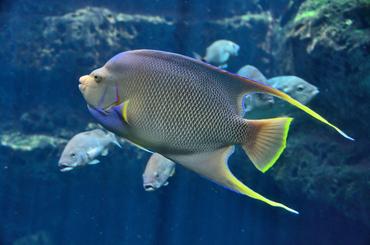
Coral Beauty Angelfish (Centropyge bispinosa): For those looking for a "centerpiece" fish, the Coral Beauty is one of the hardiest dwarf angels. They have stunning deep blue and orange coloration. However, use caution in reef tanks, as they may occasionally nip at fleshy corals or clam mantles.
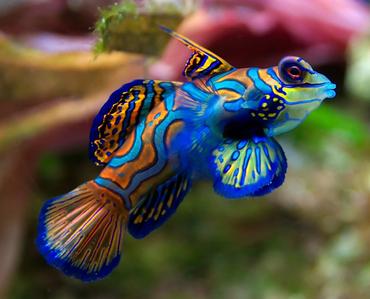
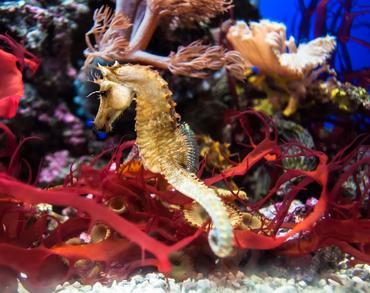
Always avoid "impulse buys" like Mandarinfish or Seahorses. Mandarins require a massive, established population of copepods to eat, and Seahorses require specialized species-only tanks with very low flow. Mastering the care of hardy species first will build the confidence needed for these more sensitive animals later.
Compatibility, Temperament, and the "Social Ladder"
In the confined space of an aquarium, social dynamics are amplified. In the wild, a bullied fish can swim away; in a tank, it is trapped. This is why understanding saltwater fish compatibility is perhaps the most important research you will do. Marine fish are often more aggressive than freshwater fish because they are defending limited food sources and hiding spots on the reef.
The Rule of Aggression
Generally, you should add your most peaceful fish first and your most aggressive fish last. For example, if you add a Damselfish (known for their territorial nature) as your first inhabitant, it will likely harass any newcomers. If you add it last, the other fish will have already established their territories, reducing the intensity of the conflict.
Niche Competition
Avoid keeping fish that look too similar or occupy the same "niche" in the tank unless it is a very large system. Two different species of Blennies may fight over the same rock crevice, while a Blenny and a Clownfish will usually ignore each other because they live in different parts of the water column.
The Clean-Up Crew (CUC)
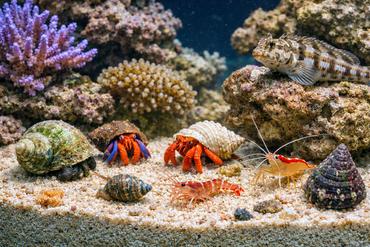
A saltwater tank is not complete without its "janitors." Snails (like Astrea or Cerith), Hermit Crabs, and Emerald Crabs play a vital role in eating leftover food and algae. However, you must ensure your fish are compatible with them. Triggerfish and many larger Wrasses will make a quick meal of your expensive snails and shrimp. Always check if a fish is "Reef Safe" or "Reef Safe with Caution" before introducing it to an environment with invertebrates.
Maintaining Stability: The Marine Keeper’s Routine
The secret to a stunning saltwater tank isn't fancy equipment—it's consistency. Marine organisms are highly sensitive to "osmotic stress," which occurs when the salinity of the water changes too quickly. As water evaporates from your tank, the salt stays behind, meaning the concentration of salt (salinity) increases. If left unchecked, this can dehydrate and kill your fish.
- Daily: Check the water temperature and perform a "top-off." You must add fresh RO/DI water to replace evaporated water. Many intermediate hobbyists use an Auto Top-Off (ATO) system to automate this process, ensuring salinity never fluctuates.
- Weekly: Test your water. Even if the water looks crystal clear, ammonia or nitrates could be creeping up. Testing weekly allows you to catch trends before they become disasters. If you are keeping a reef, you must also test for Alkalinity, as this is the "backbone" of coral health.
- Bi-Weekly: Perform a 15–20% water change. This is the single most effective way to maintain a healthy tank. Water changes remove accumulated toxins and replenish essential minerals like strontium and iodine that are depleted by the tank's inhabitants.
- Monthly: Clean your equipment. Salt "creep" (dried salt crystals) can build up on lids and light fixtures. Soak your powerheads in a vinegar-water solution to remove calcium deposits and keep them running efficiently.
One of the most common beginner errors is "over-meddling." It is tempting to constantly move rocks around or add supplements you haven't tested for. The best reef keepers are often the most patient. If a parameter is slightly off, adjust it slowly over several days rather than all at once. For more on the logistics of maintenance, see our detailed guide on managing water quality in marine aquaria.
Troubleshooting Common Saltwater Problems
Even the most diligent hobbyist will eventually encounter a hurdle. Knowing how to identify and react to these issues is what separates a beginner from an intermediate keeper.
Algae Outbreaks
Diatoms (brown dust), Green Hair Algae, and Cyanobacteria (red slime) are common in new tanks. These are usually caused by an excess of phosphates and nitrates. To combat this, reduce your lighting period, ensure you are using RO/DI water, and do not overfeed your fish. A robust clean-up crew can also help manage the growth while you address the root cause.
Marine Ich
This is a parasite that looks like small grains of salt on a fish's skin. It is highly contagious and often brought in by new fish that haven't been quarantined. The best way to prevent this is to use a Quarantine Tank (QT) for all new arrivals for at least 30 days. If Ich does enter your main tank, you may need to go "fallow" (fishless) for 76 days to break the parasite's life cycle while treating your fish in a separate hospital tank.
Coral Bleaching
In reef tanks, corals may turn white or lose color. This is usually a sign of light stress or rapid temperature changes. If this happens, check your parameters immediately and consider lowering the intensity of your lights or moving the coral to a shaded area of the tank.
Takeaway: Your Journey to a Thriving Marine Masterpiece
A saltwater aquarium is more than just a hobby; it is a window into a complex biological world that rewards patience and observation. While the initial learning curve is steeper than that of freshwater tanks, the ability to house exotic species and witness the intricate dance of a coral reef is an experience unlike any other. By focusing on water stability, choosing hardy and compatible species, and utilizing high-quality source water, you are setting yourself up for long-term success. The most important advice we can give is to never stop learning. Every tank is unique, and every challenge is an opportunity to refine your skills as a steward of the ocean.
Ready to take the next step in your aquatic journey? Browse our extensive gallery of user-submitted tanks for inspiration, or join our community forums to ask questions and share your progress. Whether you are starting your first 40-gallon FOWLR or planning a complex 200-gallon reef, RateMyFishTank.com is here to provide the expert resources you need to succeed. Happy fish keeping!


MOST RECENT ARTICLES