TIPS FOR FEEDING SALTWATER AQUARIUM FISH

Understanding the Nutritional Profiles of Marine Species
In the wild, saltwater fish spend a significant portion of their waking hours foraging across coral reefs, seagrass beds, and open water columns. Because ocean environments offer an endless supply of live food, marine species have evolved specialized digestive systems tailored to specific food sources. When transitioning these animals into a captive environment, providing the correct balance of proteins, lipids, carbohydrates, vitamins, and minerals is essential for preventing nutritional deficiencies, lateral line erosion (HLLE), and premature mortality.
To feed your marine aquarium effectively, you must first categorize your livestock by their natural dietary classifications:
- Carnivores: Species such as the Royal Gramma ( Gramma loreto ), Marine Betta, and various wrasses require high-protein diets rich in marine lipids and amino acids derived from crustaceans, fish tissue, and mollusks.
- Herbivores: Species including the Yellow Tang ( Zebrasoma flavescens ), Lawnmower Blenny, and Foxface Lo ( Siganus vulpinus ) rely on constant grazing of marine macroalgae, microalgae, and turf algae to maintain digestive health and vibrant coloration.
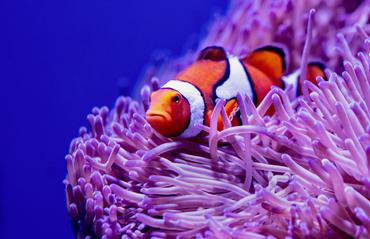
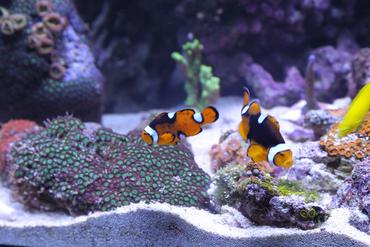
- Omnivores: Species such as the popular Ocellaris Clownfish ( Amphiprion ocellaris ), Green Chromis, and dwarf angelfish consume a wide blend of both animal proteins and algal matter throughout the day.
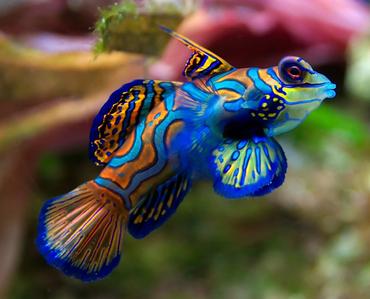
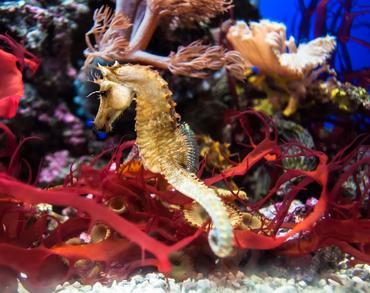
- Specialized Feeders: Delicate species like the Mandarin Dragonet ( Synchiropus splendidus ) and pipefish feed almost exclusively on small, live benthic organisms like copepods and amphipods.
Failing to supply the correct diet can lead to rapid physical decline. For instance, herbivorous tangs fed exclusively on high-protein carnivore foods often suffer from digestive impaction, fatty liver degeneration, and severe loss of color. Conversely, carnivorous predators denied sufficient protein will quickly lose body mass and lethargy will set in. Understanding the distinct biological requirements of each resident is vital to meeting the complete nutritional needs of saltwater aquarium fish in a captive display.
Choosing the Right Types of Saltwater Fish Food
A single type of fish food cannot fulfill the requirements of a diverse marine community. To keep your fish in peak condition, you should offer a rotation of high-quality commercial, frozen, and fresh foods. Varying the texture, size, and nutritional composition of your offerings ensures that every fish in the water column receives appropriate nourishment.
Commercial Dry Foods (Pellets and Flakes)
Modern commercial pellets and flakes are crafted to serve as nutritious staple foods. Look for marine formulas where whole fish, squid, mealworms, spirulina, and krill are listed as the primary ingredients, rather than heavy starch fillers like soy or corn meal. Marine pellets come in sinking, slow-sinking, and floating varieties. Slow-sinking pellets are ideal for mid-water swimmers like Anthias and Chromis, while fast-sinking pellets quickly reach bottom-dwelling gobies and blennies.
Frozen Foods
Frozen foods are indispensable in the saltwater hobby because they closely mimic the natural prey items found on the reef. Mysis shrimp are rich in highly unsaturated fatty acids (HUFAs) and proteins, making them superior to standard brine shrimp, which offer lower nutritional value unless enriched with phytoplankton. Chopped clam, squid, krill, and silversides are excellent options for larger carnivores like lionfish, puffers, and large wrasses. Always thaw frozen food in a small cup of aquarium water before feeding to prevent chilling the fish's internal digestive organs.
Marine Algae and Nori
For herbivorous and omnivorous species, dried seaweed (nori) is a non-negotiable dietary requirement. Nori sheets provide essential digestive roughage and natural carotenoids that enhance bright yellows, greens, and oranges. Attaching a strip of unflavored, unseasoned nori to a suction-cup algae clip allows tangs, surgeonfish, and blennies to graze naturally throughout the day, reducing territorial aggression by mimicking wild foraging habits.
Live Foods and Enriched Solutions
Live foods such as cultured copepods, live brine shrimp, and gut-loaded ghost shrimp are invaluable for acclimating wild-caught fish or encouraging reluctant eaters. Additionally, soaking dry or thawed frozen foods in liquid vitamin supplements or fatty-acid boosters (containing Omega-3 fatty acids and vitamin C) helps boost immune function and aids in recovering from transport stress. Incorporating strategic offerings of live foods for marine fish triggers natural hunting behaviors and provides unrivaled enrichment for delicate reef dwellers.
Establishing an Effective Feeding Schedule and Routine
How and when you feed your saltwater tank is just as important as what you feed. In nature, most reef fish graze continuously or hunt in small bursts throughout daylight hours. Replicating this rhythm in the home aquarium requires a structured approach that balances fish health with water clarity.
Frequency and Portion Control
Rather than dumping a large amount of food into the tank once a day, aim to feed smaller portions two to three times daily. Small, frequent feedings accommodate the fast metabolic rates of active open-water swimmers like Anthias and Damselfish. A general rule of thumb is to offer only as much food as your fish can completely consume within two to three minutes. Any food remaining after three minutes will sink into rocks or substrate, decomposing into toxic ammonia, nitrite, and nitrate.
Target Feeding vs. Broadcast Feeding
Broadcast feeding involves dispersing food across the water stream generated by your wavemakers or powerheads. This creates a natural feeding zone for active mid-water swimmers. However, broadcast feeding often leaves shy bottom-dwellers, burrowing gobies, and slow-moving invertebrates without food.
Target feeding uses a long acrylic tube or pipette to deliver precise food portions directly to specific inhabitants. Bottom-dwellers like the Watchman Goby, pistol shrimp, or predatory bubble-tip anemones benefit enormously from direct target feeding. Turn off your main circulation pumps for 10 to 15 minutes during target feeding to prevent the current from sweeping the food away before the target animal can consume it.
Feeding Compatibility and Special Care Considerations
Creating a peaceful feeding environment requires careful attention to species behavior, tank layout, and swimming speeds. In the confined space of an aquarium, aggressive feeders can easily outcompete timid or slow-moving species, leading to starvation and heightened stress levels.
Fast, boisterous swimmers like Dottybacks, Damselfish, and aggressive Wrasses will rush the surface the moment food touches the water. If kept alongside shy, deliberate feeders such as Firefish ( Nemateleotris magnifica ), Jawfish, or Cardinalfish, the timid fish may hide during feeding time. To manage compatibility during feeding, try using a "distraction feeding" technique: drop a portion of flake or flake-pellet mix on one side of the tank to draw aggressive surface feeders, then immediately target feed frozen mysis to the timid species hiding among the rockwork on the opposite side.
Key care considerations for managing feeding compatibility include:
- Metabolic Demands: High-energy species such as Anthias require frequent feedings (3-5 times daily) due to small stomachs and rapid metabolisms, whereas predatory groupers or lionfish require larger, protein-dense meals only two to three times per week.
- Microfauna Requirements: Specialized predators like Dragonets and Pipefish quickly deplete copepod populations in smaller systems. Ensure your aquarium is well-established (6-12 months old) or routinely seeded with live copepods before introducing these species.
- Beak and Tooth Wear: Pufferfish, Triggerfish, and Porcupinefish possess continuously growing dental plates. Feed them hard-shelled foods such as whole clams in the shell, snails, and crabs to naturally wear down their teeth and prevent painful overgrown beaks.
- Quarantine Feeding: Newly acquired marine fish are frequently stressed and may harbour intestinal parasites. Establishing a dedicated quarantine routine gives you space to observe their appetite, train them onto commercial foods, and evaluate the pros and cons of live food options before introducing them to your main display.
Overfeeding and Managing Water Quality Parameters
The single most common mistake made by beginner saltwater hobbyists is overfeeding. While it is tempting to feed your fish whenever they swim to the front glass, excess food quickly breaks down into organic waste, causing serious water quality issues.
Uneaten food releases high concentrations of phosphate and nitrate into the water column. Elevated phosphate levels inhibit stony coral calcification and trigger massive outbreaks of undesirable nuisance algae, including hair algae, bubble algae, and cyanobacteria. Excess organic matter also increases the biological load on your biological filter and mechanical filtration systems.
To keep your water chemistry stable while offering a nutritious diet, incorporate these proactive husbandry practices:
- Rinse frozen foods in a fine mesh strainer using Reverse Osmosis/Deionized (RO/DI) water prior to feeding to strip away concentrated fluid preservatives and dissolved phosphates.
- Turn off main return pumps during feeding to prevent food from washing directly into your overflow box, sump, or filter socks.
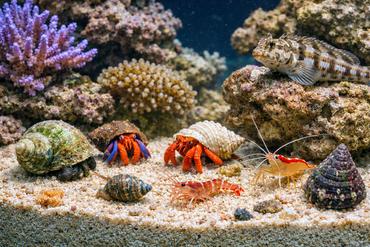
- Employ an active cleanup crew comprising trochus snails, nassarius snails, hermit crabs, and brittle starfish to clean up stray food particles that settle into crevices.
- Consistently test water parameters to verify that nitrate stays below 10-15 ppm and phosphate remains below 0.03-0.05 ppm. Utilizing purified water is essential, which is why following proper guidelines on reverse osmosis for the saltwater tank helps maintain pristine water quality even when feeding heavily.
Troubleshooting Picky Eaters and Feeding Issues
It can be alarming when a newly introduced marine fish refuses to eat. Wild-caught specimens in particular may not recognize dry flakes or hard pellets as food. Before assuming the fish is sick, evaluate environmental factors and try proven entice techniques.
First, test your salinity, temperature, and ammonia levels. High stress caused by improper water chemistry or aggressive tankmates will immediately suppress a fish's appetite. Ensure adequate hiding places are available in your aquascape so the fish feels safe enough to venture out during feeding times.
If water parameters are stable but the fish remains uninterested in standard fare, try the following strategies:
- Soak frozen mysis shrimp or chopped clam in concentrated garlic extract. Marine fish possess a keen sense of smell, and the strong scent of garlic acts as a natural appetite stimulant while offering mild antibacterial properties.
- Alternatively, try introducing live foods such as live adult brine shrimp or gut-loaded blackworms. The movement of live prey triggers natural hunting instincts in reluctant feeders. Once the fish is feeding confidently on live foods, gradually mix in thawed frozen foods until the animal transitions completely.
Final Takeaways for a Thriving Marine Tank
Mastering the art of feeding saltwater fish involves striking a balance between meeting complex nutritional requirements and maintaining strict control over water quality. By offering a varied diet composed of high-grade dry foods, frozen marine proteins, and fresh algae, you cater directly to the biological needs of carnivores, herbivores, and omnivores alike. Remember to observe your tank closely during feeding times; a fish's appetite and feeding behavior are often the first indicators of its overall health and well-being.
Ready to take your marine husbandry skills to the next level? Explore our extensive collection of guides on saltwater equipment setups, fish compatibility charts, and reef tank maintenance at RateMyFishTank.com to keep your underwater paradise thriving!


MOST RECENT ARTICLES